
Are you avoiding whey protein because you’re lactose intolerant? You might be missing out on a powerful source of muscle-building nutrition.
But here’s the question: Can you still enjoy whey protein without those uncomfortable symptoms? Understanding how whey protein interacts with your body can change the way you fuel your workouts and recovery. Keep reading to discover which types of whey protein might work for you and how to enjoy the benefits without the digestive issues.
Your fitness goals don’t have to stop here.

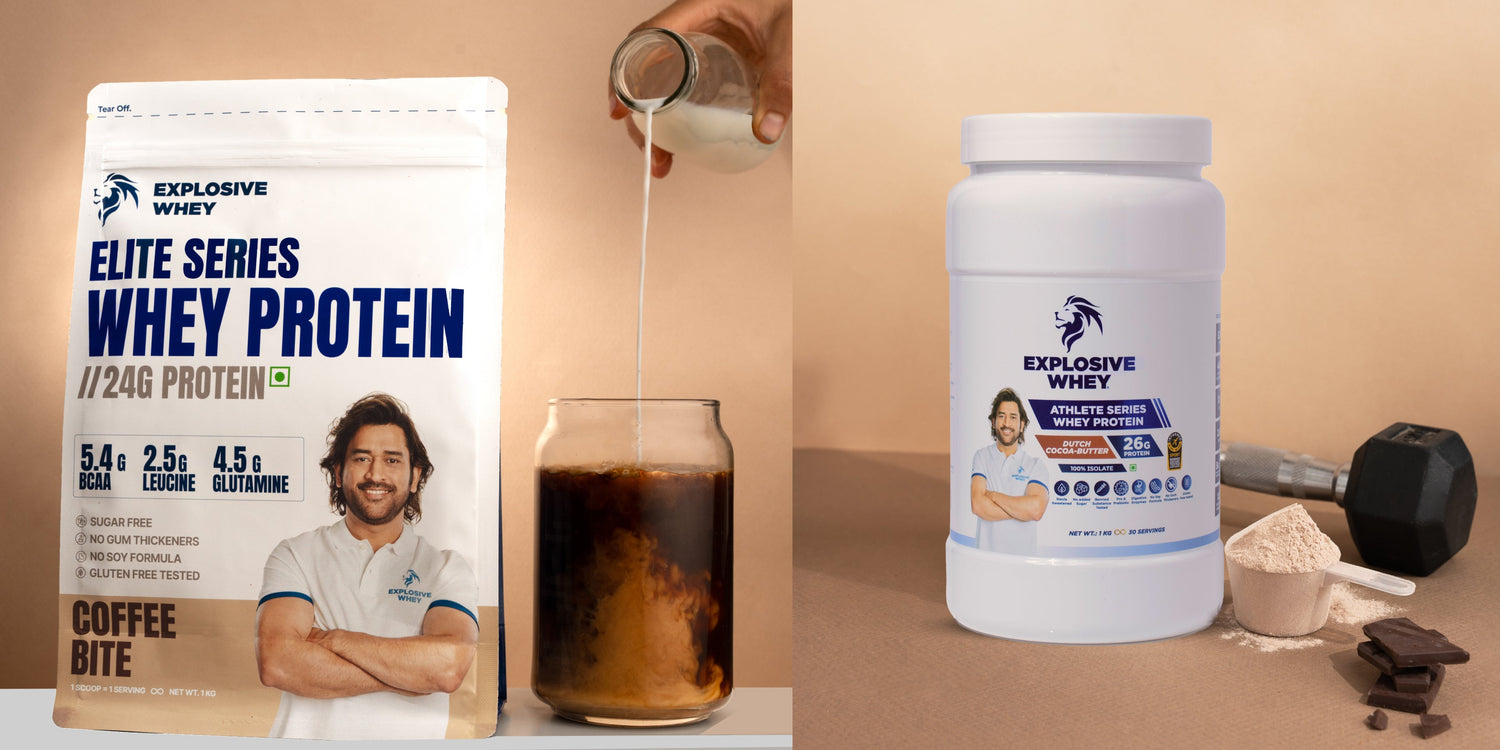
Credit: explosivewhey.com
Lactose Intolerance Basics
Lactose intolerance is common among many people. It affects how they digest dairy products.
Understanding lactose intolerance helps in managing your diet better. Some people worry about having whey protein if they are lactose intolerant.
What Is Lactose Intolerance?
Lactose intolerance occurs when the body cannot digest lactose. Lactose is a sugar found in milk and dairy products.
The body needs an enzyme called lactase to digest lactose. People with low lactase levels may experience lactose intolerance.
Common Symptoms
Symptoms of lactose intolerance can vary. They often appear after eating dairy products.
- Stomach cramps
- Bloating
- Diarrhea
- Gas
How Lactose Affects Digestion
In lactose intolerance, undigested lactose moves to the colon. Here, bacteria break it down, causing discomfort.
This process leads to gas and bloating. The body struggles to process lactose without enough lactase.

Credit: fitspire.online
Whey Protein Varieties
Whey protein is popular for muscle building and health. It comes in different types with various qualities.
People who are lactose intolerant often wonder which whey protein suits them best. Understanding types helps choose the right one.
Concentrate Vs Isolate Vs Hydrolysate
Whey concentrate contains more fat and lactose. It is less processed and cheaper.
Whey isolate has less fat and lactose. It goes through more filtering to increase protein content.
Whey hydrolysate is pre-digested. It absorbs faster and may cause less stomach discomfort.
- Concentrate:70-80% protein, more lactose
- Isolate:90%+ protein, low lactose
- Hydrolysate:90%+ protein, very low lactose
Lactose Content In Different Types
Lactose is the sugar found in milk. It can cause problems for lactose intolerant people.
Whey concentrate has the highest lactose content. This may cause discomfort.
Whey isolate has most lactose removed. It is often safe for many lactose intolerant users.
Whey hydrolysate has very little lactose. It is usually the best choice for lactose sensitive people.
| Whey Type | Lactose Content | Suitability for Lactose Intolerance |
|---|---|---|
| Concentrate | High | Not recommended |
| Isolate | Low | Generally safe |
| Hydrolysate | Very low | Best option |
Whey Protein And Lactose Intolerance
Whey protein is a common supplement used for muscle building and recovery. It is made from milk, which contains lactose.
Lactose intolerance means your body has trouble digesting lactose. This can cause stomach problems after eating dairy.
Is Whey Protein Safe?
Whey protein comes in different forms. Some have more lactose than others. People with lactose intolerance may still use whey protein.
Whey protein isolate has less lactose than whey protein concentrate. It is often easier to digest for those with lactose issues.
- Whey protein concentrate: contains more lactose
- Whey protein isolate: has very little lactose
- Hydrolyzed whey protein: broken down for easier digestion
Potential Reactions To Whey
Some people may feel bloated, have gas, or stomach pain after taking whey protein. These are common signs of lactose intolerance.
Severe reactions are rare but can include nausea or diarrhea. These symptoms depend on how much lactose the person can handle.
- Bloating and gas
- Stomach cramps
- Diarrhea
- Nausea
How Much Lactose Is Tolerable?
Most people with lactose intolerance can handle small amounts of lactose without symptoms. The amount varies by person.
Whey protein isolate usually has less than 1% lactose. This low level is often safe for many lactose-intolerant people.
| Whey Protein Type | Lactose Content | Suitability for Lactose Intolerance |
|---|---|---|
| Whey Protein Concentrate | 3-5% | May cause symptoms |
| Whey Protein Isolate | Less than 1% | Usually safe |
| Hydrolyzed Whey Protein | Very low | Often safe |

Credit: shop.torokhtiy.com
Choosing The Right Whey Protein
If you are lactose intolerant, picking the right whey protein is important. Some whey proteins have less lactose than others.
Knowing which types to choose can help you avoid discomfort. This guide will help you find the best options.
Low-lactose And Lactose-free Options
Whey protein isolate has very little lactose. It is a good choice for people with lactose intolerance.
Whey protein concentrate contains more lactose and may cause issues. Some brands also offer lactose-free whey protein.
- Whey Protein Isolate: Less than 1% lactose
- Whey Protein Concentrate: Higher lactose content
- Lactose-Free Whey: Specially treated to remove lactose
Reading Labels For Lactose Content
Check the nutrition label for lactose or milk sugar. Some products list lactose amount directly.
Look for terms like “whey isolate” or “lactose-free.” Avoid products with whey concentrate if you are sensitive.
- Check ingredients for milk or lactose
- Look for “whey isolate” or “lactose-free”
- Note any added milk solids or powders
Alternative Protein Sources
If whey protein causes discomfort, try plant-based proteins. These have no lactose and are easier to digest.
Options include pea, rice, hemp, and soy protein. They provide good protein without lactose.
- Pea protein
- Rice protein
- Hemp protein
- Soy protein
Expert Tips For Consumption
Whey protein is popular for muscle building and recovery. People with lactose intolerance worry about side effects.
This guide shares expert tips to enjoy whey protein safely if you are lactose intolerant.
Timing And Portion Control
Taking whey protein in small amounts helps reduce lactose symptoms. Spread your intake throughout the day.
Avoid large servings at once. This lowers the chance of stomach discomfort or bloating.
- Start with half a serving to test tolerance
- Divide daily protein needs into smaller doses
- Take whey protein after meals to ease digestion
Combining With Lactase Supplements
Lactase supplements help break down lactose in the digestive system. Taking them with whey protein can reduce symptoms.
Use lactase pills or drops before drinking whey shakes. This supports better digestion for lactose intolerant people.
- Take lactase supplements 15 minutes before whey protein
- Follow the dosage instructions on the supplement package
- Consult a doctor if you experience persistent symptoms
Monitoring Your Body’s Response
Watch how your body reacts after taking whey protein. Note any stomach pain, gas, or diarrhea.
Keep a food diary to track symptoms and whey intake. Adjust your servings based on your body’s feedback.
- Record time and amount of whey consumed
- Write down any digestive discomfort
- Reduce or stop whey if symptoms worsen
- Try lactose-free whey protein if needed
Recipes And Usage Ideas
If you are lactose intolerant, you might wonder if you can still enjoy whey protein. Many whey protein powders are low in lactose or lactose-free. This makes it easier to add protein to your diet without stomach problems.
Here are some simple recipes and ideas to use whey protein in ways that suit sensitive stomachs and help you stay healthy and strong.
Lactose-friendly Smoothies
Use lactose-free or isolate whey protein powders for smoothies. These powders have little to no lactose. You can mix them with fruits and plant-based milk for tasty drinks.
Try blending berries, a banana, spinach, and lactose-free whey with almond milk. It makes a nutritious and easy-to-digest smoothie.
- Use whey protein isolate or lactose-free whey powder
- Add fruits like banana, berries, or mango
- Mix with almond, coconut, or oat milk
- Include spinach or kale for extra nutrients
- Blend until smooth for a creamy texture
Protein Shakes For Sensitive Stomachs
Choose whey protein isolate to avoid lactose discomfort. Combine it with water or plant milk for a light shake. Keep ingredients simple to reduce stomach upset.
Add gentle flavors like vanilla or cinnamon powder. Avoid added sugars or heavy ingredients that can cause bloating.
- Use whey protein isolate powder
- Mix with water, almond, or rice milk
- Add a pinch of cinnamon or vanilla extract
- Keep shakes light and simple
- Drink slowly to help digestion
Incorporating Whey In Meals
You can add whey protein to meals like oatmeal or soups. Use whey protein isolate to keep lactose low. Stir it in after cooking to keep protein intact.
Whey protein works well in pancakes or muffins too. Replace some flour with whey protein powder to boost protein without adding lactose.
- Stir whey isolate into cooked oatmeal or porridge
- Add whey protein powder to pancake or muffin batter
- Mix into soups after cooking to avoid heat damage
- Use whey protein isolate for low lactose content
- Start with small amounts to test tolerance
Frequently Asked Questions
Can Lactose-intolerant People Consume Whey Protein?
Yes, many whey protein isolates contain minimal lactose. These are usually safe for lactose-intolerant individuals. Always check labels for lactose content before purchasing.
What Type Of Whey Protein Is Best For Lactose Intolerance?
Whey protein isolate is best. It undergoes extra processing to remove most lactose, making it easier to digest for sensitive individuals.
How Can Lactose-intolerant People Avoid Digestive Issues With Whey?
Choose lactose-free or low-lactose whey proteins like isolates. Start with small servings to assess tolerance and avoid symptoms like bloating or cramps.
Are There Lactose-free Protein Alternatives To Whey Protein?
Yes, plant-based proteins like pea, rice, and hemp are naturally lactose-free. They offer a good protein source without lactose-related concerns.
Conclusion
Whey protein can be safe for many lactose intolerant people. Choose whey isolate, which has less lactose than concentrate. Start with small amounts to see how your body reacts. Some people tolerate it well, others do not. Always read product labels carefully before buying.
You can also try lactose-free protein powders. Staying informed helps you make good choices for your health. Keep listening to your body’s signals and adjust as needed. Balance and care matter most when adding protein to your diet.


