
Are you wondering if it’s safe to take multivitamins while on antibiotics? You’re not alone.
Many people want to boost their health but worry about mixing supplements with medicine. The truth is, combining the two isn’t always straightforward. What if taking vitamins changes how your antibiotics work? Or what if it causes unwanted side effects?
Keep reading to find out what you need to know to protect your health and get the best results from your treatment.
Multivitamins And Antibiotics Interaction
Many people take multivitamins to stay healthy. Some also use antibiotics to fight infections. It is important to understand if these two can be taken together.
Taking multivitamins with antibiotics may affect how well the medicine works. Learning about their interaction can help you avoid problems.
How Antibiotics Work
Antibiotics are medicines that kill bacteria or stop their growth. They help your body fight infections caused by bacteria.
Different antibiotics work in different ways. Some break the bacteria cell walls. Others stop bacteria from making proteins or reproducing.
Role Of Multivitamins
Multivitamins provide vitamins and minerals your body needs. They help keep your immune system strong and support overall health.
People often take multivitamins to fill gaps in their diet. They can help with energy, bone health, and healing.
Potential Interactions
Some vitamins and minerals can change how antibiotics work. For example, calcium, iron, and magnesium may reduce antibiotic absorption.
This means the antibiotic may not work as well if taken with certain multivitamins. It can lead to longer infections or resistance.
- Calcium can bind with some antibiotics like tetracycline and ciprofloxacin.
- Iron may lower the effectiveness of certain antibiotics.
- Magnesium and zinc can also interfere with antibiotic absorption.
- Taking antibiotics and multivitamins at different times can help reduce interactions.
Timing And Dosage Considerations
Taking multivitamins while on antibiotics can affect how well each works. It is important to know the right timing and dosage to avoid problems.
Understanding how to take both safely helps you get the best results from your medicine and vitamins.
Optimal Timing For Taking Both
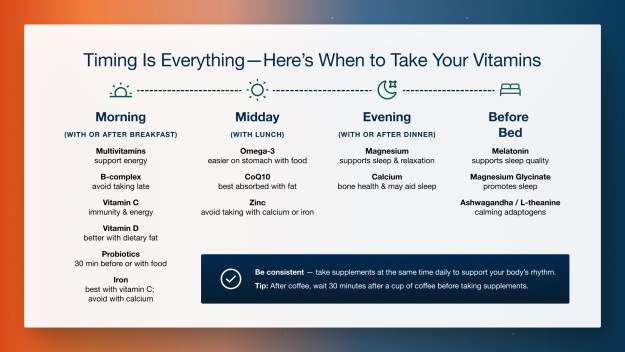
Take antibiotics and multivitamins at different times to prevent interference. This helps your body absorb both better.
Try to wait at least two hours between taking antibiotics and multivitamins. This gap reduces the chance that one will block the other.
- Take antibiotics with water as directed by your doctor.
- Wait two hours before or after to take multivitamins.
- Follow your healthcare provider’s timing advice closely.
Avoiding Absorption Issues
Some vitamins and minerals can stop antibiotics from working well. Calcium, iron, and magnesium are common offenders.
These minerals can bind to antibiotics and make them less effective. To avoid this, separate their intake by a few hours.
- Avoid taking multivitamins with minerals at the same time as antibiotics.
- Check labels for minerals like calcium, iron, and magnesium.
- Ask your doctor if your multivitamin contains minerals that may interfere.
Recommended Dosage Tips
Stick to the prescribed antibiotic dose. Do not take extra or fewer pills without advice.
Follow the multivitamin dose on the label unless your doctor suggests otherwise. Do not exceed the recommended amount.
- Take antibiotics exactly as your doctor prescribes.
- Use multivitamins according to label or doctor instructions.
- Do not combine multiple supplements without medical advice.
- Inform your healthcare provider about all medicines and vitamins you take.
Common Antibiotics And Multivitamin Effects
Many people take multivitamins to support their health. Some also use antibiotics to fight infections.
It is important to know how antibiotics and multivitamins interact. Some vitamins and minerals may affect antibiotic effectiveness.
Penicillins And Multivitamins
Penicillins are common antibiotics for infections like strep throat. They usually do not have strong interactions with multivitamins.
Taking multivitamins with penicillins is generally safe. Still, avoid high doses of minerals like calcium and iron at the same time.
- Penicillins work best without mineral interference
- Separate multivitamin and antibiotic doses by a few hours
- Consult your doctor if you take high mineral doses
Tetracyclines And Mineral Supplements
Tetracyclines treat bacterial infections like acne or respiratory issues. Minerals in multivitamins can reduce their absorption.
Calcium, magnesium, iron, and zinc in vitamins bind with tetracyclines. This lowers the antibiotic’s effect in the body.
- Avoid taking tetracyclines with mineral-containing vitamins
- Wait 2-3 hours before or after antibiotics to take minerals
- Follow your doctor’s instructions carefully
Macrolides And Nutrient Absorption
Macrolides include antibiotics like erythromycin and azithromycin. They can affect how your body absorbs certain nutrients.
These antibiotics might change vitamin levels in the body. Sometimes, they reduce absorption of vitamins like B12 and folate.
- Monitor vitamin intake during macrolide treatment
- Discuss with your doctor about adjusting vitamin doses
- Keep a balanced diet to support nutrient levels

Credit: www.bodykind.com
Benefits Of Combining Supplements And Antibiotics
Taking multivitamins while on antibiotics can support your body in many ways. Supplements help fill nutrition gaps during illness.
Combining them carefully may improve your immune system and help your body recover faster.
Supporting Immune Health
Multivitamins provide important vitamins and minerals that boost your immune system. This helps your body fight infections better.
Vitamins like C, D, and zinc support white blood cells and other immune functions during antibiotic treatment.
- Vitamin C helps protect cells and supports healing
- Vitamin D improves immune response
- Zinc aids in fighting bacteria and viruses
Reducing Side Effects
Antibiotics can cause side effects like stomach upset and low appetite. Multivitamins can help reduce these problems.
Some supplements protect the gut by restoring healthy bacteria and improving digestion during antibiotic use.
- Probiotics support gut bacteria balance
- B vitamins reduce fatigue and support energy
- Magnesium can ease muscle cramps and digestion
Enhancing Recovery
Taking multivitamins with antibiotics may speed up your recovery. They help your body repair tissues and regain strength.
Good nutrition supports the immune system and helps reduce the risk of new infections after antibiotics.
- Vitamin A supports tissue repair
- Iron helps restore energy and red blood cells
- Calcium and vitamin D strengthen bones during recovery
Risks And Precautions
Taking multivitamins while on antibiotics may cause some risks. It is important to know how they interact.
Some vitamins and minerals can reduce the effect of antibiotics. Knowing the precautions helps keep you safe.
Possible Side Effects
Multivitamins can change how antibiotics work in your body. This can cause side effects or reduce the medicine’s power.
Common side effects include stomach upset, nausea, or less effective treatment. Some vitamins bind with antibiotics and lower absorption.
- Iron and calcium can reduce antibiotic absorption
- Stomach pain or upset may increase
- Antibiotics might not kill bacteria well
When To Avoid Multivitamins
Avoid multivitamins during antibiotic treatment if your doctor says so. Some vitamins interfere with medicine action.
Do not take multivitamins with antibiotics like tetracycline or ciprofloxacin. These vitamins can stop antibiotics from working.
- If you take iron, calcium, or magnesium supplements
- When your antibiotic needs full absorption
- If you have stomach problems from medicine
Consulting Healthcare Providers
Always ask your doctor or pharmacist before mixing multivitamins and antibiotics. They know what is safe for you.
They can tell you the right times to take each medicine. They may suggest spacing out doses to avoid problems.
- Tell your doctor all medicines and supplements you take
- Ask about the best time to take vitamins
- Follow medical advice closely for safety

Credit: www.bodykind.com
Expert Recommendations
Many people wonder if they can take multivitamins while using antibiotics. Both are common in health care, but mixing them needs care. Experts give advice to keep you safe and healthy.
Understanding how vitamins and antibiotics work together helps avoid problems. This guide shares expert tips on the best ways to use them.
Guidelines From Medical Professionals
Doctors say you can take multivitamins with antibiotics but must watch timing. Some vitamins can lower antibiotic effects if taken at the same time.
Experts suggest taking antibiotics and vitamins a few hours apart. This helps the body absorb both better without interference.
- Take antibiotics as prescribed by your doctor
- Wait 2 to 3 hours before or after antibiotics to take vitamins
- Avoid high doses of minerals like calcium or magnesium near antibiotics
Personalized Advice
Each person’s health and medicine needs are different. Talk with your doctor or pharmacist before mixing vitamins and antibiotics.
Your health provider can check your medicines and suggest the best plan. They know what works best for your condition.
- Discuss all supplements you take with your doctor
- Inform about any allergies or health issues
- Follow personalized instructions closely
Monitoring And Adjusting Intake
Keep track of how your body reacts when taking antibiotics and vitamins. Watch for side effects or changes in how you feel.
If you notice problems, talk to your health provider. They can adjust your vitamin dose or change your antibiotic if needed.
- Note any stomach upset or allergic reactions
- Report if antibiotics seem less effective
- Adjust timing or doses as advised by your doctor
Credit: www.goodrx.com
Frequently Asked Questions
Can I Take Multivitamins With Antibiotics Safely?
Yes, you can take multivitamins with antibiotics, but timing matters. Some vitamins may reduce antibiotic absorption. Separate doses by at least two hours to avoid interactions and ensure effectiveness.
Which Vitamins Affect Antibiotic Effectiveness Most?
Calcium, iron, magnesium, and zinc often interfere with antibiotics. These minerals can bind to antibiotics, reducing their absorption and effectiveness. Avoid taking these minerals close to antibiotic doses.
How Long Should I Wait Between Antibiotics And Multivitamins?
Wait at least two hours after taking antibiotics before consuming multivitamins. This gap helps prevent minerals in vitamins from interfering with antibiotic absorption and ensures better treatment results.
Can Multivitamins Reduce Antibiotic Side Effects?
Multivitamins do not directly reduce antibiotic side effects. However, they support overall health and immunity, which may help your body recover faster during antibiotic treatment.
Conclusion
Taking multivitamins while on antibiotics needs careful thought. Some vitamins may lower antibiotic effects. Talk to your doctor or pharmacist before mixing them. They know what is safe for you. Follow all instructions on your medicine labels. Stay aware of how your body feels.
This helps avoid problems and helps you heal well. Remember, your health comes first. Stay informed and stay safe.


