

Are you wondering if women can take men’s One A Day vitamins? It’s a common question, and the answer might surprise you.
Choosing the right vitamins is key to supporting your health, energy, and overall well-being. But what happens if you grab the bottle meant for men instead of women? Keep reading to discover what you need to know before making that choice—and how it could affect your body in ways you might not expect.
Your health deserves the best, so let’s get clear on what works for you.
Differences In Men’s And Women’s Vitamins
Men and women have different nutritional needs. Vitamins made for each gender reflect these differences.
Women often wonder if they can take men’s vitamins like One a Day. Understanding the differences helps.
Key Nutrient Variations
Men’s and women’s vitamins contain different amounts of vitamins and minerals. This matches their body needs.
For example, women need more iron because of menstruation. Men need more magnesium for muscle health.
- Women’s vitamins have more iron and calcium
- Men’s vitamins include more vitamin E and zinc
- Women’s formulas often have folic acid for pregnancy support
- Men’s formulas focus on heart and muscle support nutrients
Formulation And Dosage Differences
Dosages in men’s and women’s vitamins differ to meet each gender’s needs. Women’s vitamins may have lower doses of some nutrients.
Men’s vitamins are often formulated for larger body size and muscle mass. Women’s vitamins focus on bone health and hormone balance.
| Aspect | Men’s Vitamins | Women’s Vitamins |
|---|---|---|
| Iron | Lower amount | Higher amount |
| Calcium | Standard amount | Higher amount |
| Vitamin D | Standard dose | Higher dose |
| Zinc | Higher amount | Moderate amount |

Credit: www.amazon.com
Potential Effects On Women Taking Men’s Vitamins
Some women consider taking men’s One a Day vitamins. These vitamins have different nutrient amounts. It is important to know how they affect women’s health.
Men’s vitamins may contain higher doses of some nutrients. Women might get more or less of what they need. This can impact their body in different ways.
Impact On Nutrient Balance
Men’s vitamins often have more vitamin A, zinc, and magnesium. Women need these nutrients too, but in smaller amounts. Taking extra can cause an imbalance.
Women might not get enough iron from men’s vitamins. Women usually need more iron than men. Low iron can lead to tiredness and weakness.
- Higher vitamin A may cause toxicity if taken long-term
- Excess zinc can interfere with copper absorption
- Low iron may cause anemia in women
- More magnesium might cause digestive issues
Possible Side Effects
Taking men’s vitamins may lead to side effects for women. Some may feel nausea or stomach pain. This happens if vitamins exceed daily needs.
Women may also experience headaches or changes in energy. These symptoms occur if nutrient levels are not balanced. It is best to watch for these signs.
- Upset stomach or nausea
- Headaches
- Fatigue or low energy
- Possible vitamin toxicity in rare cases
When Men’s Vitamins Might Be Suitable For Women
Men’s vitamins have nutrients meant to support men’s health needs. Women sometimes wonder if they can take these vitamins safely.
In some cases, men’s vitamins might work for women. This depends on individual health needs and conditions.
Specific Health Needs
Men’s vitamins often have higher amounts of certain nutrients. For example, they may have more zinc or vitamin D.
Women with certain health issues might benefit from these higher levels. For instance, women who need extra vitamin D could consider men’s vitamins.
- Women with low iron may prefer women’s vitamins instead
- Men’s vitamins might have less iron, which suits some women
- Higher vitamin D and zinc support immune health
- Check the nutrient amounts before choosing a vitamin
Consulting Healthcare Professionals
Before switching to men’s vitamins, women should talk to a doctor or dietitian. Professionals can check if the vitamin fits their health needs.
Doctors can also help avoid taking too much of some nutrients. Too much of certain vitamins can cause side effects.
- Discuss your current health and diet
- Share any medical conditions or medications
- Ask if men’s vitamins match your nutrient needs
- Follow professional advice for safe use

Credit: www.everydayhealth.com
Alternatives To Men’s One A Day Vitamins For Women
Many women wonder if they can take men’s One a Day vitamins. Men’s formulas often have more iron and different nutrient levels. Women need vitamins made just for them to meet their health needs.
Choosing the right vitamin helps support energy, bone health, and overall wellness. Here are some good alternatives to men’s One a Day vitamins designed for women.
Women-specific Multivitamins
Women-specific multivitamins have nutrients tailored for female health. These include iron, calcium, and folic acid. These vitamins help with menstrual health and bone strength.
These multivitamins often have less zinc and vitamin E than men’s formulas. This balance helps meet the unique needs of women at different ages.
- Iron supports healthy blood levels
- Calcium helps keep bones strong
- Folic acid supports pregnancy health
- Vitamin D aids calcium absorption
- Vitamin B complex boosts energy
Natural Dietary Sources
Eating a balanced diet gives women many vitamins naturally. Fruits, vegetables, grains, and proteins provide key nutrients. This can reduce the need for supplements.
Some foods rich in vitamins for women include:
- Spinach and kale for iron and calcium
- Citrus fruits for vitamin C
- Nuts and seeds for vitamin E
- Whole grains for B vitamins
- Dairy products for calcium and vitamin D
- Beans and lentils for folate
Tips For Choosing The Right Multivitamin
Choosing the right multivitamin is important for good health. Not all vitamins fit everyone’s needs.
Women may wonder if they can take men’s One a Day vitamins. It is best to pick vitamins made for your body.
Reading Labels Carefully
Check the label for the amount of each vitamin and mineral. Some amounts are made for men’s needs.
Look for ingredients like iron, calcium, and vitamin D. Women often need more iron than men.
- Check daily values for vitamins and minerals
- See if iron content fits women’s needs
- Note the serving size and how often to take
Considering Lifestyle And Health Goals
Think about your lifestyle and health goals before choosing a multivitamin. Active women may need more energy support.
Age and diet also affect vitamin needs. Some vitamins help with bone health or heart health, depending on your goals.
- Consider your age and daily activity
- Match vitamins to your diet and health needs
- Choose formulas that support your goals
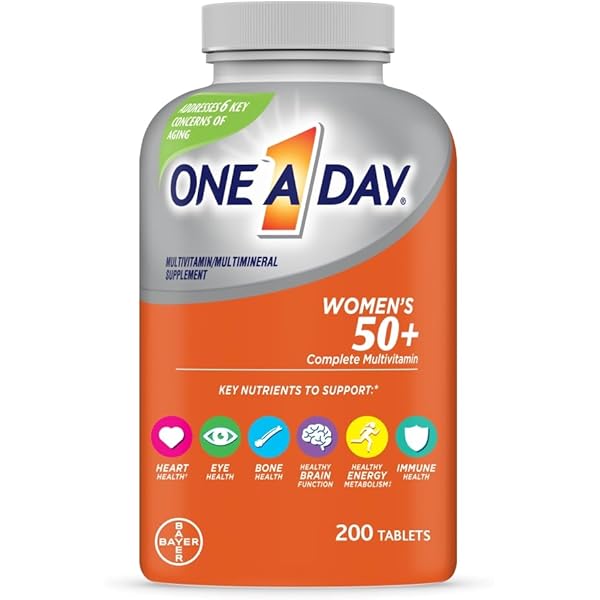
Credit: www.amazon.com
Frequently Asked Questions
Can Women Safely Take Men’s One A Day Vitamins?
Women can take men’s One a Day vitamins, but it’s not ideal. Men’s formulas contain higher doses of some nutrients that women may not need. Women should choose vitamins specifically designed for their nutritional needs for best results.
What Are The Differences In Men’s And Women’s Vitamins?
Men’s vitamins often have more zinc, magnesium, and vitamin E. Women’s vitamins typically have more iron, calcium, and folic acid. These differences support gender-specific health needs like bone strength for women and muscle health for men.
Will Men’s Vitamins Meet Women’s Nutritional Needs?
Men’s vitamins may not fully meet women’s needs, especially for iron and calcium. Women require more iron during menstruation and more calcium for bone health. Using women’s vitamins ensures better nutrient balance tailored to their health.
Are There Any Risks In Women Taking Men’s Vitamins?
There is little risk in occasional use, but long-term use of men’s vitamins may cause nutrient imbalances. Excess zinc or vitamin E can affect women’s health. It’s safer to use gender-specific vitamins for daily supplementation.
Conclusion
Men’s One a Day vitamins contain nutrients tailored for men’s needs. Women can take them, but their vitamin needs may differ. Women’s formulas often have more iron and calcium. Taking men’s vitamins won’t harm most women but may lack some key nutrients.
It’s best to choose vitamins designed for your body. Always check with a healthcare provider before starting any supplement. Healthy eating and balanced nutrition remain important. Vitamins support your health but cannot replace a good diet. Choose wisely and take care of your body every day.


