
Have you ever wondered if there’s a natural way to fight infections without relying on antibiotics? You’re not alone.
Antibiotics can sometimes cause unwanted side effects and lead to resistance, making them less effective over time. That’s where probiotics come in. These friendly bacteria might just be the alternative your body needs to stay healthy and balanced. Keep reading to discover how probiotics work and why they could be a smarter choice for your well-being.
Rise Of Antibiotic Resistance
Antibiotic resistance happens when bacteria change and stop antibiotics from working. This makes infections harder to treat.
Many bacteria now survive even strong antibiotics. This problem is growing worldwide.
Limits Of Traditional Antibiotics
Traditional antibiotics kill bacteria but also harm good bacteria in the body. This can cause side effects.
Overuse of antibiotics leads to resistant bacteria. These bacteria do not respond to common treatments.
- Antibiotics can disrupt gut health.
- They often target both harmful and helpful bacteria.
- Resistance makes some infections untreatable.
Impact On Global Health
Antibiotic resistance causes longer illnesses and more deaths worldwide. It increases healthcare costs too.
New treatments are needed to fight resistant bacteria. Probiotics offer a promising alternative.
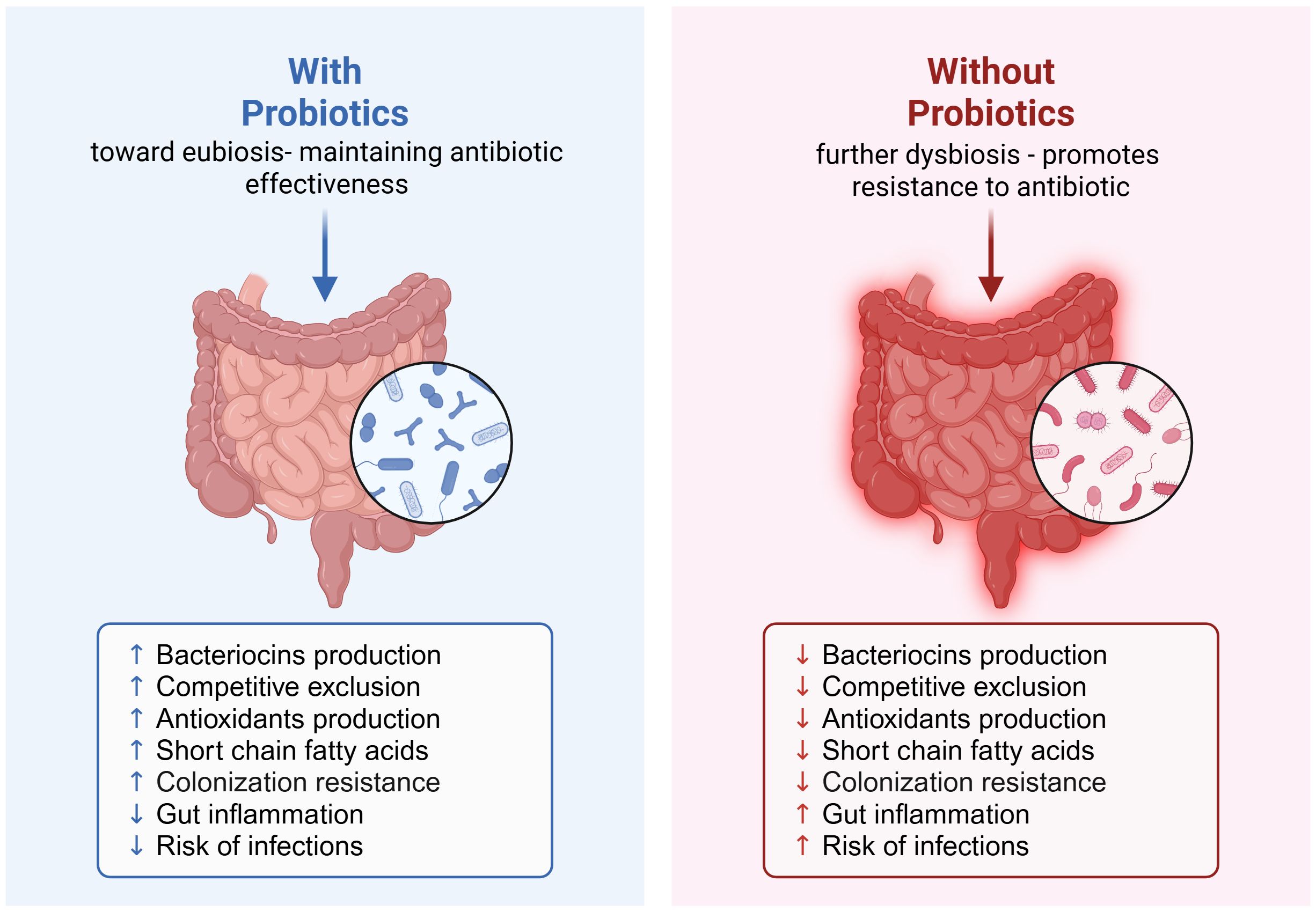
Credit: www.frontiersin.org
Basics Of Probiotics
Probiotics are live bacteria that help your body stay healthy. They support digestion and boost the immune system.
People use probiotics as an alternative to antibiotics. They can restore good bacteria without harming the body.
Types Of Beneficial Bacteria
Different types of good bacteria live in your gut. Each type has a special role in keeping you healthy.
- Lactobacillus:Helps break down food and fight bad bacteria.
- Bifidobacterium:Supports digestion and prevents infections.
- Saccharomyces boulardii:A helpful yeast that stops harmful microbes.
Sources Of Probiotics
You can find probiotics in many foods and supplements. Eating these helps add good bacteria to your body.
- Yogurt with live cultures
- Kefir, a fermented milk drink
- Sauerkraut and kimchi
- Tempeh and miso
- Probiotic supplements
How Probiotics Work
Probiotics are live bacteria that help keep our gut healthy. They support the body by improving digestion and fighting harmful germs.
Unlike antibiotics, probiotics do not kill bacteria. Instead, they help maintain a healthy balance of microbes in the gut.
Balancing Gut Microbiome
The gut microbiome is a community of good and bad bacteria living in the intestines. Probiotics add more good bacteria to this mix.
These good bacteria compete with harmful ones for space and nutrients. This stops bad bacteria from growing and causing illness.
- Probiotics increase good bacteria levels
- Good bacteria reduce harmful bacteria growth
- Balanced microbiome supports digestion and health
Enhancing Immune Response
Probiotics help the immune system by training it to fight infections better. They improve the body’s natural defenses.
These bacteria produce substances that can kill harmful microbes. They also help the body recognize threats faster.
- Stimulate immune cells to respond quickly
- Produce natural antimicrobial compounds
- Help reduce inflammation in the gut
Comparing Probiotics And Antibiotics
Probiotics and antibiotics both affect bacteria in the body. They work differently to keep us healthy.
Understanding how they work helps us choose the right option for infections and gut health.
Mechanisms Of Action
Antibiotics kill or stop the growth of harmful bacteria. They target bacteria causing infections.
Probiotics add good bacteria to the gut. They help balance the natural bacteria and support health.
- Antibiotics attack harmful bacteria directly.
- Probiotics restore and maintain good bacteria.
- Antibiotics can kill both good and bad bacteria.
- Probiotics support the body’s natural defenses.
Side Effects And Safety
Antibiotics can cause side effects like upset stomach and allergic reactions. They may also lead to antibiotic resistance.
Probiotics are usually safe for most people. They may cause mild digestion issues but rarely serious problems.
- Antibiotics can harm good bacteria and cause resistance.
- Probiotics support good bacteria and have fewer risks.
- Antibiotics need careful use to avoid side effects.
- Probiotics are generally safe as a natural option.
Health Benefits Of Probiotics
Probiotics are good bacteria that help keep your body healthy. They offer many benefits and can be an alternative to antibiotics.
Using probiotics supports natural healing and reduces the need for strong medicines that may cause side effects.
Digestive Health Improvements
Probiotics help balance the bacteria in your gut. This balance improves digestion and reduces problems like bloating and diarrhea.
They also help your body absorb nutrients better and keep your stomach healthy.
- Reduce stomach discomfort
- Help prevent diarrhea
- Improve nutrient absorption
- Support a healthy gut lining
Prevention Of Infections
Probiotics can stop harmful bacteria from growing. They compete with bad germs for space and nutrients in your body.
This helps reduce infections, especially in the digestive and urinary tracts. Probiotics support your immune system to fight illness.
- Block harmful bacteria growth
- Lower risk of urinary infections
- Support immune defenses
- Help maintain healthy skin and mucous membranes

Credit: www.researchgate.net
Current Research And Innovations
Probiotics are live bacteria that can help keep the gut healthy. Scientists study them as a possible alternative to antibiotics. Antibiotics kill harmful bacteria but also good bacteria. Probiotics may fight infections without this problem.
Research explores how probiotics work and their safety. Innovations focus on making probiotics more effective. This helps find new ways to treat infections and improve health.
Clinical Trials On Probiotics
Clinical trials test probiotics on patients to check their effects. Many trials study how probiotics help with infections and gut health. Some trials compare probiotics to antibiotics.
These trials show probiotics can reduce some infections. They also help restore good bacteria after antibiotic use. Researchers watch for side effects and how well probiotics work.
- Testing probiotics for treating diarrhea and gut infections
- Using probiotics to prevent antibiotic-related side effects
- Comparing probiotic treatment to antibiotic treatment
- Studying probiotics in immune system support
Future Therapeutic Uses
Scientists explore new ways to use probiotics in medicine. Probiotics could treat infections without harming good bacteria. They may also help reduce antibiotic resistance.
Future uses include personalized probiotic treatments. These match a person’s gut bacteria for better results. Researchers also study combining probiotics with other therapies.
- Personalized probiotics based on individual microbiomes
- Probiotics for skin, oral, and respiratory infections
- Combining probiotics with low-dose antibiotics
- Using probiotics to improve vaccine responses
Challenges And Considerations
Probiotics are seen as an alternative to antibiotics. They can help fight infections and support gut health. Still, there are some challenges to using probiotics instead of antibiotics.
Understanding these challenges helps us use probiotics safely and effectively. Two key issues are regulation and how people respond differently to probiotics.
Regulation And Quality Control
Probiotics are not regulated as strictly as antibiotics. This can lead to differences in product quality. Some probiotics may not contain the strains they claim.
Quality control is important to ensure safety and effectiveness. Without clear rules, some products may have harmful bacteria or not work well.
- Probiotics often lack standardized testing
- Label claims may not always be accurate
- Storage conditions affect probiotic survival
- Regulations vary between countries
Individual Responses
People react differently to probiotics. Some get good results, while others see little change. This depends on personal gut bacteria and health status.
Factors like diet, age, and illness affect how probiotics work. This makes it hard to predict who will benefit most from probiotics.
- Gut microbiomes vary from person to person
- Probiotics may help some but not all infections
- Some individuals may experience side effects
- Personal health conditions influence effectiveness

Credit: www.tandfonline.com
Integrating Probiotics Into Healthcare
Probiotics are good bacteria that help keep our bodies healthy. They can be used alongside medicines to support healing.
Doctors and patients are learning how probiotics can be a safe option. They may reduce the need for some antibiotics.
Complementing Conventional Treatments
Probiotics work well with regular treatments. They help keep the gut healthy during antibiotic use.
Using probiotics can lower side effects like diarrhea from antibiotics. This helps patients recover faster.
- Maintain good bacteria balance in the body
- Reduce antibiotic-related stomach problems
- Support immune system during illness
Guidelines For Use
Use probiotics at the right time for the best results. Take them during or after antibiotic treatment.
Choose probiotic products with proven strains. Follow the instructions on dose and duration carefully.
- Start probiotics with or after antibiotics
- Pick products with clear, tested ingredients
- Consult a healthcare provider before starting
- Continue use as recommended to restore balance
Frequently Asked Questions
What Are Probiotics And How Do They Work?
Probiotics are live beneficial bacteria that support gut health. They balance harmful bacteria, boost immunity, and enhance digestion naturally.
Why Consider Probiotics Instead Of Antibiotics?
Probiotics restore healthy bacteria without killing all microbes. Unlike antibiotics, they reduce antibiotic resistance and avoid harmful side effects.
Can Probiotics Treat Bacterial Infections Effectively?
Probiotics help prevent infections by strengthening gut flora. However, they may not replace antibiotics for severe bacterial infections.
How Do Probiotics Support Immune System Function?
Probiotics stimulate immune cells, enhancing the body’s defense. They reduce inflammation and improve the gut barrier against pathogens.
Conclusion
Probiotics offer a natural way to support your health. They help balance good bacteria in your body. Unlike antibiotics, they do not kill all bacteria. This means fewer side effects and less resistance. Using probiotics can protect your digestive system and boost immunity.
They work gently and support long-term health. Choosing probiotics as an alternative makes sense. Small changes can lead to better wellness. Consider adding probiotics to your routine today.


