
You might think every yogurt you buy is packed with probiotics, those good bacteria that help your gut stay healthy. But is that really true?
Not all yogurts are created equal when it comes to probiotics. If you want to know which yogurts can actually boost your digestion and which ones might just be sweet treats, keep reading. By the end, you’ll be able to choose the best yogurt for your health with confidence.
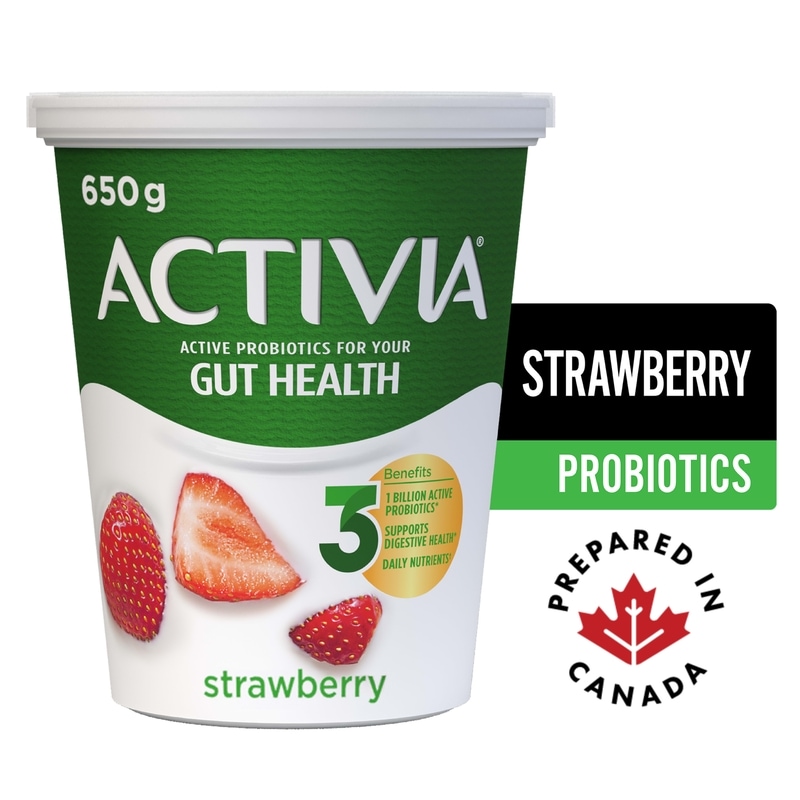
Credit: www.yourindependentgrocer.ca
What Are Probiotics?
Probiotics are live bacteria that help keep your gut healthy. They support digestion and improve your immune system.
These good bacteria balance the harmful bacteria in your intestines. Eating foods with probiotics can improve your overall health.
Types Of Probiotic Bacteria
There are many types of probiotic bacteria. The most common ones are Lactobacillus and Bifidobacterium.
Each type helps in different ways. Some help digest lactose, while others support your immune defenses.
- Lactobacillus: Often found in yogurt and fermented foods
- Bifidobacterium: Helps with digestion and fights harmful bacteria
- Other strains: May support different parts of your body
How Probiotics Work In The Body
Probiotics enter your gut through food or supplements. They attach to your intestinal walls and multiply.
These bacteria create a healthy environment in your gut. They stop bad bacteria from growing and help your body absorb nutrients.
Sources Of Probiotics
Probiotics are found in many fermented foods. Yogurt is a popular source, but not all yogurts have probiotics.
Other foods with probiotics include kefir, sauerkraut, kimchi, and miso. You can also take probiotic supplements.
- Yogurt with live and active cultures
- Kefir, a fermented milk drink
- Fermented vegetables like sauerkraut and kimchi
- Miso, a fermented soybean paste
- Probiotic dietary supplements
Yogurt And Its Ingredients
Yogurt is a popular dairy product made by fermenting milk with bacteria. It often contains live cultures that help with digestion.
Not all yogurts have the same ingredients or benefits. Some yogurts contain probiotics, while others do not.
Milk And Milk Solids
Milk is the main ingredient in yogurt. It can come from cows, goats, or other animals.
Milk solids are the parts of milk without water. They help yogurt have a thick and creamy texture.
Live And Active Cultures
Live cultures are good bacteria added to yogurt to start fermentation. They turn milk into yogurt.
Some live cultures are probiotics. Probiotics are healthy bacteria that may improve gut health.
- Lactobacillus bulgaricus
- Streptococcus thermophilus
- Lactobacillus acidophilus (probiotic)
- Bifidobacterium bifidum (probiotic)
Added Sugars And Flavors
Many yogurts have added sugars to improve taste. These sugars do not affect probiotic content.
Flavors like fruit or vanilla are often added. They can be natural or artificial but do not contain probiotics.
Types Of Yogurt Without Probiotics
Not all yogurts have probiotics. Some are heat-treated after fermentation, which kills the bacteria.
Greek yogurt and flavored yogurts sometimes lose probiotics during processing. Check labels to be sure.
- Pasteurized yogurt
- Heat-treated flavored yogurt
- Some non-dairy yogurts
Which Yogurts Contain Probiotics?
Not all yogurts have probiotics inside them. Probiotics are good bacteria that help your gut health. Some yogurts have these live bacteria, but others do not.
It is important to know which yogurts contain probiotics. This helps you choose the right yogurt for better digestion.
Live And Active Cultures Label
Look for the “Live and Active Cultures” label on yogurt packages. This label means the yogurt has live bacteria that are good for you.
Yogurts without this label might not have probiotics. Some yogurts are heat-treated after fermentation, which kills these good bacteria.
- Check the label for live cultures
- Choose yogurts that say “contains probiotics”
- Avoid yogurts with no mention of live bacteria
Types Of Probiotic Strains In Yogurt
Different yogurts have different probiotic strains. Each strain has its own health benefits and effects on digestion.
Common probiotic strains in yogurt include:
- Lactobacillus bulgaricus:Helps break down lactose and improve digestion.
- Streptococcus thermophilus:Aids in digestion and supports immune health.
- Lactobacillus acidophilus:Supports gut health and may reduce diarrhea.
- Bifidobacterium bifidum:Helps balance gut bacteria and improve digestion.
Yogurts Without Probiotics
Not all yogurts have probiotics. Some types lose live bacteria during processing.
Probiotics are good bacteria that help digestion. Some yogurts may not contain them.
Heat-treated Or Pasteurized Yogurts
Heat-treated yogurts go through extra heating after fermentation. This kills live bacteria.
Pasteurization makes the yogurt safe but removes probiotics. These yogurts do not have live cultures.
- Heated to high temperatures after making
- Extends shelf life but kills probiotics
- Safe for people sensitive to live bacteria
Flavored And Shelf-stable Varieties
Flavored yogurts often contain added sugars and preservatives. These can reduce probiotic levels.
Shelf-stable yogurts do not need refrigeration. They are heat-treated to last longer, so they lack live probiotics.
- Flavored yogurts may have fewer live bacteria
- Shelf-stable types are heat-treated
- Long shelf life but no probiotics
Health Benefits Of Probiotic Yogurt
Yogurt is a popular dairy product that many people enjoy. Some yogurts contain probiotics, which are good bacteria that help the body.
Not all yogurts have probiotics. This depends on the way the yogurt is made and what is added during production.
Improves Digestive Health
Probiotics in yogurt help balance the good bacteria in the gut. This can reduce problems like bloating and constipation.
Eating probiotic yogurt regularly supports healthy digestion and may reduce symptoms of some digestive disorders.
Boosts Immune System
Probiotic yogurt can help improve the body’s immune response. Good bacteria may protect against infections by harmful germs.
Regular intake of probiotic yogurt may lead to fewer colds and faster recovery from illnesses.
Supports Mental Health
Some studies show that probiotics affect the brain through the gut-brain connection. This may help reduce stress and anxiety.
Eating probiotic yogurt might improve mood and support better mental well-being.
Helps Maintain Healthy Weight
Probiotic yogurt may help control weight by improving metabolism and reducing fat storage. It helps the body use energy better.
Including probiotic yogurt in a balanced diet can support weight management efforts.
Reduces Risk Of Some Allergies
Probiotics in yogurt may help reduce allergy symptoms. They can balance the immune system to respond less to allergens.
Children and adults who eat probiotic yogurt might have fewer allergy problems.
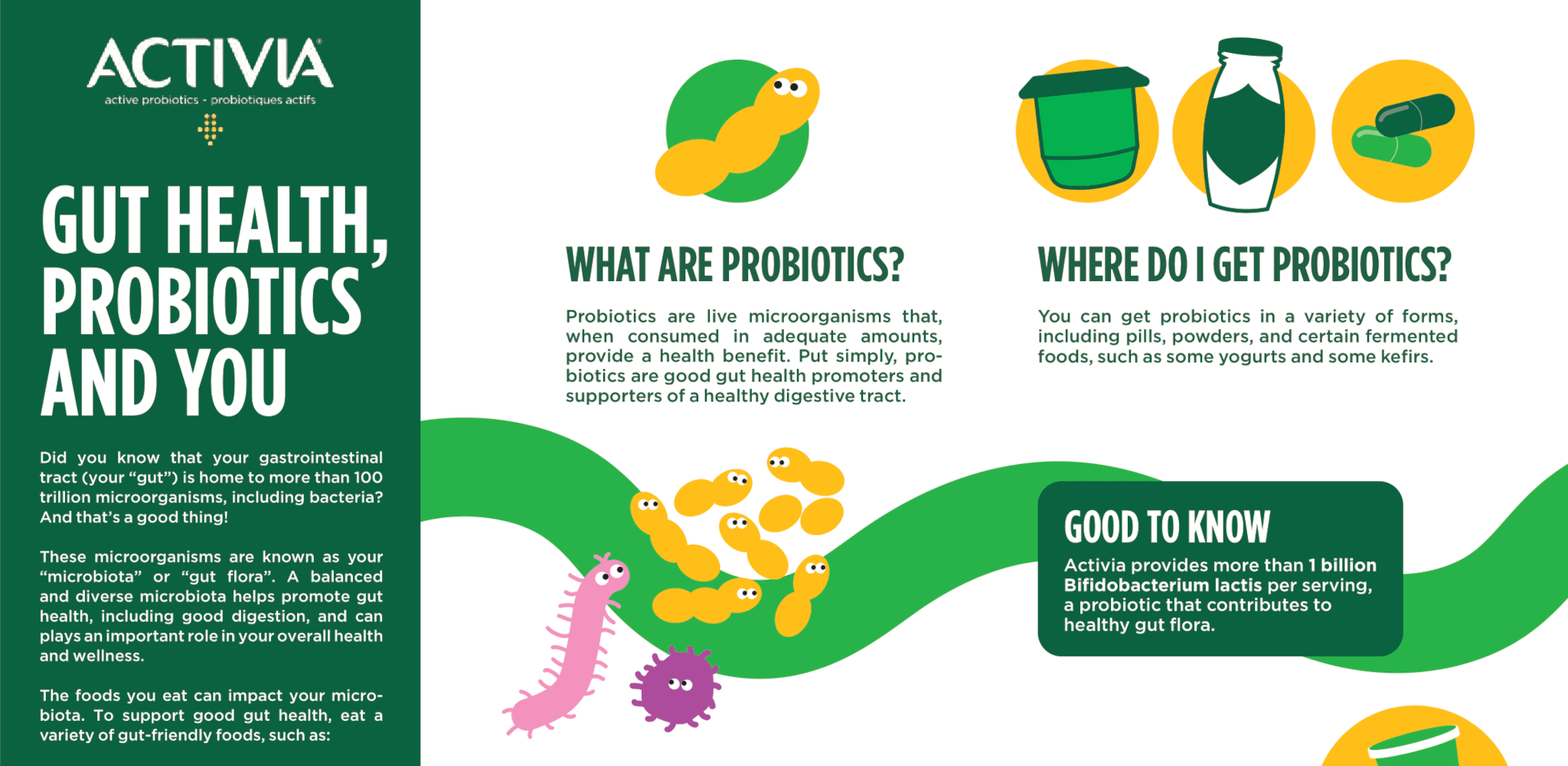
Credit: www.activia.ca
How To Choose Yogurt With Probiotics
Not all yogurts contain probiotics. Probiotics are good bacteria that help your gut health. Choosing yogurt with probiotics means looking for specific signs on the label.
Some yogurts have live and active cultures, but others do not. You need to know what to look for to get the benefits of probiotics.
Reading Labels
Check the yogurt label for words like “live and active cultures.” This means the yogurt has probiotics. Some labels list the specific probiotic strains.
Look for strains like Lactobacillus acidophilus and Bifidobacterium. These are common probiotics in yogurt. Avoid yogurts that do not mention live cultures.
- Look for “live and active cultures” on the label
- Check for names of probiotic strains
- Avoid yogurts without probiotic information
Recommended Brands And Varieties
Some yogurt brands are known for adding probiotics. Choose plain or Greek yogurt for higher probiotic content. Flavored yogurts may have added sugar but still contain probiotics.
Look for varieties labeled with specific probiotics or health benefits. Organic options often have live cultures too. Try different brands to find one you like.
- Greek yogurt and plain yogurt usually have more probiotics
- Brands that list probiotic strains are good choices
- Organic yogurts often contain live cultures
- Flavored yogurts can have probiotics but check sugar levels
Alternatives To Probiotic Yogurt
Not all yogurts contain probiotics. Some yogurts lose these good bacteria during processing. You can find other foods with probiotics or similar benefits.
These alternatives can help improve your gut health without relying on probiotic yogurt. They offer different tastes and textures for variety.
Kefir
Kefir is a fermented milk drink like thin yogurt. It contains many types of probiotics and is easy to digest.
You can drink kefir plain or flavored. It is a good choice for people who want more probiotics than yogurt.
Sauerkraut
Sauerkraut is fermented cabbage. It has live bacteria that act like probiotics in your gut.
This food also provides fiber and vitamins. Eat it as a side dish or add it to sandwiches for flavor.
Kimchi
Kimchi is a spicy Korean fermented vegetable mix. It contains good bacteria that support digestion.
Kimchi is rich in vitamins and antioxidants. It adds a zesty taste to meals.
Miso
Miso is a fermented soybean paste used in soups and sauces. It contains probiotics that help balance gut bacteria.
Use miso in cooking for a salty and savory flavor. It is a good alternative for those avoiding dairy.
Tempeh
Tempeh is a fermented soybean cake. It has probiotics and is high in protein and fiber.
Tempeh can be cooked like meat. It works well in stir-fries and sandwiches.
Kombucha
Kombucha is a fermented tea drink with live bacteria and yeast. It tastes sweet and tangy.
Drink kombucha cold for a refreshing probiotic boost. It is a popular non-dairy option.

Credit: www.cozymeal.com
Frequently Asked Questions
Do All Yogurts Contain Probiotics Naturally?
Not all yogurts contain probiotics naturally. Some yogurts are pasteurized after fermentation, killing beneficial bacteria. Look for labels mentioning “live and active cultures” to ensure probiotics are present.
How Can I Identify Probiotic Yogurt?
Check the packaging for phrases like “contains live cultures” or specific strains such as Lactobacillus acidophilus. These indicate the yogurt contains probiotics beneficial for gut health.
Are Greek Yogurts Rich In Probiotics?
Many Greek yogurts contain probiotics, but not all. Always check the label for live cultures to confirm probiotic content. Greek yogurt’s straining process does not remove probiotics.
Can Flavored Yogurts Have Probiotics Too?
Flavored yogurts can have probiotics, but some added sugars may reduce health benefits. Choose flavored yogurts labeled with live cultures for probiotic benefits.
Conclusion
Not all yogurts contain probiotics. Some yogurts lose good bacteria during processing. Check labels for live and active cultures. Choosing yogurt with probiotics supports digestion and gut health. Eating different probiotic-rich foods can also help. Remember, plain yogurt often has more probiotics than flavored types.
Eating yogurt daily can be a simple, healthy habit. Keep your gut happy with the right yogurt choice.


