

Are you really getting all the nutrients your body needs every day? With busy schedules and changing diets, it’s easy to miss out on important vitamins and minerals.
You might be wondering if taking a multivitamin is the simple fix to keep your health on track. But does your body actually need that extra boost? Keep reading to discover the truth about multivitamins and whether they are right for you.
This could change the way you think about your daily health routine.
Credit: draxe.com
Benefits Of Multivitamins
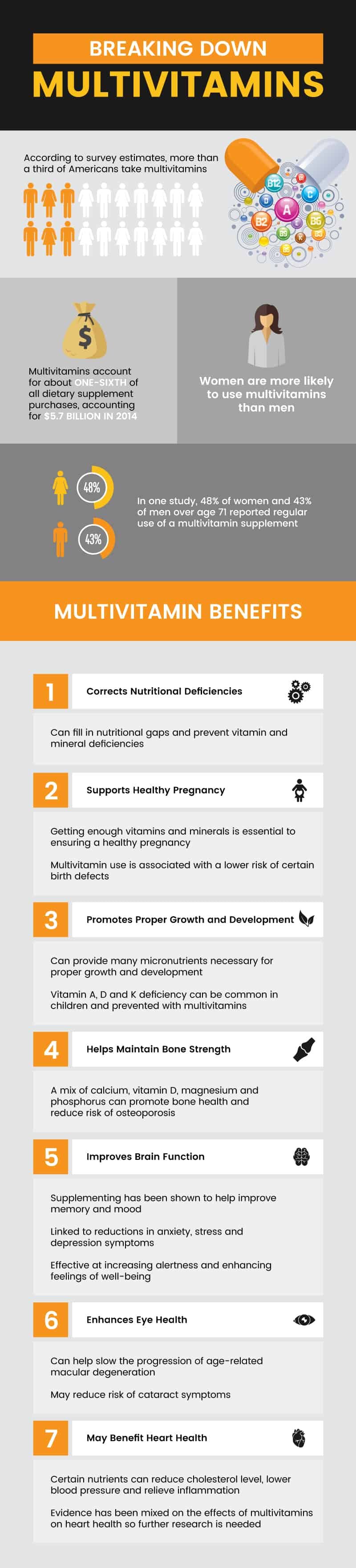
Multivitamins are dietary supplements that contain many vitamins and minerals. They help fill nutrition gaps in your diet.
Taking multivitamins can support your overall health and wellbeing in several ways.
Boosting Nutrient Intake
Multivitamins provide essential vitamins and minerals that you might not get enough of from food. This helps keep your body strong and healthy.
They can be especially useful if you have a limited diet or certain health conditions.
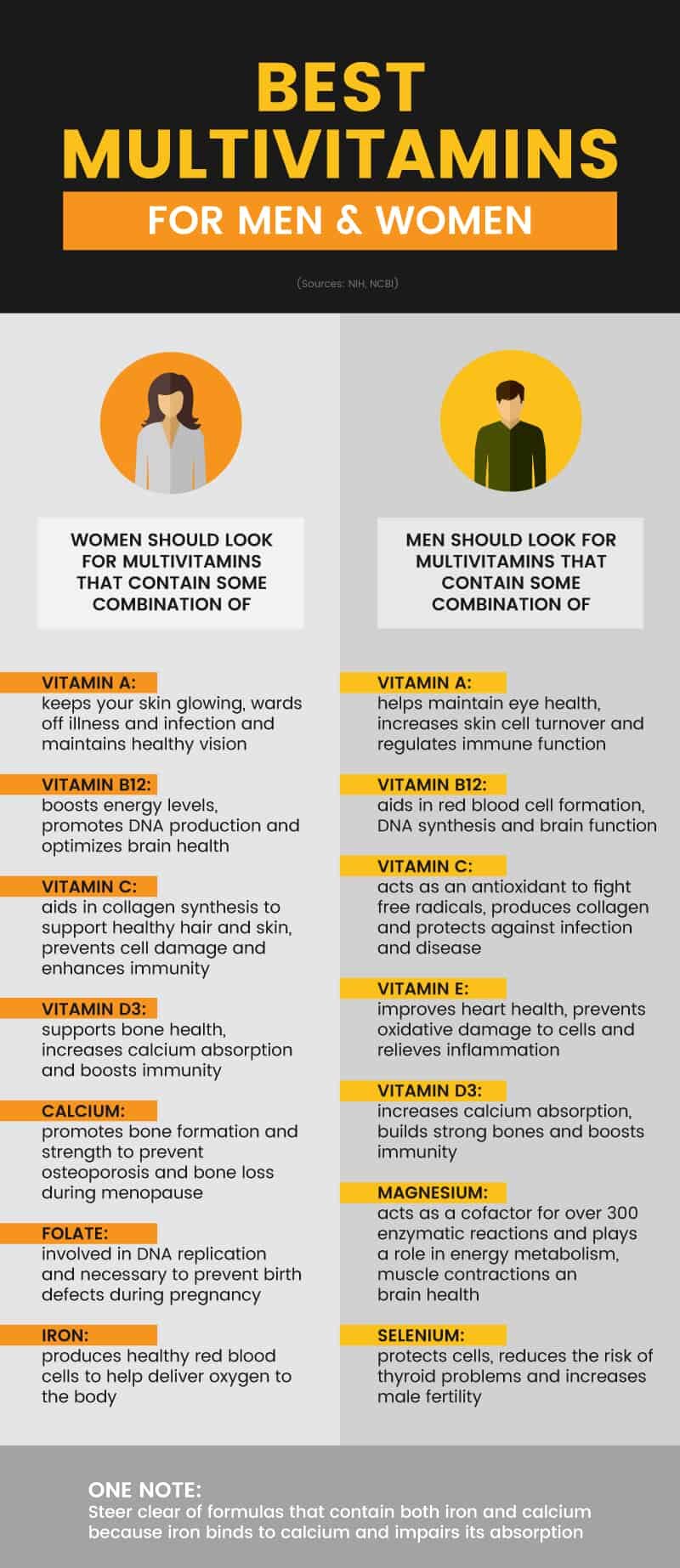
- Vitamins A, C, D, and E
- Minerals like iron, calcium, and zinc
- B vitamins for metabolism support
Supporting Immune Health
Multivitamins help keep your immune system working well. Vitamins like C and D play a key role in fighting infections.
Minerals like zinc also help your body heal and defend against viruses and bacteria.
- Vitamin C boosts white blood cell function
- Vitamin D helps regulate immune response
- Zinc supports wound healing and immunity
Improving Energy Levels
B vitamins in multivitamins help convert food into energy. They support your body’s ability to stay active and alert.
Iron also plays a role by helping carry oxygen in your blood. This can reduce tiredness and fatigue.
- Vitamin B12 supports red blood cell production
- Iron helps oxygen reach your muscles and brain
- B vitamins aid metabolism of carbohydrates and fats
Credit: draxe.com
Who Might Need Multivitamins
Multivitamins can help fill nutrition gaps. Some people may not get enough vitamins from food alone.
Knowing who might benefit from multivitamins helps keep the body healthy and strong.
People With Dietary Restrictions
People who avoid certain foods might miss important nutrients. For example, vegetarians may lack vitamin B12.
Allergies or medical diets can also limit nutrient intake. Multivitamins can support these special diets.
- Vegetarians and vegans may need B12 and iron
- People with lactose intolerance may miss calcium
- Those avoiding gluten might lack some B vitamins
- Individuals on low-calorie diets may miss several nutrients
Older Adults
As people age, their bodies absorb fewer nutrients. Older adults often need more vitamins like D and B12.
Changes in appetite and digestion can reduce nutrient intake. Multivitamins help fill these gaps to support health.
- Vitamin D helps keep bones strong
- Vitamin B12 supports brain and nerve health
- Calcium helps prevent bone loss
- Multivitamins can improve energy levels
Pregnant And Breastfeeding Women
Pregnant and breastfeeding women need extra nutrients for their baby’s growth. Folic acid is especially important.
Multivitamins can provide iron, calcium, and other vitamins to support mother and child health during this time.
- Folic acid helps prevent birth defects
- Iron supports increased blood volume
- Calcium helps build baby’s bones
- Vitamin D aids calcium absorption
Risks Of Overuse
Taking too many multivitamins can cause health problems. Not all vitamins are safe in large amounts.
It is important to know the risks before taking multivitamins every day.
Potential Toxicity
Some vitamins and minerals can be harmful if taken in high doses. Fat-soluble vitamins like A, D, E, and K can build up in the body.
Too much of these vitamins may cause nausea, headaches, or serious health issues.
- Vitamin A overdose can harm the liver
- High vitamin D can raise calcium levels dangerously
- Excess iron may damage organs
Interactions With Medications
Multivitamins can affect how medicines work. Some vitamins change the way your body absorbs or breaks down drugs.
This can make medicines less effective or increase side effects.
- Vitamin K can reduce blood thinner effects
- High doses of vitamin E may increase bleeding risk
- Calcium can block absorption of some antibiotics
False Sense Of Security
Relying on multivitamins may lead to ignoring healthy habits. People might eat poor diets thinking vitamins fix all problems.
Vitamins cannot replace fruits, vegetables, and exercise for good health.
- Skipping balanced meals can cause nutrient gaps
- Ignoring exercise reduces overall wellness
- Overusing vitamins may delay medical care
Choosing The Right Multivitamin
Taking a multivitamin can help fill gaps in your diet. But not all multivitamins are the same.
It is important to choose the right one for your needs. Look closely at the ingredients, dosage, and brand quality.
Checking Ingredients
Check the list of vitamins and minerals in the multivitamin. Make sure it matches what your body needs.
Avoid supplements with too many extras like herbs or fillers you do not need. Focus on key nutrients.
- Look for vitamins A, C, D, and E
- Include minerals like zinc, calcium, and magnesium
- Avoid unnecessary additives or artificial colors
Considering Dosage
Dosage is how much of each nutrient is in the pill. Too little may not help, too much can harm you.
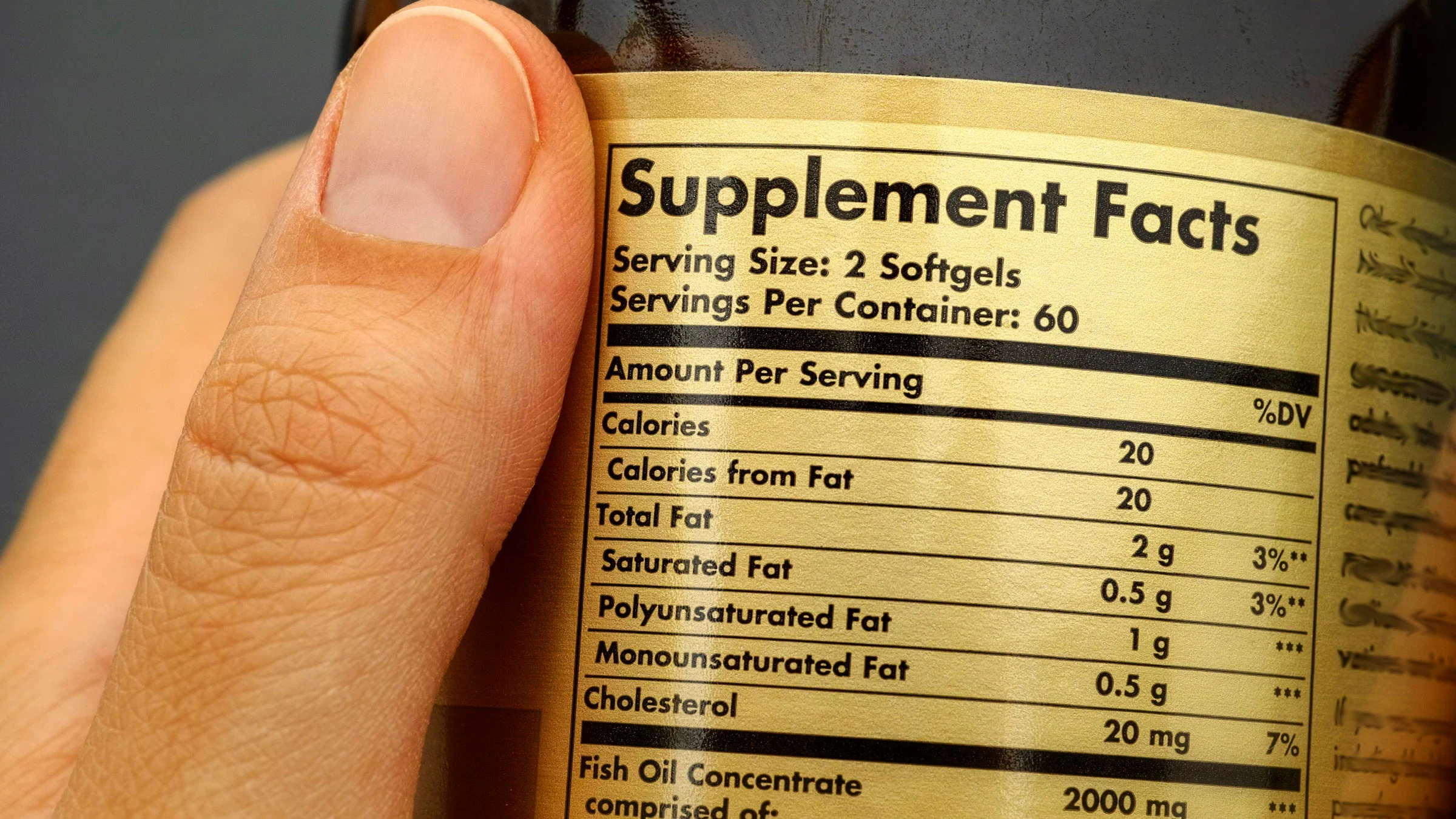
Check the daily value (DV) percentages on the label. Most vitamins should be close to 100% DV.
- Do not exceed 100% DV for fat-soluble vitamins
- Water-soluble vitamins can be taken in higher doses
- Follow your doctor’s advice for special needs
Quality And Brand Reliability
Choose brands that test their products for quality and safety. Look for third-party certifications.
Reliable brands follow good manufacturing practices. This ensures the ingredients are pure and accurate.
- Look for seals from USP or NSF International
- Read customer reviews for product satisfaction
- Avoid very cheap or unknown brands
Alternatives To Multivitamins
Many people wonder if they really need to take multivitamins every day. Some prefer other ways to get their nutrients. These alternatives can help you stay healthy without a multivitamin pill.
This article looks at three good options: eating a balanced diet, using targeted nutrient supplements, and focusing on lifestyle factors.
Balanced Diet
A balanced diet gives your body most of the vitamins and minerals it needs. Fresh fruits, vegetables, whole grains, and proteins supply many nutrients naturally.
Eating different foods each day helps cover all nutrient bases. This can reduce the need for extra vitamin pills.
- Include colorful vegetables and fruits
- Choose whole grains over processed ones
- Eat lean meats, fish, or plant proteins
- Drink water and limit sugary drinks
Targeted Nutrient Supplements
Sometimes, you may need extra help with specific nutrients. Taking targeted supplements can fix a shortage without extra vitamins you do not need.
For example, people with low vitamin D or iron levels can take those supplements alone. This approach avoids the risk of taking too many vitamins at once.
- Vitamin D for bone health
- Iron for blood health
- Calcium for strong bones
- Omega-3 fatty acids for heart health
Lifestyle Factors
Your daily habits affect how well your body uses nutrients. Good lifestyle choices help you stay healthy and may lower the need for supplements.
Exercise, sleep, and stress control improve your overall health and nutrient absorption.
- Get at least 7-8 hours of sleep each night
- Exercise regularly, like walking or cycling
- Manage stress with relaxation or hobbies
- Avoid smoking and limit alcohol use
Credit: www.goodrx.com
Frequently Asked Questions
Do Most Adults Need To Take Multivitamins Daily?
Most adults get enough nutrients from food. Multivitamins help fill minor gaps but aren’t essential for everyone. Consult a doctor to decide if you need supplements.
Can Multivitamins Replace A Balanced Diet?
No, multivitamins cannot replace a balanced diet. They supplement nutrients but don’t provide fiber or antioxidants found in whole foods. Eating varied, healthy foods remains crucial.
Are Multivitamins Safe For Everyone To Use?
Multivitamins are generally safe but may cause side effects or interact with medications. People with health conditions should consult a healthcare professional before starting supplements.
How Do I Know If I Need A Multivitamin?
You might need a multivitamin if you have nutrient deficiencies, dietary restrictions, or increased nutritional needs. Blood tests and medical advice help determine your specific needs.
Conclusion
Taking a multivitamin can help fill small nutrient gaps. It does not replace healthy food or a balanced diet. Some people may benefit more than others. Talk to your doctor before starting any supplement. Remember, vitamins work best with good eating habits.
Choose quality products and follow recommended doses. Your health depends on many factors, not just pills. Stay informed and make choices that fit your needs.


