

Are you wondering if taking a multivitamin could actually help you shed those extra pounds? You’re not alone.
Many people hope that popping a simple pill will speed up their weight loss journey. But does it really work that way? Understanding the truth behind multivitamins and weight loss can save you time, money, and frustration. Keep reading to discover how multivitamins might fit into your plan—and what you should really focus on to reach your goals.
Credit: draxe.com
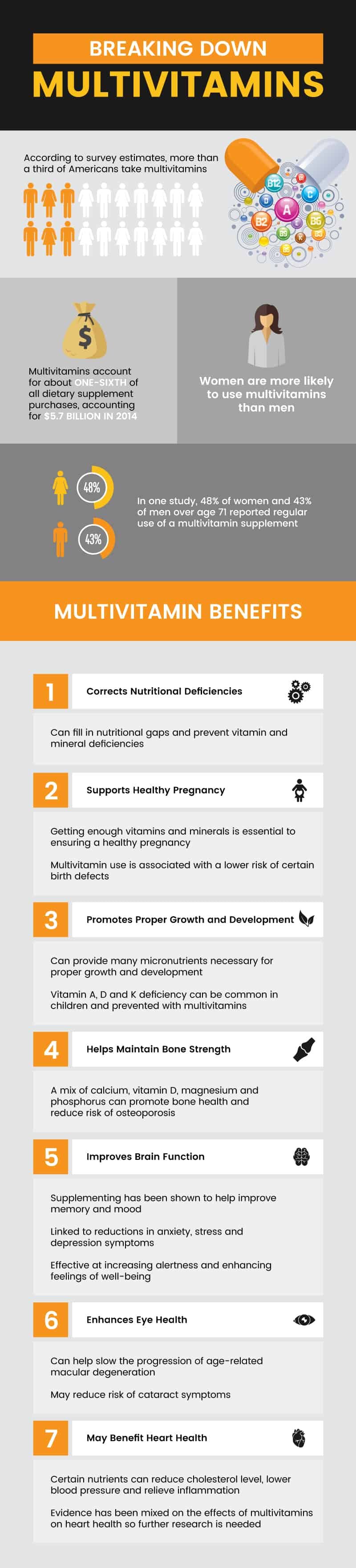
Multivitamins And Weight Loss Claims
Many people wonder if taking multivitamins can help them lose weight. Some brands say their products boost metabolism and burn fat. It is important to understand what these claims really mean.
Multivitamins provide nutrients that support overall health. They are not designed as weight loss pills. Still, some people hope they can help with shedding pounds.
Common Weight Loss Claims
Many multivitamin products claim to help with weight loss. Some say they increase energy, which might help people exercise more. Others claim to speed up metabolism to burn calories faster.
Some claims include reducing appetite or helping the body burn fat. These effects are often linked to certain vitamins or minerals inside the supplement.
- Boosts metabolism to burn more calories
- Suppresses appetite to reduce food intake
- Increases energy for more physical activity
- Supports fat burning processes
How Multivitamins Are Marketed
Multivitamins are often marketed as tools to improve health and help with weight loss. Advertisements highlight ingredients like vitamin B complex or green tea extract. These ingredients are linked to energy and metabolism in some studies.
Marketing uses simple messages to attract people who want easy weight loss solutions. Packages and ads may show fit models or use phrases about burning fat. This creates hope but can be misleading.
- Focus on metabolism-boosting vitamins
- Highlight natural extracts thought to aid fat loss
- Use images of fit and healthy people
- Include simple phrases about weight loss benefits
Role Of Vitamins In Metabolism
Vitamins are essential nutrients that help the body work well. They support many functions, including metabolism.
Metabolism is the process of turning food into energy. Vitamins help speed up or regulate this process.
Key Vitamins Affecting Metabolic Rate
Some vitamins play a big role in how fast your metabolism works. They help your body burn calories and use energy.
- Vitamin B1 (Thiamine) helps convert food into energy.
- Vitamin B2 (Riboflavin) supports energy production.
- Vitamin B3 (Niacin) helps break down carbohydrates and fats.
- Vitamin B6 (Pyridoxine) is needed for protein metabolism.
- Vitamin D affects how your body uses energy.
Impact On Energy Production
Vitamins help cells make energy from the food you eat. Without them, energy production slows down.
When energy production is efficient, your body can burn calories better. This may support weight management.
- Vitamins act as helpers for enzymes in energy-making processes.
- They support the breakdown of fats, carbs, and proteins.
- Good energy production keeps you active and boosts metabolism.
Scientific Evidence On Weight Loss
Many people wonder if multivitamins help with weight loss. Scientists have studied this question in different ways.
This section reviews studies that support or refute the idea that multivitamins aid weight loss.
Studies Supporting Weight Loss Effects
Some research suggests multivitamins may help with weight loss. These studies focus on vitamin deficiencies and metabolism.
When people lack certain vitamins, their energy use can drop. Fixing this with multivitamins might improve metabolism.
- A 2015 study found vitamin D helped reduce body fat in overweight adults.
- Vitamin B complex supports energy production, which can aid weight control.
- Multivitamins may reduce fatigue, helping people exercise more.
Research Refuting Weight Loss Benefits
Other studies show multivitamins do not cause weight loss. These results point to diet and exercise as key factors.
Multivitamins alone do not burn fat or reduce calories. Weight loss requires a calorie deficit and healthy habits.
- A 2018 review found no strong link between multivitamin use and weight loss.
- Some studies show multivitamins do not affect body mass index (BMI).
- Experts warn against expecting weight loss from vitamins without lifestyle changes.

Credit: www.fmchealth.care
Potential Risks Of Multivitamin Use
Many people take multivitamins to improve health and support weight loss. These supplements can help fill nutrient gaps.
Taking multivitamins without care may cause problems. It is important to know the risks involved with their use.
Overconsumption Concerns
Taking too many vitamins can harm your body. Some vitamins build up and cause toxicity if taken in large amounts.
Fat-soluble vitamins like A, D, E, and K stay in the body longer. Too much can lead to serious health issues.
- High vitamin A can cause nausea and dizziness
- Excess vitamin D may lead to calcium buildup
- Too much iron can damage organs
- Overuse of vitamin E might increase bleeding risk
Interactions With Medications
Multivitamins can change how medicines work in your body. Some vitamins may reduce or increase medicine effects.
Always tell your doctor if you take multivitamins with other drugs. This helps avoid dangerous interactions and side effects.
- Vitamin K can affect blood thinners like warfarin
- High doses of vitamin E may interfere with aspirin
- Calcium can reduce absorption of some antibiotics
- Iron may lower effectiveness of thyroid medications
Effective Weight Loss Strategies
Many people wonder if taking a multivitamin can help them lose weight. While multivitamins provide important nutrients, they do not directly cause weight loss. To lose weight, you need to focus on healthy habits that support your body and metabolism.
This article covers effective weight loss strategies. These include eating a balanced diet, exercising regularly, and making lifestyle changes that support your goals.
Balanced Diet And Exercise
A balanced diet helps your body get the nutrients it needs without extra calories. Eating whole foods like vegetables, fruits, lean proteins, and whole grains supports weight loss.
Exercise burns calories and builds muscle. Combining diet and exercise creates a calorie deficit, which is key for losing weight.
- Eat smaller portions of healthy foods
- Include protein in every meal
- Do at least 150 minutes of moderate exercise weekly
- Mix cardio and strength training
Behavioral And Lifestyle Changes
Changing daily habits can help you lose weight and keep it off. Focus on behaviors that improve your overall health and support your weight loss goals.
Good sleep, stress management, and mindful eating make a big difference. These changes help you avoid overeating and stay motivated.
- Get 7-9 hours of sleep each night
- Practice stress-relief activities like walking or meditation
- Eat slowly and pay attention to hunger signals
- Limit screen time and stay active during the day
Credit: www.bariatricfusion.com
When To Consider Multivitamins
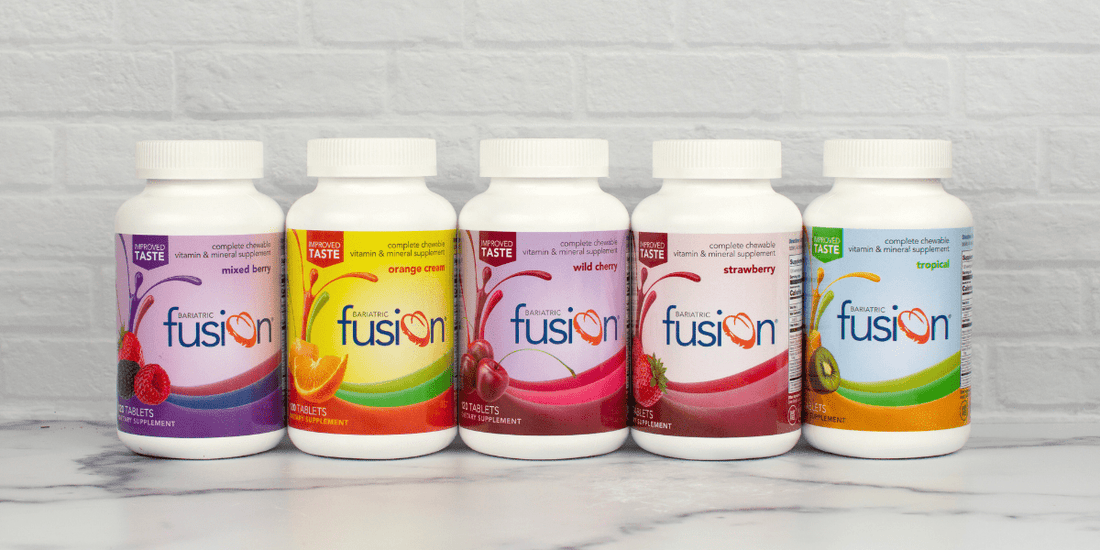
Multivitamins can support your health if you lack certain nutrients. They might help when your diet does not cover all vitamins and minerals.
People often wonder if multivitamins help with weight loss. It is important to know when taking them makes sense for your body.
Nutritional Deficiencies
Some people do not get enough vitamins from food. This can cause nutritional deficiencies that affect energy and health.
Multivitamins can fill gaps in your diet. They help if you miss important nutrients like vitamin D or iron.
- People with limited diets may lack key vitamins
- Vegetarians might need extra vitamin B12
- Older adults often need more vitamin D and calcium
- Those with health issues may have trouble absorbing nutrients
Consulting Healthcare Professionals
Ask a doctor before starting multivitamins. They can check if you need them based on your health.
Doctors may suggest blood tests to find nutrient deficiencies. They help decide the right vitamin type and dose for you.
- Doctors guide you on safe vitamin use
- They avoid harmful interactions with medicines
- They help create a balanced diet plan
- They monitor your progress over time
Frequently Asked Questions
Can Multivitamins Directly Cause Weight Loss?
No, multivitamins alone do not cause weight loss. They support overall health and fill nutrient gaps but don’t burn fat or reduce calories directly.
Do Multivitamins Boost Metabolism For Weight Loss?
Multivitamins may support metabolism by providing essential nutrients. However, they don’t significantly increase metabolic rate or cause noticeable weight loss on their own.
Should I Take Multivitamins For Weight Management?
Multivitamins can complement a healthy diet but aren’t a weight management solution. Balanced nutrition and exercise remain key for losing weight effectively.
Can Multivitamins Reduce Appetite Or Cravings?
Multivitamins do not directly reduce appetite or cravings. Proper nutrition can help regulate hunger, but supplements alone won’t control food intake.
Conclusion
Multivitamins alone do not cause weight loss. They support overall health and fill nutrient gaps. Eating balanced meals and staying active remain key. Weight loss needs a good diet and exercise plan. Vitamins can help your body work better. Still, they cannot replace healthy habits.
Focus on eating well and moving more each day. Talk to a doctor before starting any supplement. Small steps bring lasting results. Stay patient and consistent for best outcomes.


