
Have you ever felt tired, dizzy, or just “off” without knowing why? These could be signs that your body is low on electrolytes.
Electrolytes are tiny minerals in your body that keep everything running smoothly—from your muscles to your brain. But how do you know when you actually need them? If you want to avoid cramps, fatigue, or even serious health issues, understanding when and why your body needs electrolytes is crucial.
Keep reading, and you’ll discover simple ways to recognize the signs and stay at your best every day.
What Electrolytes Do
Electrolytes are minerals that carry an electric charge. They help the body work properly and keep you healthy.
They balance fluids, help muscles move, and keep your heart beating regularly. Without electrolytes, your body would not function well.
Role In Body Functions
Electrolytes control many important body processes. They help send signals in your nerves and muscles.
They keep the right amount of water inside and outside your cells. This balance is important for blood pressure and hydration.
- Support muscle contractions and movement
- Regulate nerve signals and brain function
- Maintain fluid balance in the body
- Control blood pressure and heart rate
Common Electrolytes
Some electrolytes are more common in the body. Each one has a special job to keep you healthy.
| Electrolyte | Function | Sources |
|---|---|---|
| Sodium | Controls fluid balance and nerve signals | Salt, processed foods |
| Potassium | Supports muscle function and heart health | Bananas, oranges, potatoes |
| Calcium | Builds bones and helps muscles contract | Milk, cheese, leafy greens |
| Magnesium | Helps muscles and nerves work well | Nuts, seeds, whole grains |
| Chloride | Maintains fluid balance and digestion | Salt, tomatoes, lettuce |
| Bicarbonate | Keeps body’s pH balanced | Produced in the body |

Credit: www.threads.com
Physical Signs Of Electrolyte Imbalance
Your body needs electrolytes to work well. They help muscles, nerves, and fluids stay balanced.
If you lose too many electrolytes, your body shows signs. Watch for these physical signals.
Muscle Cramps And Weakness
Electrolytes like potassium and calcium control muscle movements. Without enough, muscles may cramp or feel weak.
Muscle cramps can happen suddenly and cause pain. Weakness makes it hard to do daily activities.
- Sudden muscle tightness or spasms
- General muscle weakness
- Twitching or shaking muscles
Fatigue And Dizziness
Low electrolyte levels can make you feel very tired. Your body may not get enough energy to keep going.
Dizziness happens because electrolytes affect fluid balance. Without enough, your blood pressure can drop.
- Feeling very tired or weak
- Lightheaded or dizzy spells
- Difficulty concentrating
Irregular Heartbeat
Electrolytes help the heart keep a steady beat. Low or high levels can cause your heartbeat to change.
An irregular heartbeat can feel like fluttering or pounding. It may need medical attention if it lasts long.
- Heart racing or pounding
- Skipping beats or fluttering
- Feeling faint or short of breath
Symptoms Linked To Dehydration
Dehydration happens when your body loses more fluids than it takes in. Electrolytes help keep your body fluids balanced. Knowing the signs of dehydration can help you decide if you need electrolytes.
These symptoms show how your body reacts to low fluid and electrolyte levels. Watch for these signs to stay healthy and hydrated.
Dry Mouth And Thirst
Dry mouth is a common sign of dehydration. When your body lacks fluids, saliva decreases. This makes your mouth feel sticky or dry.
Thirst is your body’s way of telling you to drink more water. It often comes with dry mouth. Ignoring thirst can make dehydration worse.
Dark Urine
Urine color can show how hydrated you are. Dark yellow or amber urine means you need more fluids. Clear or light-colored urine shows good hydration.
Dark urine happens when your kidneys save water to keep your body working. This is a strong sign to drink fluids and electrolytes.
Headaches
Dehydration can cause headaches. Losing fluids and electrolytes affects your brain and blood flow. This can lead to pain and discomfort.
Drinking water and electrolyte drinks can help reduce headaches caused by dehydration. Don’t wait until the headache gets worse.

Credit: www.threads.com
When To Check Electrolyte Levels
Electrolytes are minerals that keep your body working well. They help your muscles, nerves, and fluids stay balanced.
Sometimes, your electrolyte levels can change. It is important to know when to check them to avoid problems.
After Intense Exercise
When you exercise hard, you lose electrolytes through sweat. This can cause cramps or weakness.
Check your electrolyte levels if you feel very tired, dizzy, or have muscle cramps after exercise.
- Heavy sweating during long workouts
- Feeling weak or confused after exercise
- Muscle cramps or spasms
During Illness
Illnesses like diarrhea, vomiting, or fever can cause you to lose electrolytes quickly.
Check your electrolyte levels if you have these symptoms or feel very tired and dizzy during sickness.
- Severe diarrhea or vomiting
- High fever with sweating
- Feeling weak or confused
With Certain Medications
Some medicines can change your electrolyte balance. These include diuretics and laxatives.
Check your electrolyte levels if you take these medicines for a long time or feel unusual symptoms.
- Taking diuretics for blood pressure
- Using laxatives regularly
- Feeling weak, dizzy, or having irregular heartbeat
Electrolyte Sources
Electrolytes are minerals that carry an electric charge. They help keep your body balanced and working well. You lose electrolytes when you sweat or feel sick.
Eating the right foods and drinking specific drinks can help you get enough electrolytes. Let’s look at some common sources.
Foods Rich In Electrolytes
Many everyday foods contain important electrolytes like potassium, sodium, calcium, and magnesium. These help your muscles and nerves work properly.
- Bananas – high in potassium
- Spinach – rich in magnesium and calcium
- Avocados – provide potassium and magnesium
- Yogurt – good source of calcium and potassium
- Oranges – contain potassium and small amounts of calcium
- Tomatoes – supply potassium and magnesium
- Milk – offers calcium and potassium
Eating a variety of these foods helps maintain electrolyte levels naturally. Fresh fruits and vegetables are excellent choices.
Electrolyte Drinks And Supplements
Electrolyte drinks and supplements can quickly replace lost minerals. They are useful after heavy exercise or illness.
- Sports drinks – contain sodium, potassium, and other minerals
- Coconut water – natural source of potassium and magnesium
- Electrolyte powders – mix with water for a mineral boost
- Electrolyte tablets – dissolve in water for quick intake
Choose drinks and supplements without too much sugar. They help restore balance faster than plain water.
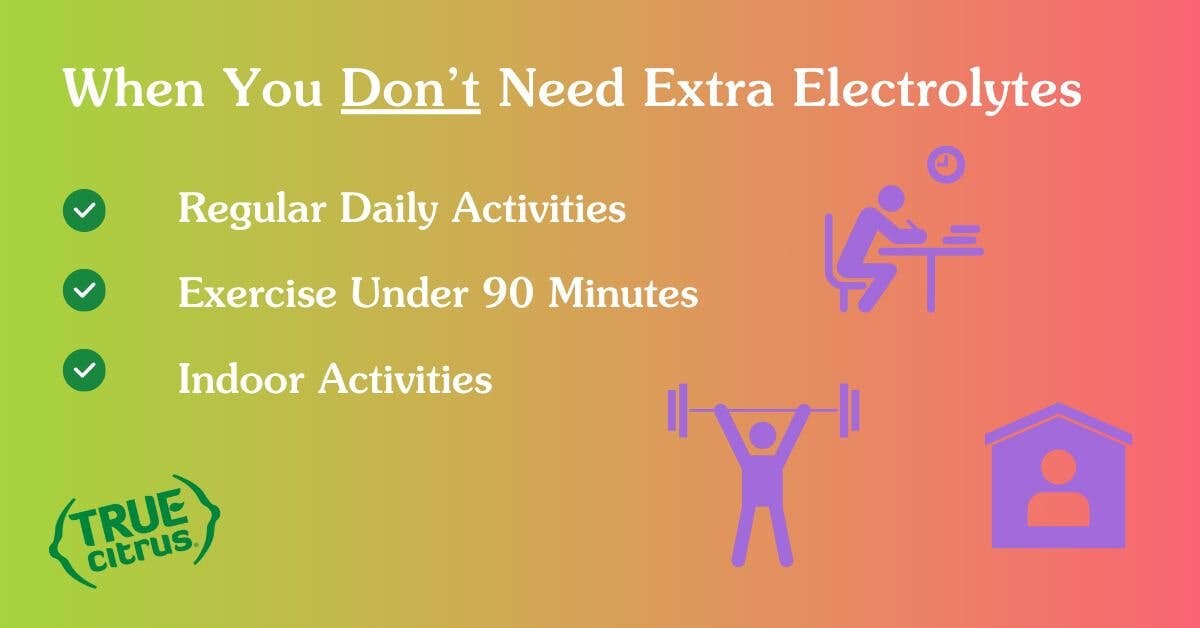
Credit: www.truecitrus.com
Preventing Electrolyte Imbalance
Electrolytes are minerals that help your body work well. They keep your nerves, muscles, and organs healthy.
You can get an imbalance if you lose too many electrolytes. It is important to prevent this for good health.
Hydration Tips
Drinking enough fluids helps keep electrolytes in balance. Water is good, but sometimes you need more.
Sports drinks or electrolyte solutions can help if you sweat a lot or are sick.
- Drink water regularly throughout the day
- Use electrolyte drinks after heavy exercise
- Avoid too much caffeine or alcohol
Balanced Diet
Eating foods rich in electrolytes helps maintain balance. Your body needs sodium, potassium, calcium, and magnesium.
Include a variety of fruits, vegetables, and dairy in your meals for good electrolyte levels.
- Bananas, oranges, and avocados for potassium
- Milk and yogurt for calcium
- Leafy greens for magnesium
- Salt in moderation for sodium
Monitoring Symptoms
Watch for signs of electrolyte imbalance. Early detection helps prevent serious problems.
Symptoms can include muscle cramps, tiredness, dizziness, or irregular heartbeat.
- Muscle weakness or spasms
- Fatigue or confusion
- Headaches or nausea
- Fast or slow heartbeat
Frequently Asked Questions
What Are The Common Signs You Need Electrolytes?
Common signs include muscle cramps, fatigue, dizziness, and irregular heartbeat. These symptoms indicate your body lacks essential minerals like sodium and potassium.
How Do Electrolyte Imbalances Affect Your Body?
Electrolyte imbalances disrupt nerve and muscle function. They can cause weakness, confusion, and dehydration, impacting overall health and performance.
When Should You Increase Electrolyte Intake?
Increase intake during intense exercise, hot weather, or illness causing vomiting or diarrhea. These situations lead to significant electrolyte loss.
Can Dehydration Signal Low Electrolyte Levels?
Yes, dehydration often reduces electrolyte concentration. Symptoms like dry mouth, headache, and dark urine suggest you need to replenish electrolytes.
Conclusion
Electrolytes keep your body balanced and working well. Signs like tiredness, cramps, or dizziness may mean you need them. Drinking water alone might not fix these problems. Eating salty foods or sweating a lot can also lower electrolyte levels. Staying aware of your body helps you know when to replenish.
Simple drinks or snacks can restore your electrolytes fast. Keep these tips in mind to stay healthy and active every day.


