
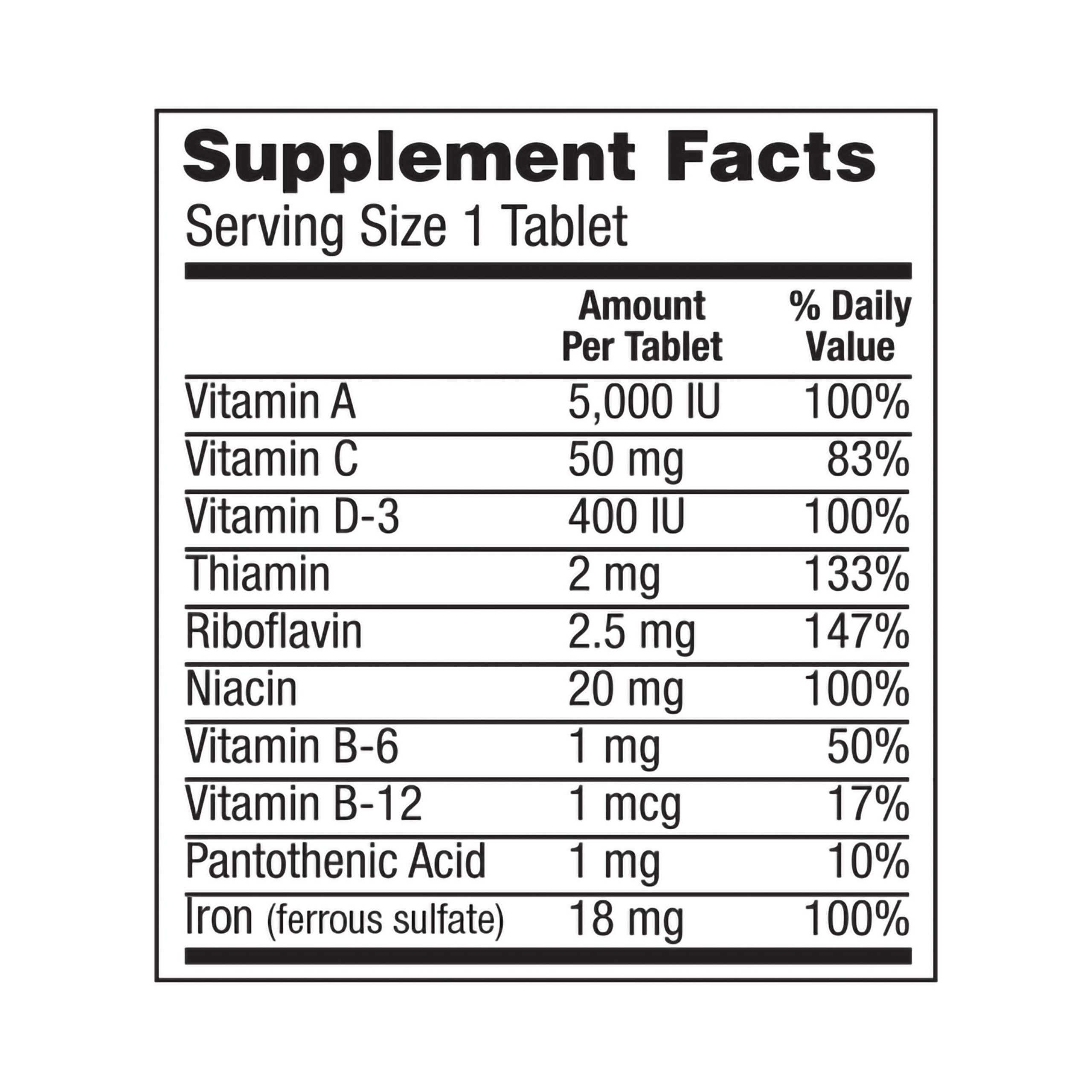
Are you wondering how much iron is really in your multivitamin? Iron is essential for your energy, focus, and overall health.
But too little or too much can make a big difference in how you feel every day. You’ll discover exactly how much iron is packed into your multivitamin and why that number matters for your body. Keep reading to make sure you’re getting the right amount to support your health without any risks.
Iron In Multivitamins
Iron is an important mineral found in many multivitamins. It helps your body make red blood cells.
Taking the right amount of iron is important for good health. Too little or too much can cause problems.
Common Iron Forms
Multivitamins include different types of iron. Each type is absorbed differently by the body.
Here are the most common forms of iron in multivitamins:
- Ferrous sulfate
- Ferrous gluconate
- Ferrous fumarate
- Iron bisglycinate
- Carbonyl iron
Ferrous sulfate is the most common and usually the cheapest form. Iron bisglycinate is easier on the stomach.
Typical Iron Amounts
Multivitamins contain different iron amounts. The right amount depends on age, gender, and health needs.
| Group | Typical Iron Amount |
|---|---|
| Adult Men | 8 mg |
| Adult Women (19-50 years) | 18 mg |
| Adult Women (51+ years) | 8 mg |
| Pregnant Women | 27 mg |
| Children (4-8 years) | 10 mg |
Too much iron may cause stomach upset or other health issues. Follow recommended doses on labels.
Daily Iron Needs
Iron is an important mineral that helps carry oxygen in the blood. Many people take multivitamins to get enough iron. The amount of iron you need every day can change based on your age and health.
Knowing how much iron is in your multivitamin can help you meet your daily needs safely. Taking too much or too little iron can cause problems.
Age And Gender Differences
Iron needs change as you grow and differ for males and females. Children, teens, and adults all have different amounts of iron they need.
Women usually need more iron than men, especially before menopause. This is because women lose iron during their monthly periods.
- Children aged 1-3 need about 7 mg of iron daily
- Boys and girls aged 4-8 need about 10 mg daily
- Teen boys need around 11 mg daily
- Teen girls need 15 mg daily because of menstruation
- Adult men need 8 mg daily
- Adult women need 18 mg daily before menopause
- Women over 50 need 8 mg daily
Special Conditions
Some health conditions and life stages increase iron needs. Pregnant women need more iron to support their baby’s growth.
People with anemia or blood loss may also need extra iron. Always talk to a doctor before changing your iron intake.
- Pregnant women need 27 mg of iron daily
- Breastfeeding women need 9-10 mg daily
- People with anemia may need more iron, based on doctor advice
- Those with heavy periods might require extra iron
Benefits Of Iron Supplementation
Iron is an important mineral found in many multivitamins. It helps keep your body healthy and working well.
Taking iron supplements can support many parts of your body, especially if you do not get enough iron from food.
Preventing Deficiency
Iron supplements help stop iron deficiency, which can cause tiredness and weakness. Many people do not get enough iron daily.
Multivitamins with iron provide extra iron to keep your levels normal and prevent health problems.
- Prevents anemia caused by low iron
- Supports healthy red blood cell production
- Helps keep your body strong and active
Supporting Energy And Immunity
Iron helps carry oxygen in the blood, which gives your body energy. Without enough iron, you may feel tired.
Iron also helps your immune system fight germs and keep you healthy.
- Boosts energy by improving oxygen flow
- Strengthens the body’s defense system
- Helps you stay active and well

Credit: procarenow.com
Risks Of Excess Iron
Iron is an important mineral found in many multivitamins. Taking too much iron can cause health problems. The body stores excess iron, which may lead to damage.
It is important to know the risks of iron overload. Too much iron can harm organs like the liver and heart.
Symptoms Of Overload
Iron overload can cause many symptoms. These signs might not appear right away but can worsen over time.
- Fatigue and weakness
- Joint pain and stiffness
- Abdominal pain or discomfort
- Unexplained weight loss
- Irregular heartbeat or palpitations
- Skin turning a bronze or gray color
- Frequent infections due to a weak immune system
Who Should Avoid Extra Iron
Some people should not take extra iron in multivitamins. They may already have enough or too much iron in their bodies.
People with certain health conditions must be careful with iron supplements.
- Those with hemochromatosis, a condition causing iron buildup
- People with anemia not caused by iron deficiency
- Individuals with liver disease
- Children without doctor advice, as excess iron can be toxic
- Anyone taking other iron supplements or iron-rich medications
Choosing The Right Multivitamin
Multivitamins often contain iron, but the amount can vary. Choosing the right one helps meet your body’s needs safely.
Too much or too little iron can affect your health. Learn how to find the right balance in your multivitamin.
Reading Labels
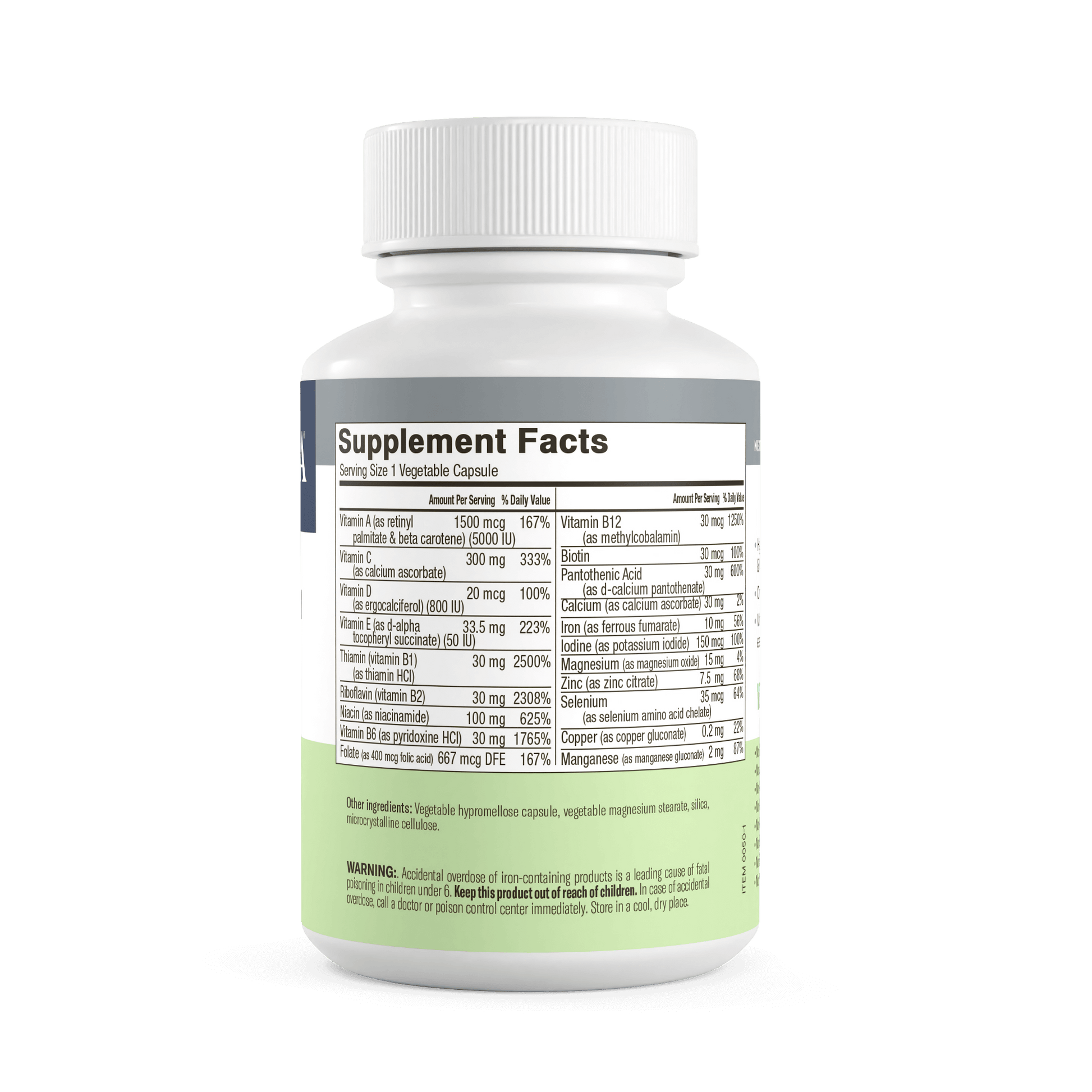
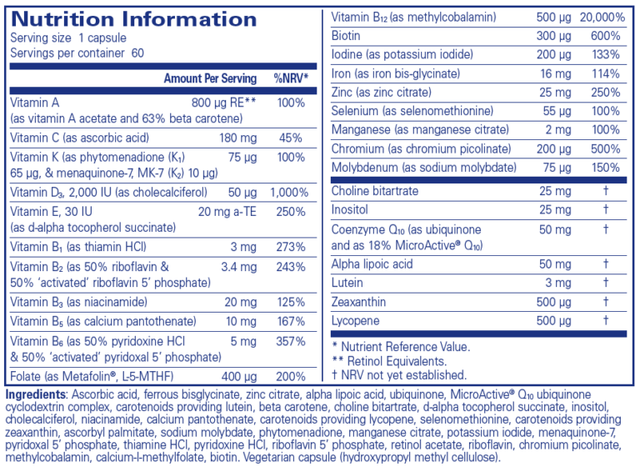
Check the label to see how much iron is in each serving. Iron is usually listed as a percentage of daily value (% DV).
Look for the exact amount in milligrams (mg). Adults often need about 18 mg daily, but this varies by age and gender.
- Iron amount in mg shows actual content
- % Daily Value helps compare products
- Some multivitamins have no iron
- Choose based on your personal iron needs
Consulting Healthcare Providers
Talk with your doctor or pharmacist before choosing a multivitamin. They know your health history and can advise on iron needs.
Too much iron can cause side effects, so professional advice helps avoid problems. Your provider can also recommend tests if needed.
- Share your diet and health information
- Ask about iron needs for your age and gender
- Discuss any symptoms like fatigue or weakness
- Follow their advice on supplements and doses
Credit: freedahealth.com
Iron Absorption Tips
Iron in multivitamins helps prevent anemia and supports healthy blood. Absorbing iron well is important for these benefits.
Some foods and habits can improve or reduce iron absorption. Learning these tips helps you get the most from your multivitamin.
Enhancers And Inhibitors
Certain substances boost iron absorption. Others block it and lower its benefits. Knowing both helps improve your iron levels.
- Enhancers:Vitamin C, meat, fish, and poultry help your body absorb more iron.
- Inhibitors:Calcium, tea, coffee, and some grains can reduce iron absorption.
Timing And Food Pairings
Take your multivitamin with foods that help iron absorption. Avoid foods and drinks that block iron at the same time.
- Take multivitamins with fruit juice or a vitamin C-rich snack.
- Do not take multivitamins with milk, tea, or coffee.
- Wait at least one hour after calcium-rich meals before taking iron.
- Meat, fish, or poultry eaten with iron helps your body absorb it better.
Credit: www.revital.co.uk
Frequently Asked Questions
How Much Iron Is Typically In A Multivitamin?
Most multivitamins contain 8 to 18 mg of iron. This amount meets the daily recommended intake for most adults, supporting healthy red blood cell production and preventing iron deficiency anemia.
Can Multivitamins Provide Enough Iron For Deficiency?
Multivitamins may help, but they often contain less iron than prescribed supplements. For iron deficiency, higher doses or specialized iron supplements are usually needed.
Who Should Avoid Iron In Multivitamins?
People with hemochromatosis or iron overload should avoid iron in multivitamins. Excess iron can cause health problems, so consult a doctor before taking iron supplements.
Does Iron In Multivitamins Cause Side Effects?
Iron can cause mild side effects like stomach upset, constipation, or nausea. Taking multivitamins with food often reduces these effects.
Conclusion
Multivitamins contain varying amounts of iron depending on the brand. Most provide enough iron to support daily needs without overloading the body. Check the label carefully to know the exact iron content. Taking the right dose helps avoid side effects like stomach upset.
Iron supports energy and helps prevent anemia. Balance your diet with iron-rich foods for best results. Always consult a healthcare provider before starting any supplement. Simple steps keep you healthy and informed about your iron intake.


