

Have you ever wondered why salts are called electrolytes? You might have heard this term in health talks, sports drinks, or even science class, but what does it really mean for your body?
Understanding this can help you see how your body stays balanced and energized every day. You’ll discover the simple science behind salts and electrolytes, and why they are so important for your health. Keep reading—you’ll find out how this knowledge can make a real difference in how you feel and perform.
Nature Of Salts
Salts are chemical compounds made from metals and non-metals. They form when acids react with bases.
Salts dissolve in water and conduct electricity. This is why salts are called electrolytes.
Composition And Structure
Salts consist of positive and negative ions. These ions arrange in a repeating pattern called a crystal lattice.
The structure makes salts solid and hard. Each ion is surrounded by ions of opposite charge.
- Positive ions are called cations
- Negative ions are called anions
- The ions form a stable 3D structure
Ionic Bonds In Salts
Ionic bonds hold the ions together in salts. These bonds form by the transfer of electrons.
The metal loses electrons to become a positive ion. The non-metal gains electrons to become a negative ion.
- Opposite charges attract each other
- This attraction forms strong ionic bonds
- Ionic bonds give salts their high melting points
Electrolyte Basics
Salts are called electrolytes because they help conduct electricity. They do this when dissolved in water.
Understanding electrolytes is important for science and health. They play key roles in many processes.
Definition And Types
Electrolytes are substances that break into ions in water. These ions carry electric charges.
There are three main types of electrolytes: strong, weak, and nonelectrolytes. Strong electrolytes fully split into ions.
- Strong electrolytes: salts like sodium chloride (NaCl)
- Weak electrolytes: acids like acetic acid
- Nonelectrolytes: sugar, which does not split into ions
Role In Conducting Electricity
Salts dissolve in water and split into positive and negative ions. These ions move and carry electric current.
The movement of ions allows electricity to flow through the solution. Without ions, electricity cannot pass.
- Positive ions (cations) move toward the negative electrode
- Negative ions (anions) move toward the positive electrode
- The flow of ions creates an electric current in the liquid
Salt Dissociation In Water
Salts are made of positive and negative ions. When salt dissolves in water, it breaks into these ions.
These ions can carry electric charge through the water. This is why salts are called electrolytes.
Process Of Ionization
When salt is added to water, water molecules surround the salt crystals. Water pulls the ions apart.
The salt breaks into positive ions called cations and negative ions called anions. These free ions move in water.
- Water molecules attract ions
- Ions separate from the salt crystal
- Free ions spread in water
- Ions carry electric current
Factors Affecting Dissociation
Some things change how well salts break into ions in water. Temperature and type of salt matter.
Higher temperature helps salt dissolve faster. Some salts split fully, others only partly.
- Temperature: Warmer water increases dissociation
- Salt type: Some salts ionize completely
- Water purity: Pure water helps dissociation
- Concentration: More salt can slow dissociation
Credit: drjockers.com
Conductivity Of Salt Solutions
Salts dissolve in water and break into charged particles called ions. These ions carry electric current, making salt solutions conduct electricity.
Because of this ability, salts are called electrolytes. Their solutions allow electricity to flow by moving ions around.
Movement Of Ions
When salt dissolves, it splits into positive and negative ions. These ions move freely in the water.
The movement of ions lets electric current pass through the solution. Positive ions move to the negative side, and negative ions move to the positive side.
- Ions carry electric charge through the solution
- Free movement of ions causes conductivity
- The more ions, the better the conductivity
Comparing Strong And Weak Electrolytes
Strong electrolytes fully break into ions in water. They create many ions, so they conduct electricity well.
Weak electrolytes only partly split into ions. They make fewer ions, so their conductivity is lower.
- Strong electrolytes:salts like sodium chloride, strong acids, and bases
- Weak electrolytes:weak acids like acetic acid and weak bases
- More ions mean higher conductivity
Biological Importance
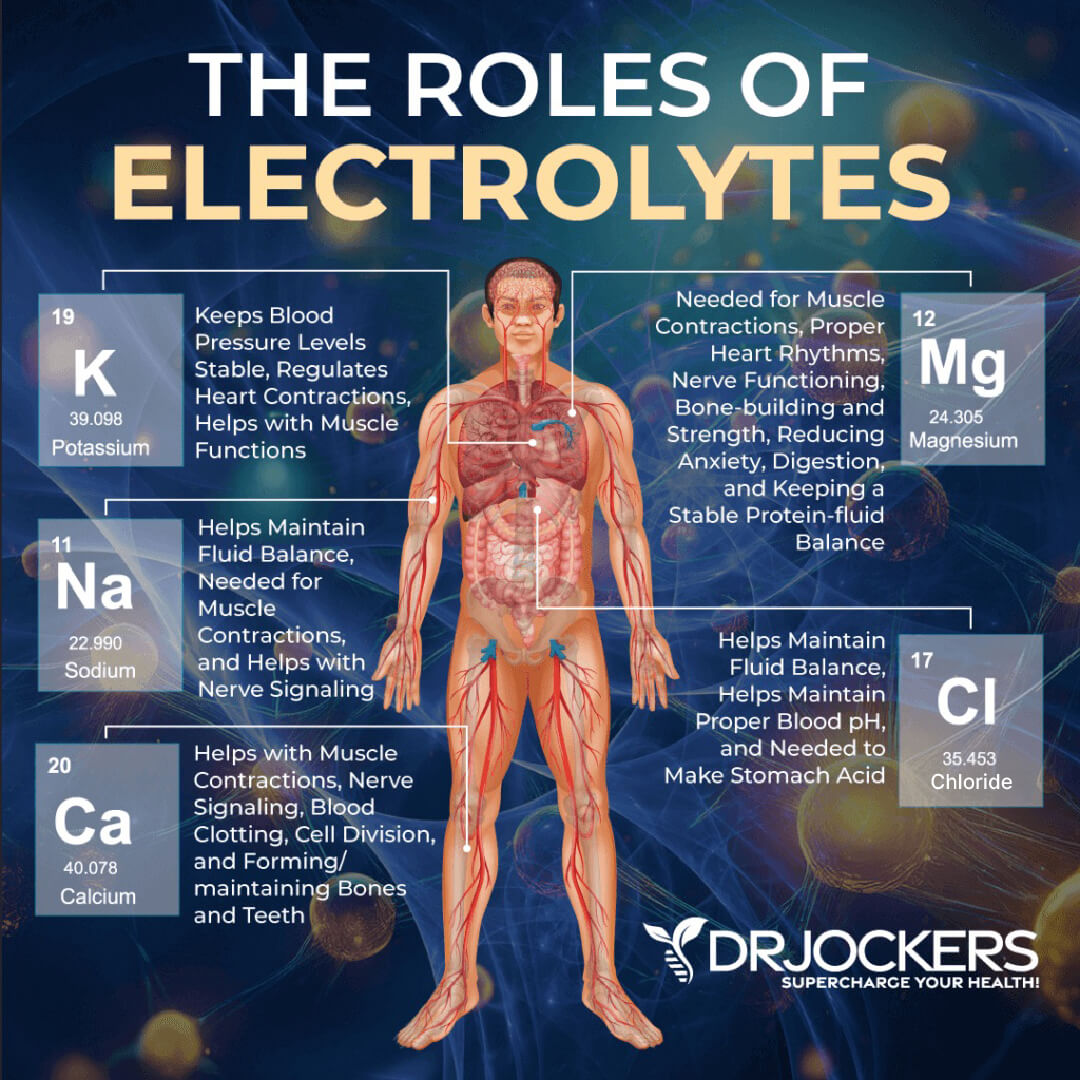
Salts are called electrolytes because they break into charged particles in water. These charged particles help carry electrical signals in the body.
Electrolytes play a key role in keeping the body working properly. They help balance fluids and support many body functions.
Electrolytes In Body Functions
Electrolytes control the amount of water inside and outside cells. This balance is important for hydration and cell health.
They also help regulate blood pressure and acid-base balance. Without electrolytes, the body cannot maintain a stable environment.
- Maintain fluid balance
- Support cell function
- Regulate blood pressure
- Control acid-base levels
Impact On Nerve And Muscle Activity
Electrolytes help nerves send signals by moving charged particles in and out of cells. This process creates electrical impulses.
Muscles need electrolytes to contract and relax properly. Low or high electrolyte levels can cause muscle weakness or cramps.
- Enable nerve signal transmission
- Control muscle contractions
- Prevent muscle cramps and spasms
- Support heart rhythm stability

Credit: www.bbcgoodfood.com
Common Salt Electrolytes
Salts are called electrolytes because they break into charged particles in water. These particles carry electric current in our bodies and solutions.
Common salt electrolytes include sodium chloride and other salts. They help balance fluids and support many body functions.
Sodium Chloride
Sodium chloride is the most common salt electrolyte. It dissolves in water to form sodium and chloride ions.
These ions help conduct electricity and keep cells working properly. Sodium chloride is vital for nerve signals and muscle movements.
- Maintains fluid balance
- Helps transmit nerve impulses
- Supports muscle function
Others
Other salts like potassium chloride and calcium chloride also act as electrolytes. They release ions that carry electric charges in water.
These electrolytes help control heart rhythm, muscle contractions, and blood pressure. Each salt has a specific role in the body.
- Potassium chloride aids nerve and muscle function
- Calcium chloride supports bone health and muscle work
- Magnesium sulfate helps enzyme actions and energy production
Applications In Daily Life
Salt electrolytes are used in many daily activities. They keep our bodies healthy and support many products.
People use electrolyte solutions to stay hydrated during exercise. They also appear in food, medicine, and water treatment.
- Sports drinks contain electrolytes to replace lost salts
- Table salt helps maintain body fluid balance
- Electrolyte solutions treat dehydration and illness
- Salts purify water in treatment plants
Factors Influencing Electrolyte Behavior
Salts are called electrolytes because they break into ions in water. These ions help conduct electricity.
Several factors change how well salts act as electrolytes. These factors affect ion movement and strength.
Temperature Effects
Temperature changes how fast ions move in a solution. Higher temperatures make ions move quicker.
When temperature rises, salt dissolves better. This increases the number of free ions, improving conductivity.
- Higher temperature increases ion movement
- Warm water helps salts dissolve faster
- More dissolved ions lead to better electricity flow
Concentration And Solubility
Concentration means how much salt is in the water. Higher concentration means more ions are present.
Solubility is how much salt can dissolve in water at a time. If salt is not very soluble, fewer ions form.
- More salt increases ion concentration
- Only soluble salt can produce ions
- Too much salt can cause ions to clump

Credit: www.youtube.com
Frequently Asked Questions
What Are Electrolytes In Salts?
Electrolytes are ions that conduct electricity in solutions. Salts, when dissolved in water, dissociate into positive and negative ions. These ions allow the solution to conduct electricity. This property makes salts essential for various biological and chemical processes.
How Do Salts Become Electrolytes?
Salts become electrolytes when they dissolve in water. Dissolution splits them into charged ions. These ions, like sodium and chloride, move freely in the solution. This movement allows the solution to conduct electrical currents, classifying them as electrolytes.
Why Are Electrolytes Important For The Body?
Electrolytes are crucial for maintaining cellular function. They help regulate nerve and muscle function, hydrate the body, balance blood acidity, and pressure. Without proper electrolyte balance, the body cannot perform these essential tasks effectively.
How Do Electrolytes Conduct Electricity?
Electrolytes conduct electricity by moving charged ions. When salts dissolve in water, they split into ions. These ions carry electric charges, allowing the solution to conduct electricity effectively.
Conclusion
Salts are called electrolytes because they conduct electricity in water. They break into ions that carry electric charge. This helps nerves send signals and muscles to move. Our bodies need salts to stay balanced and work well. Understanding electrolytes shows why salt is more than just flavor.
It plays a key role in health and daily life. Simple but important.


