

Have you ever wondered what really happens to your body when you sweat? You might think it’s just water leaving your skin, but there’s more going on beneath the surface.
When you sweat, your body doesn’t just lose water—it also loses important minerals called electrolytes. These tiny particles play a huge role in keeping you energized, balanced, and performing at your best. If you want to understand how sweating affects your electrolyte levels and why it matters for your health, keep reading.
This knowledge could change the way you hydrate and help you feel better every day.
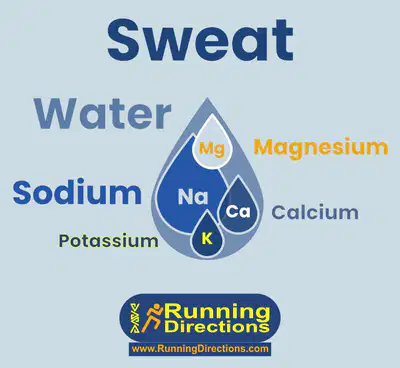
Credit: runningdirections.com
How Sweat Affects Electrolyte Levels
Sweating helps cool the body during heat or exercise. When you sweat, you lose water and electrolytes.
Electrolytes are minerals that help your muscles and nerves work well. Losing too many can cause problems.
Composition Of Sweat
Sweat is mostly water but also contains salts and minerals. These come from your body’s fluids.
The amount of electrolytes in sweat varies by person and activity level. Sweat can have different salt levels.
- Water makes up most sweat
- Sodium and chloride are common salts
- Small amounts of potassium and calcium
- Trace minerals may also be present
Key Electrolytes Lost Through Sweat
Sweat causes the body to lose important electrolytes. These help keep the body balanced and working well.
The main electrolytes lost are sodium, chloride, potassium, and calcium. Losing too much affects your health.
| Electrolyte | Role in the Body | Effect of Loss |
|---|---|---|
| Sodium | Controls fluid balance and nerve function | Muscle cramps, dizziness |
| Chloride | Maintains acid-base balance | Fatigue, weakness |
| Potassium | Regulates heartbeat and muscle function | Weakness, irregular heartbeat |
| Calcium | Supports bones and muscle contractions | Muscle spasms |

Credit: nixbiosensors.com
Factors Influencing Electrolyte Loss
Electrolytes are minerals that help your body work well. You lose them when you sweat. The amount lost depends on different things.
Knowing these factors helps you stay balanced and healthy during exercise or hot weather.
Intensity And Duration Of Exercise
The harder and longer you exercise, the more you sweat. This causes more electrolyte loss from your body.
High intensity workouts make you lose salt and minerals faster. Long exercise sessions also increase loss over time.
- Short, light exercise causes less loss
- Intense workouts increase sodium loss
- Long sessions raise total electrolyte loss
Environmental Conditions
Hot and humid weather makes you sweat more. This leads to greater electrolyte loss than cool weather.
Dry air can also cause you to lose fluids and minerals, but sweat may evaporate faster.
- High heat increases sweat and electrolyte loss
- Humidity slows sweat evaporation but raises loss
- Cold weather lowers sweat and mineral loss
Individual Differences
People lose electrolytes at different rates. Age, gender, and fitness level affect how much is lost.
Some people naturally sweat more salt. Your diet and hydration also change your electrolyte levels.
- Men often lose more salt in sweat than women
- Older adults may sweat less but lose minerals too
- Fit people can sweat more but may balance minerals better
Symptoms Of Electrolyte Imbalance
Electrolytes are minerals that help your body work properly. You lose them when you sweat a lot. This can cause problems in your body.
Knowing the symptoms of electrolyte imbalance can help you stay healthy. Watch out for signs that your body needs more electrolytes.
Muscle Cramps And Fatigue
Muscle cramps happen when electrolytes like potassium and magnesium drop. Your muscles may feel tight or painful.
Fatigue is common because electrolytes help your cells get energy. Low levels make you feel tired and weak.
Dizziness And Headaches
Losing electrolytes can lower your blood pressure. This may cause dizziness or lightheadedness.
Headaches can also occur because your brain needs fluids and minerals to work well.
Severe Imbalance Risks
Severe electrolyte imbalance can lead to serious problems. It can affect your heart and nerves.
Symptoms may include irregular heartbeat, confusion, or seizures. These need immediate medical care.

Credit: thedietitianrunner.com
Electrolyte Replacement Strategies
When you sweat, your body loses water and important minerals called electrolytes. These minerals help your muscles work and keep your body balanced.
Replacing electrolytes is important to stay healthy and active, especially after exercise or hot weather.
Hydration With Electrolyte Drinks
Electrolyte drinks are designed to replace minerals lost in sweat. They usually contain sodium, potassium, calcium, and magnesium.
These drinks help you rehydrate faster than plain water because they restore the minerals your body needs.
- Choose drinks with balanced electrolyte content
- Avoid drinks with too much sugar
- Use them during or after intense exercise
Natural Food Sources
You can also get electrolytes from natural foods. Fruits and vegetables have minerals that help replace what you lose in sweat.
Eating a variety of these foods supports your body’s recovery and keeps electrolyte levels steady.
- Bananas provide potassium
- Spinach and kale offer magnesium
- Milk and yogurt contain calcium
- Salted nuts add sodium
Timing And Quantity
Replacing electrolytes at the right time helps your body recover well. Drink fluids and eat foods with electrolytes before, during, and after sweating.
Do not take too much at once to avoid upsetting your stomach. Small, frequent intakes work best.
- Drink small amounts of electrolyte fluids often
- Eat electrolyte-rich snacks after exercise
- Adjust intake based on how much you sweat
Preventing Electrolyte Depletion
When you sweat, your body loses water and electrolytes. Electrolytes are minerals like sodium and potassium. They help keep your body working well.
Replacing these electrolytes is important. If you don’t, you can feel weak or dizzy. Here are ways to prevent losing too many electrolytes.
Pre-exercise Hydration
Drink fluids before you start exercising. This helps your body stay balanced. Water is good, but drinks with electrolytes work better for long workouts.
Try to drink about 16 to 20 ounces of fluid two hours before exercise. This gives your body time to absorb the liquids.
- Drink water or electrolyte drinks
- Avoid drinks with too much sugar
- Start hydrated to reduce electrolyte loss
Post-exercise Recovery
After exercise, replace the fluids and electrolytes you lost. Drinking water alone may not be enough. Include drinks or foods with sodium and potassium.
Eating salty snacks or fruits like bananas helps restore your electrolyte balance. This supports muscle recovery and prevents cramps.
- Drink electrolyte beverages after exercise
- Eat foods rich in potassium and sodium
- Keep rehydrating for several hours
Monitoring Sweat Rate
Knowing how much you sweat helps replace fluids and electrolytes correctly. Weigh yourself before and after exercise to estimate sweat loss.
For every pound lost, drink about 16 to 24 ounces of fluid. This keeps your body balanced and avoids dehydration.
- Weigh yourself before and after exercise
- Calculate fluid loss by weight difference
- Drink fluids to match sweat loss
Special Considerations For Athletes
Athletes lose more electrolytes when they sweat during exercise. These minerals help muscles work properly and keep the body balanced. Paying attention to electrolyte levels is important for performance and safety.
Proper electrolyte intake supports hydration and prevents cramps. Each athlete’s needs vary based on workout intensity, sweat rate, and environment.
Tailoring Electrolyte Intake
Athletes should adjust their electrolyte intake to match their sweat loss. Sweat contains sodium, potassium, calcium, and magnesium. The amount lost depends on exercise and weather conditions.
Testing sweat rate and electrolyte loss helps create a personal hydration plan. Drinking fluids with the right electrolyte balance avoids muscle cramps and fatigue.
- Measure sweat loss by weighing before and after exercise
- Replace sodium lost in sweat with salty snacks or drinks
- Include potassium-rich foods like bananas or oranges
- Adjust intake for hot or humid conditions
Avoiding Overhydration
Drinking too much plain water can dilute electrolytes in the blood. This causes a condition called hyponatremia, which is dangerous for athletes. Balancing water and electrolytes is key.
Athletes should avoid drinking large amounts of water without electrolytes during long exercise. Small, regular sips with electrolyte drinks help maintain balance.
- Limit water intake to match sweat loss
- Include electrolyte beverages in long workouts
- Watch for symptoms like headache or confusion
- Seek medical help if signs of hyponatremia appear
Using Supplements Wisely
Electrolyte supplements can help athletes replace lost minerals quickly. Use them based on sweat tests or expert advice. Not every athlete needs supplements.
Choose supplements that match your body’s needs. Avoid taking too many supplements at once. Natural foods and drinks often provide enough electrolytes for most athletes.
- Use electrolyte powders or tablets during long training
- Check the ingredient list for sodium and potassium levels
- Consult a sports nutritionist before starting supplements
- Focus on whole foods like fruits, nuts, and dairy
Frequently Asked Questions
Do You Lose Electrolytes Through Sweat?
Yes, you lose electrolytes when you sweat. Electrolytes like sodium, potassium, and magnesium are lost. Replenishing them is crucial for maintaining balance. Drinking electrolyte-rich fluids helps restore these essential minerals and supports muscle function.
What Are The Symptoms Of Electrolyte Loss?
Symptoms of electrolyte loss include muscle cramps, fatigue, and dizziness. You might also experience headaches and nausea. These symptoms indicate an imbalance in your body’s electrolyte levels and need attention.
How Can You Replenish Lost Electrolytes?
You can replenish lost electrolytes by consuming sports drinks or electrolyte tablets. Eating foods rich in electrolytes like bananas and avocados also helps. Staying hydrated with water is important, but supplementing with electrolytes ensures complete recovery.
Why Are Electrolytes Important For The Body?
Electrolytes are crucial for nerve and muscle function. They maintain fluid balance and support cellular activities. Proper electrolyte levels prevent muscle cramps and ensure efficient body processes. Without them, you may feel weak and fatigued.
Conclusion
Sweating causes your body to lose water and electrolytes like sodium and potassium. These minerals help your muscles work and keep your body balanced. Drinking water alone may not replace lost electrolytes. Eating salty snacks or drinking sports drinks can help restore them.
Staying hydrated and replenishing electrolytes supports better energy and prevents cramps. Remember, your body needs these nutrients after sweating. Take care of your electrolyte levels to feel your best.


