
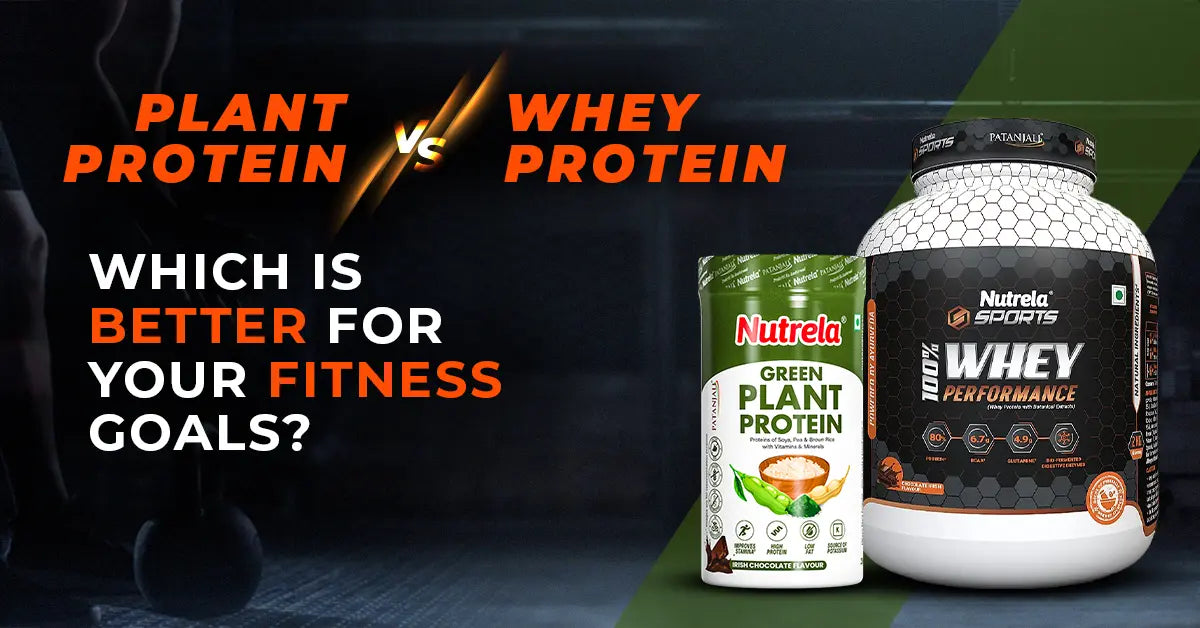
Are you wondering if plant protein can really match up to whey protein? You’ve probably heard a lot of opinions, but what’s the truth?
Choosing the right protein is important for your health, muscle growth, and energy levels. This article will clear up the confusion and help you decide which protein is best for your goals. Keep reading to find out how plant protein stacks up against whey and what it means for your body.
Protein Basics
Protein is a vital nutrient for our bodies. It helps build and repair tissues. Many people use protein supplements to support their health and fitness goals.
There are different types of protein supplements available. Plant protein and whey protein are two popular choices. Let’s explore their differences and roles.
What Is Protein
Protein is made up of amino acids. These are the building blocks of our body. We need protein to maintain muscle, skin, and bone health.
Amino acids come in two types: essential and non-essential. Essential amino acids must come from food. Our body cannot produce them.
- Essential amino acids: must be eaten
- Non-essential amino acids: made by the body
Role In Muscle Growth
Protein is crucial for muscle growth. It helps repair muscle fibers after exercise. This makes muscles stronger and bigger over time.
Consuming enough protein is important for athletes and active people. It supports recovery and enhances performance.
- Repairs muscle fibers
- Supports recovery
- Enhances performance
Different Protein Types
There are various types of protein, each with unique benefits. Whey protein is derived from milk. It is fast-absorbing and rich in essential amino acids.
Plant protein comes from sources like peas, rice, and hemp. It is a good option for those avoiding animal products. It may have a slower absorption rate.
| Whey Protein | Plant Protein |
| Fast absorption | Slow absorption |
| Rich in amino acids | Sourced from plants |
Whey Protein Insights
Whey protein is a popular supplement for athletes and fitness lovers. It comes from milk and helps build muscles quickly.
People often compare whey protein to plant protein to see which one works better. Here are some facts about whey protein.
Source And Composition
Whey protein is made from the liquid part of milk. It is separated during cheese making. It contains all the essential amino acids.
Whey has a high amount of branched-chain amino acids (BCAAs). These help muscle growth and repair.
- Comes from dairy (milk)
- Contains all essential amino acids
- Rich in BCAAs like leucine, isoleucine, and valine
Absorption Rate
Whey protein is fast-absorbing. Your body digests it quickly after eating or drinking.
This fast absorption helps muscles get nutrients soon after exercise. It supports quick recovery and growth.
- Digested within 1 to 2 hours
- Provides quick amino acid delivery
- Ideal for post-workout nutrition
Benefits And Drawbacks
Whey protein helps build muscle fast and supports recovery. It also tastes good and mixes well with liquids.
Some people may have trouble with whey if they are lactose intolerant. It can cause stomach upset in those cases.
- High-quality protein for muscle growth
- Supports fast recovery after workouts
- May cause issues for lactose intolerant people
- Usually more expensive than plant protein
Plant Protein Insights
Plant protein is a popular choice for people who want a natural diet. It comes from beans, seeds, and grains.
This article looks at plant protein compared to whey protein. It explains sources, nutrition, and benefits.
Common Plant Sources
Many plants provide good protein. These include peas, soy, rice, and hemp. Each has its own qualities.
- Pea protein is easy to digest and rich in iron
- Soy protein contains all essential amino acids
- Rice protein is hypoallergenic and light on the stomach
- Hemp protein has omega fatty acids and fiber
Nutritional Profile
Plant proteins usually have less protein per serving than whey. They often lack one or more essential amino acids.
Whey protein is rich in all essential amino acids. It is high in leucine, which helps build muscle fast.
| Protein Type | Protein Content (per 30g) | Essential Amino Acids | Other Nutrients |
|---|---|---|---|
| Whey | 24-27g | Complete | Calcium, BCAAs |
| Pea | 20-22g | Low in methionine | Iron, Fiber |
| Soy | 22-24g | Complete | Iron, Calcium |
| Rice | 18-20g | Low in lysine | Fiber, Magnesium |
| Hemp | 15-18g | Low in lysine | Omega-3, Fiber |
Advantages And Limitations
Plant protein suits many diets. It is good for vegans and people with dairy allergies. It also adds fiber.
Plant proteins may not build muscle as fast as whey. Some lack certain amino acids. Mixing types helps.
- Advantages:
- Vegan-friendly and dairy-free
- Contains fiber and other nutrients
- Less likely to cause allergies
- Limitations:
- Lower protein per serving
- May miss some essential amino acids
- Muscle gain may be slower
Comparing Protein Quality
Plant protein and whey protein are popular choices for building muscle. Both provide essential nutrients but differ in quality. Understanding their differences helps you pick the best option for your needs.
Protein quality depends on factors like amino acids, absorption, and digestion. These aspects affect how well your body uses the protein.
Amino Acid Profiles
Amino acids are the building blocks of protein. Whey protein contains all nine essential amino acids in high amounts. This makes it a complete protein.
Most plant proteins lack one or more essential amino acids. Some blends combine different plants to provide all essentials. Examples include rice and pea protein mixes.
- Whey: Complete protein with all essential amino acids
- Plant protein: Often incomplete but can be combined to be complete
- Branched-chain amino acids (BCAAs) are higher in whey
Bioavailability
Bioavailability means how well your body absorbs protein. Whey protein has high bioavailability, so your body uses most of it. This helps with muscle repair and growth.
Plant proteins usually have lower bioavailability. This is due to natural compounds that block absorption. Processing methods can improve this in plant proteins.
- Whey protein: High bioavailability, quickly absorbed
- Plant protein: Lower bioavailability, varies by source and processing
- Combining plant proteins can improve absorption
Digestibility Scores
Digestibility scores show how well the body breaks down protein. Whey scores very high on these tests. It is easy to digest and use.
Plant proteins have varied digestibility scores. Some like soy score well, while others score lower. Processing can increase digestibility in plant proteins.
| Protein Type | PDCAAS Score | Comments |
|---|---|---|
| Whey Protein | 1.0 | Highest digestibility |
| Soy Protein | 0.9 – 1.0 | Good digestibility for plant protein |
| Pea Protein | 0.7 – 0.8 | Moderate digestibility |
| Rice Protein | 0.5 – 0.6 | Lower digestibility alone |
Impact On Muscle Building
Plant protein and whey protein are popular choices for building muscle. Both provide essential amino acids needed for muscle repair and growth.
This article looks at how plant protein compares to whey protein in muscle building.
Research Findings
Studies show whey protein is quickly absorbed and rich in leucine. Leucine helps start muscle protein synthesis.
Plant proteins have lower leucine but still support muscle growth. Mixing different plant proteins can improve their quality.
- Whey protein has high leucine levels
- Plant proteins vary in amino acid profiles
- Combining plant proteins improves muscle support
Effectiveness For Athletes
Athletes need protein for muscle repair after exercise. Whey protein offers fast digestion and quick muscle recovery.
Plant proteins can also support athletes well. They may digest slower but provide lasting protein supply.
- Whey is fast-absorbing and effective
- Plant protein supports muscle but digests slower
- Plant proteins suit athletes with dietary restrictions
Combining Plant Proteins
Some plant proteins lack one or more essential amino acids. Mixing types creates a complete amino acid profile.
For example, rice and pea protein together offer all essential amino acids. This helps muscle building like whey protein.
- Rice protein is low in lysine
- Pea protein has enough lysine but low in methionine
- Combining them covers all essential amino acids

Credit: levelsprotein.com
Health And Dietary Considerations
Plant protein and whey protein are popular choices for many people. Both provide essential nutrients for muscle growth and repair. Choosing the right one depends on your health needs and diet.
This article looks at important factors like allergies, sustainability, and calorie content. Understanding these will help you decide which protein fits your lifestyle.
Allergies And Intolerances
Whey protein comes from milk. People with lactose intolerance may have trouble digesting it. It can cause bloating or stomach pain for some.
Plant proteins come from sources like peas, rice, or soy. They are often easier to digest. They suit people with dairy allergies or lactose intolerance.
- Whey protein may cause issues for lactose intolerant people
- Plant protein suits those with dairy allergies
- Some plant proteins can cause soy or nut allergies
Sustainability And Ethics
Plant proteins usually have a lower environmental impact. Growing plants uses less water and land than raising animals. It also produces fewer greenhouse gases.
Whey protein is a byproduct of dairy farming. Dairy farming often requires more resources and can raise animal welfare concerns. People who care about ethics may prefer plant proteins.
- Plant protein reduces water and land use
- Animal farming emits more greenhouse gases
- Plant protein aligns with vegan and ethical diets
Calorie And Fat Content
Whey protein typically has fewer calories and less fat per serving. It is often used for quick muscle recovery after workouts. This makes it popular for weight management.
Plant proteins can have more calories and fat depending on the source. Some plant proteins include healthy fats and fiber. This can help with feeling full and digestion.
| Protein Type | Calories (per 30g) | Fat (per 30g) |
|---|---|---|
| Whey Protein | 110 | 1-2g |
| Pea Protein | 120 | 3-4g |
| Soy Protein | 130 | 2-3g |
Choosing The Right Protein
Choosing the right protein can be confusing. You want to know if plant protein is as good as whey.
Both types have benefits. Your choice depends on what fits your needs best.
Personal Goals
Your fitness goals affect which protein you choose. Whey protein is known for quick muscle recovery.
Plant protein can support muscle growth too, but it may digest slower. Think about your workout plan.
- Whey protein helps build muscle fast
- Plant protein is good for steady energy
- Choose protein that fits your exercise routine
Diet Preferences
Your diet style plays a big role. Whey protein comes from milk and is not vegan.
Plant protein is a good choice for vegetarians and vegans. It also suits people with lactose intolerance.
- Whey protein contains dairy
- Plant protein fits vegan diets
- Check for any allergies before choosing
Budget Factors
Cost is important when picking protein. Whey protein can be more expensive than some plant proteins.
Plant protein powders vary in price. Some blends cost less and still offer good nutrition.
- Compare prices per serving
- Look for sales or bulk options
- Choose protein that fits your budget

Credit: denzournutrition.com
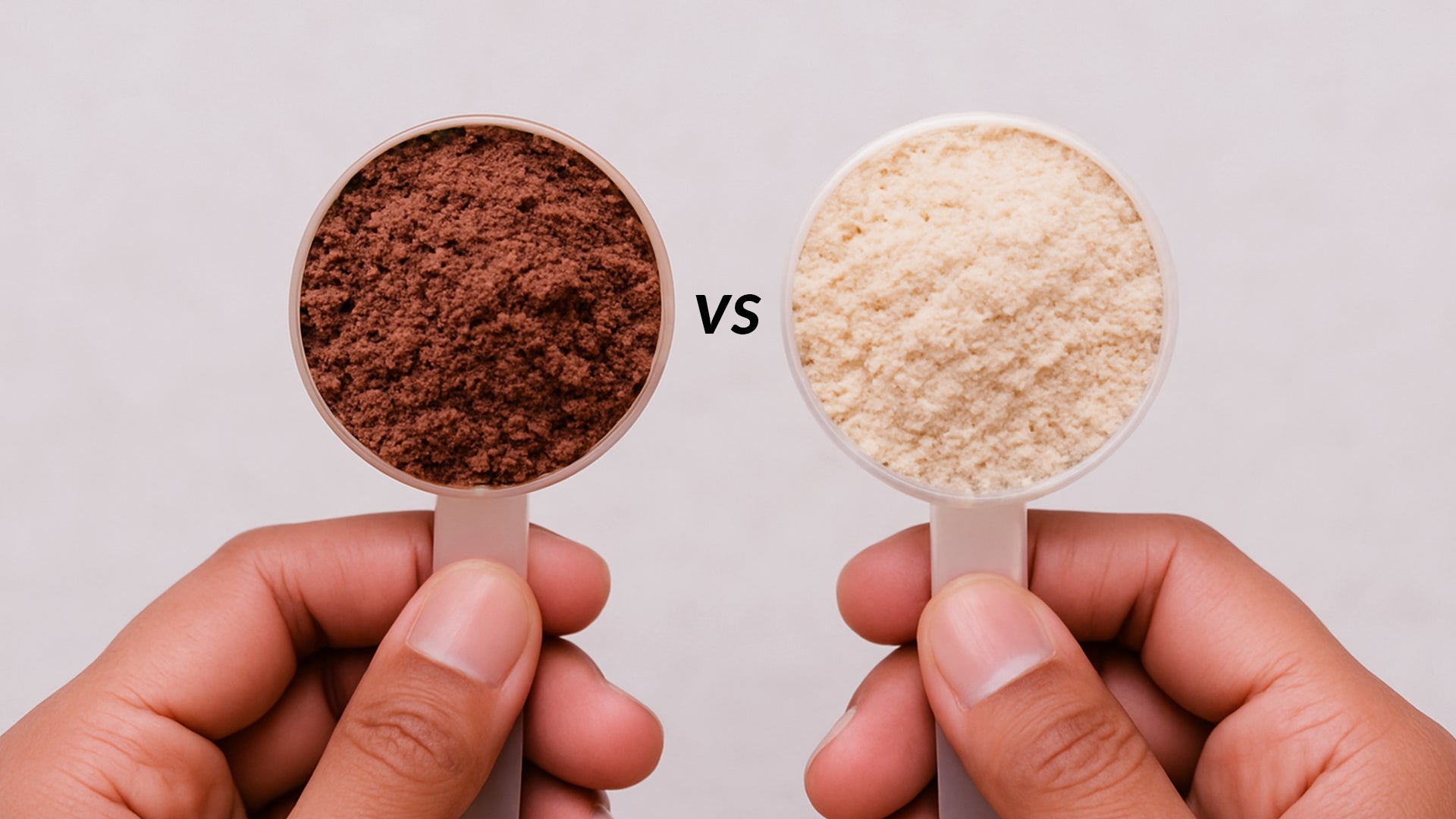
Credit: nutrova.com
Frequently Asked Questions
What Are The Main Differences Between Plant Protein And Whey?
Plant protein is derived from sources like peas and rice, while whey comes from milk. Whey contains all essential amino acids and digests faster. Plant proteins may lack one or more essential amino acids but can be combined for completeness.
Is Plant Protein As Effective For Muscle Growth As Whey?
Whey protein is often considered superior for muscle growth due to its complete amino acid profile. However, plant protein can be equally effective when consumed in adequate amounts and combined properly for all essential amino acids.
Are There Any Digestive Benefits Of Plant Protein Over Whey?
Plant protein is generally easier to digest for people with lactose intolerance or dairy allergies. Whey may cause bloating or discomfort in sensitive individuals, making plant protein a gentler option.
Can Plant Protein Support Weight Loss Like Whey Protein?
Yes, both plant and whey proteins can aid weight loss by promoting satiety and preserving muscle mass. The key is to maintain a balanced diet and consume protein in appropriate amounts.
Conclusion
Plant protein can match whey in many ways. It supports muscle growth and recovery well. Some plant proteins offer extra fiber and nutrients. Taste and digestion vary by person. Choosing depends on your diet and goals. Both options provide good protein sources.
Try both to see what suits you best. Balance and variety matter most for health. Plant protein stands as a solid alternative to whey. Simple, natural choices work best for you.


