
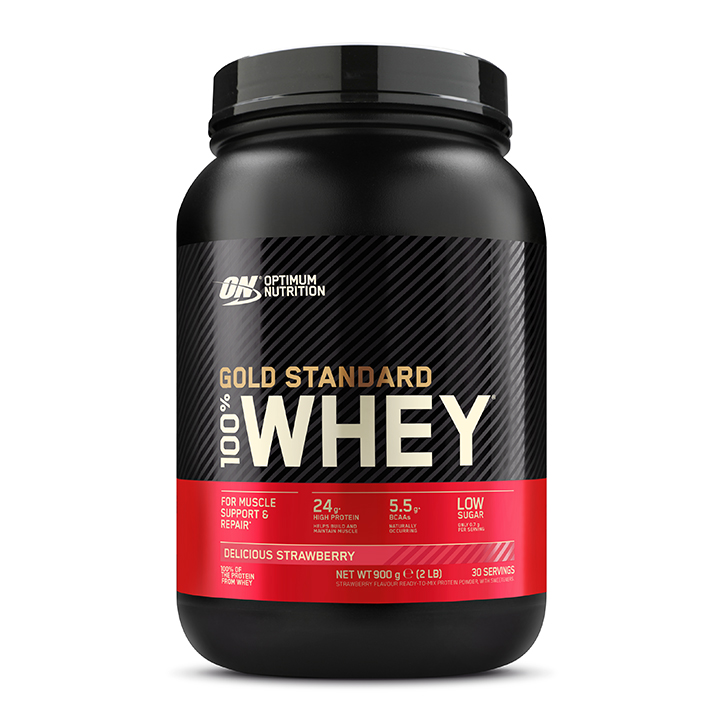
Are you wondering if whey protein will make you gain weight? It’s a common question, especially if you’re trying to stay fit or build muscle.
You want to know if adding this popular supplement to your diet will help you reach your goals or hold you back. Understanding how whey protein affects your body can clear up the confusion and help you make smart choices.
Keep reading to find out the truth about whey protein and weight gain—and what it really means for your health and fitness journey.

Credit: www.gq.com
How Whey Protein Works
Whey protein is a popular supplement for those looking to build muscle. It helps in providing essential nutrients to the body.
Whey is derived from milk and contains high-quality protein. It supports muscle growth and recovery.
Whey Protein Types
There are different types of whey protein available. Each type has its own benefits.
- Whey Protein Concentrate: Contains some fats and carbohydrates.
- Whey Protein Isolate: Mostly pure protein with less fat.
- Whey Protein Hydrolysate: Pre-digested, easy to absorb.
Protein Digestion And Absorption
The body breaks down protein into amino acids. These are then absorbed into the bloodstream.
Whey protein is absorbed quickly. This makes it effective for muscle repair and growth.
Role In Muscle Building
Whey protein supports muscle building by providing necessary nutrients. It aids in repairing muscle tissues after exercise.
Regular intake of whey protein can help increase muscle mass. This is beneficial for athletes and fitness enthusiasts.

Credit: www.gq.com
Whey Protein And Weight Gain
Many people wonder if whey protein causes weight gain. It is a popular supplement for fitness and health. Understanding how it affects the body helps you use it wisely.
This article explains whey protein’s role in weight gain. It looks at calories, muscle growth, fat gain, and appetite changes.
Calories And Protein Content
Whey protein powders provide calories from protein and some fat or carbs. Calories are the energy your body uses. If you eat more calories than you burn, you gain weight.
One scoop of whey protein usually has about 100 to 130 calories. It contains around 20 to 25 grams of protein. This makes it a good source of protein with moderate calories.
- 100–130 calories per scoop
- 20–25 grams of protein per scoop
- Low in fat and carbs in most powders
Impact On Muscle Vs Fat
Whey protein helps build muscle when combined with exercise. Muscle weighs more than fat but looks lean and firm. Gaining muscle from whey protein is healthy weight gain.
If you eat whey protein without exercise, extra calories may turn into fat. Muscle gain depends on your workout and diet. Whey alone does not cause fat gain.
- Supports muscle growth with strength training
- Does not directly cause fat gain
- Extra calories without exercise may add fat
Influence On Appetite
Whey protein can reduce hunger and make you feel full. It slows down stomach emptying and controls appetite hormones. This may help eat less overall.
Eating whey protein as a snack or meal can lower your calorie intake later. This helps control weight instead of causing gain.
- Increases feelings of fullness
- May reduce total calorie intake
- Helps control appetite hormones
Factors Affecting Weight Changes
Many people wonder if whey protein causes weight gain. The answer depends on several factors. These factors affect how your body reacts to whey protein.
Understanding these factors can help you manage your weight better. Let’s look at the main influences on weight changes.
Dietary Habits
Your overall diet plays a big role in weight changes. If you eat more calories than you burn, you will gain weight. Whey protein adds calories, so it can cause weight gain if you eat too much.
Eating balanced meals with the right amount of protein, carbs, and fats helps control weight. Using whey protein as part of a healthy diet can support muscle growth without adding unwanted fat.
- Watch total calorie intake
- Balance protein with other nutrients
- Avoid eating extra calories just from supplements
Exercise Routine
Exercise affects how your body uses whey protein. If you work out regularly, whey protein helps build muscle. Muscle weighs more than fat, so your weight may increase.
If you do little or no exercise, whey protein calories may turn into fat. Combining whey protein with strength training or cardio gives better results. It helps you gain lean muscle, not fat.
- Exercise helps burn extra calories
- Strength training uses protein to build muscle
- No exercise can lead to fat gain from whey protein
Metabolism Differences
People have different metabolism speeds. Metabolism is how fast your body burns calories. A faster metabolism burns calories quickly, reducing fat gain risk.
Those with slower metabolism may store extra calories as fat. Whey protein calories can add up if your metabolism is slow. Knowing your metabolism helps adjust whey protein use for weight goals.
- Fast metabolism burns calories quickly
- Slow metabolism stores more fat
- Adjust whey protein intake based on metabolism speed
Common Myths About Whey Protein
Whey protein is a popular supplement. Many people have wrong ideas about it. These myths can stop you from using whey protein.
This article explains some common myths. Knowing the truth helps you make better choices.
Protein Causes Fat Gain
Some think eating whey protein makes you gain fat. Whey protein itself does not cause fat gain. It depends on how much you eat and your total calories.
If you eat more calories than you burn, you gain weight. Protein helps build muscles and can increase metabolism. So, whey protein can help you lose fat when used correctly.
Whey Protein Is Only For Bodybuilders
Many people think whey protein is just for bodybuilders. This is not true. Anyone who wants more protein in their diet can use whey protein.
Whey protein supports muscle repair and growth for all fitness levels. It can also help with weight management and general health.
It Leads To Bloating And Water Retention
Some believe whey protein causes bloating and water retention. This may happen if you have lactose intolerance. But many whey proteins are lactose-free.
Choosing the right type of whey protein and drinking enough water reduces bloating. Most people do not experience water retention from whey protein.
Choosing The Right Whey Protein
Whey protein can help you build muscle and recover faster. It can also affect your weight depending on the type you choose.
Picking the right whey protein matters for your health and goals. Learn about the main types and ingredients to decide what fits you.
Concentrate Vs Isolate
Whey concentrate has more fats and carbs. It has about 70-80% protein. It is good for those who want extra calories.
Whey isolate has over 90% protein. It has fewer fats and carbs. Isolate is better if you want less calories and pure protein.
- Concentrate: more calories, fats, carbs
- Isolate: higher protein, low fats and carbs
- Choose concentrate for energy and weight gain
- Choose isolate for lean muscle and low calories
Flavored Vs Unflavored
Flavored whey protein tastes better with added ingredients. It may have sugars or sweeteners. It is easy to drink.
Unflavored whey protein has no taste or additives. It works well in smoothies or recipes. It has fewer extra calories.
- Flavored: added sugars or sweeteners, easy to drink
- Unflavored: no taste, fewer extra calories
- Choose flavored if you want convenience
- Choose unflavored for less additives and control
Additives And Sweeteners
Some whey proteins include additives to improve texture or flavor. These can add extra calories or cause sensitivity.
Sweeteners like sucralose or stevia are common. They add sweetness without calories but may affect digestion in some people.
- Check the label for additives and sweeteners
- Avoid if you have allergies or sensitivities
- Choose products with simple, natural ingredients
- Natural sweeteners may be easier on digestion
Tips To Use Whey Protein Wisely
Whey protein is a popular supplement for fitness and nutrition. It can help build muscle and recover after exercise.
Using whey protein the right way can prevent unwanted weight gain. Follow simple tips to use it wisely.
Timing And Dosage
Take whey protein at times that support your goals. After workouts is a common time to help muscles recover.
Keep your dosage moderate. Too much protein adds extra calories that can lead to weight gain.
- Consume 20-30 grams per serving
- Use whey protein after exercise or between meals
- Avoid large doses at once to prevent excess calorie intake
Balancing With Whole Foods
Do not rely only on whey protein for nutrition. Whole foods provide important vitamins and minerals.
Balance your diet with fruits, vegetables, grains, and lean proteins. This keeps your meals healthy and complete.
- Include vegetables and fruits daily
- Choose lean meats, beans, or eggs for protein
- Use whey protein as a supplement, not a meal replacement
Monitoring Progress
Watch your body’s response after adding whey protein. Track changes in weight and muscle size.
Adjust your protein intake if you gain unwanted fat. Small changes can help you stay on track.
- Weigh yourself weekly
- Note changes in muscle tone and strength
- Change whey protein amount based on progress

Credit: www.quenchlabz.com
Frequently Asked Questions
Does Whey Protein Cause Weight Gain?
Whey protein itself does not cause weight gain. Weight gain occurs when you consume more calories than you burn. Whey protein helps build muscle, which may increase weight due to muscle mass, not fat.
How Does Whey Protein Affect Fat Loss?
Whey protein supports fat loss by promoting muscle growth and reducing appetite. It helps maintain muscle during calorie deficits, aiding fat reduction while preserving strength and metabolism.
Can Whey Protein Increase Muscle Mass Only?
Yes, whey protein primarily helps increase muscle mass when combined with strength training. It provides essential amino acids needed for muscle repair and growth after workouts.
Is Whey Protein Suitable For Weight Management?
Whey protein can support weight management by boosting metabolism and reducing hunger. It helps maintain muscle while promoting fat loss when paired with a balanced diet and exercise.
Conclusion
Whey protein alone does not cause weight gain. Eating more calories than you burn leads to weight gain. Whey helps build muscle when combined with exercise. Choosing the right amount matters for your goals. Balance your diet with protein, carbs, and fats.
Drink whey protein as part of a healthy routine. Keep track of your total calorie intake daily. This way, you control your weight effectively. Whey protein supports fitness but does not add fat by itself. Simple and smart choices make a big difference.


