

Are you wondering if pea protein can match up to whey when it comes to boosting your fitness and health? You’re not alone.
Many people ask whether plant-based proteins really deliver the same benefits as traditional whey protein. The answer could change the way you fuel your body and reach your goals. Keep reading to discover what makes pea protein unique, how it stacks up against whey, and which one might be the better choice for your needs.
This could be the key to unlocking your full potential.
Credit: medium.com
Protein Basics
Proteins are essential nutrients for our bodies. They help build and repair tissues. Proteins are made of amino acids. Different foods provide different protein types.
Whey and pea proteins are popular supplements. They help meet daily protein needs. Understanding each can help you choose the right one.
What Is Whey Protein
Whey protein comes from milk. It is a byproduct of cheese making. Whey is quickly absorbed by the body. It is often used by athletes for muscle growth.
Whey contains all essential amino acids. This makes it a complete protein. It is popular for its taste and effectiveness.
What Is Pea Protein
Pea protein is made from yellow split peas. It is plant-based and suitable for vegans. Pea protein is rich in iron and easy to digest.
It contains all essential amino acids but is lower in methionine. Pea protein is a good option for those with lactose intolerance.
Protein Quality Factors
Protein quality depends on amino acid content and digestibility. Complete proteins provide all essential amino acids. Whey is a complete protein.
Pea protein can be combined with other sources to complete the amino profile. Protein digestibility affects how well the body can use the protein.
- Whey is quickly digested
- Pea protein is easily digested
- Combining proteins can improve quality

Credit: www.reddit.com
Nutritional Comparison
Pea protein and whey protein are popular options for people who want more protein. Both have good nutrition but differ in some ways.
This comparison looks at their amino acid profiles, digestibility, and calories.
Amino Acid Profiles
Whey protein has all nine essential amino acids. It is a complete protein that supports muscle growth well.
Pea protein also contains all essential amino acids. It has slightly less methionine but more arginine than whey.
| Amino Acid | Whey Protein | Pea Protein |
|---|---|---|
| Leucine | High | Moderate |
| Methionine | Moderate | Low |
| Arginine | Low | High |
| All Essential Amino Acids | Yes | Yes |
Digestibility And Absorption
Whey protein digests quickly. It is easy for the body to absorb and use.
Pea protein digests slower. This may help keep you full longer but delays absorption.
- Whey protein has a high digestibility score (PDCAAS).
- Pea protein has a good but slightly lower digestibility score.
- Both are good for muscle recovery.
Calories And Macronutrients
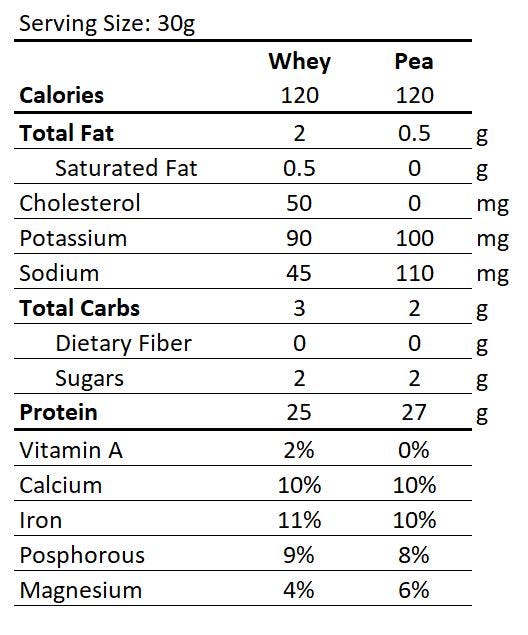
Whey and pea protein powders have similar calories per serving. Both are low in fat and carbs.
Pea protein sometimes has more fiber, which helps digestion and fullness.
| Nutrient | Whey Protein (per 30g) | Pea Protein (per 30g) |
|---|---|---|
| Calories | 110 | 120 |
| Protein | 24g | 23g |
| Fat | 1g | 2g |
| Carbohydrates | 2g | 3g |
| Fiber | 0g | 2g |
Health Benefits
Pea protein and whey protein are popular choices for people who want to improve their health. Both offer many benefits but differ in some ways.
Understanding their health benefits helps you choose the right protein for your needs.
Muscle Building Potential
Whey protein is rich in essential amino acids that support muscle growth. It is quickly absorbed by the body, making it ideal after workouts.
Pea protein also contains all nine essential amino acids but has less methionine. It helps build muscle but works slower than whey.
- Whey has faster absorption for quicker muscle repair
- Pea protein offers a good balance of amino acids
- Both support muscle growth with regular use
Allergy And Sensitivity Considerations
Whey protein is made from milk and can cause allergies in people sensitive to dairy. It may also cause lactose intolerance issues.
Pea protein is plant-based and free from common allergens like dairy, gluten, and soy. It is a safer option for those with allergies.
- Whey may trigger milk allergies or lactose intolerance
- Pea protein is hypoallergenic and vegan-friendly
- Choosing pea protein helps avoid common food sensitivities
Impact On Digestion
Whey protein digests quickly but can cause bloating or gas in some people. This is often due to lactose in whey.
Pea protein digests slower and is easier on the stomach. It usually causes less digestive discomfort than whey.
- Whey digests fast but may cause bloating
- Pea protein digests slowly and gently
- Pea protein suits those with sensitive digestion
Environmental Impact
Choosing between pea protein and whey protein involves thinking about the environment. Both have different effects on nature.
This section looks at how whey and pea protein affect the planet, focusing on their production and resources used.
Sustainability Of Whey Production
Whey protein comes from milk, a byproduct of cheese making. Dairy farming uses a lot of water and land.
Cows produce methane, a gas that adds to climate change. This makes whey protein less eco-friendly than some plant proteins.
- Dairy farming needs large water amounts
- Cow methane emissions increase greenhouse gases
- Land use can lead to deforestation
Environmental Footprint Of Pea Protein
Pea protein comes from peas, which are plants that need less water and space. They also help improve soil health.
Growing peas creates fewer greenhouse gases than raising cows. This makes pea protein a more eco-friendly option.
- Peas require less water than dairy cows
- They fix nitrogen, improving soil quality
- Lower greenhouse gas emissions in farming peas
Taste And Texture
Pea protein and whey protein are popular choices for many people. They differ in taste and texture, which can affect your experience.
Knowing their flavor and mixability helps you pick the right protein for your needs.
Flavor Differences
Whey protein has a mild, creamy flavor. It blends well with sweet tastes like chocolate or vanilla.
Pea protein has a stronger, earthier taste. Some find it slightly bitter or grassy.
- Whey tastes smoother and lighter
- Pea protein has a more natural, plant-like flavor
- Pea protein may need flavor masking in recipes
Mixability And Uses
Whey protein mixes easily with water or milk. It creates a smooth shake without lumps.
Pea protein can be thicker and grainier. It may clump if not blended well.
- Whey suits shakes, smoothies, and baking
- Pea protein works well in thicker recipes like protein bars
- Use a blender for better pea protein mixing
Cost And Accessibility
Choosing between pea protein and whey often depends on cost and how easy it is to find them. Both proteins offer benefits, but their prices and availability vary.
This section looks at the price differences and where you can buy each protein type.
Price Comparison
Whey protein usually costs less per serving than pea protein. This is because whey is made from milk, which is cheaper to process. Pea protein comes from peas, and the extraction process can be more expensive.
Prices can change based on brand, quality, and package size. Some pea protein brands charge more due to organic or specialty claims.
| Protein Type | Average Price per Pound |
|---|---|
| Whey Protein | $8 – $12 |
| Pea Protein | $10 – $15 |
Availability In Markets
Whey protein is widely available in most grocery stores, health shops, and online. It has been popular for many years, so many brands offer it.
Pea protein is growing in popularity, but it is still less common. It is easier to find in health food stores and online than in regular supermarkets.
- Whey protein: found in supermarkets, gyms, and online
- Pea protein: mostly in health stores and online shops
- Both can be bought in bulk or small packages
Choosing The Right Protein
Choosing the right protein powder depends on your body and goals. Pea protein and whey protein have different benefits.
Understanding your needs helps you pick the best option for your lifestyle.
Dietary Preferences
Pea protein is plant-based, making it good for vegans and vegetarians. Whey protein comes from milk, so it is not vegan.
People with lactose intolerance may find pea protein easier to digest.
- Pea protein suits vegan and dairy-free diets
- Whey protein fits those who eat dairy
- Check for allergens before choosing
Fitness Goals
Whey protein is fast absorbing and rich in essential amino acids. It helps build muscle quickly after workouts.
Pea protein digests slower but still supports muscle growth. It may be better for longer-lasting protein supply.
- Whey is ideal for quick muscle recovery
- Pea protein supports steady muscle repair
- Both help with strength and endurance
Personal Health Needs
Whey protein may cause issues for those with dairy allergies or lactose intolerance. Pea protein is hypoallergenic for most people.
Pea protein is high in iron and fiber, which can benefit digestion and energy. Whey has less fiber but contains calcium.
| Protein Type | Allergy Risk | Additional Nutrients |
|---|---|---|
| Pea Protein | Low | High in iron and fiber |
| Whey Protein | Higher (dairy) | Contains calcium |

Credit: www.gainful.com
Frequently Asked Questions
Is Pea Protein As Effective As Whey Protein?
Pea protein offers comparable benefits to whey in muscle building and recovery. It is plant-based, hypoallergenic, and digests slower, providing sustained amino acid release. Whey contains more leucine, but pea protein suits vegans and those with dairy sensitivities well.
What Are The Nutritional Differences Between Pea And Whey Protein?
Whey protein contains slightly more complete amino acids and leucine than pea protein. Pea protein is rich in iron and fiber but lower in methionine. Both provide high protein content and support muscle growth effectively when consumed adequately.
Can Pea Protein Replace Whey Protein For Muscle Gain?
Yes, pea protein can replace whey for muscle gain if consumed in sufficient amounts. It promotes muscle protein synthesis effectively, especially when combined with a balanced diet. Pea protein is ideal for vegans or lactose-intolerant individuals seeking muscle growth.
Is Pea Protein Easier To Digest Than Whey Protein?
Pea protein is generally easier to digest as it lacks lactose and common allergens found in whey. It causes fewer digestive issues like bloating or gas, making it suitable for those with sensitive stomachs or dairy intolerance.
Conclusion
Pea protein offers a solid alternative to whey protein. It suits those who avoid dairy or want plant-based options. Both provide good protein levels to support muscle and health. Taste and digestion differ, so personal choice matters. Trying both can help find what fits best.
Nutrition, budget, and goals shape the decision. Choose what feels right for your body and lifestyle.


