
Are you wondering if whey protein is a safe choice for your kids? With so many health products on the market, it’s easy to feel confused about what’s best for your child’s growth and nutrition.
You want to make sure your kids get the right fuel without risking their health. This article will clear up the doubts and give you simple, trustworthy answers about whey protein for children. Keep reading to discover what you need to know before making a decision for your family.
Benefits Of Whey Protein For Kids
Whey protein can support children’s health in many ways. It is a rich source of high-quality protein.
Protein is essential for kids to grow and stay healthy. Whey protein is easy to digest and absorb.
Supporting Growth And Development
Children need protein to build new cells and tissues. Whey protein provides important amino acids for this process.
It helps support healthy bones, muscles, and organs. Proper nutrition helps kids grow at a steady pace.
- Supplies essential amino acids
- Supports cell and tissue repair
- Helps maintain healthy bones
Enhancing Muscle Strength
Whey protein helps build and repair muscles after activity. Strong muscles support physical activities and sports.
It can improve muscle strength in active children. This helps them stay energetic and active throughout the day.
- Promotes muscle growth
- Speeds up muscle recovery
- Supports endurance and strength
Boosting Immune Health
Whey protein contains immune-boosting components like lactoferrin and immunoglobulins. These help protect kids from infections.
Good immune health keeps children well and ready to learn and play. Whey protein supports the body’s natural defenses.
- Contains immune-supporting proteins
- Helps fight off germs and viruses
- Supports overall health and wellness

Credit: www.goodrx.com
Potential Risks And Side Effects
Whey protein is popular for its many benefits, but it may not be safe for all kids. Parents should learn about the risks and side effects before giving it to children.
Some children may face health problems or discomfort from whey protein. It is important to know what issues can happen and watch for signs.
Allergic Reactions And Intolerances
Whey protein comes from milk, so kids with milk allergies may react badly. Allergic reactions can be mild or severe.
Some children cannot digest lactose, a sugar in whey protein. This intolerance causes discomfort after eating or drinking whey products.
- Symptoms of allergy: rash, itching, swelling, or difficulty breathing
- Signs of intolerance: stomach pain, gas, diarrhea, or bloating
- Always check for allergy before giving whey protein
Kidney And Liver Concerns
Too much whey protein can strain a child’s kidneys and liver. These organs filter waste from protein digestion.
Children with kidney or liver problems should avoid whey protein unless a doctor says it is safe.
- High protein intake may increase kidney workload
- Kidney stress can lead to long-term damage
- Liver may also struggle to process excess protein
Digestive Issues
Whey protein can cause digestive problems in some kids. This happens if their stomachs are sensitive or not used to protein powders.
Common digestive issues include upset stomach, nausea, and diarrhea. Starting with small amounts may reduce these problems.
- Possible bloating and gas
- Cramping and stomach pain
- Diarrhea or loose stools
Recommended Dosage For Children
Whey protein can be a useful supplement for children who need extra protein. It’s important to know the right amount to give them.
Understanding the recommended dosage helps ensure your child gets the benefits without risks.
Age-appropriate Serving Sizes
Children of different ages need different amounts of protein. It’s vital to follow age-appropriate serving sizes for safety.
- 2-3 years: 7 grams of protein per day
- 4-8 years: 10 grams of protein per day
- 9-13 years: 19 grams of protein per day
Daily Protein Needs
Children need protein for growth and development. Knowing their daily protein needs helps maintain their health.
| Age Group | Daily Protein Needs |
| 2-3 years | 13 grams |
| 4-8 years | 19 grams |
| 9-13 years | 34 grams |
Safe Supplementation Practices
It’s important to use whey protein safely. Follow these practices to ensure your child benefits from supplementation.
- Consult a doctor before starting any supplement
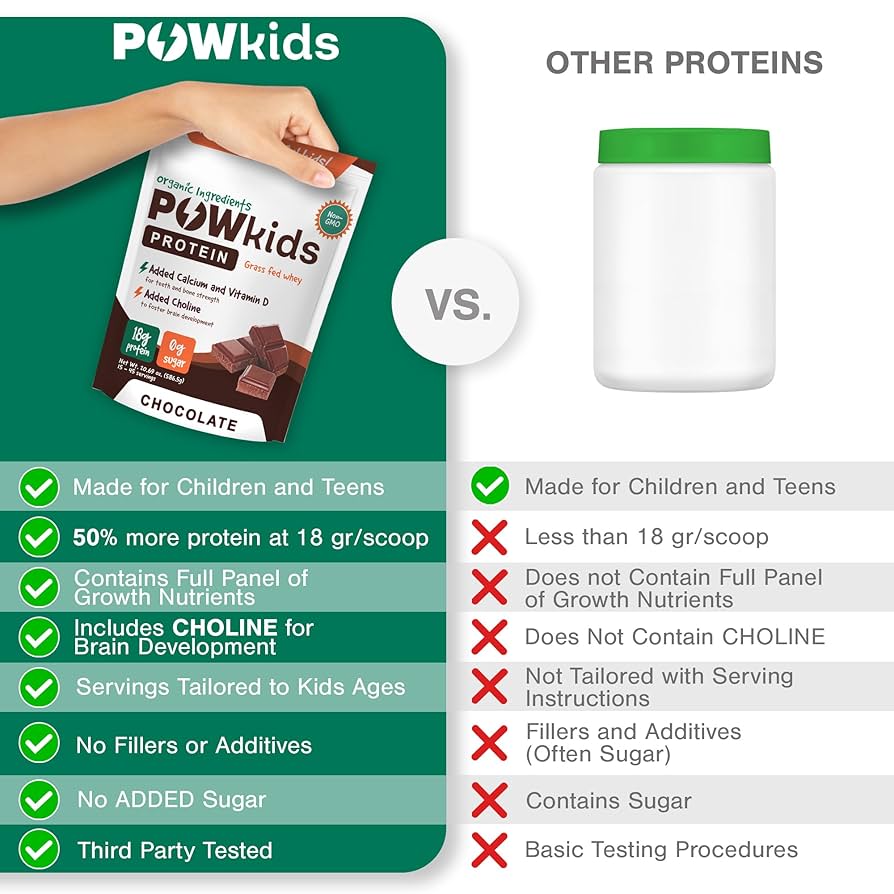
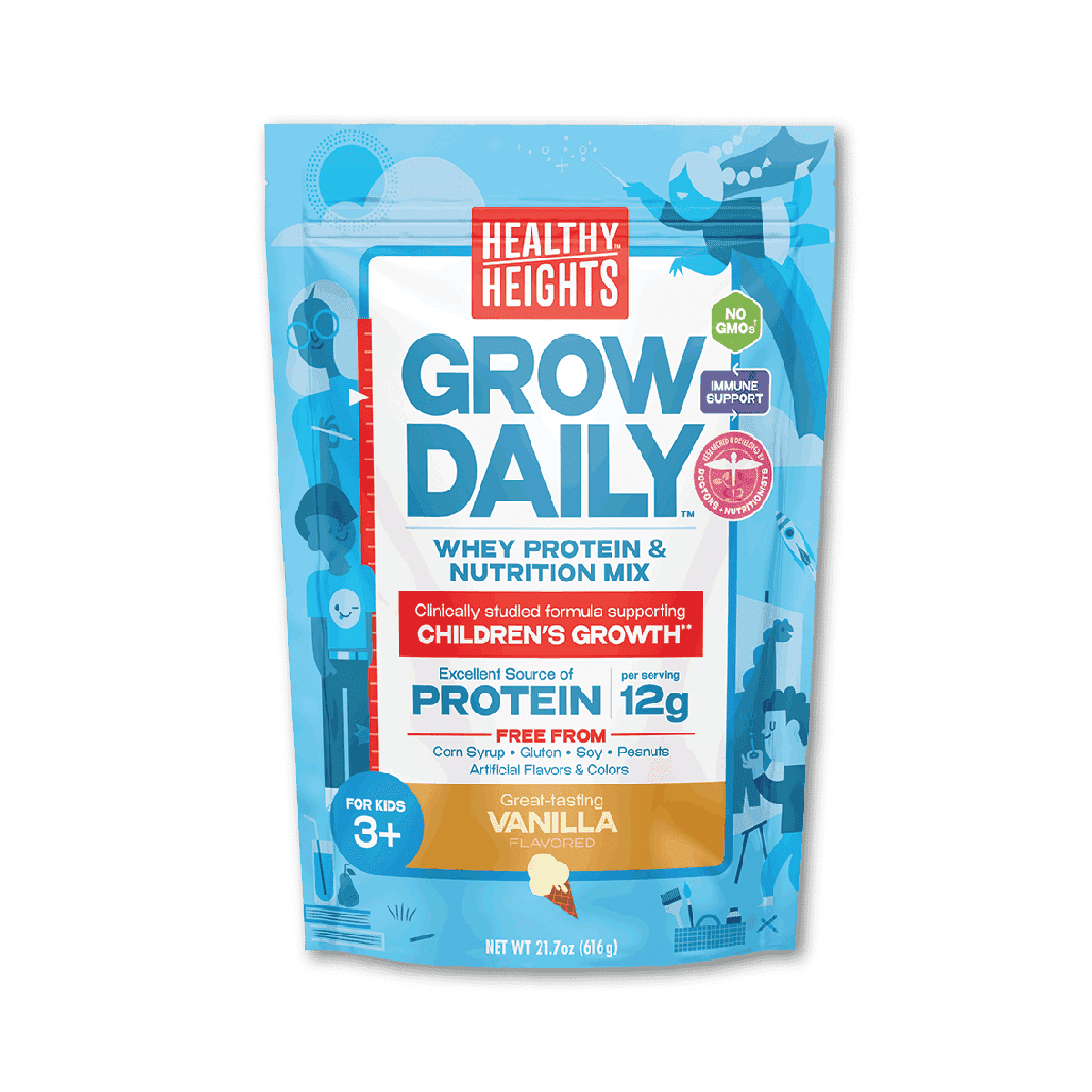
- Use protein powder made for kids
- Monitor for any allergic reactions
- Ensure a balanced diet alongside supplementation

Credit: www.amazon.com
When To Consult A Healthcare Professional
Whey protein can be safe for kids in some cases. It is important to know when to ask a doctor first.
Getting advice helps ensure children get the right nutrition without risks.
Identifying Nutritional Deficiencies
Some kids may not get enough protein or other nutrients from food. A healthcare professional can check if supplements are needed.
Signs of deficiency include slow growth, tiredness, or weak muscles. A doctor can suggest tests to find out more.
Monitoring Health Conditions
Children with health problems need special care when using whey protein. Some conditions can change how their body reacts to supplements.
Doctors can monitor kidney or liver health. They also check for allergies or digestion issues before recommending whey protein.
Personalized Dietary Advice
Every child has different needs based on age, activity, and health. A healthcare professional can create a diet plan that fits well.
They help decide if whey protein is right and how much to use safely. This keeps children healthy and supports growth.
Alternatives To Whey Protein
Parents often wonder if whey protein is safe for kids. Some prefer natural options for children’s nutrition.
Several alternatives provide good protein without whey supplements. These options support kids’ growth and health.
Plant-based Protein Options
Plant proteins come from beans, lentils, nuts, and seeds. They offer nutrients and fiber for a healthy diet.
These proteins are gentle on digestion and less likely to cause allergies than whey.
- Chickpeas and lentils
- Quinoa and brown rice
- Almonds, walnuts, and pumpkin seeds
- Pea protein powders
Whole Food Sources
Whole foods provide natural protein and other important nutrients. They are easy to include in meals.
Examples include eggs, dairy, lean meats, and fish. These help children grow strong and stay healthy.
- Eggs and cheese
- Chicken and turkey
- Fish like salmon and tuna
- Greek yogurt and cottage cheese
Balanced Diet Strategies
A balanced diet with varied foods ensures kids get enough protein. Mixing different foods improves nutrition.
Offer meals with vegetables, grains, and protein sources. Healthy snacks also add protein throughout the day.
- Include a protein source in every meal
- Use nuts or seeds as snacks
- Mix beans with rice or pasta
- Encourage fruits and vegetables daily
Tips For Choosing Quality Whey Protein
Choosing the right whey protein for kids is important for their health. Parents should look for clean and safe options.
Good whey protein supports growth and recovery without harmful ingredients. Learn how to pick the best one.
Reading Ingredient Labels
Always check the ingredient list on whey protein products. Look for simple ingredients with no unknown chemicals.
Choose whey protein with clear labeling. Avoid those with artificial sweeteners or colors.
- Look for whey protein concentrate or isolate
- Avoid long lists of chemicals or artificial additives
- Choose products with natural flavors and sweeteners
Avoiding Additives And Fillers
Additives and fillers can reduce the quality of whey protein. Some may cause allergies or stomach issues in kids.
Choose whey protein without extra sugars, thickeners, or fillers. These add no nutrition and may harm kids.
- Skip products with artificial sweeteners like sucralose or aspartame
- Avoid fillers such as maltodextrin or cellulose
- Pick whey powders with minimal added ingredients
Trusted Brands And Certifications
Choose whey protein from brands that parents and doctors trust. Check for certifications that prove safety.
Look for products tested by third parties. Certifications can show the protein is clean and free from banned substances.
- Choose brands with good reviews and transparent sourcing
- Look for NSF Certified for Sport or Informed-Choice labels
- Check if the product is non-GMO and allergen tested
Credit: www.walmart.com
Frequently Asked Questions
Is Whey Protein Safe For Children To Consume?
Whey protein is generally safe for children when used in moderation. It should complement a balanced diet and not replace whole foods. Consult a pediatrician before adding whey protein to your child’s diet to ensure it suits their health needs and growth requirements.
What Are The Benefits Of Whey Protein For Kids?
Whey protein supports muscle growth, immune function, and recovery in active children. It provides essential amino acids and helps meet daily protein needs. However, it is best used as a supplement, not a primary protein source, to maintain balanced nutrition.
Can Whey Protein Cause Allergies In Kids?
Yes, whey protein can cause allergic reactions, especially in children with dairy allergies or lactose intolerance. Symptoms include hives, stomach upset, or breathing difficulties. Always check for allergies and start with small amounts under medical supervision to prevent adverse effects.
How Much Whey Protein Is Safe For Kids Daily?
For most children, 0. 8 to 1 gram of protein per kilogram of body weight is sufficient, including whey protein. Excessive intake is unnecessary and may strain kidneys. Always consult a healthcare provider to determine the correct dosage for your child’s age and activity level.
Conclusion
Whey protein can be safe for kids if used right. Always check with a doctor before giving it to children. Balance it with healthy foods and avoid too much protein. Watch for any allergies or side effects carefully. Protein helps kids grow strong and stay active.
Use whey protein only when needed, not as a regular meal. Staying healthy is about good choices every day. Keep nutrition simple and safe for your child’s needs.


