
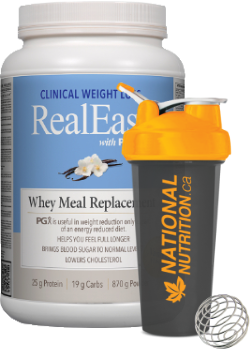
Are you looking for a quick, effective way to fuel your body and stay on track with your nutrition? You might have heard about whey protein as a meal replacement, but is it really the right choice for you?
Understanding how whey protein works and whether it can fully replace a meal is key to making smart decisions about your health. Keep reading to discover the truth behind whey protein as a meal replacement and how it can fit into your daily routine.
Your body—and your goals—will thank you.

Credit: redcon1.com
Whey Protein Basics
Whey protein is a popular supplement for fitness enthusiasts. It helps build muscle and supports weight loss.
Many people use whey protein as a meal replacement. It is convenient and nutritious.
What Is Whey Protein
Whey protein comes from milk. It is a by-product of cheese making. After milk is curdled and strained, whey is left behind.
Whey protein is easy to digest. It contains essential amino acids needed for health.
Types Of Whey Protein
There are three main types of whey protein. They differ in processing and protein content.
- Whey Protein Concentrate: Contains some fats and carbs
- Whey Protein Isolate: Almost all protein, with less fat
- Whey Protein Hydrolysate: Pre-digested for faster absorption
Nutritional Profile
Whey protein is rich in nutrients. It is low in calories and high in protein.
| Component | Amount per Serving |
| Protein | 20-30 grams |
| Calories | 100-150 calories |
| Carbohydrates | 1-5 grams |
| Fats | 1-3 grams |
Credit: www.procapslabs.com
Meal Replacement Explained
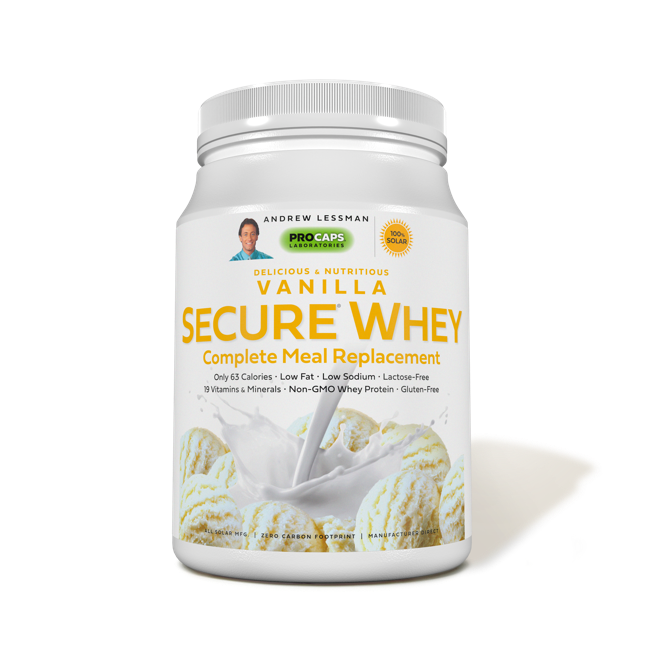
Meal replacements are foods or drinks that provide nutrients like a regular meal. They help people eat quickly and healthily.
People use meal replacements to save time or control calories. They often replace one or two meals daily.
What Makes A Meal Replacement
A meal replacement must give enough calories and nutrients for one meal. It should have protein, fat, and carbs.
It also needs vitamins and minerals to keep the body healthy. Easy preparation and good taste matter too.
- Balanced calories like a normal meal
- Protein, carbohydrates, and healthy fats
- Essential vitamins and minerals
- Convenient and quick to use
- Good flavor to encourage regular use
Common Ingredients In Meal Replacements
Meal replacements have ingredients that supply energy and nutrients. Protein is a key part for muscle and repair.
Carbs give energy, and fats support body functions. Fiber helps with digestion. Vitamins and minerals keep you healthy.
- Proteins like whey, soy, or pea protein
- Carbohydrates from oats, maltodextrin, or sugars
- Healthy fats such as sunflower or flaxseed oil
- Dietary fiber from sources like inulin or psyllium
- Vitamins and minerals for body support
How Whey Protein Fits In
Whey protein is a common protein source in meal replacements. It is easy to digest and has all essential amino acids.
Whey helps build and repair muscles. It also keeps you full longer than carbs alone. This makes it good for meal replacements.
- Complete protein with all amino acids
- Fast digestion and absorption
- Supports muscle growth and repair
- Helps increase fullness and reduce hunger
- Mixes well in shakes and powders
Benefits Of Whey Protein As A Meal Replacement
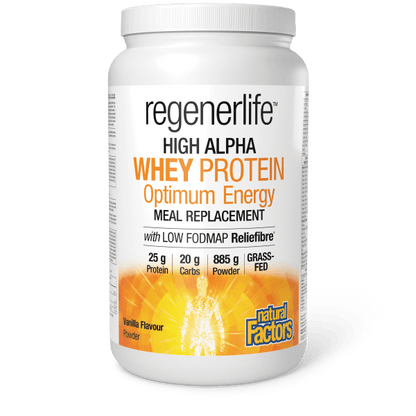
Whey protein can be used as a meal replacement for busy people. It provides essential nutrients in a quick and easy way.
This option helps keep your diet balanced when you do not have time for a full meal.
Supports Muscle Growth
Whey protein contains all essential amino acids needed for muscle repair. It helps rebuild muscles after exercise.
Using whey protein as a meal replacement can give your body the nutrients it needs to grow stronger.
Aids Weight Management
Replacing meals with whey protein can reduce calorie intake. It helps control hunger and lowers the chance of overeating.
Whey protein supports a healthy metabolism and helps maintain lean body mass during weight loss.
Convenience And Quick Nutrition
Whey protein meals are fast to prepare. They are perfect for people with busy schedules or those on the go.
Just mix whey protein with water or milk for a quick meal that gives energy and nutrients.
Improves Satiety
Whey protein helps you feel full longer. This can stop snacking between meals and help with portion control.
It slows digestion and keeps hunger away, which supports healthy eating habits.
Credit: regenerlife.ca
When To Use Whey Protein For Meals
Whey protein is a popular choice for many people who want a quick and healthy meal. It is easy to digest and provides important nutrients.
Knowing the right time to use whey protein can help you reach your fitness and health goals. It works well in different situations.
Post-workout Nutrition
After exercise, your muscles need protein to recover and grow. Whey protein helps provide the amino acids fast.
It is best to consume whey protein within 30 to 60 minutes after your workout. This supports muscle repair.
- Helps repair muscle tissue
- Supports muscle growth
- Quick digestion and absorption
Busy Lifestyle Solutions
People with busy schedules often skip meals or eat unhealthy foods. Whey protein can be a fast and nutritious option.
It saves time in meal prep and keeps energy levels steady during the day. Whey protein shakes or smoothies work well.
- Quick to prepare and consume
- Provides essential nutrients
- Helps maintain energy and focus
Weight Loss Strategies
Whey protein can help control hunger and reduce calorie intake. It keeps you feeling full longer than carbs or fats.
Replacing one meal with whey protein may support weight loss by lowering overall calories while providing needed nutrition.
- Increases feelings of fullness
- Helps preserve muscle during weight loss
- Supports a lower calorie diet
Potential Drawbacks And Considerations
Whey protein meal replacements can be helpful. They offer quick nutrition for busy days. Still, some drawbacks need thought before use.
It is important to understand their limits. This helps keep a balanced and healthy diet.
Nutrient Limitations
Whey protein shakes may lack some important nutrients. They often miss enough fiber, vitamins, and minerals.
Relying only on whey protein can cause nutrient gaps. This can affect overall health and energy.
- Low in dietary fiber
- Limited vitamins like A, C, and K
- Minerals such as iron and magnesium may be low
Allergies And Intolerances
Whey protein comes from milk. People with milk allergies should avoid it. It can cause allergic reactions.
Lactose intolerance is common. Whey protein may cause stomach discomfort or bloating in these cases.
- Milk allergy risks
- Lactose intolerance symptoms
- Check ingredients for added allergens
Not A Full Meal Substitute
Whey protein shakes lack whole foods. They do not provide the same nutrients as real meals.
Using whey protein as the only meal can reduce variety. This may lower diet quality over time.
- Missing natural fiber from fruits and vegetables
- Lack of healthy fats found in whole foods
- Limited complex carbohydrates for energy
Tips For Using Whey Protein Effectively
Whey protein is a popular choice for meal replacement. It can help you get enough protein in your diet. Using it the right way makes it more helpful.
Here are some tips to use whey protein well. These tips help you get the most benefits safely.
Combining With Other Foods
Whey protein works best when combined with other foods. Eating it with fruits or grains adds more nutrients. This helps your body absorb protein better.
- Add a banana or berries for vitamins and fiber
- Mix with oats or whole grain cereals for energy
- Include healthy fats like nuts or seeds for fullness
Choosing Quality Products
Pick whey protein products with good quality. Check the label for protein amount and ingredients. Avoid products with many additives or sugar.
- Look for products with at least 20 grams of protein per serving
- Choose whey isolate or concentrate with fewer fillers
- Read reviews to know if the product tastes good and mixes well
Avoiding Overconsumption
Do not take too much whey protein. Eating more than your body needs can cause problems. Balance your protein from food and supplements.
- Follow the serving size on the package
- Limit protein intake to about 1.6 grams per kilogram of body weight daily
- Drink plenty of water to help your kidneys process protein
Popular Whey Protein Meal Replacement Recipes
Whey protein is a great way to add nutrition to your meals. It helps build muscle and keeps you full longer. Many people use whey protein as a meal replacement to save time and eat healthy.
Here are some popular recipes using whey protein. These are easy to make and taste great. You can try smoothies, breakfasts, and snacks with whey protein.
Smoothies And Shakes
Smoothies and shakes are quick and tasty meal replacements. You can mix whey protein with fruits, vegetables, and liquids. They give you energy and nutrients fast.
- Blend whey protein with banana, spinach, and almond milk.
- Mix whey protein, frozen berries, and Greek yogurt.
- Combine whey protein, peanut butter, and oat milk.
Protein-packed Breakfasts
Start your day with a breakfast full of protein. Add whey protein powder to pancakes or oatmeal. This keeps you full and ready for the day.
- Make protein pancakes with whey protein, eggs, and oats.
- Stir whey protein into cooked oatmeal with cinnamon.
- Mix whey protein in yogurt with nuts and honey.
Healthy Snacks
Whey protein can make snacks healthier and more filling. Use it in energy balls or protein bars. These snacks help you avoid junk food.
- Mix whey protein with dates, nuts, and cocoa powder to form balls.
- Make no-bake protein bars with whey protein and peanut butter.
- Blend whey protein with cottage cheese and fruit for a quick snack.
Frequently Asked Questions
Is Whey Protein A Good Meal Replacement Option?
Whey protein can replace a meal if combined with fruits, veggies, and healthy fats. Alone, it lacks essential nutrients.
Can Whey Protein Replace All Daily Meals?
No, whey protein lacks fiber, vitamins, and minerals needed for all meals. Use it as a supplement or part of a balanced meal.
How Does Whey Protein Support Weight Loss?
Whey protein promotes satiety and preserves muscle during weight loss. It helps reduce calorie intake while maintaining metabolism.
Is Whey Protein Suitable For Meal Replacement Shakes?
Yes, whey protein is ideal in shakes when mixed with whole foods. It aids muscle repair and provides quick nutrition.
Conclusion
Whey protein can sometimes serve as a quick meal replacement. It offers good protein and helps with muscle repair. Still, it lacks some vitamins and fiber found in whole foods. Using whey protein alone may leave you hungry soon. Combining it with fruits or veggies creates a better meal.
Balance and variety matter for your health. Choose options that fit your lifestyle and goals. Listen to your body’s needs each day. Simple choices make a big difference over time.


