

Are you struggling to gain weight no matter what you try? You might be wondering if whey protein could be the key to adding those extra pounds.
Whey protein is popular among fitness fans, but does it really help you gain weight? You’ll discover how whey protein works in your body and whether it can support your weight gain goals. Keep reading to find out if this supplement is right for you and how to use it effectively.

Credit: gibbonnutrition.com
How Whey Protein Supports Weight Gain
Whey protein is a popular supplement. It helps people gain weight and build muscle. Many athletes and fitness enthusiasts use it.
Adding whey protein to your diet can be beneficial. It provides essential nutrients that support your fitness goals.
Role Of Protein In Muscle Growth
Protein is crucial for muscle growth. It helps repair and build muscle tissues. After a workout, muscles need protein to recover.
Whey protein is rich in amino acids. These are the building blocks of muscles. Consuming whey protein can enhance muscle repair.
- Supports muscle recovery
- Rich in essential amino acids
- Helps increase muscle size
Caloric Impact Of Whey Protein
Whey protein adds calories to your diet. This is important for weight gain. More calories lead to increased body weight.
Each serving of whey protein has calories. These contribute to your daily intake. It is an easy way to increase calorie consumption.
| Whey Protein Serving | Calories |
| 1 scoop | 120 |
| 2 scoops | 240 |
Whey Protein And Appetite Regulation
Whey protein may help control appetite. It can make you feel full longer. This helps with managing meal portions.
Feeling full can reduce unnecessary snacking. This supports a balanced diet while gaining weight.
- Promotes satiety
- Reduces hunger
- Helps control meal sizes
Types Of Whey Protein For Weight Gain
Whey protein can help you gain weight by adding extra calories and muscle-building nutrients. There are different types of whey protein that work in various ways.
Choosing the right type can make a difference in how well you gain weight and build muscle. Let’s look at the main types of whey protein.
Concentrate Vs Isolate Vs Hydrolysate
Whey concentrate has more fat and carbs than other types. It is less processed and has about 70-80% protein. This makes it good for weight gain because of the extra calories.
Whey isolate contains about 90% protein. It has less fat and carbs. It is more processed, so it is lower in calories. This type is better if you want to gain muscle but stay lean.
Whey hydrolysate is pre-digested protein. It absorbs faster and can help with quick muscle recovery. It usually has fewer fats and carbs and costs more.
- Concentrate:More calories, less processed, good for weight gain
- Isolate:High protein, low calories, good for lean muscle
- Hydrolysate:Fast absorption, usually low in fat and carbs
Choosing The Right Whey For Your Goals
Pick whey protein based on your weight gain goals. If you want to gain weight quickly, concentrate is a good choice. It has more calories.
If you want to build muscle but avoid fat, isolate may suit you better. For fast recovery after workouts, try hydrolysate.
- Use concentrate for calorie-rich weight gain
- Choose isolate for lean muscle building
- Pick hydrolysate for quick protein absorption
Timing And Dosage For Best Results
Whey protein can help you gain weight by adding extra calories and protein to your diet. Knowing the right time and amount to take it is important for best results.
Proper timing and dosage support muscle growth and weight gain. This guide explains when and how much whey protein to use.
Optimal Intake Times
Taking whey protein at the right times helps your body use it well. The best times are around your workouts and between meals.
After exercise, your muscles need protein to repair and grow. A whey protein shake soon after working out can speed recovery.
- Within 30 minutes after exercise to aid muscle repair
- Between meals to increase daily protein intake
- Before bed to supply protein overnight
Recommended Daily Amounts
The right dose of whey protein depends on your weight and goals. Most people aiming to gain weight use 20 to 40 grams per serving.
Spreading your protein intake over the day supports muscle growth and weight gain. Aim for a total of 1.2 to 2.0 grams of protein per kilogram of body weight daily.
- 20–40 grams of whey protein per serving
- 2–3 servings per day for most people
- Total protein intake of 1.2–2.0 g per kg of body weight
Combining Whey Protein With Exercise
Whey protein can support weight gain by helping build muscle. Eating protein alone is not enough.
Exercise is important to use the protein for muscle growth. This helps increase your body weight.
Strength Training And Muscle Mass
Strength training helps your muscles grow stronger and bigger. Whey protein provides the building blocks.
After lifting weights, your body repairs muscle fibers using protein. Whey protein speeds this process.
- Lift weights regularly to stimulate muscle growth
- Take whey protein after workouts for best results
- Eat enough calories to support muscle gain
Recovery Benefits
Whey protein helps muscles recover faster after exercise. This reduces soreness and fatigue.
Good recovery lets you train more often. This helps you gain weight by building muscle over time.
- Consume whey protein within 30 minutes after exercise
- Stay hydrated to support muscle repair
- Get enough sleep for full recovery
Potential Side Effects And Considerations
Whey protein can help you gain weight by adding extra calories and protein. It supports muscle growth when paired with exercise.
Some people may face side effects or need to think about certain health factors before using whey protein. It is important to know these details.
Digestive Issues
Whey protein may cause digestive problems for some users. These issues include bloating, gas, and stomach cramps.
People who are lactose intolerant might feel these symptoms more because whey contains lactose. Choosing whey isolate can reduce this problem.
Allergies And Sensitivities
Some individuals are allergic to whey protein. This can cause reactions like rashes, itching, or swelling.
It is important to stop use and see a doctor if you notice any allergic symptoms after taking whey protein.
Balancing Protein With Other Nutrients
Getting enough protein is good for weight gain, but balance is key. Your body also needs fats, carbs, and vitamins.
Relying only on whey protein can cause nutrient gaps. Eating a variety of foods supports overall health and weight gain.

Credit: in.fastandup.com
Real-life Success Stories
Many people use whey protein to gain weight and build muscle. Real-life stories help us see how it works for different people.
These stories come from athletes and everyday users. They show the results of adding whey protein to their diet.
Athletes’ Experiences
Athletes often use whey protein to support muscle growth and recovery. Many report steady weight gain after consistent use.
One runner gained 8 pounds of muscle in 3 months with whey protein and regular training. A weightlifter added 10 pounds while improving strength.
- Supports muscle repair after workouts
- Helps add lean muscle mass
- Provides quick protein absorption
Everyday Users’ Gains
People who are not athletes also see weight gain using whey protein. They combine it with healthy meals and exercise.
A college student gained 12 pounds in 4 months by drinking whey shakes daily. A busy mom added 7 pounds of muscle while staying active.
- Easy way to increase daily protein
- Supports healthy weight gain
- Fits well into busy lifestyles
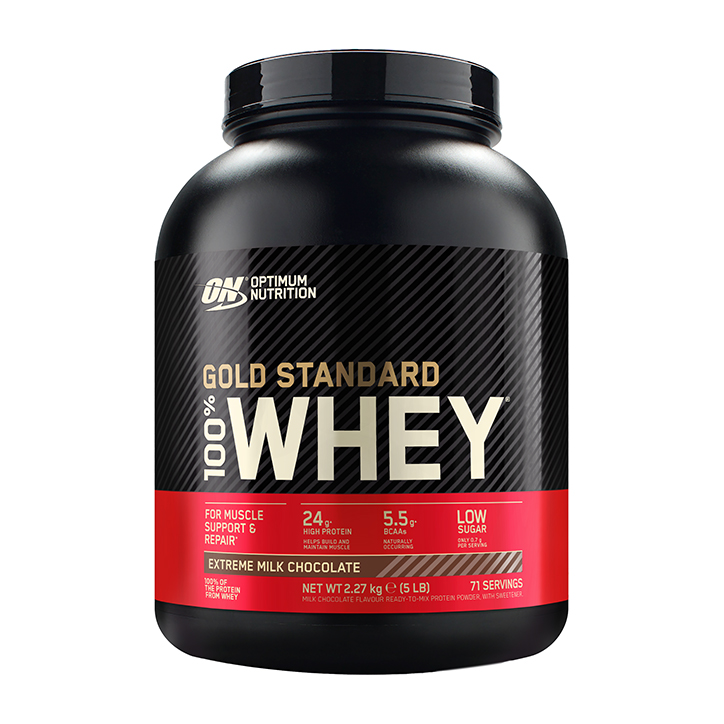
Credit: www.hollandandbarrett.com
Frequently Asked Questions
Can Whey Protein Help In Healthy Weight Gain?
Yes, whey protein supports healthy weight gain by building muscle mass. It provides essential amino acids that aid muscle growth when combined with strength training.
How Much Whey Protein Is Needed To Gain Weight?
Consuming 20-30 grams of whey protein post-workout daily helps muscle repair and growth. Total daily protein intake should be 1. 2-2. 0 grams per kg of body weight.
Does Whey Protein Cause Fat Gain Or Muscle Gain?
Whey protein promotes muscle gain, not fat gain, when paired with exercise. Excess calories from any source can cause fat gain, so balance intake carefully.
Is Whey Protein Effective Without Exercise For Weight Gain?
Whey protein alone won’t cause significant weight gain without exercise. Resistance training is essential to convert protein intake into muscle mass effectively.
Conclusion
Whey protein can support weight gain when combined with a good diet. It helps add extra calories and build muscle faster. Eating balanced meals and exercising matter just as much. Protein shakes alone won’t make you gain weight. Stay consistent and patient for steady progress.
Choose quality whey protein to avoid unwanted ingredients. Small steps each day lead to better results. Keep track of your nutrition and adjust as needed. Gaining weight takes time and effort, but it is possible.


