
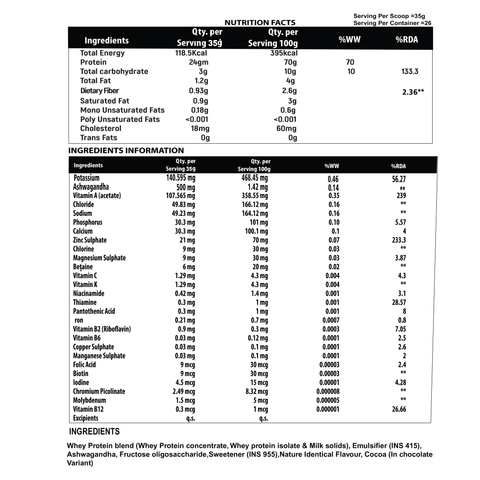
Are you curious about how much leucine is in your whey protein and why it matters for your fitness goals? Leucine is a key amino acid that plays a big role in building muscle and speeding up recovery.
Knowing the exact amount in your whey protein can help you make smarter choices and get the most out of your workouts. You’ll discover why leucine is so important, how much you need, and how whey protein stacks up. Keep reading to unlock the secret to maximizing your muscle gains.

Credit: explosivewhey.com
Leucine And Muscle Growth
Leucine is a key amino acid found in whey protein. It plays a vital role in building muscles. Understanding its impact can help improve fitness results.
Whey protein is popular among those looking to build muscle. It contains leucine, which is crucial for muscle growth and repair.
Role Of Leucine In Protein Synthesis
Leucine helps in starting the process of protein synthesis. This process is essential for building new muscle tissues. Whey protein provides a good amount of leucine.
Protein synthesis is the body’s way of creating new proteins. Leucine plays a major part in this process. More leucine means better muscle building.
Leucine’s Impact On Muscle Repair
Muscle repair is important after a workout. Leucine helps in this recovery process. It reduces muscle soreness and aids in quicker recovery.
After exercise, muscles need repair. Leucine helps speed up this repair. This means less pain and faster healing.
- Boosts muscle recovery
- Reduces soreness
- Speeds up healing
Leucine Content In Whey Protein
Leucine is an important amino acid found in whey protein. It helps build muscles and supports recovery after exercise.
Many people want to know how much leucine is in whey protein. This helps them choose the right protein for their needs.
Typical Leucine Levels In Whey
Whey protein usually contains about 10% to 12% leucine by weight. This means 100 grams of whey has about 10 to 12 grams of leucine.
Leucine is one of the branched-chain amino acids that play a key role in muscle growth. Whey protein is a rich source compared to other proteins.
- Whey protein concentrate: around 10% leucine
- Whey protein isolate: about 11% leucine
- Whey protein hydrolysate: near 12% leucine
Comparing Whey Types
Different whey types have slightly different leucine amounts. This depends on how the protein is processed.
Whey isolate usually has more leucine than concentrate. Hydrolysate has the highest leucine because it is broken down into smaller parts.
| Whey Type | Leucine Content (%) | Notes |
|---|---|---|
| Whey Protein Concentrate | ~10% | Less processed, contains some fat and lactose |
| Whey Protein Isolate | ~11% | More purified, less fat and lactose |
| Whey Protein Hydrolysate | ~12% | Pre-digested for faster absorption |
Daily Leucine Requirements
Leucine is an important amino acid found in whey protein. It helps build muscle and repair tissues. Knowing how much leucine you need daily is key for good health.
The amount of leucine needed varies by age, activity, and health goals. This guide explains daily leucine needs for different people.
Leucine Needs For Athletes
Athletes need more leucine to support muscle growth and recovery. Whey protein is a good source because it has a high leucine content.
Most athletes should aim for about 3 to 5 grams of leucine per meal. This helps trigger muscle protein synthesis and aids in recovery after exercise.
- Athletes often consume 9 to 12 grams of leucine daily.
- Whey protein usually contains about 10% leucine by weight.
- Consuming whey after workouts helps meet leucine needs quickly.
Leucine Intake For Beginners
Beginners also need leucine but in smaller amounts. It supports new muscle growth and helps reduce soreness.
Daily leucine intake of 2 to 3 grams per meal is enough for most beginners. Whey protein can help reach this target easily.
- Start with 6 to 9 grams of leucine daily.
- Spread leucine intake over 2 to 3 meals.
- Use whey protein to add leucine without extra calories.
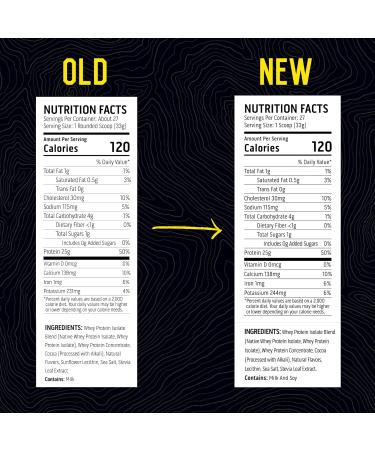
Credit: www.gosupps.com
Optimizing Whey Protein Intake
Whey protein is a popular supplement for building muscle and recovery. It contains leucine, an essential amino acid.
Leucine helps trigger muscle growth and repair after exercise. Knowing how much leucine is in whey protein can improve your intake.
Timing For Maximum Absorption
Taking whey protein soon after exercise helps your body absorb leucine quickly. This supports muscle repair and growth.
Whey protein digests fast, so aim to consume it within 30 minutes after your workout. This timing gives your muscles the leucine they need.
- Consume whey protein within 30 minutes post-workout
- Leucine absorption peaks during this window
- Faster digestion helps muscle recovery
Combining Whey With Other Nutrients
Pairing whey protein with carbohydrates can improve leucine’s effect. Carbs raise insulin, which helps muscles use leucine better.
Adding healthy fats slows digestion, allowing steady leucine release. This can help keep muscle protein synthesis active longer.
- Carbohydrates boost insulin and leucine uptake
- Healthy fats slow digestion for steady leucine release
- Combining nutrients supports longer muscle recovery
Potential Risks And Considerations
Whey protein contains leucine, an important amino acid. It helps build muscle and supports recovery.
Too much leucine can cause problems. It is important to know the risks before taking large amounts.
Excessive Leucine Intake
Taking too much leucine can lead to side effects. These include nausea, fatigue, and headaches.
High leucine intake may also affect blood sugar levels. It could cause insulin resistance over time.
- Nausea and stomach discomfort
- Fatigue and dizziness
- Possible insulin resistance
- Imbalance of other amino acids
Leucine And Kidney Health
People with kidney problems should be careful with leucine. High protein diets can strain the kidneys.
Excessive leucine may increase waste products in the blood. This puts extra work on the kidneys to filter.
- Increased kidney workload
- Risk of worsening kidney disease
- Need for medical advice before high leucine intake
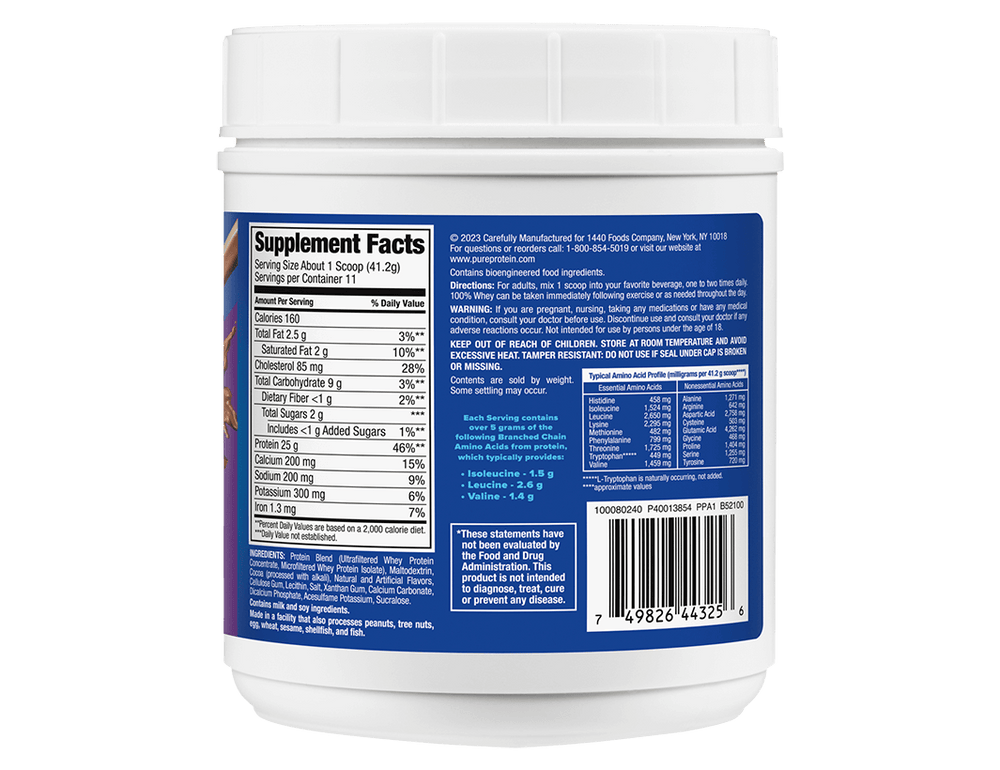
Credit: www.pureprotein.com
Frequently Asked Questions
How Much Leucine Is In 1 Scoop Of Whey Protein?
One scoop of whey protein typically contains 2 to 3 grams of leucine. This amount supports muscle growth and recovery effectively. Leucine content may vary based on brand and whey type.
Why Is Leucine Important In Whey Protein?
Leucine is a key amino acid that triggers muscle protein synthesis. It helps repair and build muscles after exercise. Whey protein’s high leucine content makes it ideal for athletes and fitness enthusiasts.
Does Whey Protein Have More Leucine Than Other Proteins?
Yes, whey protein generally has higher leucine levels than casein or soy protein. This makes whey more effective for quick muscle recovery and growth. Leucine concentration in whey ranges from 8-12% of total protein.
How Much Leucine Do I Need Daily From Whey?
Adults should aim for about 2 to 3 grams of leucine per meal. Whey protein can easily provide this amount in one serving. Meeting leucine needs supports muscle maintenance and overall health.
Conclusion
Whey protein contains a good amount of leucine. This amino acid helps build and repair muscles fast. Most whey proteins have about 2 to 3 grams of leucine per serving. Eating enough leucine supports muscle growth and recovery. Choose whey protein that fits your daily protein needs.
Remember, balanced nutrition helps you reach fitness goals. Simple, clear, and effective.


