

Are you worried that adding whey protein to your diet might make you gain unwanted fat? You’re not alone.
Many people wonder if this popular supplement could be the reason behind those extra pounds. But here’s the truth—whey protein itself doesn’t make you fat. What really matters is how you use it and what else you’re eating. Keep reading, and you’ll discover the facts that can help you make smart choices for your body and reach your fitness goals without fear.

Credit: gibbonnutrition.com
Whey Protein Basics
Whey protein is a popular supplement. Many people use it for fitness and health. It comes from milk during cheese production.
Some think whey protein can make you fat. The truth is more complex. Let’s explore what whey protein is and its types.
What Is Whey Protein?
Whey protein is a complete protein. It contains all nine essential amino acids. These acids are important for muscle repair and growth.
It is quickly absorbed by the body. This makes it ideal for post-workout recovery. Many athletes and gym-goers use it.
Types Of Whey Protein
There are several types of whey protein. Each type has different features and benefits.
- Whey Protein Concentrate:Contains some fat and lactose. It has about 70-80% protein.
- Whey Protein Isolate:Almost all fat and lactose removed. It has about 90% or more protein.
- Whey Protein Hydrolysate:Pre-digested for faster absorption. It is often used in medical protein supplements.
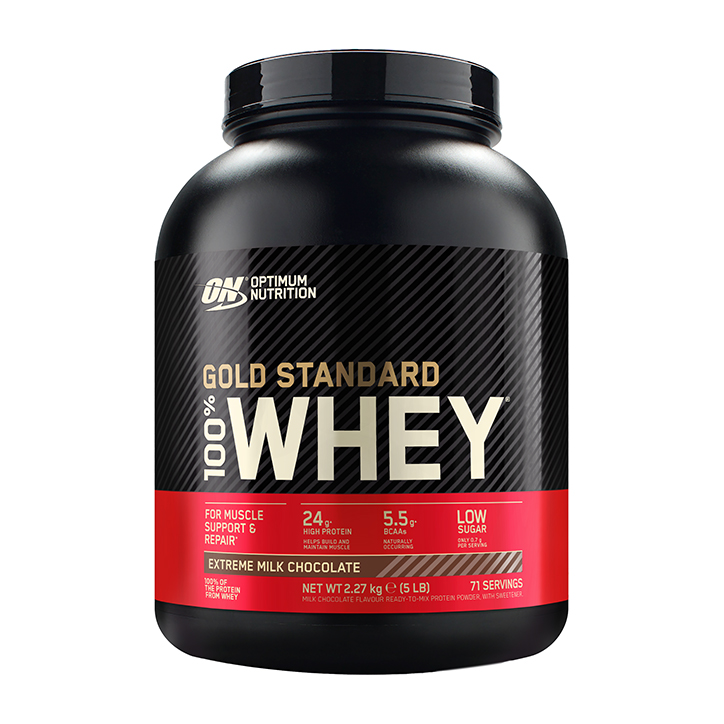
Credit: www.hollandandbarrett.com
Whey Protein And Weight Gain
Many people wonder if whey protein makes you fat. Whey protein is a popular supplement. It helps people build muscle and recover after exercise.
It is important to know how whey protein affects your weight. This depends on your overall diet and activity level.
Calories And Protein Content
Whey protein has calories like any food. Most whey protein powders have about 100 to 130 calories per serving. A serving usually contains 20 to 25 grams of protein.
Calories come from protein, carbs, and fats in the powder. Protein has 4 calories per gram. Carbs and fats add some calories too.
- Typical serving: 100-130 calories
- Protein per serving: 20-25 grams
- Carbs and fats add small calories
Muscle Growth Vs Fat Gain
Whey protein helps build muscle when combined with exercise. Muscle growth uses calories to repair and grow muscles.
If you eat more calories than you burn, you may gain fat. Whey protein alone does not cause fat gain. Eating too many calories from any source can add fat.
- Whey protein supports muscle repair and growth
- Extra calories beyond needs can cause fat gain
- Balance protein intake with exercise and calories
Common Myths About Whey Protein
Many people have wrong ideas about whey protein. These myths can stop them from using it correctly.
This article clears up some common myths about whey protein and its effects on the body.
Whey Protein Causes Fat Gain
Whey protein itself does not cause fat gain. Eating too many calories overall leads to fat gain.
If you eat whey protein as part of a balanced diet, it can help build muscle, not fat.
- Calories more than you burn cause fat gain
- Whey protein helps repair muscles after exercise
- Use whey protein to replace unhealthy snacks
Whey Protein Is Only For Bodybuilders
Whey protein is not just for bodybuilders. Many people use it for health and fitness goals.
It helps with muscle repair, weight management, and meeting daily protein needs for everyone.
- Athletes use whey to recover faster
- People trying to lose weight use it to feel full
- Older adults use whey to keep muscle strength
How Whey Protein Affects Metabolism
Whey protein is a popular supplement for many people. It helps build muscle and can affect how your body burns energy.
Understanding how whey protein changes metabolism can help you decide if it fits your diet.
Thermic Effect Of Protein
Protein has a higher thermic effect than fats or carbs. This means your body uses more energy to digest protein.
Whey protein increases your metabolism by making your body work harder to process it.
- Protein raises calorie burn during digestion
- Whey protein is quickly absorbed, boosting metabolism fast
- This effect helps burn more calories throughout the day
Appetite Control And Satiety
Whey protein helps control your appetite. It makes you feel full longer after eating.
This fullness can reduce how much food you eat, which may help with weight management.
- Whey protein slows hunger signals
- It helps reduce cravings between meals
- Eating whey protein can lower total calorie intake
Using Whey Protein Wisely
Whey protein is a popular supplement for muscle building and recovery. Some people worry it might make them gain fat.
Using whey protein the right way helps avoid unwanted weight gain. It supports your fitness goals when used wisely.
Recommended Dosage
Taking too much whey protein can add extra calories. This may lead to fat gain over time.
Most adults need about 20 to 30 grams per serving. This amount helps muscle growth without adding excess calories.
- Do not exceed 1.6 to 2.2 grams of protein per kilogram of body weight daily.
- Divide protein intake evenly across meals.
- Check nutrition labels for accurate serving sizes.
Timing And Frequency
Whey protein works best when timed around workouts. It helps muscles recover and grow after exercise.
Use whey protein one to two times daily. Avoid taking it too late at night to prevent extra calorie storage.
- Consume whey protein within 30 minutes after exercise.
- Use whey on rest days to meet daily protein goals.
- Space servings evenly to support muscle repair.

Credit: in.fastandup.com
Factors Influencing Weight Changes
Many people wonder if whey protein can make them fat. Weight change depends on many factors. It is not just about one food or supplement.
Understanding these factors can help you manage your weight better while using whey protein.
Diet And Caloric Balance
Weight gain happens when you eat more calories than you burn. Whey protein adds calories to your diet. If you eat too much, you can gain fat.
Eating a balanced diet with the right calories is important. Whey protein can help with muscle growth if used properly. It is not a cause of fat by itself.
- Calories in must not exceed calories out to avoid fat gain
- Whey protein adds calories but also supports muscle repair
- Track total food intake to maintain a healthy weight
Exercise And Activity Levels
Exercise burns calories and helps build muscle. Whey protein supports muscle recovery after workouts. More activity means more calories burned.
If you are active, whey protein helps improve your strength. Without exercise, extra calories from whey may turn into fat.
- Regular exercise increases calorie needs
- Whey protein aids muscle growth and repair
- Low activity means fewer calories burned
- Balance protein intake with your exercise level
Frequently Asked Questions
Does Whey Protein Cause Weight Gain?
Whey protein itself does not cause weight gain. Excess calories, including those from whey, lead to fat gain. Balanced diet and exercise are key to managing weight while using whey protein.
How Does Whey Protein Affect Body Fat?
Whey protein supports muscle growth and repair. It can boost metabolism and reduce appetite. Proper intake combined with exercise helps reduce body fat, not increase it.
Can Whey Protein Replace Meals Safely?
Whey protein can replace meals occasionally but not regularly. Whole foods provide essential nutrients missing in protein powders. Use whey as a supplement, not a full meal substitute.
Is Whey Protein Suitable For Weight Loss?
Yes, whey protein aids weight loss by promoting satiety and muscle preservation. It helps reduce cravings and supports fat loss when combined with a calorie-controlled diet.
Conclusion
Whey protein alone does not make you gain fat. Eating more calories than you burn causes fat gain. Whey protein helps build muscle when combined with exercise. Choose the right amount based on your daily needs. Avoid adding too many extra calories from snacks or drinks.
Focus on a balanced diet and regular workouts. Whey protein can support your fitness goals safely. Monitor your intake and adjust if needed. Keep your health and goals in mind always.


