
Are you worried that the whey protein you take to build muscle might actually be feeding cancer cells? It’s a question that many people like you have asked but don’t always find clear answers to.
You want to stay healthy and strong, but also be sure that what you eat isn’t putting you at risk. This article will cut through the confusion and give you straightforward facts about whey protein and its impact on cancer cells.
Keep reading to discover what science really says—so you can make the best choice for your body and peace of mind.
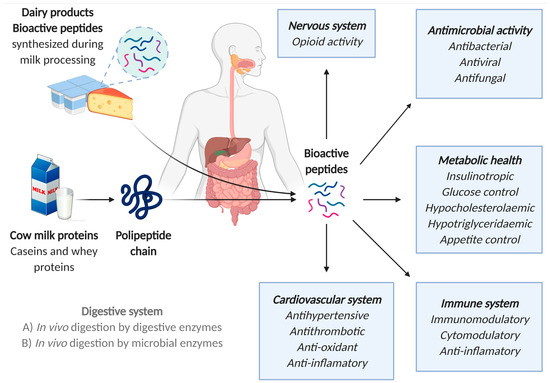
Credit: www.mdpi.com
Whey Protein Basics
Whey protein is a popular supplement. It is often used by athletes and fitness enthusiasts. Many people believe it helps build muscle and improve performance.
There are questions about whey protein and cancer. Some worry it might feed cancer cells. Understanding whey protein can help address these concerns.
What Is Whey Protein
Whey protein is a product from milk. It is the liquid that separates from milk during cheese production. This protein is high in essential amino acids.
It is easy to digest and absorb. People often use it in shakes and smoothies. Whey protein is available in different forms like concentrate, isolate, and hydrolysate.
Common Uses And Benefits
Whey protein has many uses. It is not just for bodybuilders. Many people use it to increase their protein intake.
It can help with muscle growth and recovery. It may also support weight loss and improve immune function. Some people use it to manage blood sugar levels.
- Supports muscle growth and repair
- Aids in weight management
- Improves immune system function
- Helps control blood sugar levels
Cancer Cell Metabolism
Cancer cells use energy differently than normal cells. They change how they get nutrients to grow fast.
This change in energy use helps cancer cells survive and multiply quickly in the body.
How Cancer Cells Grow
Cancer cells grow faster than normal cells. They divide and spread quickly to form tumors.
They can keep growing even when the body tries to stop them. This uncontrolled growth causes problems.
Nutrient Needs Of Cancer Cells
Cancer cells need a lot of nutrients to keep growing. They use sugars and proteins for energy and building blocks.
Whey protein is a source of amino acids. Amino acids help build proteins, but they do not directly feed cancer cells more than normal cells.
- Cancer cells need glucose (sugar) for energy
- They use amino acids to build new proteins
- They consume more nutrients than normal cells
- Protein supplements like whey do not selectively feed cancer cells
Myths About Whey Protein And Cancer
Many people worry that whey protein might help cancer cells grow. This idea causes confusion and fear. It is important to look at facts.
This article explains the origins of this myth and clears up common wrong ideas. Understanding these can help make better health choices.
Origins Of The Myth
Some studies show that cancer cells use protein to grow. People think all protein, like whey, feeds cancer cells. This is a simple but wrong idea.
The myth started because whey protein is rich in amino acids. Some believe these amino acids help all cells, including cancer cells, grow faster.
- Protein supports muscle growth and repair.
- Cancer cells also need nutrients to grow.
- People confuse normal cell growth with cancer growth.
Common Misconceptions
Not all proteins affect cancer the same way. Whey protein supports healthy cells and immune function. It does not directly feed cancer cells.
Many believe cutting protein stops cancer growth. This can hurt the body by weakening muscles and immunity. Proper nutrition is important during cancer treatment.
- Whey protein helps repair tissues and maintain strength.
- Protein restriction may cause muscle loss and fatigue.
- Scientific evidence does not link whey protein to cancer growth.
- Always follow doctor advice for diet and cancer care.

Credit: onlinelibrary.wiley.com
Scientific Evidence On Whey Protein And Cancer
Whey protein is a common supplement used to support muscle growth and health. Some people worry it may feed cancer cells. Scientific studies have looked at this question closely.
This article reviews laboratory and clinical research about whey protein and cancer. It explains what science says on this topic.
Laboratory Studies
Laboratory studies test whey protein effects on cancer cells in petri dishes or animals. These studies help us understand biological processes.
Some lab studies show whey protein can slow cancer cell growth. Others find no effect or mixed results. It depends on cancer type and protein dose.
- Whey protein may boost the immune system, helping fight cancer cells.
- High doses in lab settings sometimes reduce tumor size in animals.
- Some cancer cells do not grow faster with whey protein.
- Results vary by cancer type and study design.
Clinical Research Findings
Clinical studies observe people using whey protein supplements. Researchers check if whey protein affects cancer risk or progression.
Most clinical research finds no evidence that whey protein feeds cancer cells. Some studies suggest it may help cancer patients maintain muscle and strength.
- Whey protein supports recovery in cancer patients undergoing treatment.
- No increased cancer growth linked to normal whey protein intake.
- Clinical trials find whey protein safe for most cancer survivors.
- More research is needed to confirm long-term effects.
Whey Protein’s Role In Cancer Care
People often wonder if whey protein feeds cancer cells. This is an important question for those using whey during cancer treatment. Whey protein is a popular supplement for many patients.
Research shows whey protein can help in some ways during cancer care. It supports the body and helps maintain strength. Understanding its effects is key to safe use.
Supporting Muscle Mass
Cancer and its treatments often cause muscle loss. Whey protein provides essential amino acids. These help rebuild and keep muscle strong.
Maintaining muscle mass improves energy and overall health. Whey protein can be easier to digest than other proteins. This makes it a good option for cancer patients.
Immune System Effects
Whey protein contains compounds that support the immune system. A strong immune system helps the body fight infections during treatment.
It can increase the production of glutathione. Glutathione is a powerful antioxidant that protects cells. This helps reduce damage caused by cancer therapies.
- Boosts white blood cell function
- Supports antioxidant defenses
- Helps reduce inflammation
Safe Whey Protein Consumption
People often wonder if whey protein can feed cancer cells. Research shows that normal amounts of whey protein do not cause cancer cells to grow. It is safe to consume whey protein as part of a balanced diet.
Whey protein helps support muscle health and recovery. People with cancer or other health conditions should take care to use it properly. Safe use depends on the amount and individual health needs.
Recommended Dosages
The right amount of whey protein varies by age, weight, and activity level. Most adults can safely consume 20 to 30 grams per serving. Daily intake should not exceed 1.6 to 2.2 grams per kilogram of body weight.
- 20-30 grams per serving for most adults
- 1.6 to 2.2 grams per kilogram of body weight daily
- Spread intake over the day for best absorption
Consulting Healthcare Professionals
People with cancer should talk to their doctor before using whey protein. Healthcare professionals can offer advice tailored to each person’s condition. They can also monitor for any side effects or interactions.
Dietitians and doctors help ensure safe protein intake. Always share your full medical history before starting whey supplements. This helps create a safe and effective nutrition plan.
Alternatives To Whey Protein
Whey protein is popular but may not suit everyone. Some people worry it might feed cancer cells. Choosing other protein sources can help.
There are many protein options from plants and other supplements. These choices provide good nutrition without concerns linked to whey.
Plant-based Protein Options
Plant proteins come from beans, seeds, and grains. They are rich in nutrients and easy to digest. Many people use them as a whey alternative.
Common plant protein powders include pea, rice, hemp, and soy. Each has a unique taste and nutrient profile. They are safe for most health conditions.
- Pea protein is high in iron and easy to absorb
- Rice protein is gentle on the stomach and hypoallergenic
- Hemp protein has omega-3 fats and fiber
- Soy protein offers complete amino acids similar to whey
Other Supplements
Besides protein powders, other supplements can support health. These include vitamins, minerals, and amino acids. They help maintain strength and energy.
Collagen and bone broth powders are popular options. They provide protein and support joint health. These do not contain whey and are often well tolerated.
- Collagen supports skin, hair, and joints
- Bone broth adds protein and minerals
- Amino acid supplements help muscle repair
- Multivitamins boost overall nutrition

Credit: www.sciencedirect.com
Frequently Asked Questions
Does Whey Protein Promote Cancer Cell Growth?
Current research shows no direct evidence that whey protein promotes cancer cell growth. Whey provides essential amino acids that support muscle repair and immune function. However, cancer progression depends on various factors beyond protein intake. Always consult a healthcare professional for personalized advice.
Can Whey Protein Affect Cancer Treatment Outcomes?
Whey protein may support overall nutrition during cancer treatment but does not interfere with treatment effectiveness. It helps maintain muscle mass and strength. Proper nutrition can improve recovery and quality of life during therapy. Discuss dietary supplements with your oncologist to ensure safety.
Is Whey Protein Safe For Cancer Survivors?
Yes, whey protein is generally safe for cancer survivors when consumed in moderation. It aids in muscle recovery and immune health. However, individual needs vary, so it’s essential to consult a healthcare provider before adding supplements to your diet.
Does Whey Protein Increase Cancer Risk?
There is no conclusive evidence that whey protein increases cancer risk. Balanced protein intake supports bodily functions without causing harm. Excessive consumption of any supplement may have risks, so moderation and medical guidance are important.
Conclusion
Whey protein does not directly feed cancer cells. Studies show it supports muscle health without boosting cancer growth. Eating balanced meals and following doctor advice matters most. Protein helps the body heal and stay strong during illness. Avoiding all protein can cause weakness and slow recovery.
Focus on a healthy diet and regular check-ups. Always talk to your healthcare provider about supplements. Stay informed and make choices that support your well-being. Small steps can make a big difference in health.


