
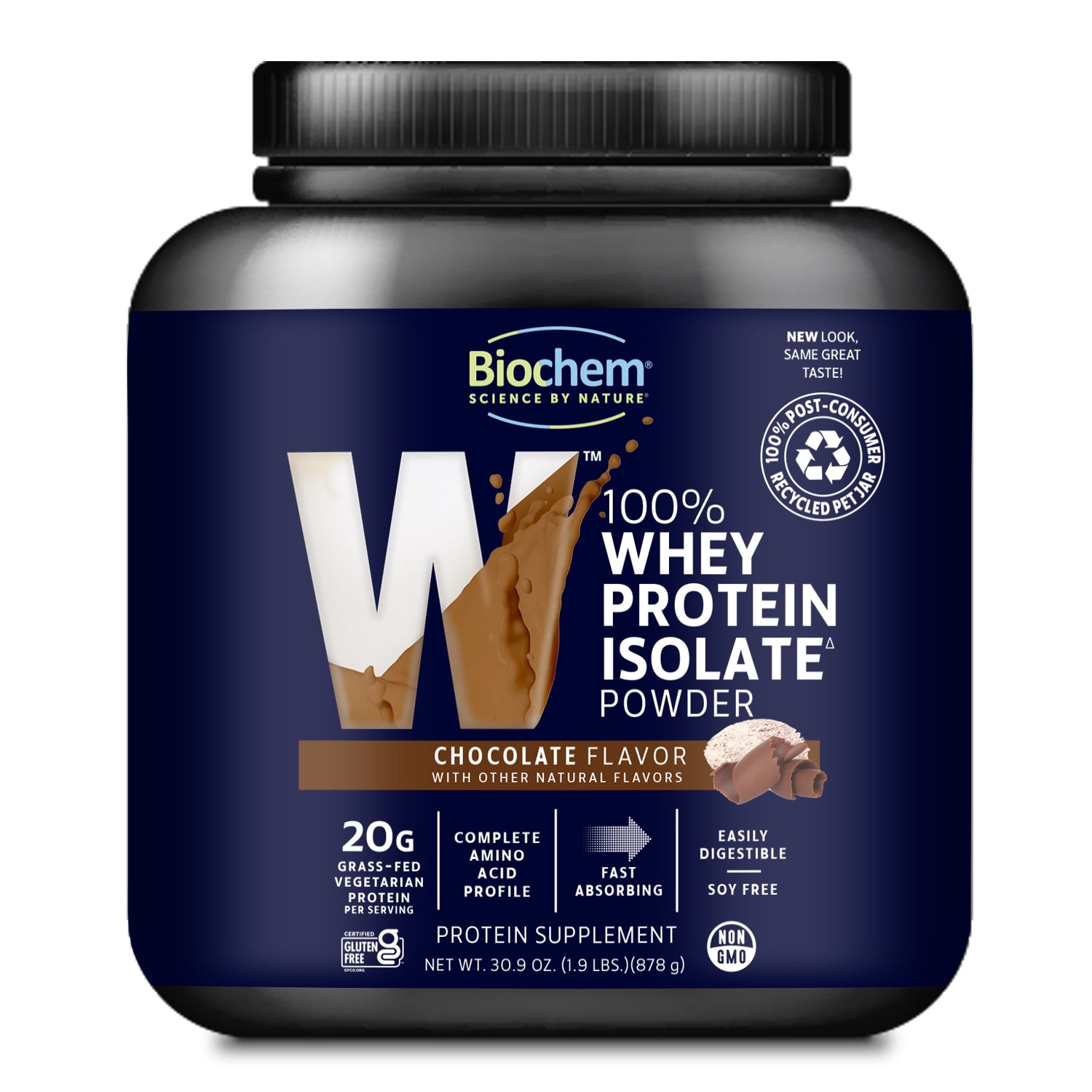
Are you wondering if whey protein contains milk? If you’re trying to boost your fitness or improve your diet, this question matters a lot.
Knowing what’s inside your protein powder can affect your health, allergies, and how your body responds. You’ll discover the truth about whey protein and milk, so you can make the best choice for your needs. Keep reading to get clear answers that help you stay healthy and strong.

Credit: gorillamind.com
What Is Whey Protein
Whey protein is a popular supplement for those looking to build muscle. It is derived from milk during the cheese-making process.
Whey protein is rich in essential amino acids. These acids are crucial for muscle growth and recovery.
Sources Of Whey Protein
Whey protein comes from the liquid part of milk. It separates from the curds during cheese production.
- Milk is the primary source of whey protein.
- Cheese factories produce whey as a byproduct.
- Whey is processed and dried into a powder.
Types Of Whey Protein
There are different types of whey protein. Each type has unique benefits and characteristics.
- Whey Protein Concentrate: Contains some fat and lactose.
- Whey Protein Isolate: More refined, with less fat and lactose.
- Whey Protein Hydrolysate: Predigested for faster absorption.
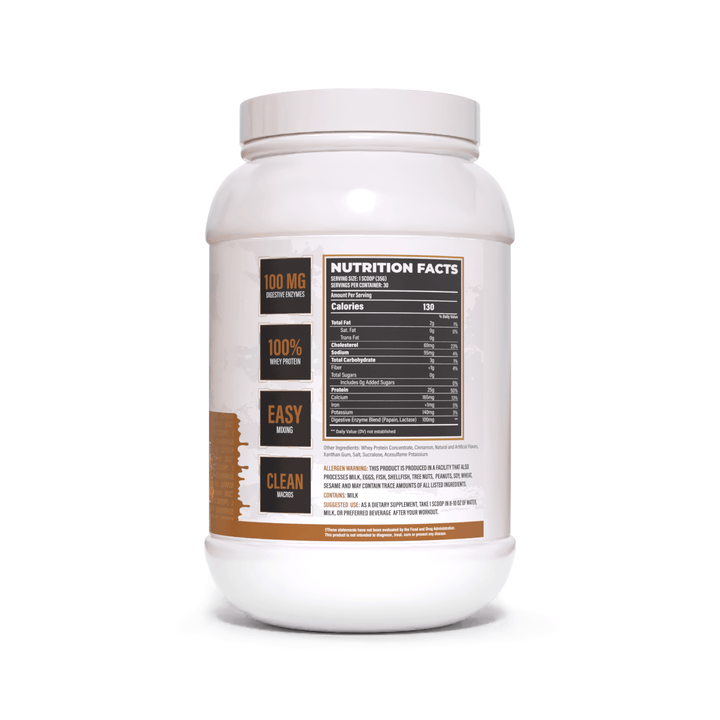
Credit: hugesupplements.com
Milk Components In Whey
Whey protein comes from milk. It contains parts of milk that help build muscle and support health.
Understanding what milk parts are in whey can help you decide if it fits your diet.
Milk Proteins Breakdown
Milk has two main proteins: casein and whey. Whey protein is the liquid left after milk curdles.
Whey protein contains many smaller proteins like beta-lactoglobulin and alpha-lactalbumin.
- Beta-lactoglobulin: the most common whey protein
- Alpha-lactalbumin: helps make lactose
- Serum albumin: supports body functions
- Immunoglobulins: help immune system
Lactose Content
Lactose is the sugar found in milk. Whey protein has some lactose, but the amount varies.
Whey protein isolate has less lactose than whey protein concentrate.
- Whey protein concentrate: contains more lactose
- Whey protein isolate: very low lactose
- Lactose-free whey: processed to remove almost all lactose
Whey Protein And Milk Allergies
Whey protein is made from milk. It is a byproduct of cheese production. Many people wonder if whey protein can cause milk allergies.
Milk allergies happen when the immune system reacts to proteins in milk. This can cause symptoms like hives, swelling, or stomach pain. It is important to know if whey protein is safe for those with milk allergies.
Whey Vs Milk Allergy
Whey protein contains milk proteins like beta-lactoglobulin and alpha-lactalbumin. These proteins can trigger milk allergies. People allergic to milk may also react to whey protein.
Milk allergy is different from lactose intolerance. Milk allergy involves the immune system. Whey protein is not safe for people with milk allergies.
- Milk allergy is caused by milk proteins
- Whey protein contains milk proteins
- People with milk allergies should avoid whey protein
Lactose Intolerance Impact
Lactose intolerance is the inability to digest lactose, a sugar in milk. It does not involve the immune system. Whey protein usually has low lactose levels.
Many whey protein products are made to reduce lactose. People with lactose intolerance may tolerate whey protein better than milk. Still, some may feel mild stomach discomfort.
- Lactose intolerance is about digesting milk sugar
- Whey protein often has less lactose than milk
- Some with lactose intolerance can use whey protein
- Check product labels for lactose content
Processing And Purity
Whey protein is made from milk. It comes from the liquid part left after making cheese. Many people ask if whey protein still has milk in it.
The answer depends on how the whey is processed. Processing affects the purity and milk content of whey protein.
How Whey Is Processed
Whey starts as a liquid byproduct of cheese. It contains water, proteins, lactose, fat, and minerals. Processing removes most parts except protein.
Common ways to process whey include filtration and drying. These steps reduce fat and lactose, which come from milk. The goal is to get a pure protein powder.
- Filtration removes fat and lactose
- Drying turns liquid whey into powder
- Processing level affects milk content
Whey Isolate Vs Concentrate
Whey concentrate has about 70-80% protein. It contains some lactose and fat, so it still has milk parts.
Whey isolate has 90% or more protein. It goes through more filtering to remove most lactose and fat. It is purer and has less milk content.
| Type | Protein Content | Lactose and Fat | Milk Content |
|---|---|---|---|
| Whey Concentrate | 70-80% | More | Higher |
| Whey Isolate | 90% or more | Less | Lower |
Plant-based Alternatives
Whey protein comes from milk, so it is not suitable for everyone. Some people want options that do not contain milk. Plant-based proteins are a good choice for those who avoid dairy.
These alternatives come from plants and can provide the protein you need. They often suit vegans and people with milk allergies.
Non-dairy Protein Options
There are many non-dairy protein powders. Common types include pea, rice, hemp, and soy protein. Each has different tastes and textures.
Pea protein is rich in amino acids and easy to digest. Rice protein is light and hypoallergenic. Hemp protein also provides omega fats. Soy protein is complete and popular worldwide.
- Pea protein
- Rice protein
- Hemp protein
- Soy protein
Comparing Nutritional Benefits
Whey protein has all essential amino acids. Plant proteins vary, but some are complete. Combining plant proteins can give a full amino acid profile.
Plant proteins often have fiber and healthy fats. They are lower in cholesterol and lactose-free. Whey protein is quickly absorbed but may cause allergies.
| Protein Type | Complete Protein | Additional Benefits | Common Allergies |
|---|---|---|---|
| Whey Protein | Yes | Fast absorption | Milk allergy, lactose intolerance |
| Pea Protein | No (high in lysine) | Rich in iron, easy digestion | Rare |
| Rice Protein | No (low in lysine) | Hypoallergenic, light taste | Rare |
| Hemp Protein | No (contains all but low in lysine) | Omega-3 fats, fiber | Rare |
| Soy Protein | Yes | Complete protein, heart health | Soy allergy |
Choosing The Right Whey Protein
Whey protein is a popular supplement for many people. It helps build muscle and supports recovery after exercise.
Not all whey protein products are the same. Some contain milk or milk derivatives. Choosing the right one is important for your health.
Reading Labels Carefully
Check the ingredient list on whey protein packages. Look for words like “milk,” “lactose,” or “casein.”
These ingredients show the product contains milk. Some whey proteins are pure, but others mix with milk-based ingredients.
- Whey concentrate may have more lactose
- Whey isolate usually has less lactose
- Look for “dairy-free” or “vegan” labels if avoiding milk
Considering Dietary Restrictions
People with lactose intolerance should choose whey isolate or lactose-free options. These have less milk sugar.
If you have a milk allergy, avoid all whey proteins. Milk allergies can cause serious reactions.
- Check for “milk allergen” warnings on labels
- Choose plant-based protein if allergic to milk
- Consult a doctor before starting any new supplement

Credit: www.pureprotein.com
Frequently Asked Questions
Does Whey Protein Come From Milk?
Yes, whey protein is derived from milk during cheese production. It contains milk proteins and retains some lactose, making it a dairy product.
Is Whey Protein Safe For Lactose Intolerant People?
Whey protein isolate contains minimal lactose, often tolerable for lactose intolerant individuals. However, whey concentrate has higher lactose and may cause discomfort.
Can Whey Protein Cause Milk Allergies?
Yes, whey protein contains milk allergens like casein and whey proteins. People with milk allergies should avoid whey protein to prevent allergic reactions.
What Types Of Whey Protein Contain Milk?
Whey protein concentrate, isolate, and hydrolysate all come from milk. They differ in protein purity and lactose content but all contain milk proteins.
Conclusion
Whey protein does contain milk as its main source. It comes from the liquid part of milk during cheese making. People with milk allergies should be careful. Those who are lactose intolerant may need to check labels. Many whey products have low lactose but not zero.
Always read product information before buying. Choosing the right protein depends on your needs and health. Knowing what whey protein contains helps make smart choices. Keep your body and diet in mind when selecting supplements.


