

Are you wondering if whey protein is safe and beneficial for your kids? With so much information out there, it can be confusing to know what’s best for your child’s growth and health.
You want to support their development, but you also want to avoid any risks. This article will give you clear answers about whey protein for kids, helping you make the best choices for your family. Keep reading to discover what experts say and what you should consider before adding whey protein to your child’s diet.
Whey Protein Basics
Whey protein is a popular supplement used to boost protein intake. It is derived from milk and is often used by athletes and bodybuilders.
Parents often wonder if whey protein is suitable for kids. Understanding its types and benefits can help in making a decision.
What Is Whey Protein
Whey protein is a mixture of proteins isolated from whey. Whey is the liquid part of milk that separates during cheese production.
It is a complete protein, meaning it contains all nine essential amino acids. These are necessary for the body to function properly.
Types Of Whey Protein
There are three main types of whey protein. Each type has different processing methods and nutritional profiles.
- Whey Protein Concentrate (WPC):Contains low levels of fat and carbs. The protein percentage depends on the concentration.
- Whey Protein Isolate (WPI):Processed to remove fat and lactose. It usually contains at least 90% protein.
- Whey Protein Hydrolysate (WPH):Predigested form of whey protein. It is absorbed more quickly by the body.
Whey Protein And Kids
Whey protein is a popular supplement for adults. It helps build muscles and recover after exercise. Many parents wonder if kids can take whey protein safely.
This article looks at the nutritional needs of children and if whey protein fits into their diet. It gives clear facts to help parents decide.
Nutritional Needs Of Children
Children need balanced nutrition for growth and energy. Their diet should include protein, carbs, fats, vitamins, and minerals. Protein helps build strong muscles and tissues.
Most kids get enough protein from foods like milk, eggs, meat, and beans. Protein needs change as kids grow and stay active. It is important to meet these needs with healthy foods.
- Protein supports muscle and bone growth
- Children aged 4-13 need about 19-34 grams of protein daily
- Natural foods usually provide enough protein
- Too much protein can strain kidneys
Is Whey Protein Safe For Kids
Whey protein is generally safe for kids if used correctly. It should not replace meals or natural foods. Kids with allergies to dairy should avoid whey protein.
Parents should talk to a doctor before giving whey protein to their children. Most kids get enough protein without supplements. Whey protein is best for kids who need extra protein for sports or health reasons.
- Check for dairy allergies before use
- Use whey protein as a supplement, not a meal replacement
- Consult a healthcare provider first
- Keep doses low and follow package instructions
Benefits For Growing Kids
Whey protein can be helpful for kids who need extra nutrition. It contains many nutrients that support growth and health. Parents often ask if whey protein is safe and useful for children.
Giving kids whey protein in the right amount can support their development. It helps their bodies build strength and stay healthy as they grow.
Muscle Growth And Repair
Whey protein provides important building blocks called amino acids. These help muscles grow stronger and repair after activity. Active kids or those who play sports may benefit from it.
Protein helps the body fix tiny muscle damage from exercise. This keeps muscles healthy and ready for new challenges.
- Supports muscle strength and size
- Helps recover after exercise
- Provides essential amino acids for growth
Immune System Support
Whey protein contains substances that help the immune system work well. A strong immune system protects kids from common illnesses and infections.
Regular protein intake helps the body make antibodies. These fight germs and keep kids feeling their best.
- Boosts production of immune cells
- Helps fight off infections
- Supports overall health and wellness
Potential Risks And Concerns
Parents often ask if kids can have whey protein safely. Whey protein is a supplement made from milk. It helps adults build muscle. But kids have different needs and bodies.
Using whey protein without care can cause some problems. It is important to know the possible risks before giving it to children.
Allergic Reactions
Whey protein comes from milk, a common allergen for many kids. Allergic reactions can range from mild to severe. Symptoms include hives, swelling, and trouble breathing.
Parents should watch for allergy signs if their child tries whey protein for the first time. It is best to consult a doctor before starting any new supplement.
- Skin rash or hives
- Swelling of lips, face, or throat
- Difficulty breathing or wheezing
- Stomach pain or vomiting
Kidney And Liver Impact
Kids’ kidneys and liver are still growing and can be sensitive. High protein intake might put extra strain on these organs. This can cause problems over time.
Too much whey protein may lead to dehydration and stress on the kidneys. It is important to keep protein amounts appropriate for a child’s age and size.
- Risk of kidney overload
- Possible liver stress
- Need for proper hydration
- Consult healthcare provider for guidance
Recommended Dosage For Children
Whey protein can help children meet their protein needs. It is important to give the right amount to avoid any health issues.
Parents should know the safe dosage based on the child’s age and activity level.
Age-appropriate Amounts
Children need different protein amounts as they grow. Too much whey protein can cause problems.
- For children aged 4 to 8 years, 10-15 grams of whey protein per day is enough.
- Kids aged 9 to 13 years can have 15-20 grams daily.
- Teenagers aged 14 to 18 years may consume 20-30 grams if active.
These amounts should come from a mix of foods and supplements only if needed.
Timing And Frequency
Whey protein should be given at the right times for best use by the body.
Most children benefit from whey protein after exercise or as part of a meal.
- Give whey protein once a day, preferably after physical activity.
- Avoid giving it late at night to prevent digestion issues.
- Use whey protein as a supplement, not a meal replacement.
Credit: www.preparedfoods.com
Alternatives To Whey Protein
Many parents wonder if kids should take whey protein. Some prefer natural food sources instead. Whole foods and plant proteins can support kids’ growth well.
These options provide good nutrition without added powders. They help kids build muscles and stay healthy naturally.
Whole Food Sources
Whole foods give protein along with vitamins and minerals. Kids get energy and nutrients from real food, not just protein alone.
Foods like eggs, chicken, fish, and dairy are easy to add to meals. They help kids grow strong and stay active.
- Eggs have high-quality protein and important nutrients.
- Chicken and turkey provide lean protein for muscles.
- Fish like salmon give protein and healthy fats.
- Milk and yogurt add protein plus calcium for bones.
- Cheese offers protein and supports growth.
Plant-based Protein Options
Plant proteins suit kids who avoid dairy or want variety. They supply protein with fiber and other health benefits.
Beans, lentils, nuts, and seeds are tasty ways to add plant protein. Many plant foods also provide vitamins and minerals.
- Beans and lentils have protein and fiber for digestion.
- Peanut butter and almond butter are tasty protein sources.
- Chia and flax seeds add protein plus omega-3 fats.
- Quinoa is a grain with complete protein.
- Tofu and tempeh provide protein for vegetarian diets.
Tips For Parents
Many parents wonder if kids can take whey protein safely. Whey protein is a popular supplement for muscle growth and recovery.
It is important to know the right way to give whey protein to children. This helps keep them healthy and strong.
Choosing Quality Products
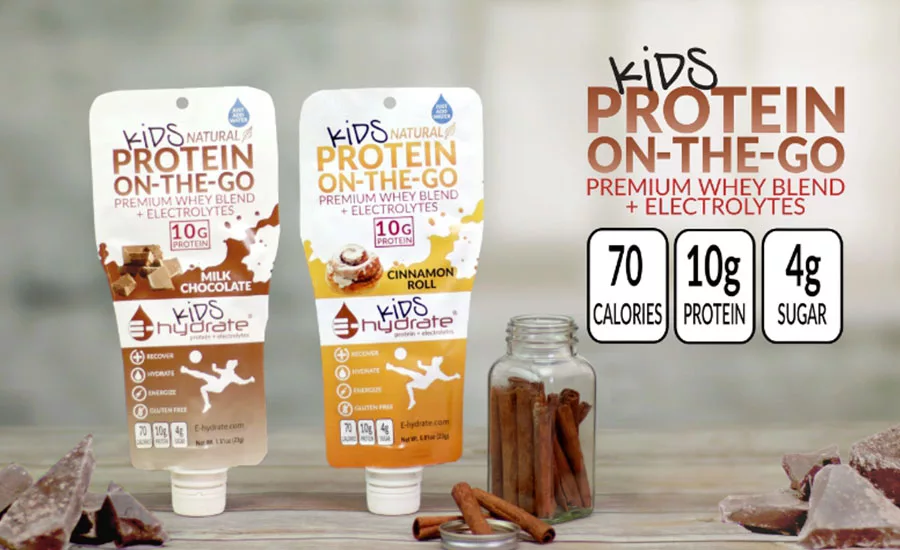
Pick whey protein made specifically for kids or those with simple ingredients. Avoid products with added sugars and artificial flavors.
Look for products tested for safety. Choose brands that share clear nutrition facts and ingredient lists.
- Choose whey protein from trusted brands
- Check for no added sugar or fillers
- Look for third-party testing or certifications
- Pick products with easy-to-read labels
Consulting Healthcare Professionals
Talk to your child’s doctor before giving whey protein. They can advise if it is safe and needed for your child.
Doctors can help decide the right dose and timing. They also check for allergies or health problems.
- Ask about your child’s diet and protein needs
- Get advice on safe daily amounts
- Report any side effects or reactions
- Follow doctor’s guidance for supplements

Credit: www.walmart.com

Credit: www.amazon.in
Frequently Asked Questions
Can Kids Safely Consume Whey Protein Supplements?
Yes, kids can consume whey protein in moderation. It supports growth and muscle development but should complement a balanced diet. Always consult a pediatrician before starting supplements to ensure safety and proper dosage.
What Are The Benefits Of Whey Protein For Children?
Whey protein helps kids build strong muscles and recover faster from physical activities. It also supports immune function and provides essential amino acids necessary for growth and development.
How Much Whey Protein Is Safe For Kids Daily?
Typically, 0. 5 to 1 gram of protein per kilogram of body weight is safe. Exact amounts depend on age, diet, and activity level. Always seek professional advice to determine the right dosage for your child.
When Should Kids Avoid Whey Protein Supplements?
Kids with dairy allergies, lactose intolerance, or kidney issues should avoid whey protein. Also, children under two years old generally do not need supplements. Consult a healthcare provider for personalized guidance.
Conclusion
Whey protein can help kids with muscle growth and recovery. But kids usually get enough protein from regular food. Too much whey protein might cause stomach problems or allergies. Always talk to a doctor before adding supplements to a child’s diet.
Balanced meals remain the best choice for growing kids. Keep protein sources natural and varied for healthy growth. Safety and moderation matter most when considering whey protein for children.


