

Have you ever wondered what exactly goes into your whey protein powder? With so many rumors and confusing claims online, it’s easy to feel unsure about what you’re putting into your body.
One question that keeps popping up is whether whey protein powder is made from worms. It sounds strange, right? But before you jump to conclusions or toss your protein shake, let’s clear up the mystery. Keep reading to discover the truth behind this unusual claim and learn what really makes whey protein a popular choice for your fitness and health goals.
What Is Whey Protein Powder
Whey protein powder is a popular dietary supplement. It is used by people who want to build muscle and lose weight. Whey is a complete protein that contains all essential amino acids.
Whey protein is derived from milk during cheese production. It is not made from worms. This protein is beneficial for health and fitness.
Sources Of Whey Protein
Whey protein comes from milk. It is a by-product of cheese making. When milk is curdled and strained, whey is the liquid that remains.
- Cow’s milk is the primary source.
- It contains a mix of proteins.
- Cheese production separates whey from milk.
Common Production Methods
Whey protein is produced through several methods. These methods ensure the protein is pure and safe to consume.
Two main methods are used: concentration and isolation. Both methods filter and process the whey differently.
- Concentration keeps more of the natural nutrients.
- Isolation removes almost all fat and lactose.
- Ultrafiltration is a common technique used.

Credit: matomani.com
Origins Of The Worm Myth
There is a strange rumor that whey protein powder is made from worms. This idea is not true. Whey protein comes from milk, not insects or worms.
Many people wonder how this unusual myth began. It has spread for a few reasons. Understanding these reasons helps clear up confusion.
How The Rumor Started
The rumor started because of a mix-up about protein sources. Some insect-based proteins are real but different from whey protein.
People heard about insect proteins and confused them with whey protein. This caused many to think whey protein is made from worms.
- Confusion between insect protein and whey protein
- Wrong information from unreliable sources
- Misunderstanding of food labels and ingredients
Social Media Influence
Social media helped spread the worm myth quickly. People shared posts without checking facts.
Many posts used shock or fear to get attention. This made the rumor grow even more.
- Viral posts with false claims
- Comments and shares spreading the myth
- Lack of fact-checking by users
Analyzing Whey Protein Ingredients
Many people wonder if whey protein powder contains strange ingredients. One question is if it is made from worms. We will look closely at what whey protein powder contains. This helps clear up any confusion.
Whey protein comes from milk. It is a byproduct of cheese making. Let us explore its usual ingredients and safety checks.
Typical Components
Whey protein powder mainly contains proteins from milk. It also has some fat, carbohydrates, and minerals. It does not contain worms or any insect parts.
- Whey protein concentrate or isolate
- Lactose (milk sugar)
- Milk fats in small amounts
- Vitamins and minerals like calcium
- Flavorings or sweeteners in some types
Whey protein is made by filtering milk. This removes most fats and sugars. The powder you buy is mostly pure protein.
Quality Control Standards
Whey protein powder must meet strict safety rules. Producers test the powder for purity and contaminants. They check for harmful bacteria and foreign materials.
These quality controls make sure the powder is safe to eat. If any unwanted materials like insects or worms were found, it would be rejected.
- Testing for protein content
- Checking for bacteria and mold
- Screening for foreign particles
- Following food safety regulations
- Using clean equipment for production
Are Worms Used In Any Protein Powders
Many people ask if worms are used to make whey protein powder. Whey protein comes from milk, not worms.
Some protein powders use insects, but worms are rare in protein products.
Insect-based Proteins Overview
Insect-based proteins come from crickets, mealworms, and other bugs. These insects are raised for food and protein powders.
Insect protein powders are popular for being eco-friendly and rich in nutrients.
- Common insects: crickets, mealworms, grasshoppers
- Used in snacks, protein bars, and powders
- High in protein, vitamins, and minerals
- Not the same as worms used in soil or compost
Differences From Whey Protein
Whey protein is made from milk during cheese production. It has a smooth taste and is easy to mix in drinks.
Insect proteins have a different flavor and texture. They may taste nutty or earthy and can be grainy.
- Whey protein comes from dairy milk
- Insect protein comes from bugs like crickets or mealworms
- Whey has a mild taste, insect protein is stronger
- Whey is common in sports nutrition
- Insect protein is newer and less common
Health And Safety Concerns
Some people wonder if whey protein powder is made from worms. It is not. Whey protein comes from milk. It is a byproduct of cheese-making.
Still, people want to know if whey protein is safe to eat. This section talks about health and safety worries.
Regulations On Protein Supplements
Protein supplements follow rules to keep people safe. Governments check labels and ingredients. They stop harmful products from selling.
Manufacturers must list all ingredients. They must avoid using unsafe substances. This helps buyers know what they consume.
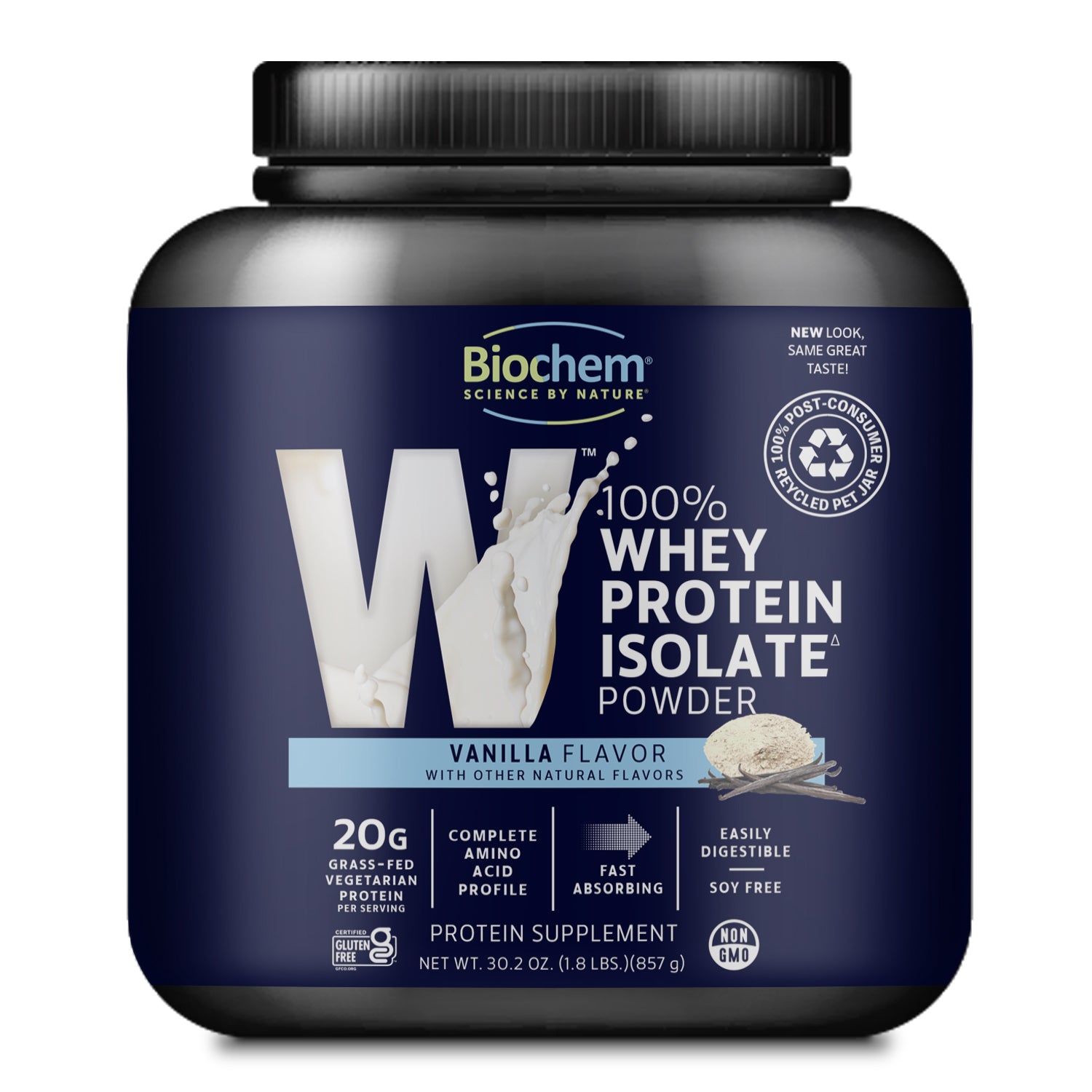
Allergen And Contaminant Risks
Whey protein comes from milk, so it can cause allergies. People with milk allergy should avoid whey protein.
Contaminants can sometimes be found in protein powders. These include bacteria or heavy metals. Quality checks reduce these risks.
- Milk allergens affect sensitive people
- Check for gluten if you have intolerance
- Choose brands that test for contaminants
- Follow serving sizes to avoid side effects
Credit: biochemprotein.com
How To Choose Authentic Whey Protein
Whey protein is a popular supplement for building muscle and improving health. Some people worry about strange ingredients, like worms, in whey protein powders.
It is important to know how to pick real whey protein. This guide helps you find safe and genuine products.
Reading Labels Correctly
Look carefully at the ingredient list on the label. Real whey protein comes from milk, not insects or worms.
Avoid products with unclear ingredients or names you cannot recognize. Check for words like “whey protein concentrate” or “whey protein isolate.”
- Check the source of protein: milk-based whey
- Avoid unknown or suspicious ingredients
- Look for nutritional facts that match whey protein
- Watch out for fillers and additives
Trusted Brands And Certifications
Choose brands known for quality and safety. Trusted brands test their products for purity and quality.
Look for certifications from third-party groups. These show the product meets safety standards and contains real whey protein.
- Check for NSF Certified for Sport or Informed-Sport labels
- Look for GMP (Good Manufacturing Practice) certification
- Choose brands with positive reviews and transparency
- Avoid products without clear certification or company information
Conclusion On Whey Protein Myths
Many people wonder if whey protein powder is made from worms. This myth causes confusion about what whey protein really is. It is important to understand where whey protein comes from.
Whey protein is a common supplement used to add protein to diets. It comes from milk, not worms. Clearing up these myths helps people make better choices.
Separating Facts From Fiction
Whey protein is made from the liquid part of milk that separates during cheese making. It contains essential amino acids that the body needs. The idea that it is made from worms is false.
Many rumors about food supplements spread without proof. Checking facts about ingredients helps avoid confusion. Whey protein powder is safe and comes from dairy sources only.
- Whey protein comes from milk, not worms.
- It contains important nutrients for muscle and health.
- Myths often arise from misunderstandings or false information.
- Always check reliable sources for food facts.
Final Thoughts On Protein Choices
Choosing the right protein depends on your diet and needs. Whey protein is a good option for many people. Others may prefer plant-based or other protein types.
It is best to focus on real facts and avoid myths. Know where your protein comes from and how it fits your lifestyle. This helps you make healthy and informed decisions.
- Whey protein is milk-based and widely used.
- Plant proteins suit those who avoid dairy.
- Read labels to understand ingredients clearly.
- Consult a nutrition expert if unsure.

Credit: www.amazon.ca
Frequently Asked Questions
Is Whey Protein Powder Made From Worms?
No, whey protein powder is made from milk, not worms. It is a byproduct of cheese production. Whey contains high-quality protein essential for muscle building and recovery. Worms are not used or involved in the manufacturing process of whey protein powder.
What Ingredients Are In Whey Protein Powder?
Whey protein powder mainly contains whey protein concentrate or isolate, derived from cow’s milk. It may also include flavorings, sweeteners, and emulsifiers. No animal sources other than milk are used. The ingredients are safe and regulated for human consumption.
Can Whey Protein Contain Insect Proteins Accidentally?
Whey protein production is highly controlled, so insect contamination is extremely rare. Manufacturing facilities follow strict hygiene standards. Any accidental presence of insect proteins would be negligible and not intentional. Consumers can trust whey protein as a clean dairy product.
Why Do Some People Think Whey Comes From Worms?
Some misconceptions arise from confusing protein sources or misinformation online. Marketing myths or unusual protein powders may cause confusion. However, whey protein powder always comes from milk and never from worms or insects. Reliable sources confirm its dairy origin.
Conclusion
Whey protein powder is not made from worms. It comes from milk, mainly from cows. Some confusion comes from other protein sources like insect protein, but whey is different. People trust whey for its quality and benefits. Always check labels to know what you buy.
Clear facts help you choose the best protein for your needs. Now you can decide with confidence and avoid myths. Keep learning and stay healthy!


