

Are you curious about how much protein you get from just one scoop of whey? Whether you’re building muscle, recovering from a workout, or simply trying to eat healthier, knowing the exact protein content can make a big difference.
You want to fuel your body right, but not all scoops are created equal. Keep reading, and you’ll discover the truth behind that scoop, why it matters for your goals, and how to make the most out of your protein shake every time.
This simple knowledge could change the way you approach your nutrition—and your results.
Protein Content In One Scoop
Whey protein is a popular supplement for those looking to build muscle. It is known for its high protein content, usually measured by the scoop.
Understanding how much protein is in one scoop can help you manage your dietary needs effectively. Let’s explore this in detail.
Average Protein Per Scoop
On average, one scoop of whey protein contains about 20 to 30 grams of protein. This amount can vary depending on the product.
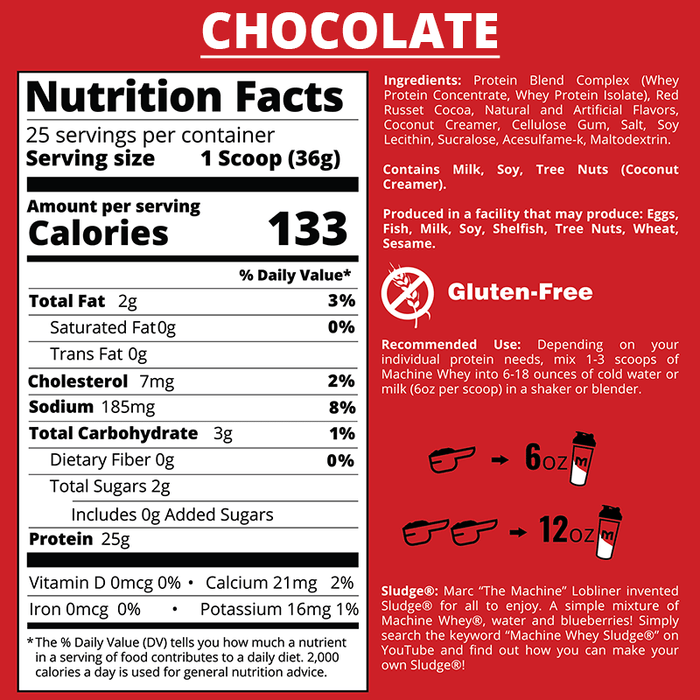
Most brands provide nutrition labels that clearly state the protein content per scoop. Checking these labels is important.
Variations By Brand
Different brands offer different protein amounts in their whey supplements. Some brands focus on higher protein content, while others may include additional ingredients.
It’s crucial to compare brands to find the one that meets your protein goals. Here’s a simple comparison:
| Brand A | 24 grams per scoop |
| Brand B | 27 grams per scoop |
| Brand C | 20 grams per scoop |
Factors Affecting Protein Amount
Several factors can affect the protein amount in whey supplements. These include the type of whey used, the presence of additives, and the scoop size.
It is important to read the product details carefully to understand these factors. Consider these points when choosing a whey protein supplement:
- Check if it is whey concentrate or isolate
- Look for added ingredients like flavorings
- Verify the scoop size as it can differ
Credit: www.tigerfitness.com
Types Of Whey Protein
Whey protein is a popular supplement for muscle building and recovery. It comes in different types, each with unique features and protein content.
Understanding the types helps you choose the right protein for your needs. Let’s look at whey concentrate, isolate, and hydrolysate.
Whey Concentrate
Whey concentrate contains about 70-80% protein by weight. It has more fat and lactose than other types.
One scoop usually gives 20-25 grams of protein. It is less processed and often cheaper.
- Good for general protein needs
- Contains beneficial nutrients from milk
- May cause issues for lactose intolerant people
Whey Isolate
Whey isolate has about 90% or more protein per scoop. It contains less fat and almost no lactose.
This type is better for those who want higher protein and less carbs. One scoop usually has 25-30 grams of protein.
- Faster absorption than concentrate
- Good for lactose-sensitive people
- Usually costs more than concentrate
Whey Hydrolysate
Whey hydrolysate is pre-digested for quick absorption. It has about 80-90% protein per scoop.
This type is often used in medical protein supplements. One scoop gives roughly 25-30 grams of protein.
- Fastest absorption among whey types
- Usually easier to digest
- More expensive than concentrate and isolate
Measuring A Scoop
Knowing how much protein is in one scoop of whey powder is important. A scoop size can vary by brand and product.
Measuring a scoop correctly helps you track your protein intake. This guide explains how to measure a scoop.
Standard Scoop Sizes
Most whey protein powders come with a scoop inside the container. This scoop usually holds about 25 to 30 grams of powder.
Each scoop typically contains 20 to 25 grams of protein. The exact amount depends on the brand and type of whey.
- Common scoop size: 30 grams of powder
- Protein per scoop: 20-25 grams
- Check the nutrition label for exact info
Using A Kitchen Scale
A kitchen scale helps you measure whey powder accurately. Scoops can vary in size or be packed differently.
Place an empty bowl on the scale and zero it. Then add whey powder until you reach the desired grams.
- Zero the scale with the bowl on it
- Add powder slowly to reach 30 grams
- Use this weight for consistent protein intake

Credit: imuscles.in
Protein Quality And Absorption
One scoop of whey protein contains a high amount of protein. The quality and how well your body absorbs it matter a lot.
Whey protein is known for its excellent protein quality and fast absorption. This makes it a popular choice for many people.
Amino Acid Profile
Whey protein has a complete amino acid profile. It includes all nine essential amino acids your body needs.
- High in branched-chain amino acids (BCAAs) like leucine, isoleucine, and valine
- Supports muscle growth and repair
- Contains glutamine for immune health
- Helps with recovery after exercise
The rich amino acid profile helps your body build muscle efficiently. It also supports many other body functions.
Bioavailability
Bioavailability means how well your body absorbs protein. Whey protein has very high bioavailability.
It is quickly digested and absorbed by the body. This allows amino acids to enter your bloodstream fast.
- Whey protein has a biological value (BV) of about 104
- It scores high on the Protein Digestibility Corrected Amino Acid Score (PDCAAS)
- Fast absorption helps muscle recovery after workouts
Daily Protein Needs
Protein is important for the body to build and repair muscles. One scoop of whey protein usually has about 20 to 25 grams of protein.
How much protein you need each day depends on your lifestyle and goals. It is not the same for everyone.
For Athletes
Athletes need more protein to help their muscles recover after training. Protein helps build strength and endurance.
Most athletes need about 1.2 to 2.0 grams of protein per kilogram of body weight each day. Whey protein can help meet this need.
- Supports muscle repair
- Improves recovery time
- Helps increase muscle mass
For Sedentary Individuals
People who are less active need less protein. Their bodies do not repair or build muscles as much.
The daily protein need for sedentary adults is about 0.8 grams per kilogram of body weight. One scoop of whey can cover part of this need.
- Maintains basic body functions
- Prevents muscle loss
- Supports overall health
Adjusting Intake By Goals
Your protein needs change based on your goals. Losing fat, gaining muscle, or staying healthy requires different amounts.
Use whey protein to adjust your intake. One scoop can add 20 to 25 grams of protein easily.
| Goal | Protein Need (grams/kg) | Notes |
|---|---|---|
| Fat Loss | 1.6 to 2.4 | Higher protein helps preserve muscle |
| Muscle Gain | 1.6 to 2.2 | Protein supports muscle growth |
| Maintenance | 0.8 to 1.2 | Keeps current muscle and health |
Common Myths About Whey Protein
Many people wonder how much protein is in one scoop of whey. It is important to know the facts. There are also some myths about whey protein that can confuse people.
This article clears up some common myths about whey protein and talks about its effects on weight and kidney health.
Whey And Weight Gain
Some believe whey protein causes weight gain. Whey itself does not make you gain fat. It helps build muscle when combined with exercise.
Weight gain happens if you eat more calories than you burn. Whey protein can help control hunger and support a healthy diet.
- One scoop of whey usually has about 20-25 grams of protein
- Protein helps repair and build muscles
- Extra calories from any source cause fat gain
- Whey alone does not cause weight gain
Whey And Kidney Health
Some people think whey protein harms the kidneys. For healthy people, whey protein is safe in normal amounts.
People with kidney problems should talk to a doctor before using whey protein. Drinking enough water also helps protect kidneys.
- Whey protein does not damage healthy kidneys
- High protein intake may be risky for kidney patients
- Consult a doctor if you have kidney disease
- Stay hydrated when taking protein supplements
Tips For Choosing Whey Protein
Whey protein is a popular choice for many people. It helps build muscles and repair tissue. Knowing how much protein is in one scoop is important.
Choosing the right whey protein can be tricky. Look at the label and ingredients to pick the best option for you.
Checking Label Information
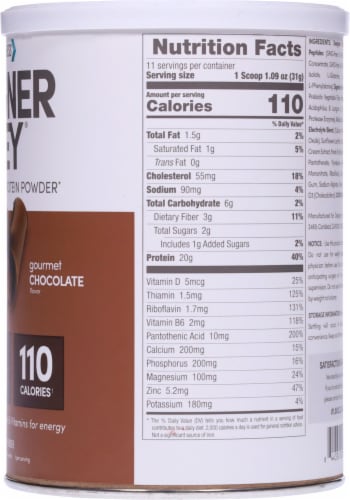
Always check the nutrition label on whey protein packages. One scoop usually has between 20 to 30 grams of protein. Look for the exact amount on the label.
Also check calories, fat, and sugar. Some products add extra ingredients that change these numbers. Choose a product that fits your diet and goals.
- Find protein grams per scoop
- Check calories and fat content
- Watch for added sugars
Considering Additives And Flavors
Whey protein often has flavors and additives. Some flavors add sugars or artificial sweeteners. These can affect taste and nutrition.
Check the ingredients list for additives. Choose plain or lightly flavored whey if you want fewer extras. This helps keep your protein clean and simple.
- Avoid too many artificial sweeteners
- Look for natural flavor options
- Check for added fillers or thickeners
Credit: www.ralphs.com
Frequently Asked Questions
How Much Protein Is In One Scoop Of Whey?
One scoop of whey protein typically contains 20 to 25 grams of protein. This amount varies by brand and type. It’s ideal for muscle recovery and daily protein intake.
Does Whey Protein Scoop Size Affect Protein Content?
Yes, scoop size directly affects protein content. Larger scoops provide more protein, while smaller scoops contain less. Always check the label for exact protein per scoop.
Can One Scoop Of Whey Meet Daily Protein Needs?
One scoop alone usually doesn’t meet daily protein needs. Adults require 46-56 grams daily. Use whey as a supplement alongside whole foods for best results.
Is Whey Protein Scoop Protein Absorbed Quickly?
Yes, whey protein is quickly absorbed. It delivers amino acids rapidly to muscles. This makes it ideal post-workout for muscle repair and growth.
Conclusion
One scoop of whey protein usually contains about 20 to 25 grams of protein. This amount helps support muscle growth and repair after workouts. It fits well into many diets, making protein intake easier. Remember to check the label for exact protein content.
Using whey can be a simple way to boost daily protein. Choose a product that matches your health goals. Keep your portions balanced with other foods too. Protein matters, but variety is key for good nutrition.


