

Are you struggling to find the right protein boost because you’re lactose intolerant? You might be wondering if whey protein is safe for you or if it will upset your stomach.
The good news is, not all whey proteins are created equal, and many options could fit perfectly into your diet without causing discomfort. Keep reading to discover how whey protein can work for your body, what to look for, and tips to enjoy it without worry.
Your fitness goals don’t have to take a backseat just because of lactose intolerance. Let’s clear up the confusion and find the best solution for you.
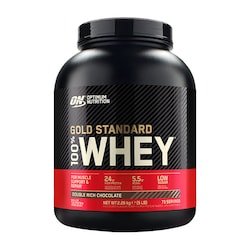
Credit: www.hollandandbarrett.com
What Is Whey Protein?
Whey protein is a popular supplement for fitness enthusiasts. It is derived from milk during the cheese-making process.
People use whey protein to help build muscles. It is rich in essential amino acids.
Types Of Whey Protein
There are different types of whey protein. Each type has unique characteristics.
- Whey Protein Concentrate: Contains some lactose, fats, and carbs.
- Whey Protein Isolate: Has most of the lactose removed.
- Whey Protein Hydrolysate: Predigested for quicker absorption.
Nutritional Profile
Whey protein offers an impressive nutritional profile. It is packed with protein and low in calories.
It also contains essential amino acids. These are important for muscle repair and growth.
| Component | Content (per 100g) |
| Protein | 70-80g |
| Carbohydrates | 5-10g |
| Fats | 1-5g |
Lactose Intolerance Basics
Lactose intolerance means the body cannot digest lactose. Lactose is a sugar found in milk and dairy products.
This happens because the body lacks enough lactase enzyme. Lactase breaks down lactose into simpler sugars for digestion.
Causes And Symptoms
Lactose intolerance happens when the small intestine stops making enough lactase. This can be genetic or develop over time.
Common symptoms appear after eating dairy. They include stomach pain, bloating, and diarrhea.
- Stomach cramps
- Bloating
- Gas
- Diarrhea
- Nausea
Severity Levels
The severity of lactose intolerance varies. Some people can handle small amounts of lactose. Others react to even tiny amounts.
Severity depends on how much lactase the body produces. It also depends on how much lactose is eaten at once.
- Mild: Small lactose amounts cause mild symptoms.
- Moderate: Moderate lactose causes clear symptoms.
- Severe: Any lactose causes strong symptoms.
Whey Protein And Lactose Content
Whey protein is a popular supplement for building muscle. It comes from milk and contains lactose. Lactose is a sugar found in dairy products.
People who are lactose intolerant have trouble digesting lactose. This can cause stomach pain, gas, or diarrhea. It is important to know how much lactose is in whey protein.
Lactose In Whey Concentrate Vs Isolate
Whey concentrate contains more lactose than whey isolate. This is because concentrate is less processed. It keeps more milk sugars and fats.
Whey isolate goes through extra steps to remove fats and lactose. It usually contains less than 1% lactose. This makes it easier to digest for some people.
- Whey concentrate: 3-5% lactose
- Whey isolate: less than 1% lactose
Impact On Lactose Intolerant Individuals
People with mild lactose intolerance may tolerate whey isolate well. It has low lactose and causes fewer symptoms. Whey concentrate can cause discomfort for these people.
For those with severe lactose intolerance, even small amounts of lactose can cause problems. They should choose lactose-free protein powders or plant-based options.

Credit: fitspire.online
Choosing The Right Whey Protein
Whey protein is a popular supplement for building muscle and recovering after exercise. People who are lactose intolerant worry about using it because some whey proteins contain lactose.
Picking the right type of whey protein can help avoid stomach discomfort. This guide explains options for those who need low lactose or better digestion support.
Whey Isolate For Low Lactose
Whey isolate is a form of whey protein that has most of the lactose removed. It contains less lactose than whey concentrate, making it easier to digest for many people.
This protein is filtered to remove fat and lactose. It usually has 90% or more protein content by weight.
- Contains very low lactose levels
- Higher protein concentration
- Good for those with mild lactose intolerance
- Digestible and fast-absorbing
Lactase-enzyme Enhanced Products
Some whey proteins include added lactase enzyme. This enzyme helps break down lactose in the digestive system.
These products support people who have trouble digesting lactose by reducing symptoms like bloating or gas.
- Contains lactase enzyme to digest lactose
- Reduces digestive discomfort
- Useful for moderate lactose intolerance
- May improve protein absorption
Alternatives To Whey Protein
Whey protein is popular but may not suit people who are lactose intolerant. These people need protein sources without lactose. Many options provide good nutrition without dairy.
Below are some alternatives to whey protein. They come from plants or other dairy-free sources. These options help you meet your protein needs safely.
Plant-based Proteins
Plant-based proteins come from seeds, nuts, and legumes. They do not contain lactose. These proteins are good for vegans and people with dairy issues.
Common plant-based protein powders include pea, rice, and hemp protein. They have different tastes and textures. You can mix them for a balanced amino acid profile.
- Pea protein is rich in iron and easy to digest.
- Rice protein is hypoallergenic and mild in flavor.
- Hemp protein offers omega-3 fatty acids and fiber.
- Soy protein is complete but may cause allergies for some.
Other Dairy-free Options
Besides plant proteins, some dairy-free powders come from eggs or collagen. Egg white protein is rich and lactose-free. Collagen supports skin and joint health but is not a complete protein.
Some people use protein blends to get better nutrition. These mixes combine different sources to cover all essential amino acids. They suit those avoiding whey and dairy products.
- Egg white protein powder is high in quality protein.
- Collagen peptides aid skin and joint health.
- Mixed protein powders combine plant and animal sources.
- Look for labels that say “lactose-free” or “dairy-free.”
Tips For Consuming Whey Protein Safely
Whey protein is a popular supplement for many people. If you are lactose intolerant, you might worry about using whey protein. Some types of whey protein have less lactose than others.
It is important to use whey protein carefully. This helps avoid stomach problems and other symptoms. Here are some tips to help you consume whey protein safely.
Start With Small Amounts
Begin by taking a small portion of whey protein. This lets your body get used to it. Small amounts lower the chance of discomfort.
Try mixing a half scoop with water or milk substitute. Watch how your body reacts before increasing the amount.
- Use half the recommended dose at first
- Mix with lactose-free milk or water
- Wait a few days before adding more
Monitor Symptoms
Pay attention to any signs of lactose intolerance. Symptoms include stomach pain, bloating, or diarrhea. Tracking these helps you know if whey protein suits you.
Keep a food diary to record your intake and symptoms. This will help you see patterns and avoid problems.
- Note time and amount of whey protein
- Write down any stomach discomfort
- Track other symptoms like gas or nausea
Consult With Healthcare Providers
Talk to a doctor or dietitian before starting whey protein. They can help you find the best type for your body. They may suggest whey isolate, which has less lactose.
A healthcare provider can also guide you on safe amounts and alternatives if whey protein does not suit you.
- Ask about low-lactose whey protein options
- Discuss your lactose intolerance symptoms
- Get advice on other protein supplements

Credit: shop.torokhtiy.com
Frequently Asked Questions
Is Whey Protein Safe For Lactose Intolerant People?
Whey protein isolate is usually safe as it contains minimal lactose. However, whey concentrate has higher lactose and may cause discomfort. Always check labels and start with small doses to assess tolerance.
What Type Of Whey Protein Suits Lactose Intolerance?
Whey protein isolate is best for lactose intolerance. It undergoes extra processing to remove most lactose. Hydrolyzed whey protein is also low in lactose and easier to digest.
Can Lactose Intolerant People Digest Whey Protein?
Yes, many lactose intolerant individuals can digest whey protein isolate. The low lactose content reduces symptoms like bloating or diarrhea. Individual tolerance varies, so testing small amounts is recommended.
Are There Lactose-free Protein Alternatives To Whey?
Yes, plant-based proteins like pea, rice, and soy are lactose-free. Egg white protein is another lactose-free option. These alternatives provide protein without causing lactose intolerance symptoms.
Conclusion
Whey protein can be safe for many lactose intolerant people. Choose whey isolate, which has less lactose than concentrate. Some may still feel discomfort, so start with small amounts. Always check the label for lactose content. Consider other protein sources if symptoms persist.
Talk to a healthcare provider to find the best option. Staying informed helps you make smart nutrition choices. Keep your diet balanced for good health and energy.


