
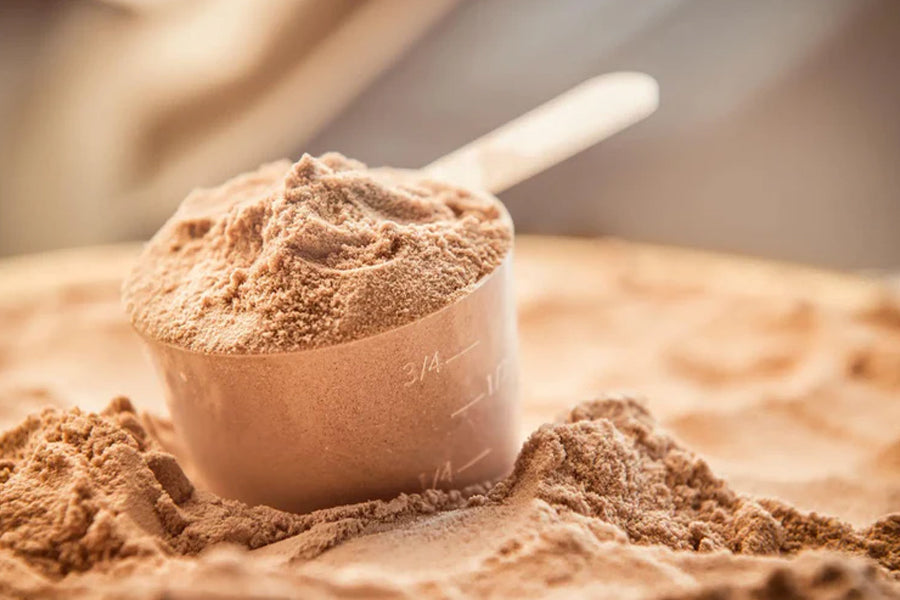
Are you curious about how much protein you’re actually getting in a single scoop of whey? Whether you’re trying to build muscle, lose weight, or simply stay healthy, knowing the exact amount matters.
It’s not just about grabbing any scoop and hoping for the best—your results depend on the right protein intake. Keep reading, and you’ll discover the truth behind that scoop, so you can make smarter choices for your fitness and nutrition goals.

Credit: www.gainful.com
Protein Content In Whey Scoop
Whey protein is a popular choice for those looking to increase protein intake. It’s important to know how much protein is in a typical scoop of whey.
This information helps you plan your diet and meet your nutritional goals. Let’s explore the protein content in a whey scoop.
Average Protein Per Scoop
On average, a scoop of whey protein contains about 20-25 grams of protein. This amount provides a good boost to your daily protein needs.
This protein content is beneficial for muscle repair and growth. It is a convenient option for athletes and fitness enthusiasts.
Variations Among Brands
Different brands offer different protein amounts per scoop. Some may contain more or less protein than the average.
It’s important to read the label to know exactly what you’re getting. This ensures you meet your specific dietary needs.
- Brand A: 24 grams per scoop
- Brand B: 20 grams per scoop
- Brand C: 25 grams per scoop
Impact Of Scoop Size
The size of the scoop affects the amount of protein you consume. Larger scoops can hold more protein, while smaller ones hold less.
Always measure your scoops to ensure consistent protein intake. This helps in maintaining a balanced diet.
| Scoop Size | Protein Content |
| Small | 15 grams |
| Medium | 20 grams |
| Large | 25 grams |
Types Of Whey Protein
Whey protein comes in different types. Each type has a different amount of protein per scoop.
Knowing the types helps you choose the best one for your needs.
Concentrate
Whey protein concentrate has about 70-80% protein by weight. It also contains some fat and lactose.
A typical scoop has around 20-25 grams of protein. It is less processed than other types.
- Protein: 70-80%
- Fat and lactose present
- Good taste and texture
Isolate
Whey protein isolate has more protein than concentrate. It contains 90% or more protein per weight.
Each scoop usually provides 25-30 grams of protein. It has very little fat and lactose.
- Protein: 90% or higher
- Low fat and lactose
- Good for lactose intolerance
Hydrolysate
Whey protein hydrolysate is pre-digested for fast absorption. It also has 90% or more protein.
A scoop typically gives 25-30 grams of protein. It may taste bitter because of processing.
- Protein: 90% or higher
- Fast absorption
- May have bitter taste
Protein And Muscle Growth
Protein is important for building and growing muscles. A scoop of whey protein gives your body the nutrients it needs to repair muscle fibers.
Eating enough protein helps your muscles grow stronger after exercise. Whey protein is a fast way to get protein into your system.
Role Of Protein In Muscle Repair
Protein helps fix small tears in your muscles caused by exercise. This repair process makes muscles bigger and stronger.
A scoop of whey protein provides amino acids that your body uses to build new muscle tissue. Without enough protein, muscles cannot repair well.
Daily Protein Needs For Muscle Gain
Most people who want to gain muscle need about 1.2 to 2.0 grams of protein per kilogram of body weight daily. This amount supports muscle growth and recovery.
A single scoop of whey protein usually contains 20 to 25 grams of protein. It can help you reach your daily protein goals.
- Light exercisers: 1.2 g/kg
- Moderate training: 1.5 g/kg
- Heavy training: 1.8-2.0 g/kg
Timing Protein Intake
Eating protein soon after your workout helps your muscles recover faster. Whey protein is fast-digesting and ideal for this time.
Try to have a scoop of whey protein within 30 minutes after exercise. This timing helps your body use the protein efficiently for muscle repair.
Credit: www.pureprotein.com
Maximizing Whey Protein Benefits
A scoop of whey protein usually has about 20 to 25 grams of protein. It helps build muscle and recover faster after exercise.
To get the most from whey protein, use it the right way. This includes combining it with exercise and good nutrition.
Combining With Resistance Training
Whey protein works best when paired with resistance training. This type of exercise includes lifting weights or using resistance bands.
Resistance training helps muscles use protein to grow stronger and bigger. Without exercise, protein may not be as effective.
- Lift weights 3 to 4 times a week
- Eat whey protein within 30 minutes after training
- Focus on proper form to avoid injuries
Pairing With Other Nutrients
Protein works well with carbs and fats. Carbs help refill energy after workouts. Fats support overall health.
Try to eat a balanced meal with whey protein. This helps your body use protein better and stay energized.
- Combine whey with fruits or oats for carbs
- Add nuts or seeds for healthy fats
- Drink plenty of water during the day
Avoiding Common Mistakes
People often use too much or too little whey protein. Using more than needed can waste money and strain kidneys.
Some also skip meals or rely only on protein shakes. This can cause nutrient gaps and poor energy.
- Stick to recommended scoop size (20-25 grams)
- Do not replace whole meals with protein shakes
- Spread protein intake evenly throughout the day
Measuring And Using Protein Scoops
Protein scoops help you measure whey protein powder easily. They give a simple way to add protein to your diet.
Knowing how much protein is in a scoop helps you meet your daily goals. This guide explains how to use scoops well.
Reading Nutrition Labels
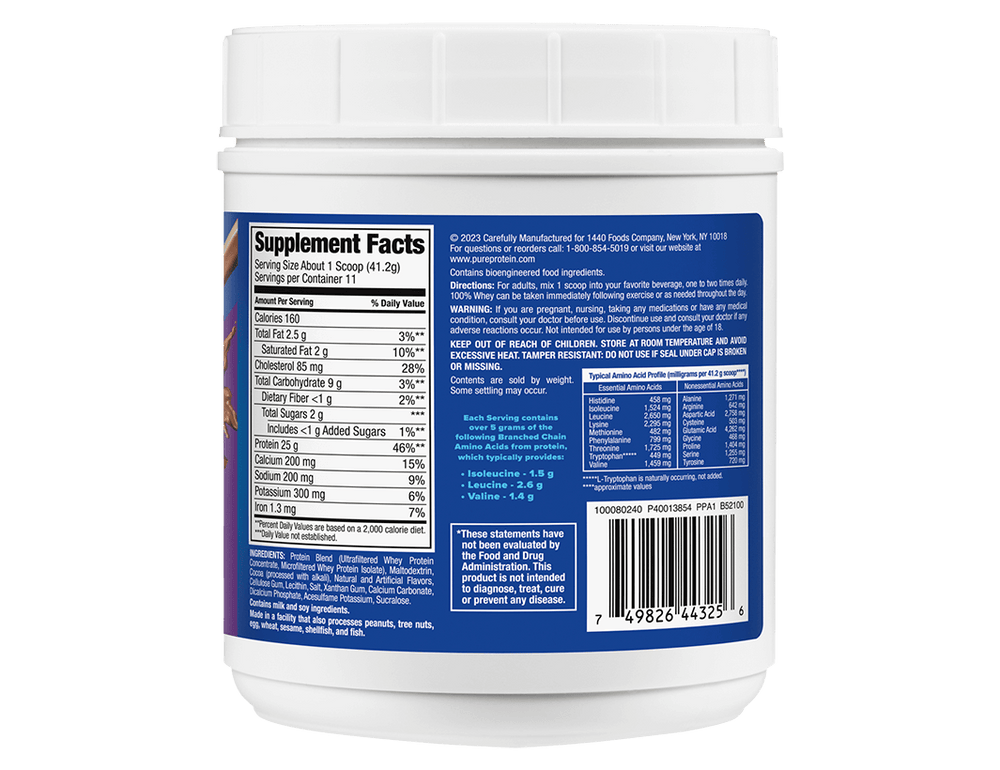
Nutrition labels show how much protein is in one scoop. Look for the serving size and protein grams per serving.
Some scoops may hold more or less powder. The label tells you the exact protein amount, not just the scoop size.
- Find the serving size in grams or scoops
- Check the grams of protein per serving
- Note calories and other nutrients
Adjusting Portion Sizes
You can change how much protein powder you use. If you need more protein, add extra scoops or measure smaller portions.
Use a kitchen scale for accuracy. Scoops can vary, so weighing powder helps track exact protein intake.
- Use full scoops for standard servings
- Use half or quarter scoops to reduce protein
- Weigh powder for precise portions
Tracking Protein Intake
Keep track of your protein to reach your health goals. Write down how many scoops you use daily.
Apps and journals can help you log protein intake. This helps you see if you meet your daily protein needs.
- Record each scoop of protein powder used
- Note protein grams from nutrition labels
- Adjust portions based on your daily target

Credit: prodoughshop.com
Potential Side Effects And Considerations
Whey protein is a popular supplement for building muscle and meeting daily protein needs. A typical scoop contains about 20 to 25 grams of protein. While it offers many benefits, some people may experience side effects.
It is important to understand the possible risks and how to use whey protein safely. This helps avoid unwanted problems and supports your health goals.
Digestive Issues
Some people may have trouble digesting whey protein. This can cause stomach pain, gas, or bloating. These issues happen if your body cannot break down lactose, a sugar found in whey.
Using whey protein isolate, which has less lactose, can reduce these problems. Drinking plenty of water and starting with small amounts may help your digestion.
Allergies And Sensitivities
Whey protein comes from milk, so it may cause allergic reactions in some people. Symptoms include rash, itching, or swelling. Those with milk allergies should avoid whey protein.
People sensitive to dairy might feel nausea or headaches. Reading labels carefully can help prevent allergic reactions. Always test a small amount first if you are unsure.
Overconsumption Risks
Eating too much whey protein can strain your kidneys and liver. It may also cause dehydration or nutrient imbalances. Most adults need about 46 to 56 grams of protein daily.
- Do not exceed recommended servings of whey protein.
- Balance protein intake with other nutrients.
- Drink enough water to support kidney function.
- Consult a doctor if you have health problems.
Frequently Asked Questions
How Much Protein Is In One Scoop Of Whey?
One scoop of whey protein typically contains 20 to 25 grams of protein. This amount varies by brand and type. It provides a quick and efficient source of protein for muscle repair and growth.
Does Whey Protein Powder Have Different Protein Amounts?
Yes, protein content varies by whey type. Concentrates have less protein than isolates. Always check the label for exact protein grams per scoop.
How Does Whey Protein Support Muscle Growth?
Whey protein supplies essential amino acids. These amino acids help repair muscle fibers after exercise. Consuming whey post-workout boosts muscle recovery and growth.
Can I Get Enough Protein From One Scoop Daily?
One scoop provides a good protein boost but may not meet daily needs alone. Combine with other protein sources for balanced nutrition.
Conclusion
A scoop of whey usually has about 20 to 25 grams of protein. This amount helps build muscle and repair tissues. It fits well in many diets, especially for active people. Knowing the protein content guides your daily intake. Choose whey that suits your nutrition needs.
Keep track of servings to avoid eating too much. Protein is key for strength and recovery. Simple, clear, and effective.


