

Are you trying to decide between whey protein and plant protein but feel overwhelmed by all the options? Choosing the right protein can make a big difference in your health, fitness, and energy levels.
You want something that not only supports your goals but also fits your lifestyle and values. You’ll discover the key differences between whey and plant protein—how they work, their benefits, and which one might be the best fit for you.
Keep reading to make an informed choice that truly supports your body and your goals.
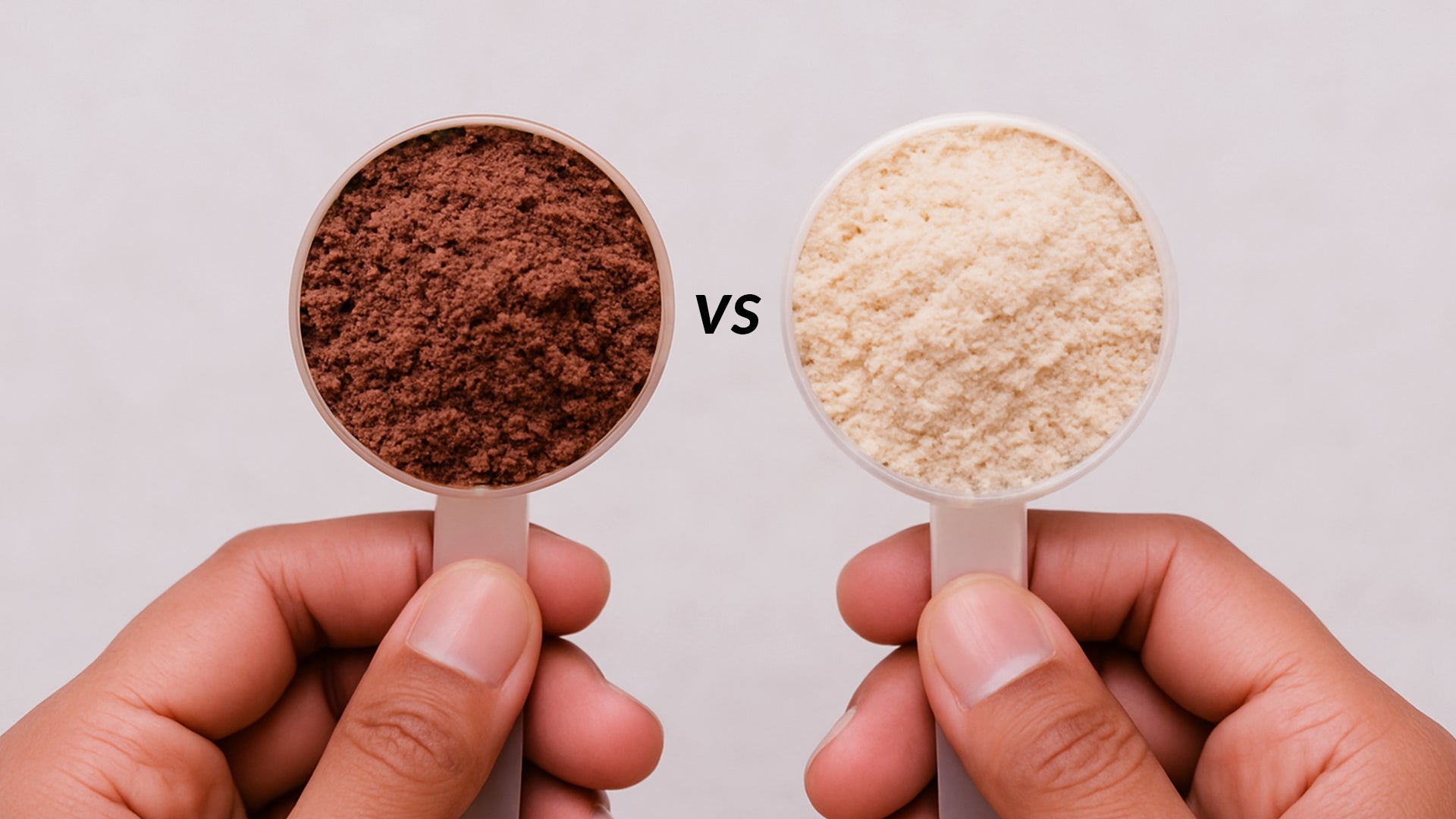
Credit: nutrova.com
Sources Of Whey And Plant Proteins
Proteins are essential for our body’s growth and repair. Whey protein and plant protein are popular choices. They come from different sources and have unique benefits.
Understanding where these proteins come from helps you choose the right one for your needs. Let’s explore the origins of whey and plant proteins.
Animal-based Origins Of Whey
Whey protein is derived from milk. It is a by-product of cheese production. When milk is processed, it separates into curds and whey.
Whey is rich in essential amino acids. It is quickly absorbed by the body, making it a popular choice for athletes.
- Comes from cow’s milk
- Contains all essential amino acids
- Fast absorption rate
Common Plant Protein Sources
Plant proteins come from various plants. They include peas, rice, soy, and hemp. These proteins are suitable for vegetarians and vegans.
Plant proteins are often combined. This ensures a complete amino acid profile. They are slower to digest but provide sustained energy.
- Pea protein
- Rice protein
- Soy protein
- Hemp protein

Credit: denzournutrition.com
Protein Quality And Amino Acid Profiles
Whey protein and plant protein differ in quality and amino acids. These differences affect how well your body uses the protein.
Understanding these factors can help you choose the right protein for your needs.
Complete Vs Incomplete Proteins
Whey protein is a complete protein. It has all nine essential amino acids your body needs.
Most plant proteins are incomplete. They may lack one or more essential amino acids.
- Whey protein supports muscle repair and growth well.
- Plant proteins may need combining to get all amino acids.
- Examples of complete plant proteins: quinoa, soy, and buckwheat.
Essential Amino Acids Comparison
Essential amino acids are crucial because your body cannot make them. Whey protein contains them in high amounts.
Plant proteins vary in their essential amino acid content. Some are lower in one or two essential amino acids.
| Essential Amino Acid | Whey Protein | Plant Protein |
|---|---|---|
| Leucine | High | Moderate to low |
| Lysine | High | Low in grains |
| Methionine | Moderate | Low in legumes |
| Valine | High | Moderate |
| Threonine | High | Moderate |
Digestion And Absorption Rates
Whey protein and plant protein differ in how fast the body digests and absorbs them. This affects how quickly your muscles get nutrients after eating.
Understanding these differences helps you choose the right protein for your needs and timing.
How Whey Protein Is Processed
Whey protein comes from milk. It is separated from the liquid part of milk during cheese making. Then it is filtered and dried into powder.
This process keeps whey rich in essential amino acids and easy to digest.
- Whey protein is quickly absorbed by the body
- It raises blood amino acids fast
- This helps muscle repair soon after exercise
Digestive Benefits Of Plant Proteins
Plant proteins come from sources like peas, rice, and soy. These proteins often include fiber and other nutrients.
Plant proteins digest slower than whey. This means they release amino acids gradually over time.
- Slower digestion helps keep you full longer
- Fiber in plants supports healthy digestion
- Gradual absorption provides steady muscle nourishment

Credit: www.bigmusclesnutrition.com
Health Benefits Of Whey Protein
Whey protein is a popular supplement made from milk. It provides many nutrients that help the body stay healthy.
People use whey protein to support muscle growth, recovery, and immune health. It also contains antioxidants.
Muscle Growth And Recovery
Whey protein has all essential amino acids needed for muscle repair. It helps muscles grow after exercise.
The protein absorbs quickly in the body. This helps muscles recover faster and reduces soreness.
- Contains high levels of branched-chain amino acids (BCAAs)
- Supports protein synthesis in muscles
- Speeds up recovery after workouts
Immune Support And Antioxidants
Whey protein helps the immune system by boosting white blood cells. These cells fight infections and illnesses.
It also contains antioxidants like glutathione. Antioxidants protect the body from damage caused by free radicals.
- Supports immune cell function
- Contains glutathione for antioxidant protection
- Helps reduce inflammation in the body
Health Benefits Of Plant Protein
Plant protein comes from foods like beans, nuts, and seeds. It offers many health benefits beyond just building muscle.
Eating plant protein can improve your overall health and help prevent some diseases. It is a good choice for a balanced diet.
Heart Health And Cholesterol
Plant protein helps lower bad cholesterol levels in the blood. It supports a healthy heart by reducing heart disease risk.
Foods with plant protein are usually low in saturated fat. This helps keep your arteries clear and your heart working well.
- Reduces LDL (bad) cholesterol
- Lowers blood pressure
- Improves blood vessel function
Fiber And Phytochemicals
Plant protein sources also contain fiber. Fiber helps digestion and keeps your gut healthy.
Phytochemicals in plants protect cells from damage. They may reduce the risk of some cancers and inflammation.
- Supports healthy digestion
- Provides antioxidants
- Reduces inflammation in the body
Allergies And Sensitivities
Whey protein and plant protein come from different sources. This can affect allergies and sensitivities in people who use them. Some people may react to one but not the other.
It is important to know how each protein type can cause allergies or discomfort. This helps in choosing the right protein for your body.
Lactose Intolerance Issues
Whey protein is made from milk, so it contains lactose. People with lactose intolerance may have stomach pain, gas, or diarrhea after using whey protein.
Plant proteins do not have lactose. They are usually safe for people with lactose intolerance. This makes plant proteins a good choice for those with this condition.
Common Plant Protein Allergens
Plant proteins come from sources like soy, peas, and nuts. Some people are allergic to these plants. Allergies can cause itching, swelling, or breathing problems.
- Soy protein can cause allergic reactions in some people.
- Pea protein is less common but can still trigger allergies.
- Nut-based proteins may cause strong allergic responses.
It is important to read labels and check the source of plant proteins if you have allergies.
Environmental Impact
Choosing between whey protein and plant protein affects the environment. Both have different impacts on natural resources and pollution.
Understanding these effects helps people make better food choices for the planet.
Sustainability Of Whey Production
Whey protein comes from milk during cheese making. It uses water, land, and energy to produce milk.
Dairy farming creates greenhouse gases like methane. It also needs a lot of water for cows.
- High water use for dairy cows
- Methane emissions from cattle
- Energy use in milk processing
- Waste products from dairy farms
Eco-friendly Aspects Of Plant Proteins
Plant proteins come from beans, peas, rice, and other crops. They use less water and land than dairy.
Growing plants creates fewer greenhouse gases. Plants also help improve soil health.
- Lower water use for crops
- Reduced greenhouse gas emissions
- Less land needed for farming
- Plants can restore soil quality
Taste, Texture, And Culinary Uses
Whey protein and plant protein powders taste and feel different. They also work differently in recipes. Understanding these differences helps you choose the best one.
Both types of protein powders can add nutrition. But their flavor and texture changes how you use them in food and drinks.
Flavor Profiles Of Whey Protein
Whey protein has a mild, creamy taste. It often tastes like milk or cream. Some whey powders add vanilla or chocolate flavors.
The flavor of whey protein is usually smooth. It mixes well in shakes, smoothies, and baked goods. It does not have a strong aftertaste.
- Mild dairy flavor
- Often available in sweet flavors like chocolate and vanilla
- Blends smoothly in liquids
- Works well in baked recipes
Versatility Of Plant Protein Powders
Plant protein powders come from peas, rice, hemp, and other plants. They have earthier or nuttier tastes. Some have a grainy texture.
Plant proteins are good for many recipes. They mix well in smoothies and energy bars. Some people like to use them in soups and sauces.
- Earthy or nutty flavor
- May have a grainy texture
- Works well in smoothies and bars
- Can add thickness to soups and sauces
Choosing The Right Protein For You
Proteins are important for muscle growth and overall health. Whey protein and plant protein are two popular types. Each one has unique benefits and fits different needs.
Understanding the differences helps you pick the best protein. Your choice depends on your diet and fitness goals.
Dietary Preferences And Restrictions
Whey protein comes from milk and contains all essential amino acids. It may not suit people with lactose intolerance or dairy allergies.
Plant protein is made from sources like peas, rice, and soy. It is usually free from dairy and good for vegans or those with allergies.
- Whey protein: animal-based, contains lactose
- Plant protein: vegan-friendly, dairy-free
- Choose plant protein if you avoid animal products
- Whey may cause issues for lactose-sensitive people
Fitness Goals And Protein Needs
Whey protein is fast absorbing and good for muscle repair after workouts. It has a high amount of essential amino acids.
Plant protein digests slower but supports overall health. Combining different plant proteins can give a full range of amino acids.
- Whey protein supports quick muscle recovery
- Plant protein offers steady nutrient release
- Use whey if you want fast results after exercise
- Plant protein suits general health and endurance goals
Frequently Asked Questions
What Are The Main Differences Between Whey And Plant Protein?
Whey protein is animal-based, rich in all essential amino acids. Plant protein is derived from sources like peas, rice, or hemp. It may lack some amino acids but suits vegan diets. Whey digests faster, while plant protein digests slower.
Which Protein Is Better For Muscle Building?
Whey protein is often preferred for muscle gain due to its complete amino acid profile and fast absorption. However, plant protein can also support muscle growth if consumed in adequate amounts and combined to cover all amino acids.
Are There Any Digestive Benefits Of Plant Protein?
Yes, plant protein usually contains fiber, aiding digestion and gut health. It’s often easier on the stomach for those sensitive to dairy. Whey protein can cause bloating or discomfort in lactose-intolerant individuals.
Can Whey Protein Cause Allergies Or Intolerance?
Whey protein may cause allergic reactions or lactose intolerance symptoms in some people. Plant protein is generally hypoallergenic and a safer option for those with dairy allergies or sensitivities.
Conclusion
Whey protein and plant protein serve different needs and preferences. Whey is rich in all essential amino acids and digests quickly. Plant protein offers fiber and nutrients with fewer allergens. Both support muscle growth and overall health. Choose based on your diet, allergies, and lifestyle.
Each type has its own benefits and limitations. Understanding these helps you pick the right protein for you. Balance and variety matter most for good nutrition. Stay consistent and enjoy your protein choice.


