

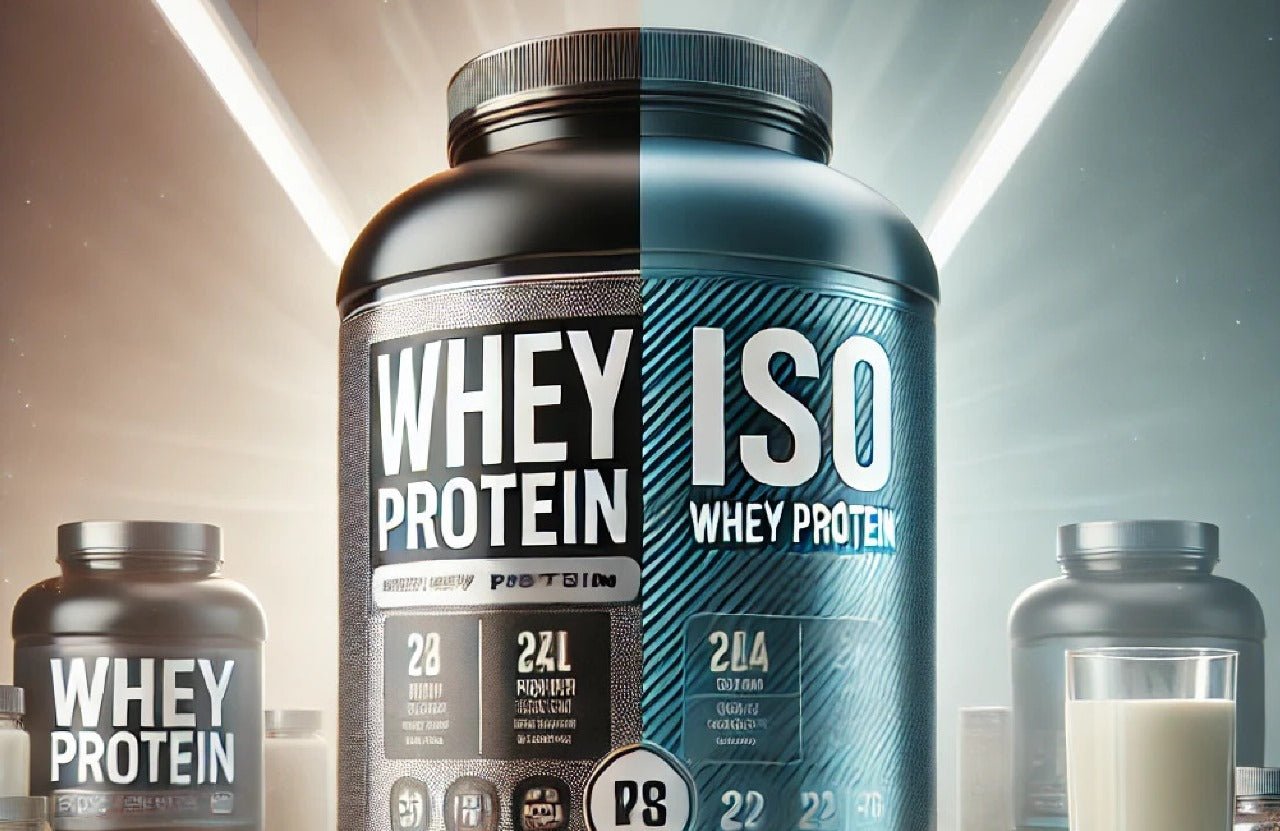
Are you confused about the difference between whey protein and isolate protein? You’re not alone.
Choosing the right protein can feel tricky, especially when labels sound so similar. But understanding these differences can make a big impact on your fitness goals and how your body recovers. You’ll discover what sets whey protein and isolate protein apart, so you can pick the best option for your needs.
Keep reading to unlock the secrets behind these popular supplements and make your protein choice easier than ever.

Credit: www.gainful.com
Whey Protein Basics
Whey protein is a popular supplement for fitness enthusiasts. It is derived from milk during cheese production.
Whey protein helps in muscle building and recovery. It is widely used by athletes and bodybuilders.
Sources And Types
Whey protein comes from cow’s milk. It is a byproduct of cheese-making.
There are three main types: concentrate, isolate, and hydrolysate. Each type varies in protein content and processing.
- Concentrate: Contains some fat and carbs
- Isolate: More refined with higher protein content
- Hydrolysate: Pre-digested for faster absorption
Nutritional Profile
Whey protein is rich in essential amino acids. It provides the building blocks for muscle growth.
It contains vitamins and minerals that support overall health. The nutritional content can vary by type and brand.
| Protein Content | 80-90% in concentrate, 90%+ in isolate |
| Carbohydrates | Higher in concentrate, lower in isolate |
| Fats | Present in concentrate, minimal in isolate |
Isolate Protein Essentials
Isolate protein is a type of whey protein with a special focus on purity. It contains fewer fats and carbs than regular whey protein. Many people choose isolate protein to support muscle growth and recovery.
This type of protein is popular among athletes and fitness fans. It offers a fast way to get high-quality protein without extra calories.
Processing Techniques
Isolate protein goes through extra filtering steps to remove fats and lactose. This process makes it purer than regular whey protein.
The common techniques include microfiltration and ion exchange. These methods help separate protein from other parts of milk.
- Microfiltration uses filters to remove fat and lactose gently
- Ion exchange uses electrical charges to isolate protein molecules
- Both methods increase protein concentration in the final product
Purity And Composition
Isolate protein usually contains 90% or more pure protein by weight. It has very low fat and lactose content. This makes it easier to digest for some people.
Compared to regular whey, isolate protein has fewer carbs and calories. It is ideal for those who want a clean protein source without extra nutrients.
| Component | Whey Protein | Isolate Protein |
|---|---|---|
| Protein % | 70-80% | 90% or more |
| Fat | Contains more | Very low |
| Lactose | Some lactose | Minimal lactose |
| Carbohydrates | Higher | Lower |
Protein Content Comparison
Whey protein and isolate protein are both popular supplements for protein intake. They differ mainly in how much protein they contain per serving.
Understanding their protein content helps you choose the right one for your needs.
Concentration Levels
Whey protein usually contains around 70-80% protein. The rest is made up of fats, lactose, and minerals.
Isolate protein is more refined. It contains about 90-95% protein. It has very little fat and lactose.
- Whey protein: 70-80% protein
- Isolate protein: 90-95% protein
- Isolate has less fat and lactose
Impact On Muscle Building
Both whey and isolate protein help build muscle. They provide essential amino acids for muscle repair and growth.
Because isolate protein has more protein per serving, it may deliver more amino acids faster. This can help with quicker recovery.
- Both support muscle repair and growth
- Isolate provides more protein per serving
- Faster amino acid delivery with isolate

Credit: www.gq-magazine.co.uk
Lactose And Fat Differences
Whey protein and isolate protein come from milk. Both provide protein but differ in lactose and fat content.
These differences affect how your body digests them and their nutrition levels.
Lactose Content
Whey protein has more lactose than isolate protein. Lactose is a sugar found in milk.
Isolate protein goes through extra filtering to remove most lactose. This makes it easier to digest for lactose-intolerant people.
- Whey protein: contains some lactose
- Isolate protein: very low lactose
- Isolate is better for people who avoid lactose
Fat Levels
Whey protein has more fat than isolate protein. Fat comes from milk’s natural fat content.
Isolate protein has extra steps to remove most fat. This results in a cleaner protein source with fewer calories.
- Whey protein: contains some fat
- Isolate protein: very low fat
- Isolate suits low-fat diets better
Absorption And Digestion
Whey protein and isolate protein come from milk but differ in how the body absorbs and digests them. Understanding these differences helps you choose the right protein for your needs.
Both types provide essential amino acids, but their digestion speed and bioavailability vary. These factors affect how quickly your muscles get nutrients after a workout.
Digestion Speed
Whey protein digests quickly, making amino acids available fast. It is ideal for muscle recovery right after exercise.
Isolate protein digests even faster because it has less fat and lactose. The body absorbs it more rapidly, which helps with quicker muscle repair.
- Whey protein digestion: 1 to 2 hours
- Isolate protein digestion: about 1 hour
- Isolate has fewer compounds, speeding digestion
Bioavailability
Bioavailability means how well your body uses the protein. Both whey and isolate have high bioavailability, but isolate scores a bit higher.
Isolate contains more pure protein per serving. It has fewer fats and carbs, so your body gets more usable protein to build muscle.
- Whey protein bioavailability: around 104
- Isolate protein bioavailability: slightly higher due to purity
- High bioavailability means better muscle growth
Credit: www.med7online.com
Taste And Texture Variations
Whey protein and isolate protein come from milk but differ in processing. This changes how they taste and feel in your mouth.
Understanding these differences helps you pick the right protein for your needs and preferences.
Flavor Profiles
Whey protein usually has a creamy and slightly sweet taste. It keeps some natural milk flavors because of less processing.
Isolate protein tastes cleaner and lighter. It has fewer fats and lactose, so it is less creamy and less sweet.
- Whey protein: creamy, mild sweetness, richer flavor
- Isolate protein: clean, light, less sweet
Mixability
Whey protein mixes well but can sometimes feel thicker or grainy. It may take more shaking to blend fully.
Isolate protein dissolves quickly in liquids. It creates a smoother and thinner drink with less clumping.
- Whey protein: mixes well but can be thicker
- Isolate protein: mixes quickly and smoothly
Cost And Value
Whey protein and isolate protein are popular supplements. They help build muscle and recover after workouts.
Understanding their cost and value helps you choose the right one for your budget and needs.
Price Comparison
Whey protein usually costs less than isolate protein. This is because whey protein contains more mixed ingredients.
Isolate protein goes through extra processing to remove fats and lactose. This makes it more expensive.
- Whey protein price range: $10 to $30 per pound
- Isolate protein price range: $20 to $40 per pound
- Prices vary based on brand and quality
Cost-effectiveness
Whey protein gives good value for general use. It has a balance of protein and nutrients at a lower price.
Isolate protein offers higher purity. It is cost-effective if you need fast absorption and less lactose.
- Choose whey protein for budget-friendly nutrition
- Pick isolate protein for higher protein content per serving
- Consider your dietary needs and workout goals
Best Uses For Each Protein
Whey protein and isolate protein both come from milk. They help build muscle and support recovery. Knowing when to use each helps you reach your fitness goals faster.
Each type has unique features. These features make them better for certain times and diets. Let’s look at the best uses for whey protein and isolate protein.
Workout Timing
Whey protein digests quickly. It is good to take after a workout. This helps muscles get nutrients fast. Isolate protein digests even faster than whey. It is great for fast absorption after exercise.
If you want a quick protein boost, isolate protein is best. Whey protein works well for regular post-workout shakes. Both help muscle repair and growth.
- Whey protein: Good for post-workout recovery
- Isolate protein: Ideal for immediate nutrient supply after exercise
- Both support muscle repair and growth effectively
Dietary Preferences
Whey protein has some lactose. It may cause discomfort for people with lactose intolerance. Isolate protein has less lactose. It suits those with sensitive stomachs better.
Isolate protein has more protein per serving. It has fewer carbs and fats. This makes it good for low-carb and low-fat diets. Whey protein is less processed and may have more nutrients.
- Whey protein: Better for people without lactose issues
- Isolate protein: Good for lactose intolerance and strict diets
- Isolate has higher protein and fewer carbs/fats
Potential Side Effects
Whey protein and isolate protein are popular supplements. Both come from milk but differ in processing. Knowing their side effects helps you choose safely.
Some people may face problems after using these proteins. These issues include allergies and digestion troubles.
Allergies And Sensitivities
Whey protein contains lactose and milk proteins. These can cause allergic reactions in some people. Symptoms include itching, swelling, and rashes.
Isolate protein has less lactose. It may reduce allergy risks but does not remove all milk proteins. Sensitive people might still react.
- Hives or skin rash
- Swelling of lips or face
- Itching or redness
- Breathing difficulties in severe cases
Digestive Issues
Whey protein has more lactose than isolate protein. Lactose can cause gas, bloating, or diarrhea in some people. This is called lactose intolerance.
Isolate protein has less lactose. It is easier to digest for many people. Still, some might face mild stomach upset or cramps.
- Bloating
- Gas
- Stomach cramps
- Diarrhea in lactose-intolerant people
Frequently Asked Questions
What Is The Main Difference Between Whey And Isolate Protein?
Whey protein contains about 70-80% protein and some carbs and fats. Isolate protein is more processed, with 90%+ protein and fewer carbs and fats. Isolate is purer and better for low-carb diets or lactose intolerance.
Which Protein Is Better For Muscle Building?
Both whey and isolate proteins support muscle growth effectively. Whey protein offers a balanced nutrient profile, while isolate provides faster absorption and higher protein content. Choose based on your dietary needs and digestion preferences for optimal muscle building.
Is Isolate Protein Suitable For Lactose Intolerant People?
Yes, isolate protein has minimal lactose due to extra processing. It’s generally safe for most lactose-intolerant individuals. However, sensitivity varies, so start with small amounts to ensure no digestive issues.
Does Whey Protein Contain More Fats Than Isolate?
Yes, whey protein has slightly higher fat content than isolate. Isolate undergoes additional filtering to reduce fats and carbs. This makes isolate a leaner option for those monitoring fat intake.
Conclusion
Whey protein and isolate protein both help build muscle and recover fast. Whey protein has more nutrients and is less processed. Isolate protein has more protein per serving and less fat or carbs. Choose based on your goals and diet needs.
Both types support fitness and health. Understanding their differences helps you pick the right one. Simple and clear. Now you can decide which fits your lifestyle best.


