
Are you trying to decide between whey protein and soy protein but feel overwhelmed by all the information out there? Choosing the right protein can make a big difference in your energy, muscle growth, and overall health.
You might be wondering which one is better for your body and lifestyle. This article will break down the facts clearly and simply, so you can make the best choice for your goals. Keep reading—you’re about to discover what really works for you.
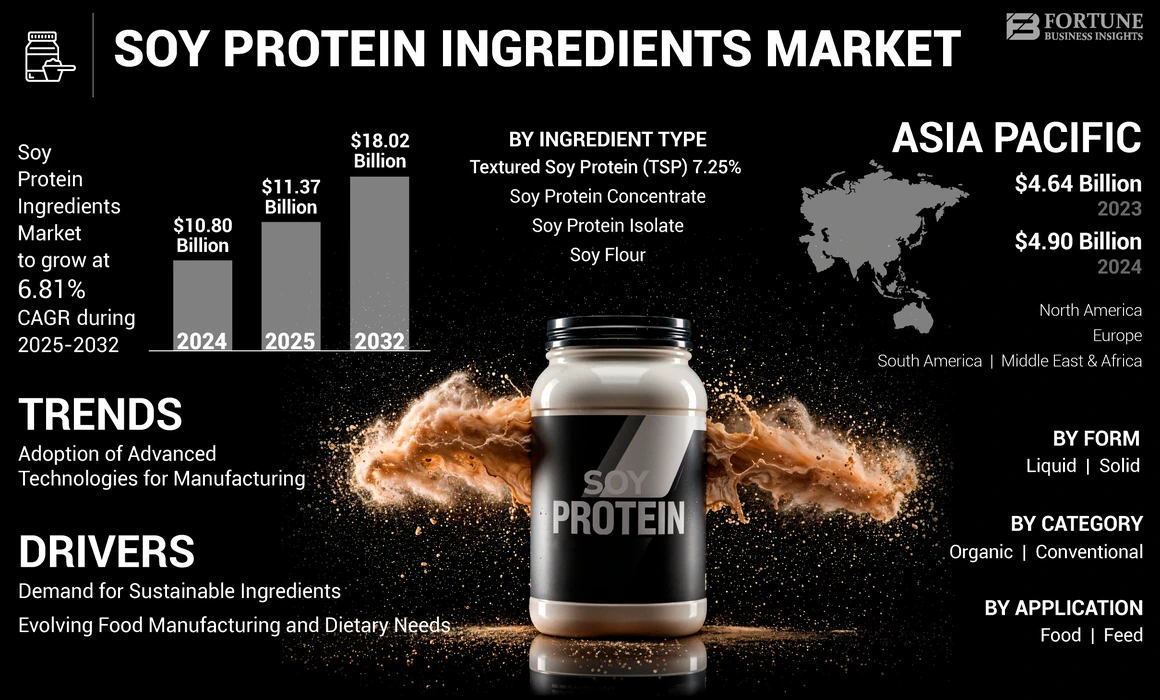
Credit: www.fortunebusinessinsights.com
Protein Basics
Proteins are essential for building muscles and repairing tissues. They are made up of amino acids, which are the building blocks of life.
There are many types of protein supplements available. Two popular options are whey protein and soy protein.
What Is Whey Protein
Whey protein comes from milk. It is a byproduct of cheese production. Whey protein is rich in essential amino acids.
This protein is quickly absorbed by the body. It is often used by athletes to support muscle growth.
What Is Soy Protein
Soy protein is plant-based. It is made from soybeans. This makes it suitable for vegans and vegetarians.
Soy protein contains all essential amino acids. It is a good option for those who cannot consume dairy.
Protein Quality And Amino Acids
Protein quality is measured by amino acid content. Both whey and soy have all essential amino acids.
Whey protein has a higher biological value. This means it is more easily used by the body.
- Whey protein: Fast absorption, high biological value
- Soy protein: Plant-based, complete amino acid profile

Credit: sportmento.com
Health Benefits
Whey protein and soy protein both offer health benefits. They support nutrition and wellness in different ways.
Choosing between whey and soy depends on your health goals and dietary needs.
Muscle Growth And Recovery
Whey protein is rich in essential amino acids. It helps build muscle fast after workouts.
Soy protein also supports muscle repair. It contains all essential amino acids but digests slower than whey.
- Whey protein boosts muscle protein synthesis quickly
- Soy protein aids muscle recovery over a longer time
- Both help reduce muscle soreness after exercise
Heart Health Effects
Soy protein may lower bad cholesterol and improve heart health. It contains isoflavones that support blood vessels.
Whey protein can help reduce blood pressure and improve artery function. It may benefit heart health too.
- Soy protein lowers LDL cholesterol
- Whey protein helps reduce blood pressure
- Both proteins support healthy blood vessels
Bone Health Impact
Soy protein contains compounds that may help maintain bone strength. It supports bone density over time.
Whey protein provides calcium and amino acids that build strong bones. It aids bone repair and growth.
- Soy protein promotes bone density
- Whey protein supplies calcium for bones
- Both help maintain healthy bones
Digestibility And Allergies
Choosing between whey protein and soy protein often depends on how your body handles them. Digestibility and allergies play a big role in this choice.
Both proteins offer benefits, but some people find one easier to digest or less likely to cause allergies.
Digestive Tolerance
Whey protein comes from milk and usually digests quickly. Many people find it easy on the stomach.
Soy protein is plant-based and may digest slower for some. It contains fiber, which can affect digestion.
- Whey protein breaks down fast in the body.
- Soy protein may cause gas or bloating in some.
- People with lactose intolerance might struggle with whey.
- Soy protein is lactose-free and often suits those people.
Common Allergies And Sensitivities
Whey protein can cause allergies in people allergic to milk. Symptoms include itching, swelling, or stomach pain.
Soy protein may trigger allergies in people sensitive to soy. It also contains compounds that some avoid for health reasons.
- Milk allergy affects some whey protein users.
- Soy allergy is less common but still possible.
- Both proteins can cause mild to severe reactions.
- Always check for allergies before choosing a protein.
Weight Management
Choosing the right protein can help with weight management. Whey and soy proteins are popular options. Both support muscle growth and fat loss in different ways.
Understanding how each protein affects hunger and metabolism can guide your choice for better results.
Satiety And Appetite Control
Whey protein is known to increase feelings of fullness. It helps reduce hunger after meals. This can lower overall calorie intake.
Soy protein also helps control appetite but may work slower than whey. It provides steady energy and keeps you satisfied longer.
- Whey protein quickly reduces hunger
- Soy protein offers longer-lasting fullness
- Both help prevent overeating
Metabolism Boosting Effects
Whey protein can raise metabolism through a process called thermogenesis. It uses more energy to digest and absorb whey.
Soy protein also boosts metabolism but with a milder effect. It may support fat burning over time with regular use.
- Whey protein increases calorie burn after eating
- Soy protein supports steady metabolic rate
- Both aid fat loss when combined with exercise
Environmental Impact
Choosing between whey protein and soy protein affects the environment. Each protein source has different impacts on land, water, and emissions.
Understanding these impacts helps you pick a protein that fits your values and reduces harm to the planet.
Sustainability Of Whey
Whey protein comes from milk, a byproduct of cheese production. It uses resources from dairy farming.
Dairy farms need land, water, and feed for cows. They also produce methane gas, which harms the climate.
- High water use for cows and cleaning
- Large land area for grazing and growing feed
- Methane emissions contribute to global warming
- Waste from dairy farms can pollute soil and water
Sustainability Of Soy
Soy protein comes from soybeans, which are plants. Growing soy uses less water and land than dairy farming.
Soy farming still has environmental effects. It can lead to deforestation and soil damage if not managed well.
- Lower water use compared to dairy
- Less greenhouse gas emissions
- Risk of deforestation in some areas
- Can improve soil health with proper farming
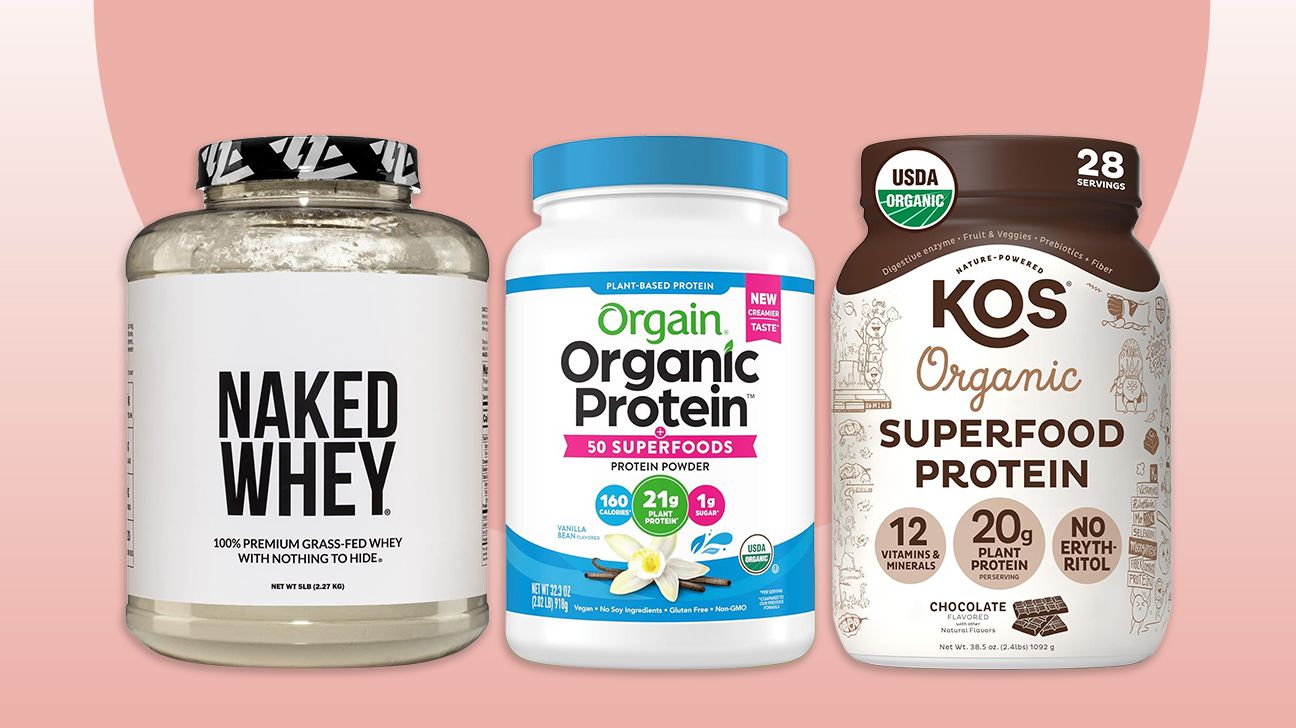
Credit: www.healthline.com
Cost And Availability
Whey protein and soy protein are popular choices for many people. Both have different costs and availability in the market. Knowing these differences helps you choose the right one.
This section looks at the price differences and how easy it is to find each protein type.
Price Comparison
Whey protein usually costs more than soy protein. This is because whey is made from milk and requires more processing. Soy protein comes from soybeans and is cheaper to produce.
Prices vary depending on the brand and quality, but on average, soy protein is more budget-friendly.
- Whey protein is often priced higher per serving
- Soy protein offers a lower-cost option
- Bulk buying reduces the cost for both types
Market Availability
Whey protein is widely available in most health stores and online shops. It is popular among athletes and fitness fans. This makes whey easy to find in many countries.
Soy protein is also common but may be harder to find in some local stores. It is often found in vegan and vegetarian product sections or specialty shops.
- Whey protein is found in most supermarkets and fitness stores
- Soy protein is common in vegan and health food stores
- Online shopping offers both options worldwide
Choosing The Right Protein
Protein powders help many people reach their health goals. Whey and soy are two popular options.
Choosing the right protein depends on your body and what you want to achieve.
Dietary Preferences And Restrictions
Whey protein comes from milk, so it is not good for people who are lactose intolerant or vegan.
Soy protein is plant-based and suits vegans and those with dairy allergies.
- Whey protein may cause problems for people with milk allergies.
- Soy protein is suitable for vegetarians and vegans.
- Both proteins offer essential amino acids but differ in source.
Fitness Goals Alignment
Whey protein absorbs quickly, making it ideal for muscle recovery after workouts.
Soy protein digests slower and may support heart health and hormone balance.
- Choose whey for fast muscle repair and growth.
- Choose soy for steady protein release and plant-based nutrition.
- Both support weight loss and muscle building when combined with exercise.
Frequently Asked Questions
Which Protein Is Absorbed Faster, Whey Or Soy?
Whey protein absorbs faster, making it ideal post-workout. Soy protein digests slower, providing a steady amino acid release. Choose whey for quick recovery and soy for sustained nutrition throughout the day.
Is Soy Protein As Effective As Whey For Muscle Gain?
Soy protein supports muscle growth but is slightly less effective than whey. Whey contains more leucine, a key amino acid for muscle synthesis. Both proteins help build muscle, but whey is preferred by many athletes.
Are There Any Allergy Concerns With Whey Or Soy Protein?
Whey protein may cause issues for those with dairy allergies or lactose intolerance. Soy protein can trigger allergies in people sensitive to soy. Always check ingredient lists and consult a doctor if you have allergies.
Which Protein Is Better For Weight Loss, Whey Or Soy?
Whey protein helps with weight loss by promoting fat loss and muscle retention. Soy protein supports weight management through its fiber content and balanced nutrients. Both can aid weight loss when combined with a healthy diet.
Conclusion
Choosing between whey and soy protein depends on your needs and diet. Whey protein supports quick muscle recovery and has all essential amino acids. Soy protein is plant-based and suits those avoiding dairy. Both help build muscle and improve health.
Think about allergies, digestion, and personal goals. Try each one to see what feels best. Balanced nutrition matters most. Keep your routine simple and consistent for best results.


