

Are you curious about whey protein and what it really contains? If you’ve ever wondered whether whey protein is dairy based, you’re not alone.
Knowing the answer can help you make smarter choices for your health and fitness goals. You’ll discover what whey protein is made of, how it relates to dairy, and what that means for your diet. Keep reading to get clear, simple answers that matter to you.
What Is Whey Protein
Whey protein is a popular supplement for fitness enthusiasts. It helps with muscle growth and recovery.
It is derived from milk during the cheese-making process. Whey is the liquid part left after milk curdles.
Is Whey Protein Dairy Based?
Yes, whey protein is dairy based. It comes from cow’s milk and contains lactose.
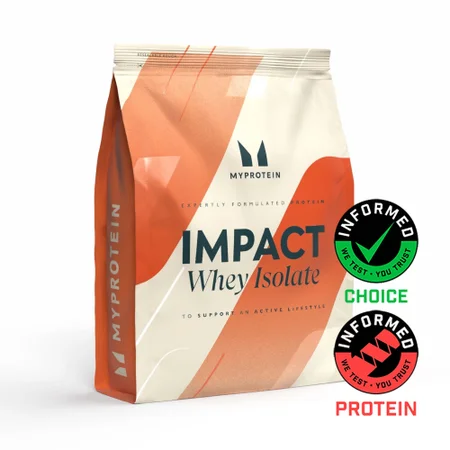
People with lactose intolerance should choose whey protein isolate. It has less lactose than whey protein concentrate.
- Whey protein concentrate has more lactose
- Whey protein isolate has less lactose
- Both types are rich in essential amino acids
Credit: www.myprotein.ie
Sources Of Whey Protein
Whey protein is a popular supplement for muscle building and health. It comes from milk, which many people consume daily.
This article explains where whey protein comes from and its connection to milk. It also covers different types of whey protein you can find.
Whey And Milk Connection
Whey protein is made from milk. Milk has two main proteins: casein and whey. Casein is the solid part, and whey is the liquid part.
When cheese is made, whey separates from the milk. This whey liquid is then processed to make whey protein powder.
- Milk is the original source of whey protein
- Whey is the liquid left after making cheese
- Whey protein powder is made by drying this liquid
Types Of Whey Protein
There are three main types of whey protein. They differ in how much protein and fat they contain. Each type has a unique use.
- Whey Protein Concentrate:Contains 70-80% protein. It has some fat and lactose.
- Whey Protein Isolate:Contains 90% or more protein. Low in fat and lactose.
- Whey Protein Hydrolysate:Pre-digested for faster absorption. Often used in medical nutrition.
Choose whey type based on your health needs and taste preference.
Dairy Components In Whey
Whey protein comes from milk, so it contains dairy parts. It is made by separating whey from the curds during cheese making.
This process keeps many dairy components in whey, including proteins, lactose, and some milk allergens.
Lactose Content
Lactose is the sugar found in milk and whey protein. It can cause digestion problems for some people.
The amount of lactose depends on the whey type. Whey concentrate has more lactose than whey isolate.
- Whey concentrate: higher lactose content
- Whey isolate: lower lactose content
- Lactose-free whey: specially processed to remove most lactose
Milk Allergens
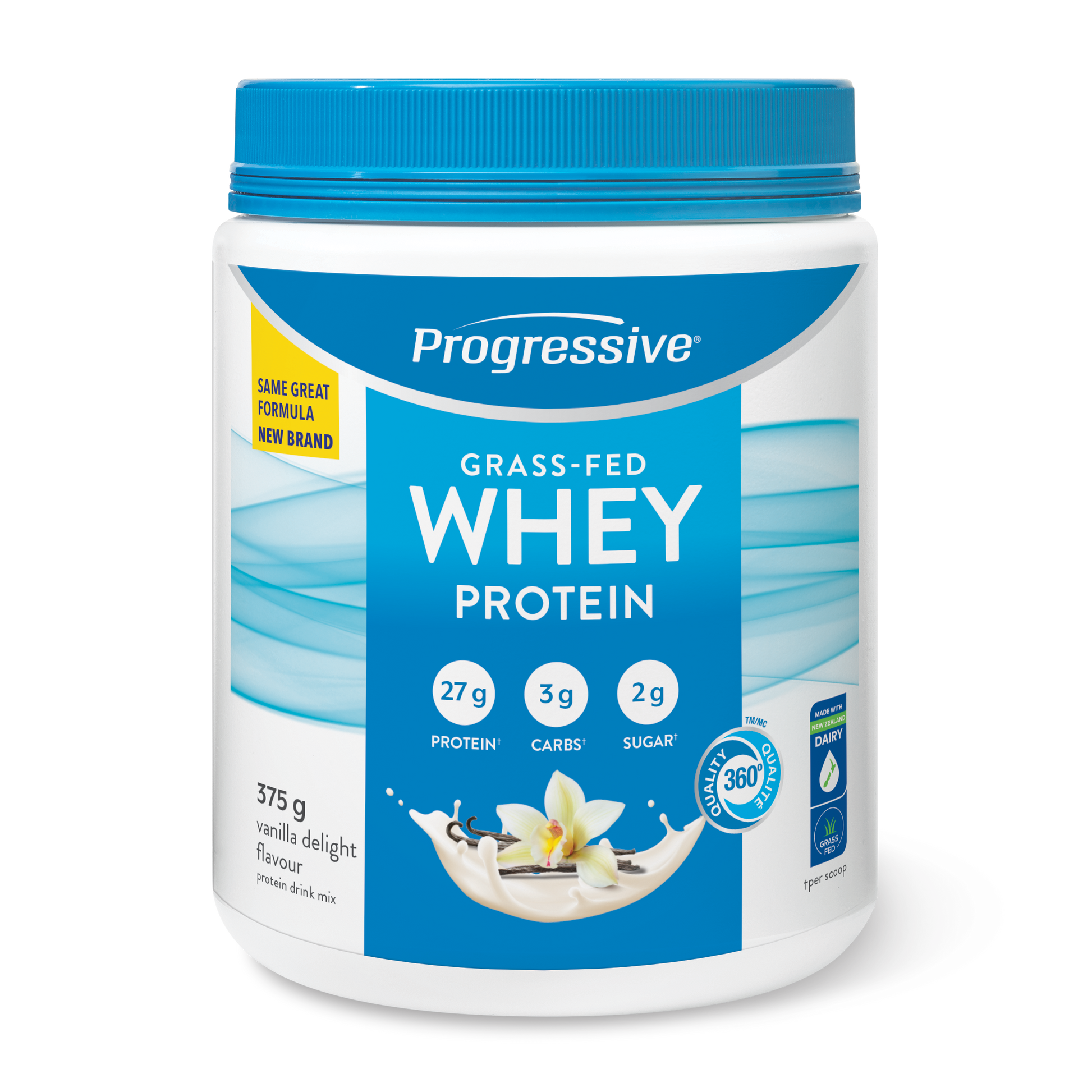
Whey protein contains milk allergens. These can cause allergic reactions in sensitive people.
The main milk allergens in whey are proteins called beta-lactoglobulin and alpha-lactalbumin.
- Beta-lactoglobulin: most common whey allergen
- Alpha-lactalbumin: another milk protein allergen
- Casein: small amounts may be present
Credit: www.progressivenutritional.com
Whey Protein And Lactose Intolerance
Whey protein is a popular supplement made from milk. It contains a small amount of lactose, a sugar found in dairy products.
People with lactose intolerance have trouble digesting lactose. This can cause stomach pain, bloating, and gas after eating dairy.
Effects On Sensitive Individuals
Whey protein can cause discomfort for people with lactose intolerance. Symptoms may include cramps, diarrhea, and nausea.
The level of symptoms depends on how much lactose is in the whey protein and the person’s tolerance level.
- Whey concentrate has more lactose than isolate
- Higher lactose can trigger stronger symptoms
- Individual reactions vary greatly
Low-lactose Whey Options
Whey protein isolate has less lactose than concentrate. It is easier to digest for many lactose-sensitive people.
Some products use enzymes to break down lactose. This helps reduce digestive problems for sensitive users.
- Whey protein isolate: very low lactose content
- Hydrolyzed whey: partially broken down for easier digestion
- Lactase-treated whey: added enzyme to digest lactose
Vegan And Non-dairy Alternatives
Whey protein comes from milk, so it is not vegan or dairy-free. People who avoid dairy look for other protein sources. Vegan and non-dairy protein powders are good choices.
These alternatives come from plants and do not contain lactose. They fit well in a vegan or lactose-free diet.
Plant-based Protein Powders
Plant-based protein powders come from peas, rice, hemp, and soy. They offer a variety of flavors and nutrition. These powders are easy to digest and suitable for many diets.
Many brands mix different plants to provide all essential amino acids. These blends help support muscle growth and repair.
- Pea protein is rich in iron and easy to digest.
- Rice protein is hypoallergenic and light.
- Hemp protein has omega-3 fats and fiber.
- Soy protein is complete and widely studied.
Comparing Nutritional Profiles
Whey protein has high protein content and is quickly absorbed. It contains all essential amino acids. It also has lactose, which some people cannot digest.
Plant proteins vary in protein levels and nutrients. Some have more fiber or healthy fats. They usually have less protein per serving than whey.
| Protein Type | Protein per Serving | Key Nutrients | Dairy-Free |
|---|---|---|---|
| Whey Protein | 20-25g | All essential amino acids, lactose | No |
| Pea Protein | 15-20g | Iron, fiber | Yes |
| Rice Protein | 15-20g | Light, hypoallergenic | Yes |
| Hemp Protein | 10-15g | Omega-3 fats, fiber | Yes |
| Soy Protein | 20-25g | Complete protein, isoflavones | Yes |

Credit: www.dairyprocessing.com
Choosing The Right Protein For Fitness
Protein is important for building muscles and staying healthy. Many people use protein powders to help their fitness goals.
Whey protein is popular, but some wonder if it is dairy based. Knowing the type of protein helps you pick the right one.
Dietary Restrictions
Whey protein comes from milk, so it is dairy based. People with lactose intolerance or milk allergies should be careful.
There are other protein types for people with dietary limits. Plant-based proteins are good options for many.
- Whey protein contains lactose and milk proteins
- Casein is also dairy based and slower to digest
- Plant proteins come from peas, rice, soy, or hemp
- Egg white protein is dairy free and high in protein
Fitness Goals And Protein Types
Different proteins suit different fitness goals. Choose protein types based on your needs and workout plan.
Whey protein is fast digesting and helps muscle recovery. Plant proteins are good for overall health and steady energy.
- Whey protein helps build muscle quickly
- Casein supports muscle growth overnight
- Plant proteins aid in weight management and health
- Protein blends combine benefits of many types
Frequently Asked Questions
Is Whey Protein Derived From Dairy Products?
Yes, whey protein is derived from milk, a dairy product. It is the liquid portion separated during cheese production.
Does Whey Protein Contain Lactose Or Dairy Allergens?
Whey protein contains varying lactose amounts. Some forms are low-lactose, but it may still trigger dairy allergies.
Can Lactose-intolerant People Consume Whey Protein?
Some lactose-intolerant individuals tolerate whey isolate, which has minimal lactose. However, whey concentrate may cause symptoms.
What Types Of Whey Protein Exist In The Market?
The main types are whey concentrate, isolate, and hydrolysate. Each differs in protein content and lactose levels.
Conclusion
Whey protein comes from milk, so it is dairy-based. It contains lactose and milk proteins. People with dairy allergies or lactose intolerance should be careful. Many choose whey for muscle building and recovery. You can find whey in powders and shakes.
Some types have less lactose than others. Always check labels before buying whey products. Understanding what whey is helps you make smart choices. This knowledge supports your health and fitness goals well.


