
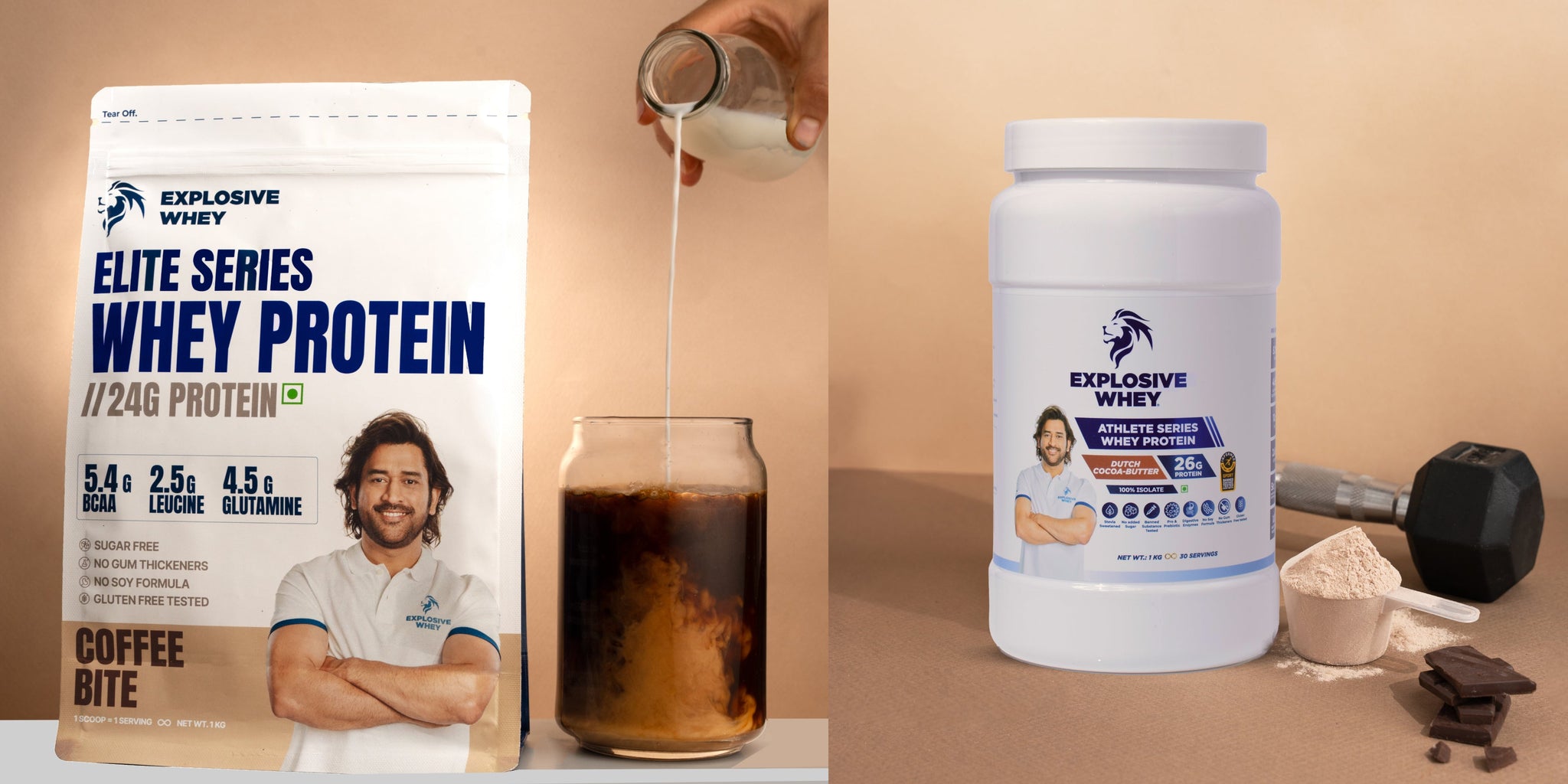
Are you wondering if whey protein contains lactose and how it might affect your body? If you’re lactose intolerant or sensitive, this question is more important than you might think.
Knowing the truth about lactose in whey protein can help you choose the right supplement without risking discomfort or digestive issues. Keep reading to uncover what’s really inside your whey protein and how it can impact your health and fitness goals.
Lactose Basics
Lactose is a sugar found in milk and dairy products. Whey protein, derived from milk, often contains lactose.
Many people consume whey protein for its health benefits. Understanding lactose is important for those with dietary restrictions.
What Is Lactose?
Lactose is a natural sugar in milk. It gives milk its sweet taste. Lactose is made of two simple sugars: glucose and galactose.
When you drink milk, your body breaks down lactose. An enzyme called lactase helps with this process.
- Lactose is found in milk and dairy products.
- It is made of glucose and galactose.
- Lactase is needed to digest lactose.
Lactose Intolerance Explained
Lactose intolerance happens when your body lacks lactase. This enzyme is needed to digest lactose properly.
People with lactose intolerance may feel discomfort after eating dairy. Common symptoms include bloating, gas, and stomach pain.
- Body lacks enough lactase.
- Leads to digestive discomfort.
- Common symptoms include gas and stomach pain.

Credit: explosivewhey.com
Whey Protein Types
Whey protein comes in different types. Each type has different amounts of lactose.
Knowing the types helps you choose the right protein for your needs.
Whey Concentrate
Whey concentrate contains about 70-80% protein. It also has some lactose and fat.
Because of the lactose, it may cause issues for people who are lactose intolerant.
- Protein content: 70-80%
- Lactose content: moderate
- Contains some fat and carbs
Whey Isolate
Whey isolate has 90% or more protein. It goes through extra filtering to remove most lactose.
This makes it a better choice for those with lactose sensitivity.
- Protein content: 90% or higher
- Lactose content: very low
- Low in fat and carbs
Whey Hydrolysate
Whey hydrolysate is pre-digested protein. It breaks down faster in the body.
Lactose is usually very low or almost none in this type.
- Protein content: high
- Lactose content: very low to none
- Faster digestion and absorption
Lactose Content In Whey
Whey protein is a popular supplement for muscle building and nutrition. Some people worry about lactose in whey protein. Lactose is a sugar found in milk and dairy products.
The amount of lactose in whey depends on the type of whey protein. Each type has different lactose levels. This guide explains lactose in whey concentrate, isolate, and hydrolysate.
Lactose In Whey Concentrate
Whey concentrate contains the most lactose of all whey types. It is less processed and keeps more milk sugars. Usually, it has about 3-5% lactose.
People who are lactose intolerant may feel discomfort using whey concentrate. It is best for those with no lactose sensitivity.
Lactose In Whey Isolate
Whey isolate goes through more filtering. This removes most fats and lactose. It usually contains less than 1% lactose.
Whey isolate is a good choice for people with mild lactose intolerance. It has higher protein and lower sugar than concentrate.
Lactose In Whey Hydrolysate
Whey hydrolysate is pre-digested whey protein. It breaks down protein chains for easier absorption. It has very little lactose, often close to zero.
This type suits most people, even those with lactose intolerance. It is fast absorbing and gentle on the stomach.

Credit: agrocomplex.com.pl
Choosing The Right Whey Protein
Whey protein is a popular supplement for muscle building and recovery. Many people wonder if whey protein contains lactose.
Choosing the right whey protein depends on your body’s reaction to lactose. Some whey proteins have little to no lactose.
For Lactose Intolerant Individuals
Lactose intolerant people cannot digest lactose well. This can cause stomach pain, gas, or bloating after consuming whey protein.
Look for whey protein isolate or hydrolysate. These types usually have less lactose than whey concentrate.
- Whey isolate has most lactose removed
- Hydrolysate is pre-digested and easier to absorb
- Whey concentrate has more lactose and may cause issues
Reading Labels Effectively
Check the nutrition label to find lactose content. Look for terms like “lactose,” “milk sugar,” or “milk solids.”
Choose whey protein with low or zero grams of lactose. Ingredients lists also show if milk derivatives are added.
- Look for “whey protein isolate” or “hydrolyzed whey protein”
- Avoid “whey protein concentrate” if lactose sensitive
- Check for added milk or dairy ingredients
- Check serving size and lactose grams per serving
Alternatives To Whey Protein
Whey protein contains lactose, which some people cannot digest. Many look for other protein sources that do not have lactose. These alternatives can fit various diets and preferences.
Choosing a lactose-free protein can help avoid stomach issues. It also suits those who follow vegan or dairy-free lifestyles.
Plant-based Proteins
Plant-based proteins come from seeds, beans, and grains. They are naturally free of lactose. These proteins support muscle growth and recovery.
Common plant proteins include pea, rice, and hemp protein. They offer different tastes and textures for variety in shakes.
- Pea protein: rich in amino acids and easy to digest
- Rice protein: hypoallergenic and mild flavor
- Hemp protein: contains healthy fats and fiber
- Soy protein: complete protein with all essential amino acids
Other Dairy-free Options
Besides plant proteins, there are other dairy-free protein powders. These come from sources like egg whites and collagen.
Egg white protein is lactose-free and high in protein. Collagen protein supports skin and joints but has fewer muscle-building amino acids.
- Egg white protein: high-quality and lactose-free
- Collagen protein: good for skin and joints
- Beef protein isolate: dairy-free and rich in protein
- Mixed plant blends: combine several plants for balanced nutrition

Credit: leanfit.ca
Managing Lactose Sensitivity
Whey protein can contain lactose, a sugar found in milk. People with lactose sensitivity may have trouble digesting it. Managing lactose sensitivity helps you avoid discomfort.
Understanding symptoms and using tips to reduce discomfort can make whey protein easier to enjoy. You can still meet your protein needs without pain.
Symptoms To Watch For
Lactose sensitivity causes signs that show soon after eating or drinking dairy. Watch for these symptoms to know if whey protein affects you.
Common symptoms include stomach pain, bloating, gas, and diarrhea. Some people also feel nausea or cramps.
- Stomach pain or cramps
- Bloating or swelling in the belly
- Gas or flatulence
- Diarrhea or loose stools
- Nausea or feeling sick
Tips To Reduce Discomfort
Choose whey protein types with less lactose to lower symptoms. Whey isolate has less lactose than whey concentrate.
Try these tips to reduce discomfort when using whey protein:
- Start with small amounts of whey protein
- Take lactase enzyme supplements before protein intake
- Drink plenty of water to help digestion
- Eat whey protein with other foods, not alone
- Switch to lactose-free or plant-based protein powders
Frequently Asked Questions
Does Whey Protein Contain Lactose?
Whey protein naturally contains some lactose since it is derived from milk. However, whey protein isolate has most lactose removed. If you are lactose intolerant, opt for isolate or lactose-free whey protein to avoid digestive issues.
How Much Lactose Is In Whey Protein Concentrate?
Whey protein concentrate contains about 3-5% lactose by weight. This amount can cause discomfort for sensitive individuals. Concentrate is less processed than isolate and retains more lactose and fat.
Is Whey Protein Isolate Lactose-free?
Whey protein isolate undergoes extra processing to remove most lactose. It typically contains less than 1% lactose, making it suitable for many lactose-intolerant people. Always check labels for lactose content to be sure.
Can Lactose-intolerant People Consume Whey Protein?
Lactose-intolerant individuals can usually tolerate whey protein isolate or lactose-free formulas. Avoid whey protein concentrate as it has higher lactose levels. Start with small amounts to assess your tolerance.
Conclusion
Whey protein may contain some lactose, but amounts vary. Many whey isolates have little to no lactose. People with lactose intolerance should choose these types carefully. Reading labels helps find suitable whey protein products. Knowing lactose content supports better health choices.
Always test your body’s response to new supplements. This way, you avoid discomfort and get the best results. Whey protein can fit most diets with the right choice. Keep learning about your nutrition needs for success.


