
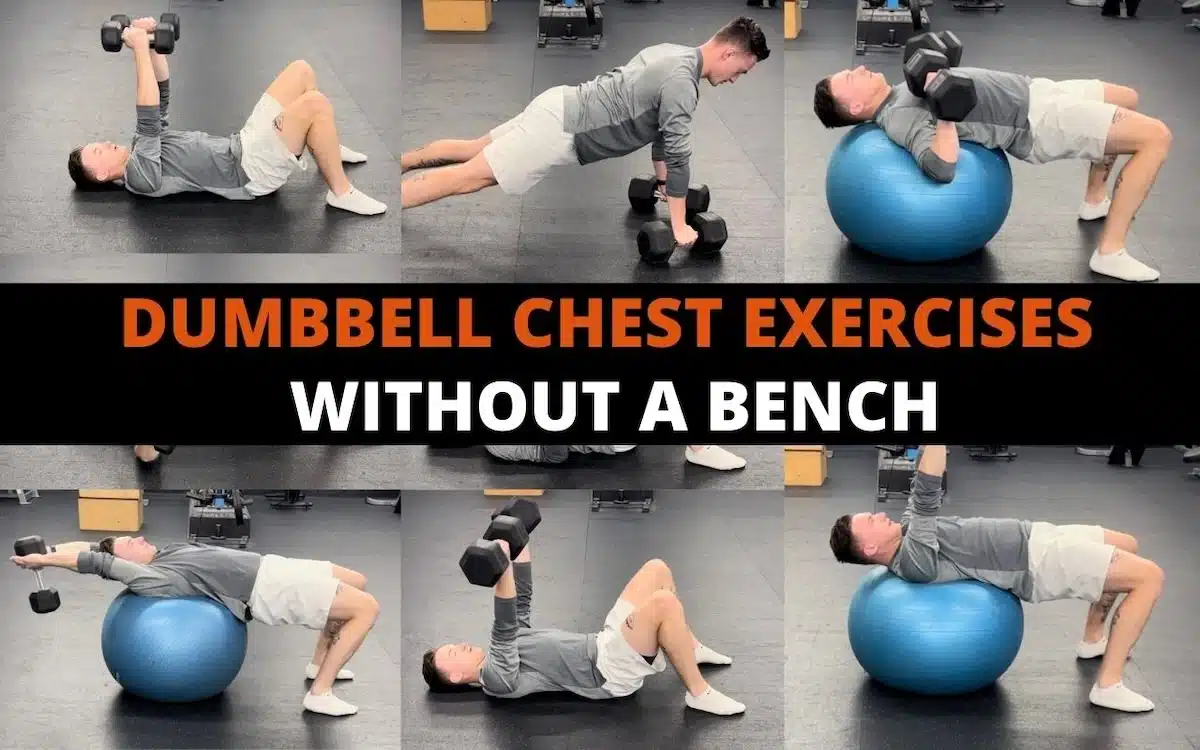
Want to build strong, defined chest muscles but only have dumbbells at home? You’re in the right place.
Working out your pecs with dumbbells is simple, effective, and perfect for anyone looking to shape their upper body without fancy gym machines. You’ll discover easy-to-follow exercises that target your chest muscles, help you gain strength, and improve your overall look.
Ready to transform your pecs and boost your confidence? Keep reading to learn exactly how to get the best results with just a pair of dumbbells.
Credit: www.youtube.com
Benefits Of Dumbbell Pec Workouts
Dumbbell workouts for your pecs have many advantages. They help build strength and improve your chest muscles.
Using dumbbells can be effective for muscle growth. They also offer unique benefits for your workout routine.
Improved Muscle Symmetry
Dumbbells allow each arm to work independently. This helps balance muscle development.
If one side is weaker, dumbbells help it catch up. This leads to better symmetry in your chest muscles.
Enhanced Range Of Motion
Dumbbells provide a greater range of motion compared to machines. They allow your arms to move freely.
This increased range helps stretch your pec muscles more. Stretching can lead to better muscle growth over time.
Convenience And Versatility
Dumbbells are easy to use at home or in the gym. They do not need much space.
You can perform various exercises with dumbbells. This makes them versatile for different workout routines.
- Chest presses
- Flyes
- Pullovers
Essential Equipment And Setup
Working out your pecs with dumbbells needs the right tools. Using good equipment helps you exercise safely and well.
This guide covers the essential gear and setup. It makes your pec workouts more effective and secure.
Choosing The Right Dumbbells
Select dumbbells that fit your strength and goals. Start with lighter weights if you are a beginner.
Adjustable dumbbells save space and let you increase weight over time. Fixed dumbbells are simple and sturdy.
- Choose weights you can lift with good form
- Pick adjustable dumbbells for variety
- Use fixed dumbbells for steady workouts
Bench Options And Adjustments
A bench helps support your body during dumbbell exercises. A flat bench is good for basic chest workouts.
An adjustable bench lets you change angles. This targets different parts of your pec muscles.
- Use a flat bench for standard chest presses
- Try incline bench to work upper pecs
- Set decline bench for lower pecs
- Make sure the bench is stable and strong
Safety Tips
Always warm up before starting your pec workout. This prepares your muscles and reduces injury risk.
Check your dumbbells and bench for damage. Use a spotter if you lift heavy weights to stay safe.
- Warm up with light cardio or stretching
- Inspect equipment before use
- Keep a firm grip on dumbbells
- Lift weights you can control well
- Ask for help if needed
Key Dumbbell Exercises For Pecs
Dumbbells help you build strong chest muscles. You can do many exercises with them.
These exercises target different parts of the pecs. Using dumbbells also improves muscle balance.
Flat Dumbbell Press
Lie flat on a bench with a dumbbell in each hand. Press the weights up until your arms are straight.
Lower the dumbbells slowly until your elbows are near the bench. This works the middle chest well.
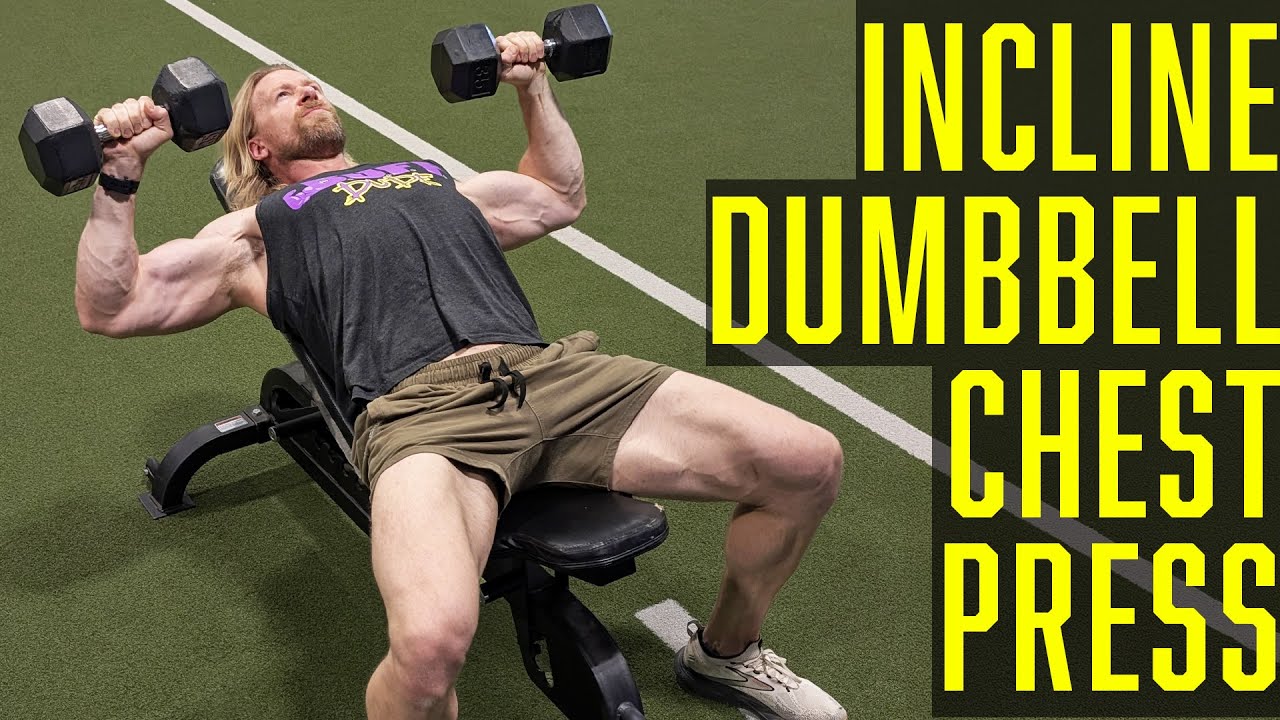
Incline Dumbbell Press
Set the bench at a 30 to 45-degree angle. Press dumbbells upward to target the upper chest muscles.
This exercise helps build the top part of your pecs. Keep your feet flat and back supported.
Dumbbell Flyes
Lie on a flat or incline bench holding dumbbells above your chest. Keep a slight bend in your elbows.
Slowly open your arms wide to stretch your chest. Bring the weights back up by squeezing your pecs.
- Use light weights for better control
- Keep movements slow to avoid injury
- Focus on feeling the chest stretch
Pullover Variations
Hold a dumbbell with both hands above your chest while lying on a bench. Lower it slowly behind your head.
Pull the dumbbell back over your chest. This move works both your chest and lats.
- Keep your arms slightly bent
- Move slowly to protect your shoulders
- Try different angles for variety
Proper Form And Technique
Working out your pecs with dumbbells helps build chest strength. Using proper form keeps you safe and improves results.
Focus on controlled movements and correct posture. This guide covers key points for good technique.
Maintaining Controlled Movements
Move the dumbbells slowly during each exercise. Avoid fast or jerky motions that cause injury.
Control the weights on both the way up and down. This helps your muscles work fully and grow stronger.
- Lift the dumbbells with steady speed
- Lower them slowly to feel the muscles stretch
- Pause briefly at the top of each lift
Breathing Patterns
Good breathing supports your strength and focus. Breathe out as you push the weights up.
Inhale as you lower the dumbbells back down. This helps keep your body stable and muscles oxygenated.
- Exhale on exertion (lifting phase)
- Inhale on relaxation (lowering phase)
- Keep breathing smooth and regular
Common Mistakes To Avoid
Many people make errors that reduce workout benefits. Avoid these to protect your body and improve gains.
- Using weights that are too heavy
- Arching your back during the lift
- Letting dumbbells drop too fast
- Not keeping your shoulder blades tight
- Holding your breath while lifting
Workout Plans For Muscle Growth
Building chest muscles with dumbbells is a great way to get stronger. Dumbbells let you work each side of your body evenly.
Using different routines helps your muscles grow. Start easy and increase the challenge over time.
Beginner Routine
Begin with light weights to learn the exercises. Focus on form and control to avoid injury.
Do these exercises two to three times per week. Rest one day between workouts.
- Dumbbell Chest Press – 3 sets of 10 reps
- Dumbbell Flyes – 3 sets of 10 reps
- Incline Dumbbell Press – 3 sets of 8 reps
Intermediate Routine
Use moderate weights to increase strength. Add more sets and reps to challenge your muscles.
Work out your chest three to four times a week. Change exercises to target different muscle parts.
- Dumbbell Chest Press – 4 sets of 12 reps
- Dumbbell Flyes – 4 sets of 12 reps
- Incline Dumbbell Press – 4 sets of 10 reps
- Dumbbell Pullover – 3 sets of 10 reps
Advanced Routine
Lift heavy dumbbells with good form. Include supersets and drop sets to push muscle growth.
Train your chest four to five times per week. Focus on controlled movement and muscle tension.
- Heavy Dumbbell Chest Press – 5 sets of 8 reps
- Superset: Dumbbell Flyes + Incline Dumbbell Press – 4 sets of 12 reps each
- Dumbbell Pullover – 4 sets of 12 reps
- Drop Set: Dumbbell Chest Press – 3 sets to failure

Credit: www.youtube.com
Recovery And Nutrition Tips
Working out your pecs with dumbbells builds muscle. Proper recovery and nutrition help muscles grow strong.
This guide covers rest, protein intake, and supplement ideas to support your chest workouts.
Rest And Muscle Repair
Rest allows your muscles to heal after a workout. Without enough rest, muscles stay tired and weak.
Try to get 7 to 9 hours of sleep every night. This helps your body repair muscle fibers.
- Take at least one day off between chest workouts
- Use light activity, like walking, on rest days
- Avoid working the same muscles two days in a row
Protein Intake
Protein helps build and repair muscles after lifting dumbbells. Eat enough protein daily for best results.
Good protein sources include chicken, fish, eggs, and beans. Spread protein across your meals during the day.
- Aim for 1.2 to 2.0 grams of protein per kg of body weight
- Include protein in every meal and snack
- Drink milk or eat yogurt for extra protein
Supplement Suggestions
Supplements can support muscle growth but are not required. Choose supplements that match your goals.
Whey protein helps if you do not get enough protein from food. Creatine may improve strength during workouts.
- Whey protein powder for quick protein after workouts
- Creatine monohydrate to support energy and muscle power
- Branched-chain amino acids (BCAAs) to reduce muscle soreness
Credit: powerliftingtechnique.com
Frequently Asked Questions
How Can Dumbbells Build Pec Muscles Effectively?
Dumbbells allow a full range of motion, engaging more muscle fibers. They target the pecs through controlled movements, improving strength and size. Regular, progressive overload with dumbbell exercises maximizes pec development efficiently.
What Are The Best Dumbbell Exercises For Pecs?
Effective dumbbell exercises include dumbbell bench press, dumbbell flyes, and pullover. These exercises target different pec areas, enhancing muscle growth. Combining them ensures balanced pec development and prevents workout plateaus.
How Often Should I Train Pecs With Dumbbells?
Train pecs 2-3 times per week for optimal growth. Allow 48 hours of rest between sessions for muscle recovery. Consistency and proper rest improve strength and prevent injury.
Can Dumbbells Replace Barbells For Chest Workouts?
Yes, dumbbells can replace barbells by offering greater range and muscle activation. They improve balance and fix muscle imbalances. Dumbbells provide varied angles, enhancing pec muscle engagement.
Conclusion
Dumbbell exercises help build strong chest muscles effectively. Start with light weights and focus on form. Gradually increase weight as strength improves. Consistency is key for seeing good results. Rest days allow muscles to recover and grow. Combine workouts with a healthy diet for best effects.
Enjoy the process and stay patient with progress. Your chest will become stronger with regular effort. Keep challenging yourself and track your improvements. Simple, steady workouts bring lasting benefits to your pecs.


