

Are you ready to get the most out of your workouts? Knowing how to use exercise equipment correctly can make a huge difference in reaching your fitness goals faster and safer.
Whether you’re new to the gym or have some experience, understanding the right techniques will boost your confidence and results. You’ll discover simple tips and clear instructions that will help you use various machines and tools like a pro. Keep reading to unlock the secrets that will transform your workout routine and keep you motivated every step of the way.
Choosing The Right Equipment
Choosing the right exercise equipment is important for your fitness journey. Different machines offer various benefits, and selecting the right one can help you meet your goals.
Consider your fitness level, space, and budget before making a choice. This guide will help you make an informed decision.
Types Of Exercise Machines
There are many types of exercise machines available. Each serves a different purpose and targets specific muscle groups.
- Treadmills for cardio workouts
- Ellipticals for low-impact exercises
- Stationary bikes for leg strength
- Rowing machines for full-body workouts
- Weight machines for muscle building
Selecting Based On Fitness Goals
Your fitness goals play a big role in equipment selection. Different machines help achieve different results.
- Cardio machines for weight loss
- Resistance machines for muscle gain
- Flexibility equipment for stretching
- Combination machines for overall fitness
Budget And Space Considerations
Budget and space are important when choosing exercise equipment. You need to find equipment that fits both your budget and available space.
- Compact machines for small spaces
- Multi-function machines for cost efficiency
- Second-hand machines to save money
- Foldable equipment for easy storage

Credit: www.womenshealthmag.com
Setting Up Equipment Safely
Using exercise equipment safely starts with proper setup. It helps prevent injuries and improves workout quality.
Follow clear steps to assemble, adjust, and check your equipment before use.
Proper Assembly Tips
Read the instruction manual carefully. Make sure all parts are included before starting assembly.
Use the right tools and follow each step slowly. Tighten bolts and screws securely but do not over-tighten.
- Lay out all parts and tools
- Assemble on a flat, stable surface
- Check for missing or damaged parts
- Tighten connections firmly but gently
- Keep children and pets away during assembly
Adjusting Settings For Comfort
Adjust your equipment to fit your body size and workout needs. Proper settings reduce strain and injury risk.
Check seat height, handle position, and resistance levels. Make small changes and test for comfort.
- Set seat height so your feet rest flat
- Adjust handlebars to a natural reach
- Choose resistance that matches your fitness
- Test movement smoothly before starting
Safety Checks Before Use
Inspect your equipment before every use. Look for loose parts, worn cables, or cracks in the frame.
Make sure the equipment is stable and on a flat surface. Clear the area around it to avoid accidents.
- Check bolts and screws for tightness
- Look for signs of wear or damage
- Ensure moving parts work smoothly
- Keep the floor area clear and dry
- Use equipment as instructed only
Mastering Cardio Machines
Cardio machines help improve heart health and burn calories. Learning how to use them well makes workouts safer and more effective.
We will look at three popular machines: treadmills, ellipticals, and exercise bikes. Each machine works your body in different ways.
Treadmills Techniques
Start by walking at a slow pace to warm up your muscles. Keep your posture straight and look forward, not down.
Use the incline feature to add challenge without running. Increase speed gradually to avoid strain. Hold the handrails lightly for balance only.
- Begin with a 5-minute warm-up walk
- Keep shoulders relaxed and back straight
- Use incline to work different muscles
- Increase speed slowly to avoid injury
- Hold handrails only if needed for balance
Using Ellipticals Effectively
Ellipticals offer low-impact cardio that is easy on joints. Keep your feet flat and push evenly with both legs.
Use the handles to work your arms and improve upper body strength. Maintain a steady pace and adjust resistance to increase effort.
- Keep feet flat on pedals
- Push evenly with both legs
- Use moving handles for arm workout
- Adjust resistance for more challenge
- Maintain smooth, steady movements
Maximizing Bike Workouts
Set the seat height so your knees bend slightly at the lowest pedal point. This helps avoid knee pain.
Start with light resistance and pedal at a steady pace. Increase resistance to build strength and burn more calories.
- Adjust seat height for proper knee bend
- Keep back straight and shoulders relaxed
- Start with low resistance
- Pedal smoothly and steadily
- Increase resistance to challenge muscles
Strength Training Equipment
Strength training equipment helps build muscle and improve fitness. It includes free weights, machines, and cables.
Knowing how to use each type safely can improve your workouts and reduce injury risks.
Free Weights Basics
Free weights include dumbbells, barbells, and kettlebells. They allow natural body movements.
Start with light weights and increase slowly to avoid strain.
- Keep your back straight during lifts
- Use a spotter for heavy weights
- Control the weight on both lift and lower
- Warm up before starting your session
Resistance Machines Usage
Resistance machines guide your movement and target specific muscles. They are good for beginners.
Adjust the seat and settings to fit your body before starting.
- Select a weight you can lift 8 to 12 times
- Keep a steady, controlled pace
- Do not lock your joints at the end of the movement
- Focus on breathing out when pushing or pulling
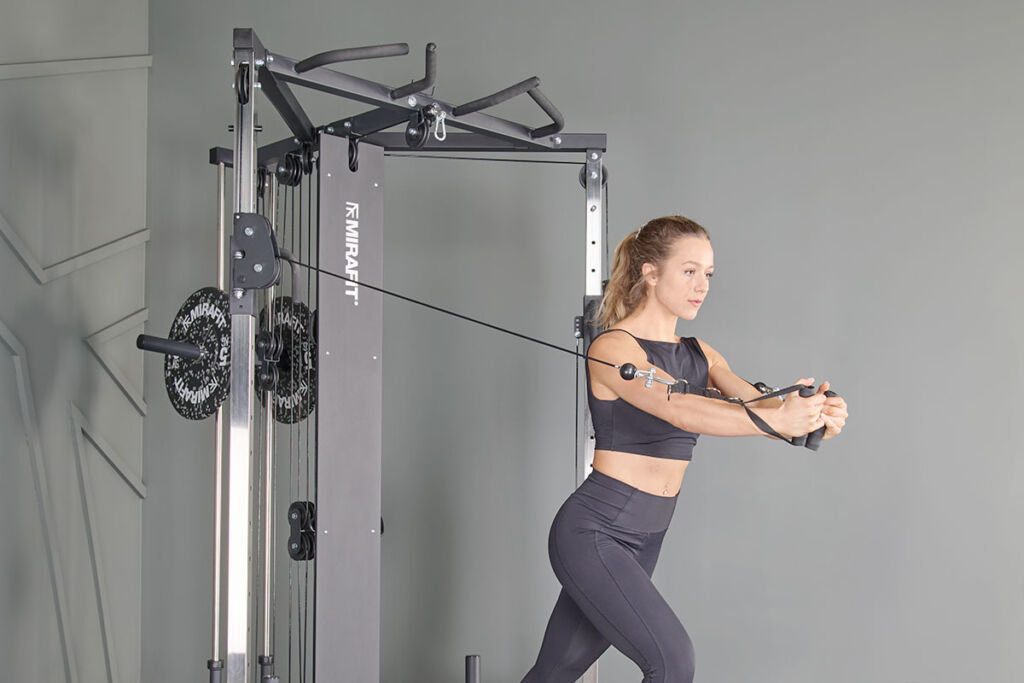
Cable Machine Workouts
Cable machines use adjustable pulleys and handles for many exercises. They work multiple muscles.
Set the pulley height and weight to match your exercise and strength level.
- Keep your core tight during exercises
- Perform smooth, controlled movements
- Use both arms or legs evenly to avoid imbalance
- Start with light weight to learn the motion
Incorporating Functional Tools
Exercise equipment helps improve strength and endurance. Functional tools add variety and challenge to workouts.
Using these tools correctly makes exercises safer and more effective. Let’s explore some common functional tools.
Using Kettlebells
Kettlebells have a unique shape that changes how you lift. They help improve grip, balance, and power.
Start with a light weight. Use your hips and legs to lift. Keep your back straight during swings and lifts.
- Practice kettlebell swings for full-body movement
- Try goblet squats to build leg strength
- Use kettlebell deadlifts for lower back and hamstrings
Medicine Ball Exercises
Medicine balls are weighted balls used for dynamic movements. They improve coordination and core strength.
Choose a ball that feels comfortable to hold. Perform exercises with controlled movements and good form.
- Throw medicine ball against a wall for power
- Do Russian twists to work your obliques
- Try overhead slams to engage your whole body
Jump Rope Routines
Jump ropes are simple tools for cardio and coordination. They help burn calories and improve agility.
Pick a rope that fits your height. Start slow and jump with both feet together. Increase speed as you improve.
- Try basic jumps to build endurance
- Use alternating feet to improve balance
- Practice double-unders for advanced cardio

Credit: www.youtube.com
Designing Balanced Workouts
Using exercise equipment well helps create workouts that work your whole body. Balanced workouts include different types of exercises.
They improve strength, endurance, and overall health. Planning your workouts carefully helps you reach your fitness goals safely.
Combining Cardio And Strength
Cardio exercises raise your heart rate. Strength exercises build muscle and improve bones. Mixing both types helps you get fit faster.
Use machines like treadmills for cardio and weights for strength. Change your routine to keep your body challenged.
- Start with 20-30 minutes of cardio
- Follow with 20-30 minutes of strength training
- Use different machines to target all muscles
- Rest briefly between exercises to keep energy
Scheduling Rest And Recovery
Your muscles need time to heal after workouts. Rest days help prevent injury and keep you strong. Plan rest days in your weekly routine.
Light activities like walking or stretching can help on rest days. Avoid heavy exercise every day to let your body recover well.
- Take at least one full rest day per week
- Use active recovery on other days
- Sleep 7-9 hours each night
- Drink water to stay hydrated
Tracking Progress Effectively
Keep a record of your workouts. Tracking shows your improvements and helps adjust your plan. Write down exercises, weights, and time spent.
Use apps or a notebook to log details. Seeing progress motivates you to keep going and reach your goals.
- Note the type of exercise done
- Record duration and intensity
- Track weights or resistance levels
- Review your progress weekly
Avoiding Common Mistakes
Using exercise equipment helps you stay fit and healthy. It is important to use it the right way. Avoiding common mistakes makes your workouts safer and more effective.
This guide explains common errors people make. Learn how to avoid them for better results and fewer injuries.
Overtraining Risks
Overtraining happens when you exercise too much without rest. It can cause tiredness and injuries. Your body needs time to recover after workouts.
Signs of overtraining include feeling weak, sore muscles, and trouble sleeping. Take rest days to stay healthy and strong.
- Schedule rest days between workouts
- Listen to your body’s signals
- Adjust workout intensity if tired
- Eat well and stay hydrated
Incorrect Form Issues
Using wrong form can cause injuries and reduce workout benefits. Proper posture and movements protect your joints and muscles.
Ask a trainer or watch videos to learn the right way to use equipment. Start with light weights to practice form.
- Keep your back straight during lifts
- Control your movements, avoid jerking
- Use full range of motion
- Stop if you feel pain
Ignoring Warm-up And Cool-down
Skipping warm-up and cool-down can cause muscle pain and injuries. Warm-up prepares your body for exercise. Cool-down helps your body recover.
Spend 5 to 10 minutes warming up before using machines. After your workout, do gentle stretches to cool down.
- Warm-up with light cardio or stretches
- Cool down with slow walking and stretches
- Focus on muscles you worked out
- Stay calm and breathe deeply
Maintaining And Cleaning Equipment
Exercise equipment needs regular care to work well and last long. Cleaning and maintenance keep it safe and ready to use.
Simple steps can help protect your gear from damage and dirt. This guide explains how to maintain and clean your equipment.
Regular Maintenance Tips
Check your equipment often for wear and tear. Tighten loose bolts and parts to keep machines steady and safe.
Lubricate moving parts like chains and joints to reduce friction. This helps the equipment work smoothly and quietly.
- Inspect cables and belts for cracks or frays
- Tighten screws, bolts, and nuts regularly
- Lubricate bearings and joints as needed
- Test electronic parts and replace batteries
- Store equipment in a dry, cool place
Cleaning For Hygiene
Wipe down equipment after each use to remove sweat and dirt. This lowers the chance of germs spreading.
Use mild cleaners safe for your equipment’s material. Avoid harsh chemicals that can damage surfaces.
- Use a soft cloth or sponge for cleaning
- Disinfect handles, seats, and touchscreens
- Clean fabric parts with gentle soap and water
- Let equipment dry fully before use
- Wash cleaning cloths often
When To Replace Equipment
Replace equipment if it shows serious damage or stops working safely. Worn-out parts can cause injuries.
Look for cracks, broken parts, or loose frames. If repairs cost more than new equipment, it’s time to buy new gear.
- Cracked or bent frames
- Unfixable electronic failures
- Worn-out cushions or grips
- Loose or missing safety features
- Excessive rust or corrosion
Credit: mirafit.co.uk
Frequently Asked Questions
What Are The Basic Safety Tips For Using Exercise Equipment?
Always read the manual before using any equipment. Start with low resistance or weight. Use proper form to avoid injuries. Ensure the equipment is stable and secure. Warm up before and cool down after workouts to prevent muscle strain.
How Do I Choose The Right Exercise Equipment?
Identify your fitness goals first, like strength or cardio. Consider space availability and budget. Research equipment that targets desired muscle groups. Read reviews and test equipment if possible. Choose versatile machines for a balanced workout.
How Often Should Exercise Equipment Be Maintained?
Maintenance frequency depends on usage. For home use, inspect monthly. Clean equipment after each session to prevent dirt buildup. Lubricate moving parts every few months. Replace worn-out parts promptly to ensure safety and performance.
Can Beginners Use All Types Of Exercise Equipment?
Beginners should start with simple machines like treadmills or stationary bikes. Avoid complex or heavy equipment initially. Seek guidance from trainers or manuals. Gradually increase intensity and complexity as fitness improves. Proper technique is key to prevent injuries.
Conclusion
Using exercise equipment can improve your fitness and health. Start slow and learn how each machine works. Focus on form to avoid injury and get better results. Consistency matters more than speed or weight lifted. Enjoy the process and celebrate small progress.
Stay patient and keep practicing regularly. Exercise equipment can help you stay active and strong. Keep your goals clear and adjust your routine as needed. You have the power to improve your body and mind. Keep moving forward, step by step.


