
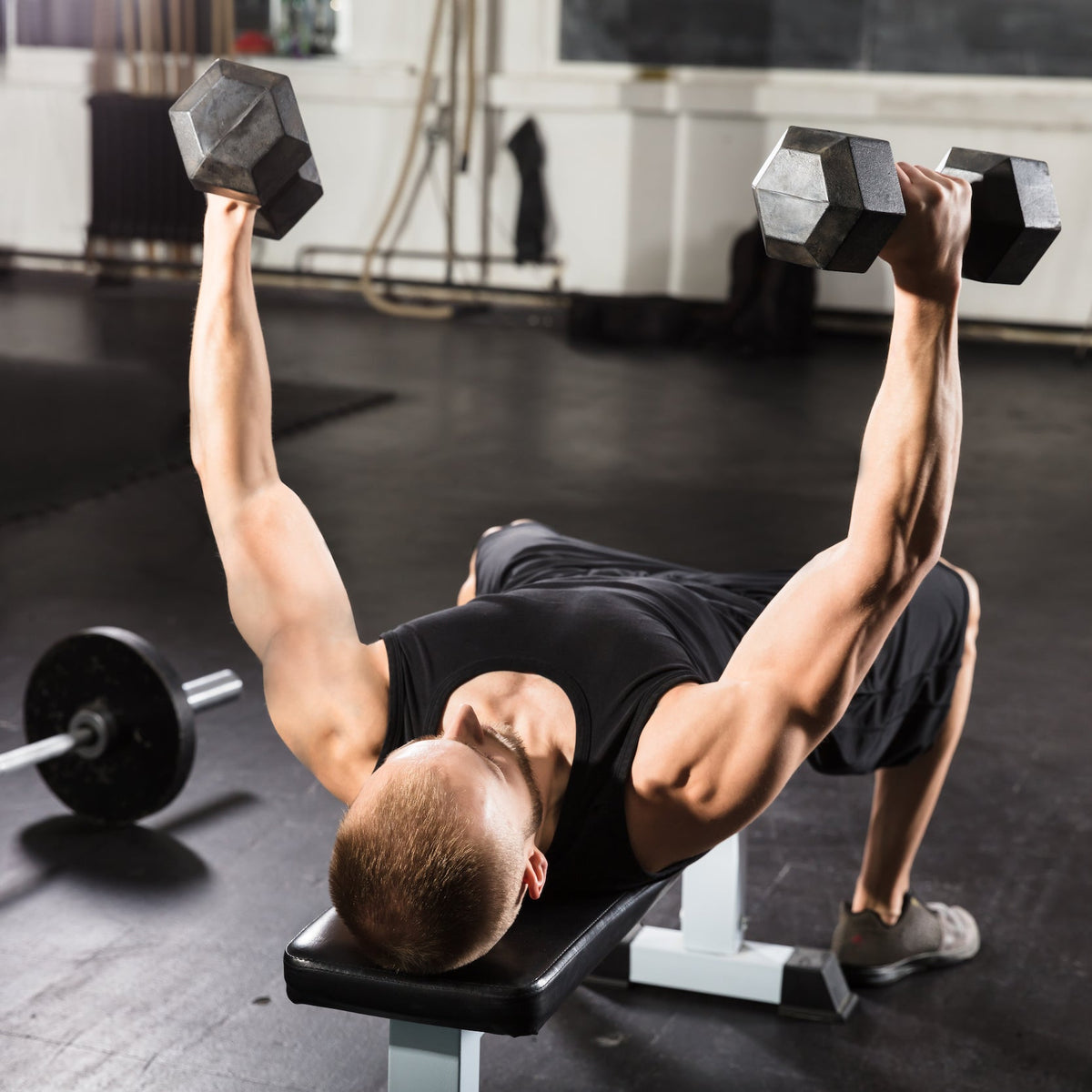
Are you looking to build a stronger, more defined chest but aren’t sure if dumbbell flyes are the right move? You’ve probably seen them in the gym or online, but do they really deliver the results you want?
Understanding whether dumbbell flyes are good for your fitness goals can save you time and effort. Keep reading to discover how this exercise works, who it benefits most, and if it should be part of your workout routine. By the end, you’ll know exactly how dumbbell flyes fit into your path to a better chest and stronger upper body.

Credit: www.performancelab.com
Benefits Of Dumbbell Flyes
Dumbbell flyes are a popular exercise in weight training. They help strengthen and shape the chest muscles effectively.
This exercise is beneficial for anyone looking to improve their upper body strength and appearance.
Chest Muscle Activation
Dumbbell flyes primarily target the pectoral muscles in the chest. They provide an excellent workout to engage these muscles.
This activation helps in building a stronger and more defined chest. It is ideal for enhancing overall upper body strength.
Improved Muscle Flexibility
The wide range of motion in dumbbell flyes aids in stretching the chest muscles. This exercise helps improve muscle flexibility over time.
Greater flexibility reduces the risk of injury and supports better posture.
Enhanced Range Of Motion
Performing dumbbell flyes increases the range of motion in the shoulder joints. This improvement enhances overall shoulder mobility.
Enhanced range of motion supports better performance in various physical activities.
Balanced Muscle Development
Dumbbell flyes promote balanced muscle development in the chest. This exercise targets both the inner and outer parts of the pectoral muscles.
Balanced muscle growth contributes to a more symmetrical and aesthetic physique.
Proper Dumbbell Flyes Technique
Dumbbell flyes are a popular exercise for chest muscles. Doing them right helps you avoid injury.
Focusing on proper form improves your workout results. It also keeps your shoulders safe.
Correct Body Positioning
Lie flat on a bench with your feet on the floor. Keep your back pressed against the bench.
Hold dumbbells above your chest with a slight bend in your elbows. Keep your wrists straight.
- Feet flat on the floor
- Back firmly on the bench
- Arms slightly bent at elbows
- Wrists aligned with forearms
Optimal Arm Movement
Lower dumbbells slowly in a wide arc. Stop when your elbows are level with your chest.
Bring the dumbbells back up by squeezing your chest muscles. Keep the movement smooth and controlled.
- Move arms in a wide, controlled arc
- Keep elbows slightly bent
- Stop at chest level
- Squeeze chest on the way up
Breathing Tips
Inhale as you lower the dumbbells. This helps keep your body steady.
Exhale as you lift the dumbbells back up. This supports your chest muscles.
- Inhale when lowering the weights
- Exhale when lifting the weights
- Keep breathing steady and natural
Common Mistakes To Avoid
Do not use heavy weights that cause strain. This can lead to injury.
Avoid locking your elbows or bending them too much. This reduces exercise effectiveness.
- Using too heavy dumbbells
- Locking elbows during movement
- Bending elbows too much
- Lifting weights too fast
- Arching back off the bench
Variations To Maximize Results
Dumbbell flyes are a great exercise for chest muscles. Changing the way you do them can work different parts of your chest.
Try these variations to target your muscles better and improve your strength and shape.
Incline Dumbbell Flyes
Incline dumbbell flyes focus on the upper chest. Set the bench at a 30 to 45-degree angle to do this.
This position helps build the top part of your chest and can give your chest a fuller look.
Decline Dumbbell Flyes
Decline dumbbell flyes target the lower chest. Use a bench set at a decline angle for this move.
This variation helps develop the lower chest and improves muscle balance.
Cable Flyes Alternative
Cable flyes use cables instead of dumbbells. They keep constant tension on your chest muscles.
You can adjust the height of the cables to work different chest areas. This also helps with better muscle control.
- High cables focus on lower chest
- Mid-level cables target the middle chest
- Low cables emphasize upper chest
Single-arm Flyes
Single-arm flyes work one arm at a time. This helps fix muscle imbalances between sides.
It also improves core stability because you must keep your body steady during the movement.

Credit: gym-mikolo.com
Integrating Flyes Into Your Workout
Dumbbell flyes are a great exercise to target your chest muscles. They help stretch and strengthen the chest in a different way than presses. Adding flyes to your routine can improve muscle shape and strength.
You can include flyes in many workout plans. They work well with other chest exercises and help balance your training.
Combining With Press Exercises
Flyes and press exercises work different parts of the chest. Presses focus on pushing strength. Flyes focus on stretching and contracting muscles.
Use flyes after press exercises to fully work the chest. This combination helps build size and improve muscle control.
- Start with bench press or dumbbell press
- Follow with dumbbell flyes for a deep stretch
- Keep weight moderate to avoid strain
- Focus on slow, controlled movements
Ideal Workout Frequency
Flyes are best done 1 to 2 times a week. This gives your muscles time to recover. Avoid doing flyes every day to prevent injury.
Balance flyes with other chest exercises. Rest days help muscles grow stronger.
- Include flyes in your chest day routine
- Allow 48 hours between chest workouts
- Adjust frequency based on your recovery
Warm-up And Cool-down Tips
Warming up prepares your muscles for flyes. Cool-down helps reduce soreness after exercise.
Start with light cardio and shoulder stretches. End with gentle chest stretches to relax muscles.
- Warm-up: 5-10 minutes of light cardio
- Do arm circles and shoulder rolls
- Cool-down: stretch chest and arms slowly
- Use deep breathing to relax
Safety And Injury Prevention
Dumbbell flyes are a popular chest exercise. They can build strength and muscle if done right. Safety is important to avoid injuries during this move.
Paying attention to form and weight helps protect your shoulders and joints. Let’s look at some key tips for safe dumbbell flyes.
Avoiding Shoulder Strain
Shoulders are vulnerable during dumbbell flyes. Keep your arms slightly bent to reduce stress. Don’t lower the weights too far down.
Stop if you feel sharp pain or discomfort. Warm up your shoulders before starting the exercise.
- Keep elbows slightly bent
- Do not lower dumbbells below chest level
- Use controlled, slow movements
- Warm up shoulder muscles first
Proper Weight Selection
Choose a weight that lets you keep good form. Too heavy dumbbells increase injury risk. Start with light weights and increase gradually.
Focus on steady control during each repetition. Stop if you lose form or feel pain.
- Start with light dumbbells
- Increase weight slowly over time
- Maintain control throughout the movement
- Stop if form breaks down
Using Spotters When Needed
A spotter can help you stay safe, especially with heavy weights. They assist in lifting or catching dumbbells if you struggle.
Ask for a spotter if you feel unsure. Spotters also give confidence to try heavier weights safely.
- Use a spotter for heavy dumbbells
- Spotter helps if you lose control
- Spotters boost safety and confidence
- Communicate clearly with your spotter

Credit: uk.style.yahoo.com
Frequently Asked Questions
Are Dumbbell Flyes Effective For Chest Growth?
Yes, dumbbell flyes effectively target the chest muscles. They isolate the pectorals, promoting muscle growth and definition when done correctly.
How Do Dumbbell Flyes Improve Muscle Flexibility?
Dumbbell flyes stretch and contract the chest muscles, enhancing flexibility. This improves range of motion and reduces injury risk during workouts.
Can Dumbbell Flyes Help With Shoulder Stability?
Yes, dumbbell flyes engage stabilizing shoulder muscles. This strengthens the rotator cuff and improves overall shoulder stability and joint health.
Are Dumbbell Flyes Safe For Beginners?
Dumbbell flyes are safe if performed with proper form and light weights. Beginners should start slow to avoid strain or injury.
Conclusion
Dumbbell flyes help build chest muscles and improve strength. They focus on the chest in a simple way. Doing them with good form can reduce injury risk. You can add flyes to many workout plans. They suit beginners and experienced lifters alike.
Remember to start light and increase weight slowly. Consistency matters more than heavy lifting. Give dumbbell flyes a try to see how they work for you. Strong chest muscles support many daily activities. Keep your workouts balanced and listen to your body.


