

Are you ready to take your home workouts to the next level? Using dumbbells at home is one of the simplest and most effective ways to build strength, tone muscles, and boost your energy.
Whether you’re a beginner or looking to spice up your routine, this guide will show you how to exercise with dumbbells safely and efficiently. By the end, you’ll have easy-to-follow tips and moves that fit your schedule and help you see real results.
Let’s dive in and make your fitness goals a reality—right from your living room.
Credit: www.youtube.com
Choosing The Right Dumbbells
Exercising with dumbbells at home is convenient and effective. Picking the right dumbbells is important for safe and efficient workouts.
Consider your fitness goals and strength level when choosing dumbbells. The right choice will enhance your exercise routine.
Types Of Dumbbells
Dumbbells come in different types for various exercises. Knowing the types helps you decide which to use at home.
- Hex dumbbells: They do not roll and are great for home use.
- Round dumbbells: Often used in gyms, suitable for dynamic exercises.
- Adjustable dumbbells: Offer flexibility with different weights.
Selecting The Right Weight
Choosing the correct weight is crucial for effective workouts. Start with lighter weights and gradually increase as you gain strength.
Use weights that challenge you but do not cause strain. Proper weight selection helps avoid injuries.
Adjustable Vs Fixed Dumbbells
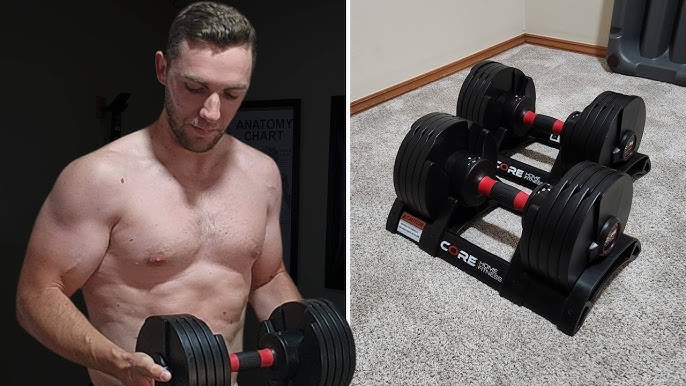
Adjustable dumbbells allow you to change weights easily. They save space and are cost-effective for varied workouts.
Fixed dumbbells are durable and ready to use immediately. They are ideal for quick transitions between exercises.
| Type | Benefits | Considerations |
| Adjustable | Space-saving, versatile | May take time to adjust |
| Fixed | Durable, easy access | Requires more storage space |
Setting Up Your Workout Space
Exercising with dumbbells at home is easy when you have a good space. Setting up your workout area helps you stay safe and focused.
Prepare your spot so you can move freely and keep your equipment ready. This makes your workouts more effective and enjoyable.
Finding A Safe Area
Choose a place with enough room to move without hitting anything. Make sure the floor is flat and not slippery.
Check for low furniture or objects you might bump into during exercises. Keep the area clear from clutter and cords.
Essential Equipment
You need basic gear to exercise well with dumbbells. Start with dumbbells that suit your strength and space.
- Dumbbells in different weights
- Exercise mat for floor moves
- Water bottle to stay hydrated
- Towel to wipe sweat
Optional items like a mirror help check your form. Use storage racks to keep dumbbells organized.
Organizing Your Space
Put your dumbbells and equipment where you can reach them easily. Keep the workout area tidy to avoid accidents.
- Store dumbbells on a rack or shelf
- Place your mat in the center of your space
- Keep water and towel nearby
- Clear away any trip hazards
Organizing your space helps keep you motivated. A neat area makes workouts smoother and safer.
Basic Dumbbell Exercises
Dumbbells are great tools for home workouts. They help you build strength and tone muscles.
You can work different body parts with simple dumbbell moves. Let’s explore some basic exercises.
Upper Body Moves
Upper body exercises target your arms, shoulders, and chest. They improve strength and shape.
Try these simple dumbbell exercises for your upper body.
- Bicep Curls:Hold dumbbells and curl them up to your shoulders.
- Shoulder Press:Press dumbbells overhead to work your shoulders.
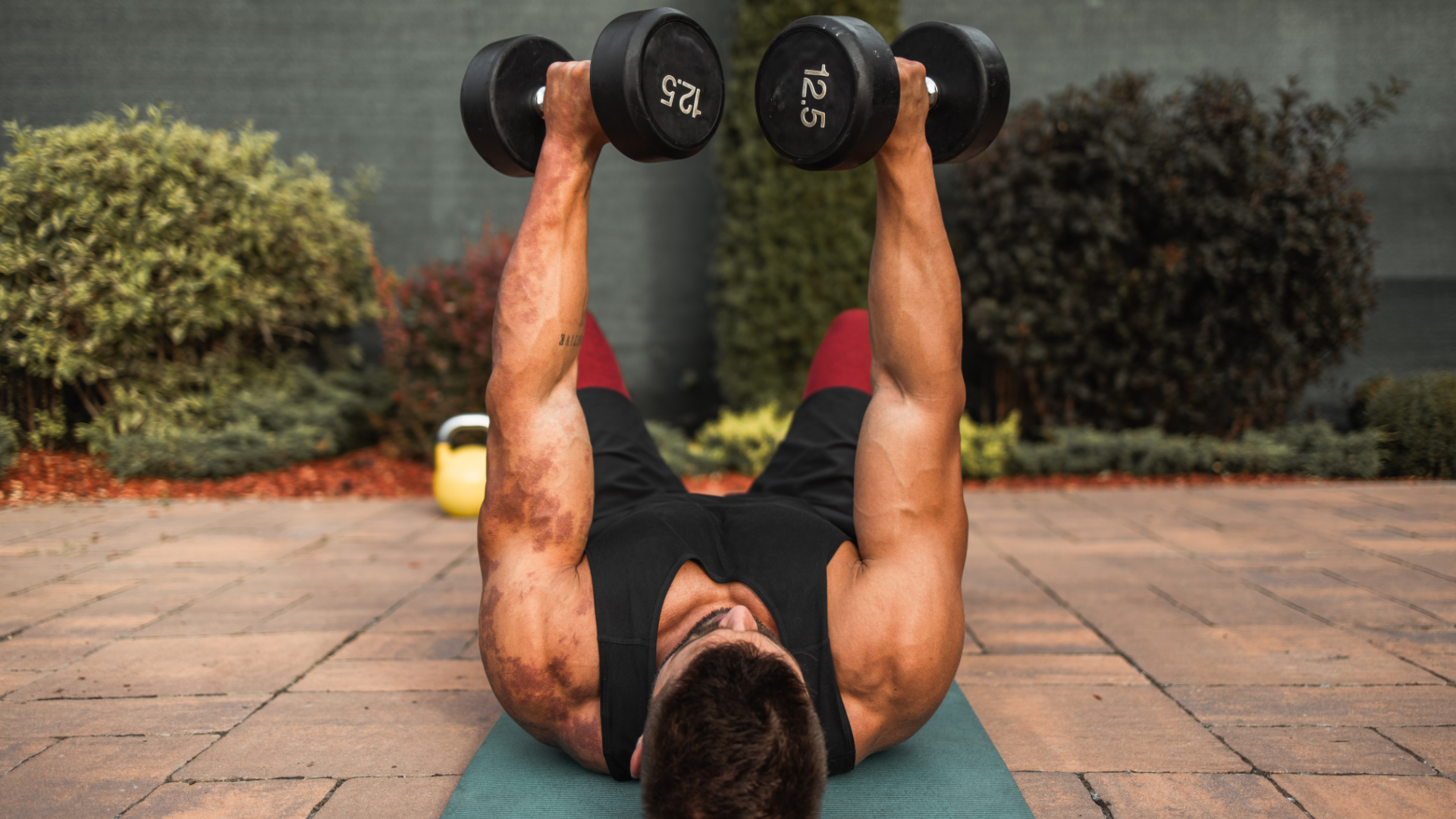
- Chest Fly:Lie down and open arms wide with dumbbells, then bring them together.
- Tricep Kickbacks:Bend forward and extend your arms back with dumbbells.
Lower Body Moves
Lower body exercises strengthen your legs and glutes. Dumbbells add resistance for better results.
Here are easy dumbbell exercises for your lower body.
- Squats:Hold dumbbells by your sides and squat down like sitting in a chair.
- Lunges:Step forward with one leg, lower your body, and hold dumbbells.
- Deadlifts:Keep dumbbells in front, bend hips, and stand back up.
- Calf Raises:Hold dumbbells and lift your heels off the ground.
Core Strength Exercises
Core exercises focus on your abs and lower back. Dumbbells help increase the challenge.
Try these dumbbell moves to build core strength.
- Russian Twists:Sit, hold one dumbbell, and twist your torso side to side.
- Dumbbell Side Bends:Stand, hold a dumbbell, and bend sideways slowly.
- Weighted Sit-ups:Hold a dumbbell on your chest while doing sit-ups.
- Plank Rows:In plank position, pull dumbbells up one at a time.
Credit: www.t3.com
Creating A Beginner Workout Plan
Starting to exercise with dumbbells at home is easy and effective. A clear plan helps you build strength safely.
This guide covers how often to work out, balancing muscle groups, and the importance of rest.
Frequency And Duration
Begin with two to three workout days each week. This helps your body get used to the exercises.
Each session should last 20 to 30 minutes. Focus on quality over quantity to avoid injury.
- Start with lighter weights
- Perform 2 sets of 8-12 repetitions
- Take short breaks between sets
- Increase time and frequency gradually
Balancing Muscle Groups
Work on both upper and lower body muscles equally. This prevents muscle imbalances and improves posture.
Include exercises for arms, chest, back, legs, and core in your routine.
- Bicep curls and tricep extensions for arms
- Push-ups or chest presses for chest
- Dumbbell rows for back
- Squats or lunges for legs
- Planks or Russian twists for core
Rest And Recovery
Rest days allow muscles to heal and grow stronger. Do not work the same muscle groups two days in a row.
Sleep well and eat healthy foods to support recovery. Listen to your body and adjust rest if needed.
- Take at least one rest day between workouts
- Use light stretching on rest days
- Drink plenty of water
- Get 7-9 hours of sleep each night
Proper Form And Safety Tips
Exercising with dumbbells at home is a great way to build strength. Using proper form helps prevent injuries and improves results.
Safety is important when lifting weights. Always start with lighter weights and increase slowly as you get stronger.
Common Mistakes To Avoid
Many people make mistakes that cause pain or injury. Avoid these to keep your workouts safe and effective.
- Using too heavy weights that cause poor form
- Not controlling the dumbbells, letting them drop fast
- Arching your back during lifts instead of keeping it straight
- Holding your breath while lifting
- Rushing through exercises without proper control
Breathing Techniques
Breathing correctly during exercise helps your muscles work better. It also keeps your blood pressure steady.
Inhale before you lift the dumbbells. Exhale as you push or pull the weight. This helps keep your core tight.
- Breathe in on the easier part of the movement
- Breathe out on the harder part of the lift
- Never hold your breath during exercises
Warm-up And Cool-down
Warming up prepares your body for exercise. It increases blood flow and loosens muscles to reduce injury risk.
Cooling down helps your body return to normal. It reduces muscle soreness and helps prevent stiffness after workouts.
- Warm up with light cardio or dynamic stretches for 5-10 minutes
- Use lighter dumbbells or bodyweight moves to prepare muscles
- Cool down with slow, gentle stretches focusing on worked muscles
- Take deep breaths and relax during cool-down

Credit: www.youtube.com
Tracking Progress And Staying Motivated
Exercising with dumbbells at home is a great way to stay healthy. Tracking your progress helps you see results and stay motivated.
Keeping track makes it easier to improve and reach your fitness goals. Motivation is key to keep exercising regularly.
Setting Realistic Goals
Set small and clear goals that you can achieve. This keeps you encouraged and helps avoid frustration.
For example, start with lifting light weights and increase gradually. Focus on improving your strength step by step.
Using Workout Logs
Write down your workouts to track your progress. Note the weights, reps, and sets you complete each day.
Logs help you see how much you improve. They also remind you to keep challenging yourself over time.
- Record the date and type of exercise
- Write down the weight used for each set
- Note how many reps and sets you finish
- Track any changes in your routine
Tips To Stay Consistent
Make a schedule and stick to it. Consistency helps build good habits and improves your results.
Find ways to keep your workouts interesting. Changing exercises or music can keep you motivated.
- Set a specific time for workouts daily
- Keep your dumbbells where you can see them
- Join online groups for support
- Reward yourself for meeting goals
Frequently Asked Questions
How Can Beginners Start Exercising With Dumbbells At Home?
Beginners should begin with light weights and focus on proper form. Start with basic exercises like bicep curls and shoulder presses. Gradually increase weight and reps as strength improves. Always warm up before workouts and cool down afterward to prevent injury.
What Are The Best Dumbbell Exercises For Full-body Workouts?
Full-body dumbbell exercises include squats with shoulder press, bent-over rows, lunges, and chest presses. These moves engage multiple muscle groups at once, improving strength and coordination. Incorporate variety to target different areas and avoid workout plateaus.
How Often Should I Exercise With Dumbbells For Results?
Aim to work out with dumbbells 3 to 4 times per week. Allow at least one rest day between sessions to help muscles recover. Consistency combined with progressive overload leads to better strength and muscle gains over time.
How Do I Choose The Right Dumbbell Weight For Home Workouts?
Select a weight that challenges your muscles but allows you to complete 8-12 reps with good form. Start lighter to learn movements safely, then increase weight gradually as you gain strength. Adjustable dumbbells are great for varying weights.
Conclusion
Dumbbell exercises at home build strength and improve health. You can work different muscles with just one tool. Start with light weights and increase slowly. Keep good form to avoid injury and get results. Regular practice helps you stay fit and feel strong.
Small steps lead to big changes over time. Stay consistent, enjoy the process, and watch yourself grow. Simple, effective workouts are right in your hands.


