
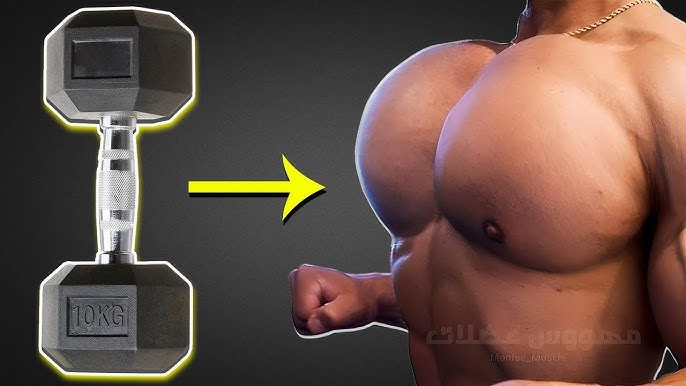
If you want a stronger, more defined chest, dumbbells can be your best friend. You don’t need a gym full of machines or heavy barbells to build impressive chest muscles.
With just a pair of dumbbells and the right moves, you can shape and tone your chest at home or anywhere you like. Imagine feeling confident in your shirt or simply having the strength to push through your daily tasks with ease.
This guide will show you exactly how to build chest muscle with dumbbells, step by step. Keep reading, and you’ll discover simple, effective exercises that deliver real results.
Benefits Of Dumbbell Chest Workouts
Dumbbell chest workouts are great for building strong muscles. They offer a range of motion that helps develop your chest.
Using dumbbells can make your workouts more effective. Let’s explore the benefits in more detail.
Improved Muscle Balance
Dumbbells require each side of your body to work independently. This helps improve muscle balance and symmetry.
- Each arm lifts its own weight
- Reduces muscle imbalances
- Enhances overall strength
Enhanced Range Of Motion
Dumbbells allow a greater range of motion than barbells. This helps target more muscle fibers.
A wider range of motion leads to better muscle growth. It also improves flexibility.
Versatility In Exercises
You can perform many exercises with dumbbells. This keeps your workouts interesting and challenging.
- Dumbbell bench press
- Dumbbell fly
- Dumbbell pullover
Safety And Control
Dumbbells are safer for beginners. They offer more control and reduce the risk of injuries.
You can adjust the weight easily. This makes it simple to find the right level for your strength.
Convenience And Accessibility
Dumbbells are easy to store at home. They are a convenient option for chest workouts.
You can find them at any gym. This makes it easy to keep up with your fitness routine.
Credit: www.youtube.com
Essential Dumbbell Exercises For Chest
Building chest muscles with dumbbells is a great way to get stronger at home or in the gym. Dumbbells allow more movement than machines, which helps your muscles grow evenly.
Here are some key dumbbell exercises that target the chest muscles effectively. These moves help shape and strengthen the chest area.
Flat Dumbbell Press
The flat dumbbell press works the middle part of your chest. Lie on a flat bench and hold dumbbells in both hands above your chest. Push the weights up, then slowly lower them down.
This exercise helps build size and strength. Keep your feet flat on the floor and your back pressed against the bench.
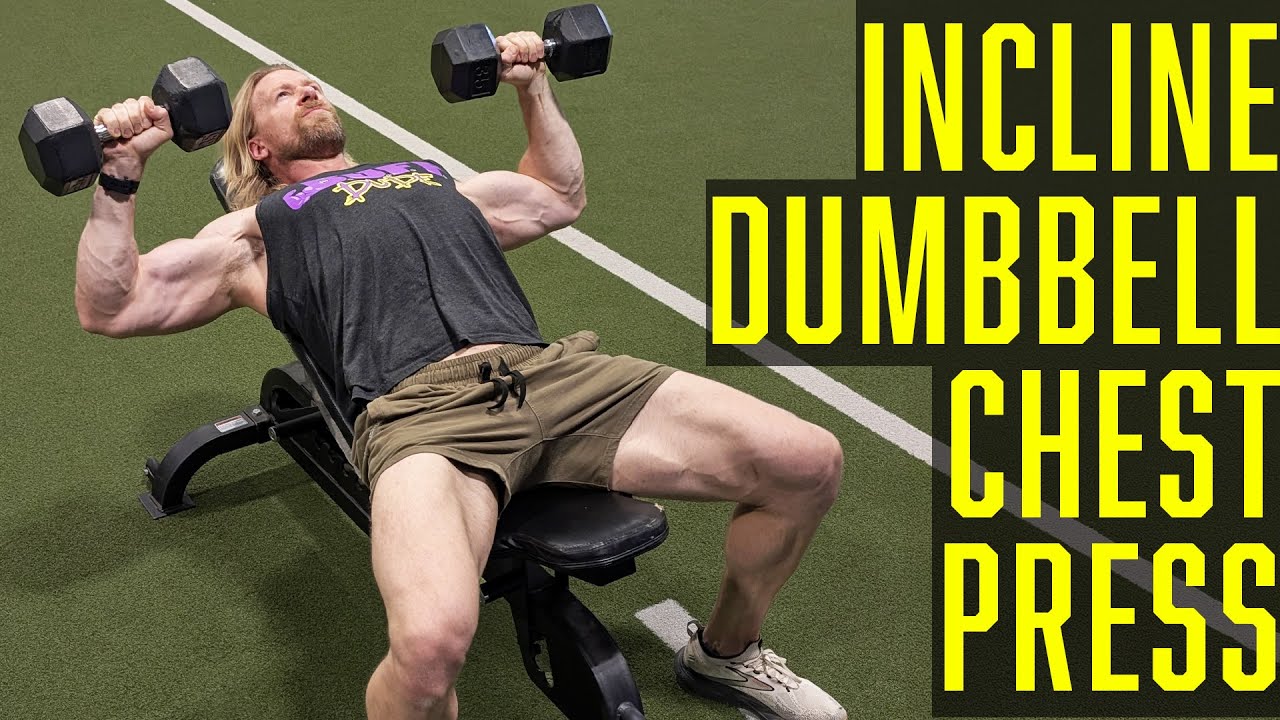
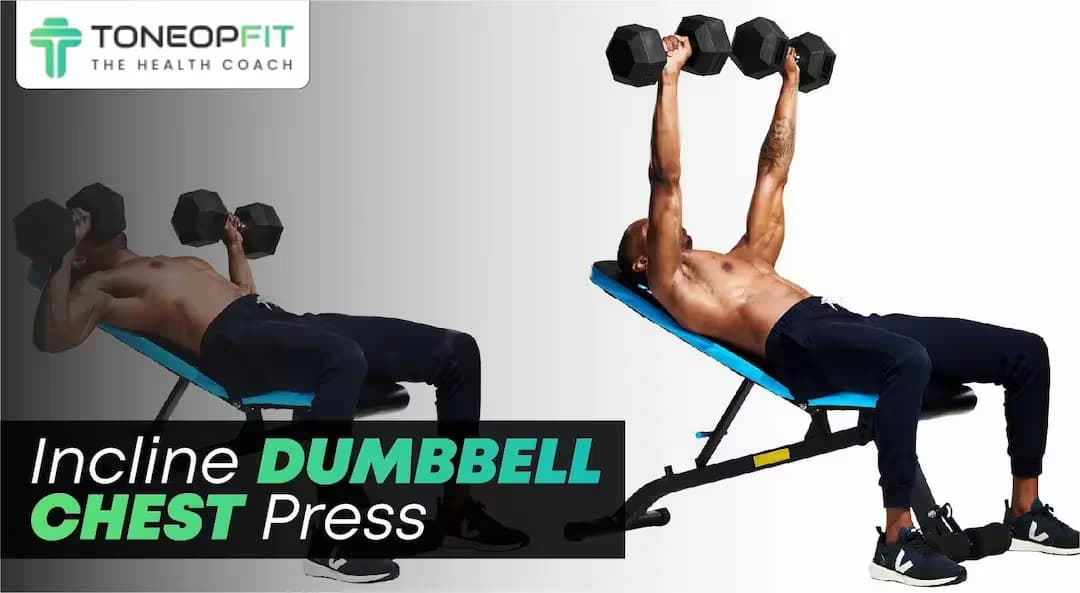
Incline Dumbbell Press
The incline dumbbell press targets the upper chest. Set the bench at a 30 to 45-degree angle. Press the dumbbells upward and then lower them carefully.
This move helps create a fuller chest look by focusing on the upper muscles. Keep control of the weights to avoid injury.
Dumbbell Flyes
Dumbbell flyes stretch and work the chest muscles deeply. Lie on a flat bench, hold dumbbells above your chest with arms slightly bent. Slowly open your arms wide, then bring them back up.
This exercise improves chest shape and flexibility. Use lighter weights to keep good form and avoid strain.
- Keep a slight bend in your elbows
- Move slowly to feel the stretch
- Do not lower dumbbells too far
Pullover Variations
Pullover exercises work the chest and the muscles around your ribs. Lie on a bench, hold one dumbbell with both hands above your chest. Lower the dumbbell behind your head slowly, then bring it back.
You can do pullovers on a flat or incline bench. This helps improve chest size and breathing capacity.
- Keep your arms slightly bent
- Move in a controlled way
- Do not lower dumbbell too far back
Proper Form And Technique
Building chest muscle with dumbbells requires correct form and technique. Using proper form helps avoid injuries and improves results.
This guide covers key points to focus on for safe and effective chest workouts with dumbbells.
Grip And Hand Position
Hold the dumbbells firmly but not too tight. Your hands should be positioned to target the chest muscles well.
Keep your wrists straight and avoid bending them backward or forward during the movement.
- Use a neutral grip or slightly turned wrists
- Hands should be shoulder-width apart
- Keep thumbs wrapped around the dumbbells
Range Of Motion
Move the dumbbells through a full range of motion to engage the chest muscles properly. Avoid short or jerky movements.
Lower the dumbbells until you feel a stretch in your chest. Then press up until your arms are almost straight but not locked.
- Lower dumbbells slowly to chest level
- Press up fully without locking elbows
- Keep control throughout the entire movement
Breathing Tips
Proper breathing helps maintain strength and focus during chest exercises. Breathe in as you lower the dumbbells.
Exhale while pressing the dumbbells up. Keep your breathing steady and avoid holding your breath.
- Inhale during the lowering phase
- Exhale during the pressing phase
- Keep breathing smooth and controlled
Structuring Your Workout Routine
Building chest muscles with dumbbells needs a clear workout plan. A good routine helps you work out safely and get results.
Focus on how many sets and reps you do, how long you rest, and how you increase the challenge. These parts shape your progress.
Set And Rep Schemes
Sets and reps tell you how many times to lift and how many times to repeat. For muscle growth, aim for moderate reps and sets.
Use 3 to 4 sets with 8 to 12 reps each. This range helps muscles get stronger and bigger with dumbbells.
- 3-4 sets per exercise
- 8-12 repetitions per set
- Choose weights you can lift with good form
Rest Periods
Rest time between sets lets your muscles recover. Keep rest periods short to keep muscles working hard.
Rest for 60 to 90 seconds. This time helps you stay strong for each set and supports muscle growth.
- Rest 60-90 seconds between sets
- Longer rest may reduce workout intensity
- Short rest helps build muscle endurance
Progressive Overload
Progressive overload means slowly making your workout harder. This is key to growing chest muscles with dumbbells.
You can increase weight, add more reps, or do more sets over time. This pushes your muscles to adapt and get stronger.
- Increase dumbbell weight gradually
- Add 1-2 reps per set over weeks
- Include extra sets if possible
Common Mistakes To Avoid
Building chest muscles with dumbbells is a great way to get stronger. Many people make mistakes that slow progress or cause injury.
Learn the common mistakes to avoid so you can train safely and effectively with dumbbells.
Using Too Much Weight Too Soon
Picking dumbbells that are too heavy can cause poor form and injury. Start with lighter weights to learn the correct movement.
Increase the weight slowly as your strength improves. This helps prevent muscle strain and keeps your workouts safe.
Poor Form During Exercises
Using wrong form reduces the exercise benefits and can cause pain. Focus on controlled, smooth movements with full range of motion.
Keep your back flat and avoid arching or swinging the weights. Good form targets the chest muscles better.
Neglecting Warm-up And Stretching
Skipping warm-up increases the chance of injury. Spend 5 to 10 minutes warming up to prepare your muscles for exercise.
Stretch your chest and shoulders after your workout. This improves flexibility and reduces soreness.
Not Using A Full Range Of Motion
Short movements limit muscle growth. Lower the dumbbells fully and press up completely for each rep.
Using a full range of motion activates more muscle fibers. This leads to better chest development.
Ignoring Balanced Training
Focusing only on chest muscles can cause muscle imbalances. Train your back and shoulders too for balanced strength.
Balanced training improves posture and reduces injury risk during chest exercises.
Credit: toneopfit.com
Nutrition For Muscle Growth
Building chest muscle with dumbbells needs more than just exercise. Your diet plays a big role in muscle growth. Eating the right foods helps your muscles recover and get stronger.
Good nutrition gives your body the fuel it needs. It supports muscle repair and helps you see better results from workouts.
Protein Intake
Protein is the key nutrient for building muscle. It helps repair muscle fibers after lifting dumbbells. Aim to eat protein with every meal.
Good protein sources include chicken, fish, eggs, beans, and dairy. Try to get about 1.6 to 2.2 grams of protein per kilogram of body weight daily.
- Chicken breast
- Salmon
- Greek yogurt
- Eggs
- Lentils
Caloric Surplus
To build muscle, your body needs extra calories. Eating more calories than you burn is called a caloric surplus. This helps your muscles grow bigger.
Focus on healthy foods to add calories. Avoid too much junk food. Track your calories to make sure you eat enough but not too much.
- Whole grains like brown rice
- Healthy fats like nuts and olive oil
- Fruits and vegetables for vitamins
- Lean meats for protein and calories
Hydration
Water is important for muscle growth. It helps carry nutrients to your muscles. Staying hydrated improves your workout performance.
Drink water before, during, and after exercise. Aim for at least 8 cups of water daily. More if you sweat a lot during workouts.
- Drink water regularly throughout the day
- Include hydrating foods like watermelon
- Avoid too many sugary drinks
- Use a water bottle to remind yourself
Recovery And Rest Strategies
Building chest muscle with dumbbells needs more than just workouts. Rest and recovery help muscles grow strong. Proper recovery avoids injury and fatigue.
Using good rest strategies improves your strength and progress. Focus on sleep, active recovery, and stretching for best results.
Sleep Importance
Sleep helps your muscles repair and grow after exercise. Lack of sleep can slow down muscle recovery and reduce strength gains.
Try to get 7 to 9 hours of quality sleep every night. Good sleep supports hormone balance and energy for workouts.
Active Recovery
Active recovery means light activities on rest days. It helps increase blood flow to muscles and reduces soreness.
Examples include walking, gentle cycling, or easy swimming. These activities keep your body moving without strain.
- Light cardio for 20-30 minutes
- Low-intensity body movements
- Breathing exercises to relax muscles
Stretching And Mobility
Stretching improves muscle flexibility and joint mobility. It lowers the risk of injury during dumbbell workouts.
Include chest stretches and shoulder mobility exercises after training or on rest days. Hold each stretch for 20 to 30 seconds.
- Chest doorway stretch
- Shoulder circles
- Arm cross-body stretch
Advanced Tips For Maximizing Gains
Building chest muscle with dumbbells takes more than just lifting weights. Using smart training methods helps you grow faster and stronger.
Here are some advanced tips to push your chest workouts and get the best results.
Supersets And Drop Sets
Supersets mean doing two exercises back-to-back without rest. This keeps your muscles working harder and saves time.
Drop sets involve lowering the weight after muscle fatigue and continuing the set. This helps you push beyond normal limits.
- For supersets, pair dumbbell chest presses with dumbbell flyes.
- Do 8-12 reps of each exercise without resting between.
- For drop sets, start with a heavier dumbbell for 8 reps.
- Then switch to a lighter dumbbell and do more reps immediately.
- This increases muscle stress and encourages growth.
Tempo Training
Tempo training means controlling the speed of each movement. Slowing down your reps increases muscle tension.
Use a slow lowering phase and a controlled lifting phase to work your chest muscles better.
- Try a 3-1-1 tempo: 3 seconds down, 1-second pause, 1 second up.
- Focus on smooth, steady movements to avoid injury.
- Slower reps improve muscle fiber activation and growth.
Mind-muscle Connection
The mind-muscle connection means focusing fully on the muscle you are training. This helps activate more muscle fibers.
Think about your chest working during every rep. This focus improves muscle growth over time.
- Visualize the chest muscles contracting with each dumbbell press.
- Use light weights at first to feel the muscle working.
- Pause briefly at the top of each rep to squeeze the chest.
- A strong mind-muscle link leads to better gains.

Credit: www.youtube.com
Frequently Asked Questions
What Are The Best Dumbbell Exercises For Chest Muscles?
The best dumbbell exercises include chest presses, flyes, and pullover movements. These target all chest regions effectively. Varying angles helps stimulate muscle growth. Consistent practice with proper form maximizes results and reduces injury risk.
How Often Should I Train Chest With Dumbbells?
Training your chest 2-3 times weekly is optimal for muscle growth. Allow 48 hours between sessions for recovery. Overtraining can hinder progress, so balance workouts with rest. Adjust frequency based on your fitness level and goals.
Can Dumbbells Build Bigger Chest Muscles Fast?
Dumbbells can build chest muscles quickly with consistent, progressive overload. Focus on increasing weight or reps over time. Combine exercises targeting different chest parts. Adequate nutrition and rest are essential for faster muscle growth.
Should I Warm Up Before Dumbbell Chest Workouts?
Yes, warming up is crucial before chest workouts. It increases blood flow and reduces injury risk. Light cardio and dynamic stretches prepare muscles for lifting. Spend 5-10 minutes warming up before starting your dumbbell routine.
Conclusion
Building chest muscle with dumbbells takes time and effort. Use the right exercises and stay consistent. Focus on good form to avoid injury. Increase weight gradually to keep challenging your muscles. Rest well so your muscles can grow strong. Keep your routine simple and steady.
Small steps lead to big results. Stay patient and enjoy your progress. Your chest muscles will grow with hard work. Keep pushing forward and stay committed.


