

Are you ready to take your workouts to the next level? Using dumbbells can transform your exercise routine, helping you build strength, tone muscles, and burn calories—all from the comfort of your home or gym.
But if you’re unsure where to start or how to use them properly, you might feel stuck or hesitant. Don’t worry. This guide will show you simple, effective ways to exercise with dumbbells that fit your pace and goals. By the end, you’ll feel confident picking up those weights and making every move count.
Let’s dive in and unlock the power of dumbbell workouts for your body!
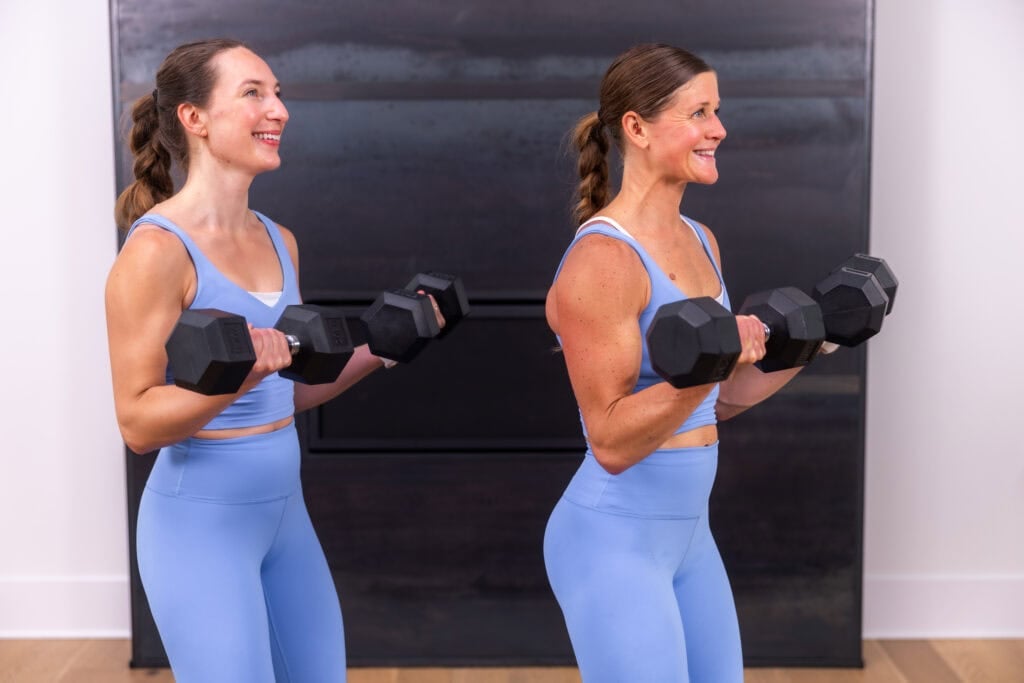
Credit: www.nourishmovelove.com
Choosing The Right Dumbbells
Exercising with dumbbells is a great way to build strength. Selecting the right dumbbells is crucial for effective workouts.
Consider your fitness level and goals before buying dumbbells. This guide will help you choose the best type for you.
Types Of Dumbbells
Dumbbells come in different types to suit various needs. Knowing the types helps in making the right choice.
- Fixed dumbbells are solid and do not change weight.
- Adjustable dumbbells allow you to add or remove weight plates.
- Hex dumbbells have a hexagonal shape to prevent rolling.
Selecting The Proper Weight
Choosing the right weight is important to avoid injury. It should challenge you but not be too heavy.
If you are a beginner, start with lighter weights. As you get stronger, gradually increase the weight.
- Test different weights to find what feels comfortable.
- Consider your workout routine when selecting weights.
- Keep several weights for different exercises.
Adjustable Vs Fixed Dumbbells
Adjustable and fixed dumbbells have their own benefits. Your choice depends on your space and budget.
Adjustable dumbbells save space and are cost-effective. Fixed dumbbells are more durable and ready to use.
- Adjustable dumbbells are great for small spaces.
- Fixed dumbbells provide quick access during workouts.
- Evaluate your needs to decide which type fits you best.
Preparing For Dumbbell Workouts
Getting ready for dumbbell exercises helps you stay safe and get better results. Proper preparation makes your workout easier and more effective.
Before lifting weights, take time to prepare your body and space. This helps prevent injuries and improves your performance.
Warm-up Exercises
Warming up gets your muscles ready for exercise. It increases blood flow and reduces the risk of injury.
Try to warm up for 5 to 10 minutes before you start your dumbbell workout.
- Do light cardio like walking or jogging in place
- Perform arm circles to loosen your shoulders
- Try gentle stretching for your arms and back
- Use very light dumbbells to practice your movements
Setting Up Your Workout Space
Choose a clean, open area to work out. This helps you move freely and avoid accidents.
Make sure the floor is flat and not slippery. Keep your dumbbells and equipment nearby but out of the way.
- Clear space around you for safe movement
- Use a mat if the floor is hard
- Keep dumbbells on a rack or stable surface
- Have water nearby to stay hydrated
Safety Tips
Safety is very important when using dumbbells. Follow simple rules to protect your body.
Pay attention to your form and do not lift weights that are too heavy for you.
- Start with light weights and increase slowly
- Keep your back straight during exercises
- Use smooth, controlled movements
- Stop if you feel pain or discomfort
- Keep dumbbells secure when not in use
Basic Dumbbell Exercises
Dumbbells are a great tool for strength training. They help build muscle and improve fitness.
You can do many exercises with dumbbells at home or in the gym. Here are some basic moves.
Bicep Curls
Bicep curls work the muscles in the front of your upper arms. They help you lift and carry objects.
Hold a dumbbell in each hand with your arms at your sides. Slowly bend your elbows and lift the weights.
- Keep your elbows close to your body
- Do not swing your arms
- Lower the weights slowly
Shoulder Press
The shoulder press strengthens your shoulder muscles and upper arms. It helps improve overhead strength.
Hold dumbbells at shoulder height with your palms facing forward. Push the weights above your head until arms are straight.
- Keep your back straight
- Do not lock your elbows
- Lower the weights slowly to shoulders
Dumbbell Rows
Dumbbell rows target your back muscles. They improve posture and pull strength.
Bend at the hips with a dumbbell in each hand. Pull the weights toward your waist, squeezing your shoulder blades together.
- Keep your back flat
- Do not use momentum to lift
- Lower the weights slowly
Squats With Dumbbells
Squats with dumbbells strengthen your legs and glutes. They also help with balance and stability.
Hold a dumbbell in each hand at your sides. Bend your knees and lower your hips like sitting in a chair. Then stand back up.
- Keep your chest up
- Do not let your knees go past your toes
- Push through your heels to stand
Advanced Dumbbell Techniques
Dumbbells are great for strength and muscle growth. Using advanced techniques makes workouts more effective.
These techniques challenge your muscles in new ways. They help break workout plateaus and increase endurance.
Supersets And Circuits
Supersets mean doing two exercises back to back without rest. Circuits involve several exercises done one after another.
Both methods save time and keep your heart rate up. They also increase workout intensity and calorie burn.
- Supersets target opposing muscle groups, like biceps and triceps.
- Circuits mix strength and cardio exercises in a sequence.
- Rest briefly between sets or circuits to recover.
Pyramid Training
Pyramid training means changing weights and reps in a set pattern. You start light and increase weight or reps, then go back down.
This technique improves strength and muscle size. It also helps warm up muscles before lifting heavier weights.
- Start with light weight and high reps (12-15).
- Increase weight and lower reps (6-8) each set.
- Then decrease weight and increase reps again.
Tempo Variations
Tempo means the speed of each dumbbell movement. Changing tempo targets muscles differently and adds challenge.
Slowing down the lowering phase increases muscle tension. Faster lifting phases build power and strength.
- Use a 3-1-1 tempo: 3 seconds down, 1 second pause, 1 second up.
- Try explosive lifts with a fast up phase and slow down phase.
- Keep control to avoid injury during tempo changes.
Workout Plans For Fast Results
Using dumbbells can help you build strength and tone muscles quickly. The right workout plan makes a big difference.
This guide shows easy routines for beginners, intermediate, and advanced exercisers. Follow the plan that fits your level.
Beginner Routine
Start with light dumbbells to learn proper form. Focus on basic moves and slow progress.
Work out three times a week. Rest days help your muscles recover.
- 10 dumbbell squats
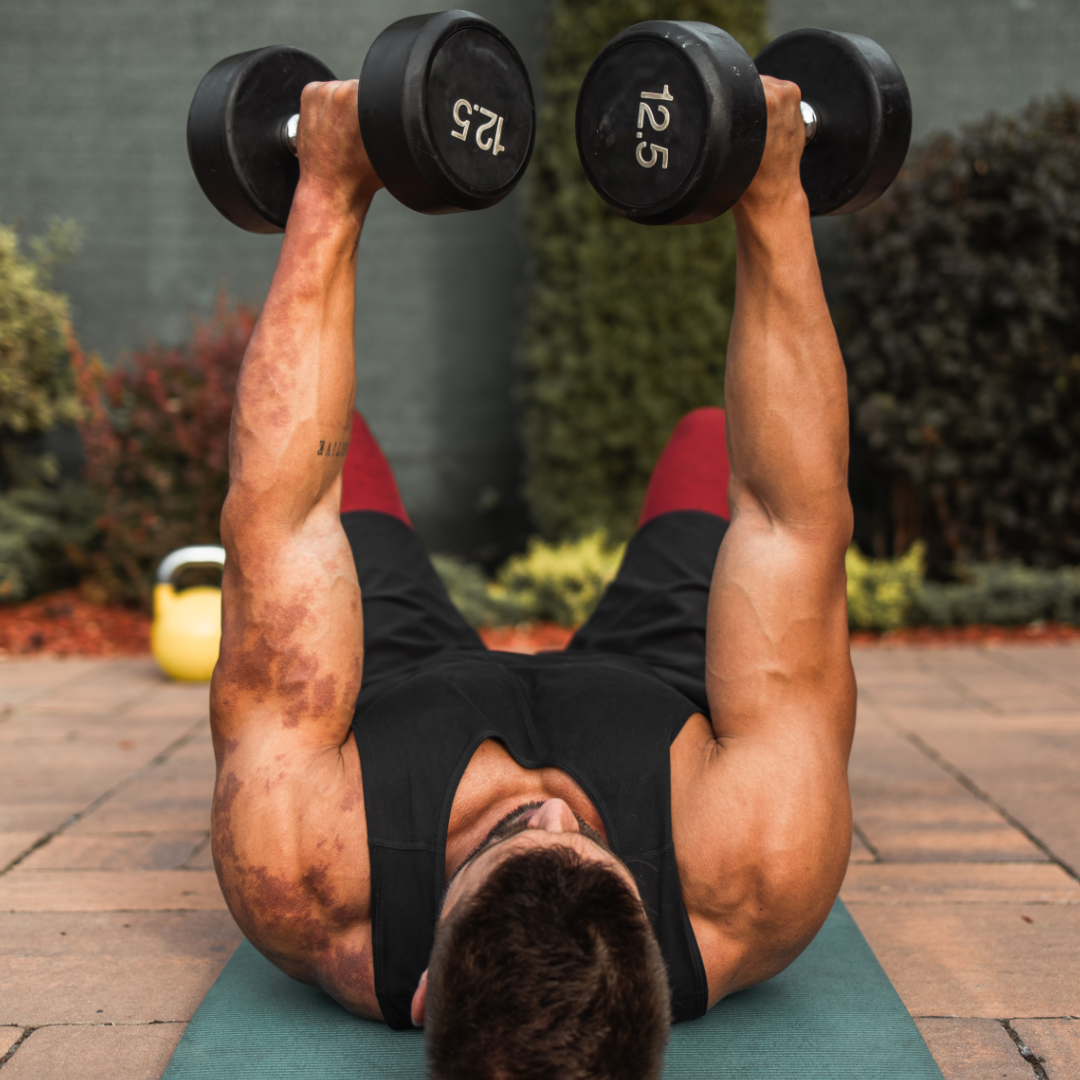
- 10 dumbbell chest presses (lying on the floor)
- 10 dumbbell rows (each arm)
- 10 dumbbell shoulder presses
- 15-second plank hold
Intermediate Routine
Use medium-weight dumbbells for more challenge. Add more sets and reps.
Train four times a week. Include a mix of strength and endurance exercises.
- 3 sets of 12 dumbbell lunges (each leg)
- 3 sets of 12 dumbbell chest presses
- 3 sets of 12 dumbbell bent-over rows
- 3 sets of 12 dumbbell bicep curls
- 3 sets of 12 dumbbell tricep extensions
- 30-second plank hold
Advanced Routine
Choose heavy dumbbells to push your limits. Increase intensity with shorter rest times.
Exercise five times a week. Combine strength training with cardio for fast results.
- 4 sets of 15 dumbbell deadlifts
- 4 sets of 15 dumbbell chest flyes
- 4 sets of 15 dumbbell clean and press
- 4 sets of 15 dumbbell hammer curls
- 4 sets of 15 dumbbell overhead tricep extensions
- 45-second plank hold

Credit: www.youtube.com
Tracking Progress And Staying Motivated
Exercising with dumbbells is a great way to build strength. Tracking your progress helps you see improvements over time. Staying motivated keeps you on track to reach your fitness goals.
Knowing how to measure gains and set goals makes your workouts effective. Consistency is key to long-term success with dumbbell exercises.
Measuring Strength Gains
Keep track of the weight you lift and the number of repetitions. This shows how your strength improves. Write down your progress after each workout.
Use simple tools like a notebook or an app to record your exercises. Check your progress every week to stay aware of your gains.
- Note the dumbbell weight
- Count the reps and sets
- Track how you feel during exercises
- Record changes in muscle size or endurance
Setting Realistic Goals
Set clear and simple goals you can reach. Goals should match your fitness level and daily schedule. Avoid setting goals that are too hard at first.
Break big goals into smaller steps. Celebrate small wins to stay motivated. Adjust goals as you get stronger or your schedule changes.
- Choose a goal for strength or endurance
- Set a timeline for your goal
- Make goals specific and measurable
- Plan how often you will exercise
Maintaining Consistency
Regular exercise is important for progress. Create a routine that fits your life. Try to exercise at the same time each day.
Find ways to stay motivated, like working out with friends or listening to music. Rest days are important to recover and avoid injuries.
- Schedule workouts in your calendar
- Keep your dumbbells where you see them
- Track workouts to build habit
- Reward yourself for sticking to your plan
Common Mistakes To Avoid
Exercising with dumbbells is a great way to build strength. Many people make mistakes that slow progress or cause injury.
Knowing what to avoid helps you exercise safely and effectively. Here are common errors to watch out for.
Poor Form
Using bad form can lead to injuries and less muscle gain. Keep your back straight and move slowly.
Avoid swinging the weights or using too much momentum. Focus on controlled movements for each rep.
- Keep your core tight to support your spine
- Do not lock your joints fully
- Use weights you can control easily
- Watch yourself in a mirror to check posture
Overtraining
Training too often or lifting too heavy can cause fatigue and injury. Your muscles need time to grow.
Limit weight training to 3-4 times a week. Avoid working the same muscle groups every day.
- Rest at least 48 hours between sessions for the same muscles
- Listen to your body; stop if you feel sharp pain
- Start with lighter weights and increase gradually
Ignoring Recovery
Skipping rest and recovery slows progress and raises injury risk. Recovery lets muscles repair and strengthen.
Include rest days in your routine. Eat healthy foods and get enough sleep to support recovery.
- Use foam rolling or stretching to reduce muscle tightness
- Drink water to stay hydrated
- Aim for 7-9 hours of sleep each night
Incorporating Dumbbells Into Full Fitness
Dumbbells are great tools for building strength. You can use them in many exercises.
Adding dumbbells to your routine helps improve muscle and endurance. It fits well with cardio and rest plans.
Combining With Cardio
Use dumbbells with cardio to burn more calories. Light weights can be held during walking or jogging.
Try circuit training by mixing dumbbell exercises with short cardio bursts. This keeps your heart rate up.
- Do 1 minute of jumping jacks
- Follow with 1 minute of dumbbell squats
- Alternate cardio and strength for 20 minutes
Nutrition Tips
Eat enough protein to help your muscles grow after dumbbell workouts. Protein helps repair small muscle tears.
Include fruits and vegetables to get vitamins and minerals. Drink water to stay hydrated during exercise.
- Lean meats, eggs, or beans for protein
- Fresh fruits and vegetables for nutrients
- Plenty of water before and after workouts
Rest And Recovery
Rest days help your muscles grow stronger. Avoid lifting heavy dumbbells every day to prevent injury.
Sleep well to allow your body to recover. Stretching after workouts reduces muscle soreness.
- Take 1-2 rest days per week
- Sleep 7-9 hours each night
- Do gentle stretches after exercising
Credit: www.t3.com
Frequently Asked Questions
What Are The Best Dumbbell Exercises For Beginners?
Start with basic moves like bicep curls, shoulder presses, and squats. These build strength safely and improve form. Gradually increase weight as you gain confidence and control.
How Often Should I Exercise With Dumbbells Weekly?
Aim for 3 to 4 sessions per week. Allow 48 hours of rest between workouts to let muscles recover. Consistency improves strength and prevents injury.
Can Dumbbell Exercises Help With Full-body Workouts?
Yes, dumbbells target multiple muscle groups effectively. Combining exercises like lunges, rows, and presses engages both upper and lower body. This boosts overall strength and coordination.
How Do I Avoid Injury When Using Dumbbells?
Use proper form, start with lighter weights, and warm up before exercising. Avoid rapid, jerky movements. Listen to your body and stop if you feel pain.
Conclusion
Dumbbell exercises help build strength and improve fitness. Start with light weights and focus on good form. Increase weight slowly to avoid injury. Mix different exercises for a full-body workout. Consistency matters more than intensity at first. Enjoy the process and stay patient with results.
Exercise with dumbbells can fit any schedule. Keep your goals clear and track your progress. Your body will grow stronger day by day. Simple steps lead to lasting fitness habits.


