
Are you ready to take your workouts to the next level? Adding weight to your dumbbells can boost your strength and help you reach your fitness goals faster.
But how do you do it safely and effectively? You’ll discover simple, practical ways to increase the weight of your dumbbells without breaking the bank or risking injury. Keep reading, and you’ll learn easy tips that anyone can follow to make your dumbbell workouts more challenging and rewarding.
Your stronger, fitter self is just a few steps away!
Credit: www.youtube.com
Choosing The Right Dumbbells
Adding weight to your dumbbells can help you build strength. Choosing the right dumbbells is important for safety and effectiveness.
Consider your goals and current strength level. This will guide you in selecting the best option for your needs.
Fixed Vs Adjustable Dumbbells
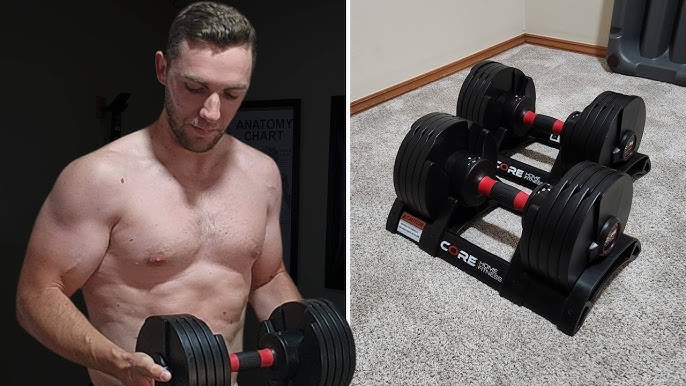
Fixed dumbbells have a set weight. They are durable and easy to use. Adjustable dumbbells let you change the weight.
Adjustable dumbbells save space and cost less over time. Think about how much weight you need and your workout space.
- Fixed dumbbells are best for quick workouts
- Adjustable dumbbells are more versatile
- Consider your budget and space
Weight Range Considerations
Knowing your weight range helps you pick the right dumbbells. Start with a lighter weight to learn form.
As you get stronger, add more weight. Adjustable dumbbells offer a wide range, making them a good choice for growth.
| Beginner | 5-15 lbs |
| Intermediate | 15-30 lbs |
| Advanced | 30 lbs and up |
Material And Grip Types
Dumbbells come in different materials like rubber, metal, or plastic. Rubber is gentle on floors, while metal is durable.
Grip is important for safety. Look for grips that feel comfortable and don’t slip. Textured grips can help.
- Rubber protects floors and reduces noise
- Metal lasts longer but can be noisy
- Choose a grip that feels secure
Methods To Increase Dumbbell Weight
Adding weight to your dumbbells helps you get stronger over time. You can increase the weight using simple tools and ideas. This guide explains easy ways to add weight safely.
Choosing the right method depends on your dumbbell type and workout needs. Use these options to make your dumbbells heavier and improve your exercise routine.
Adding Weight Plates
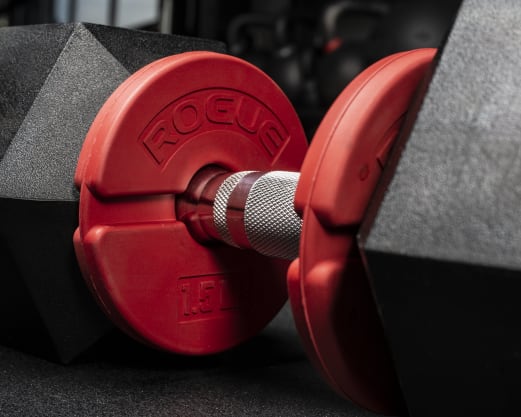
Weight plates are a common way to add weight to dumbbells. You slide the plates onto the dumbbell handle and secure them with collars or clips. This lets you adjust the weight easily.
Make sure your dumbbell has a handle that fits weight plates. Use plates that match the handle size and lock them tightly for safety.
- Choose plates with the right hole size
- Use collars or clips to hold plates in place
- Add or remove plates to change weight
- Check the dumbbell handle for strength
Using Weighted Sleeves
Weighted sleeves are covers filled with weight materials. You slip them over your dumbbells to add extra weight. They are soft and easy to use without changing the dumbbell structure.
Weighted sleeves come in different weights and sizes. They are a quick way to increase weight for light exercises or warm-ups.
- Choose sleeves that fit your dumbbell size
- Use sleeves for small weight increases
- Remove sleeves easily when done
- Good for adding weight without tools
Diy Weight Additions
You can add weight to dumbbells using household items. Attach small bags of sand, water bottles, or metal parts with strong tape or straps. This is a low-cost way to increase weight.
Make sure the items are secure and balanced. Check the dumbbell before each use to avoid accidents. DIY weights work best for light workouts or temporary weight increases.
- Use sandbags or water bottles as weights
- Secure items with tape, straps, or cords
- Balance weight evenly on both sides
- Check for safety before each workout
Safety Tips For Adding Weight
Adding weight to your dumbbells can improve your workout strength. It is important to do this safely to avoid injuries.
Use the right techniques and tools to keep weights secure. Always check your dumbbells before lifting.
Secure Attachment Methods
Make sure the weights are tightly fixed on the dumbbell bar. Loose weights can fall and cause injury.
Use collars or clips designed for your dumbbells. These keep the plates from moving during exercises.
- Choose collars that fit the bar size
- Check collars before each use
- Tighten clips firmly but avoid over-tightening
- Replace worn or damaged collars promptly
Avoiding Imbalance
Add equal weight to both sides of the dumbbell. Uneven weight causes poor form and can hurt your muscles.
Double-check the plates after adding them. Balance helps you lift safely and prevents accidents.
- Count the weight plates on each side
- Use the same weight size on both ends
- Adjust carefully if you change one side
Proper Handling Techniques
Lift the dumbbell with a firm grip and steady hands. Avoid sudden movements that can cause you to drop the weight.
Keep your posture correct and use your legs when lifting heavy weights. This lowers the risk of strain or injury.
- Hold the dumbbell close to your body
- Lift with your legs, not your back
- Move slowly and control the weight
- Place dumbbells down gently after use
Progressive Overload Strategies
Progressive overload helps you build muscle and strength by increasing the challenge over time. Adding weight to dumbbells is a key way to apply this principle.
Using smart strategies ensures steady progress and avoids plateaus in your workouts.
Incremental Weight Increases
Increase dumbbell weight in small steps to avoid injury and improve strength safely. Use the smallest weight increments available to keep progress steady.
Adding too much weight at once can cause poor form and risk injury. Small increases help your muscles adapt well.
- Add 1 to 2 pounds for upper body exercises
- Add 2 to 5 pounds for lower body exercises <li.use adjustable="" changes
Tracking Strength Gains
Keep a record of the weights, sets, and reps you do each workout. Tracking helps you see your progress over weeks and months.
Use a notebook, app, or spreadsheet to log your workouts. This keeps you motivated and on track.
- Write down the dumbbell weight used
- Note the number of sets and repetitions
- Record how you feel during the workout
Incorporating Varied Exercises
Change exercises regularly to work different muscles and avoid boredom. Varying workouts also helps break strength plateaus.
Use dumbbells for exercises like curls, presses, rows, and lunges. Each targets different muscle groups for balanced strength.
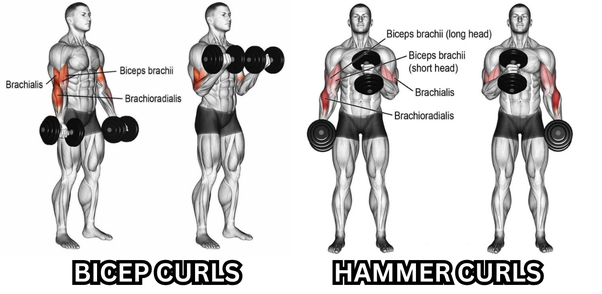
- Bicep curls for arm strength
- Shoulder presses for upper body power
- Dumbbell rows for back muscles
- Lunges for leg and core stability
Alternative Ways To Boost Dumbbell Workouts
Adding weight to dumbbells is not the only way to make your workouts harder. You can change how you use the dumbbells to get better results. Small changes in your routine help build strength and endurance.
Try these simple techniques to make your dumbbell exercises more effective without needing heavier weights.
Slowing Down Reps
Doing each repetition slower increases muscle time under tension. This helps muscles grow stronger even with lighter weights. Focus on controlling the movement up and down.
Slow reps also improve your form and reduce injury risk. Try counting to three when lifting and lowering the dumbbell.
- Lift the dumbbell slowly, taking about 3 seconds
- Pause briefly at the top of the movement
- Lower the dumbbell slowly, taking 3 seconds
- Keep muscles tight and steady throughout
Adding Isometric Holds
Isometric holds mean holding the dumbbell in one position without moving. This builds strength by keeping muscles engaged. You can add holds at different points in the exercise.
Try holding the dumbbell at the hardest part of the lift for 10 to 30 seconds. This challenges your muscles in new ways.
- Pause halfway through a bicep curl and hold
- Hold dumbbells out to the side during a lateral raise
- Stop and hold at the bottom of a squat with dumbbells
- Increase hold time as you get stronger
Combining With Bodyweight Movements
Mix dumbbell exercises with bodyweight moves to increase intensity. This approach works more muscles and burns more calories. It also makes workouts more dynamic and fun.
Try adding squats, lunges, or push-ups between dumbbell sets. This keeps your heart rate up and improves overall fitness.
- Do a set of dumbbell curls, then 10 push-ups
- Mix dumbbell lunges with bodyweight jumping squats
- Alternate dumbbell rows with planks
- Use this combination for circuit-style workouts
Credit: www.roguefitness.com

Credit: www.ape-x.shop
Frequently Asked Questions
How Can I Safely Add Weight To Dumbbells?
You can add weight by using adjustable plates or weight clips. Ensure they are securely fastened to prevent slipping and injury. Always check the dumbbell’s weight limit before adding extra plates for safety and durability.
What Are The Best Weight Options For Dumbbells?
Use standard weight plates compatible with your dumbbell size. Common options include 1. 25, 2. 5, 5, and 10-pound plates. Choose weights that match your strength level and gradually increase for effective muscle growth.
Can I Use Household Items To Add Dumbbell Weight?
Yes, you can use items like water bottles or sandbags. Secure them properly to avoid movement during workouts. However, adjustable weight plates are safer and more effective for consistent resistance.
How Often Should I Increase Dumbbell Weight?
Increase weight when your current load feels easy for 12-15 reps. Gradual progression helps avoid injury and builds strength effectively. Aim to add weight every 1-2 weeks based on your fitness level.
Conclusion
Adding weight to your dumbbells helps build strength over time. Choose the right method that fits your equipment and budget. Secure the weights properly to avoid accidents. Start with lighter weights and increase gradually for best results. Keep your form correct to prevent injuries.
Regularly check your dumbbells for safety. Consistency and care make your workouts effective and safe. Keep pushing your limits, step by step.


