

Are you ready to take your workout to the next level? Learning how to squat with a dumbbell can transform your strength, tone your muscles, and boost your confidence.
Whether you’re new to exercise or want to add variety to your routine, this move is simple but powerful. In this guide, you’ll discover easy steps to master the dumbbell squat safely and effectively. Keep reading, and unlock the secret to stronger legs and a fitter you!
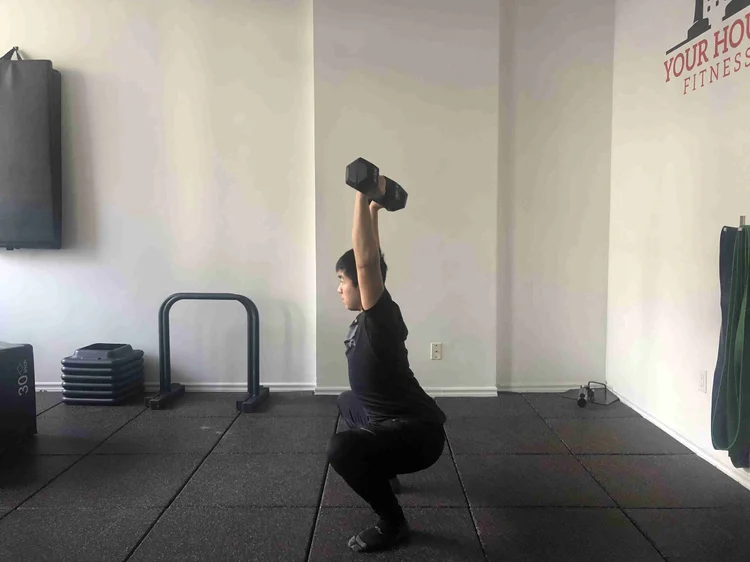
Credit: www.yourhousefitness.com
Benefits Of Dumbbell Squats
Dumbbell squats are a versatile exercise. They build strength and improve fitness. Many people use them for various health benefits.
Using dumbbells in squats adds extra resistance. This makes your muscles work harder. It helps in boosting your overall performance.
Muscle Groups Targeted
Dumbbell squats target several muscle groups. They mainly work on your legs and core muscles.
- Quadriceps
- Hamstrings
- Glutes
- Core muscles
Improved Balance And Stability
Performing squats with dumbbells can improve your balance. Holding weights challenges your stability.
This exercise engages core muscles more. It helps you maintain balance while lifting weights.
Increased Strength And Endurance
Dumbbell squats help in building strength. They also boost your muscular endurance.
Regular practice can make you stronger. It helps in performing daily tasks with ease.
- Enhances muscle power
- Improves stamina
- Supports better performance in sports
Choosing The Right Dumbbell
Squatting with dumbbells helps build strong legs and core muscles. Picking the right dumbbell is key to doing the exercise well.
Using the right weight keeps your form safe and improves your workout results. Learn how to choose dumbbells for squats.
Weight Selection Tips
Start with a light dumbbell to learn the squat motion. Pick a weight that feels challenging but does not hurt your form.
Increase the weight slowly as your strength grows. Avoid weights that make you lose balance or bend incorrectly.
- Begin with 5 to 10 pounds if you are new
- Choose a weight you can lift 8 to 12 times comfortably
- Use heavier dumbbells only if your form stays correct
Types Of Dumbbells
You can find dumbbells in different styles. Pick a type that fits your workout space and comfort.
Common types include fixed-weight and adjustable dumbbells. Each type has pros and cons for squatting exercises.
- Fixed-weight dumbbells:Simple to use and easy to grab
- Adjustable dumbbells:Allow changing weight quickly
- Hex dumbbells:Do not roll, safer on floors
- Round dumbbells:May roll but often cheaper
Safety Considerations
Safety is important when squatting with dumbbells. Use correct weight and good posture to avoid injury.
Keep a firm grip on the dumbbells. Make sure your shoes and workout area are stable and clear.
- Check dumbbells for damage before use
- Hold dumbbells close to your body during squats
- Wear flat, supportive shoes for balance
- Keep your back straight and knees aligned
Setting Up Your Squat
Squatting with a dumbbell is a simple way to build leg strength. Setting up correctly helps you stay safe and get the best results.
Focus on how you place your feet, hold the dumbbell, and align your body before you start.
Foot Placement And Stance
Stand with your feet shoulder-width apart. Your toes should point slightly outward. This stance helps you balance during the squat.
Keep your weight on your heels. This position prevents you from leaning forward and hurting your knees.
- Feet shoulder-width apart
- Toes angled slightly outward
- Weight on heels
- Knees tracking over toes
Grip And Dumbbell Position
Hold the dumbbell with both hands close to your chest. Keep your elbows pointed down. This grip keeps the weight stable.
Make sure the dumbbell stays close to your body. This helps you keep good balance and control during the squat.
- Use both hands to hold the dumbbell
- Hold dumbbell near your chest
- Keep elbows close to your body
- Maintain a firm but comfortable grip
Body Alignment
Stand tall with your chest up and shoulders back. Keep your spine straight and your head facing forward.
Engage your core muscles to support your back. Proper alignment helps prevent injury and improves squat form.
- Chest up and shoulders back
- Spine straight and neutral
- Head facing forward
- Core muscles tight

Credit: www.womenshealthmag.com
Performing The Dumbbell Squat
The dumbbell squat is a great exercise for your legs and core. It helps build strength and balance.
You only need a pair of dumbbells and space to move. Keep your form correct to avoid injury.
Step-by-step Movement
Start by standing with your feet shoulder-width apart. Hold a dumbbell in each hand by your sides.
Keep your chest up and back straight. Slowly bend your knees and push your hips back.
- Lower down until your thighs are parallel to the floor.
- Keep your knees above your feet but not beyond your toes.
- Pause briefly at the bottom position.
- Push through your heels to stand back up.
- Repeat for the desired number of reps.
Breathing Technique
Breathing properly helps keep your body stable and your muscles working well. Inhale before you lower down.
Exhale as you push up to the starting position. Keep your breathing steady and controlled throughout.
Common Mistakes To Avoid
Many people make errors that reduce the exercise’s benefit or cause injury. Watch out for these mistakes.
- Rounding your back instead of keeping it straight.
- Letting your knees go past your toes.
- Rising onto your toes instead of keeping heels down.
- Holding your breath during the squat.
- Using weights that are too heavy, causing poor form.
Progressing Your Squat Routine
Squatting with a dumbbell is a great way to build strength. To keep improving, you need to progress your routine.
Progress means making your squats harder over time. This helps your muscles grow and get stronger.
Increasing Weight And Reps
Add more weight to your dumbbell as you get stronger. This makes your muscles work harder.
You can also do more reps with the same weight. This builds endurance and strength.
- Start with a weight you can lift 8-12 times
- Increase weight by small amounts each week
- Try to add 1-2 more reps every session
- Rest well between sets to keep good form
Adding Variations
Changing your squat style challenges different muscles. This helps prevent boredom and plateaus.
Try different dumbbell squat moves to work your legs and core in new ways.
- Goblet squat: Hold the dumbbell close to your chest
- Sumo squat: Use a wider stance with toes pointed out
- Split squat: Place one foot forward and one back
- Pulse squat: Stay low and pulse up and down slightly
Tracking Your Progress
Keep a record of your workouts. Tracking helps you see improvements and stay motivated.
Write down weights, reps, and any changes you make. Review your notes weekly.
- Use a notebook or workout app
- Record date, weight, and reps for each set
- Note how you feel after each workout
- Adjust your routine based on progress
Incorporating Dumbbell Squats In Workouts
Dumbbell squats are a great way to build leg strength. They work your thighs, hips, and glutes.
You can add dumbbell squats to many workout routines. They help improve balance and muscle tone.
Warm-up And Cool-down Tips
Warming up prepares your muscles for exercise. It reduces the risk of injury during dumbbell squats.
Cooling down helps your body recover. It lowers your heart rate and prevents stiffness after squats.
- Warm up with light cardio like walking or jogging for 5-10 minutes
- Do dynamic stretches such as leg swings and hip circles before squats
- After squats, stretch your quads, hamstrings, and calves gently
- Use deep breathing during cool-down to relax muscles
Combining With Other Exercises
Dumbbell squats work well with many other exercises. You can build a full-body workout this way.
Pair squats with upper body moves to balance your training. This helps avoid muscle imbalances.
- Push-ups or dumbbell presses for chest and arms
- Planks or sit-ups for core strength
- Lunges or step-ups for more leg work
- Rows or pull-downs for back muscles
Frequency And Rest
Do dumbbell squats two to three times each week. This allows your muscles to get stronger.
Rest days are important. Your muscles need time to repair and grow after workouts.
- Start with two sessions per week for beginners
- Rest at least one day between squat workouts
- Increase frequency as your strength improves
- Listen to your body and avoid overtraining

Credit: www.youtube.com
Frequently Asked Questions
How Do I Hold Dumbbells For Squats?
Hold dumbbells by your sides with palms facing inward. Keep arms relaxed and close to your body. This grip ensures balance and control during the squat. Avoid gripping too tightly to maintain proper form and reduce strain.
What Is The Correct Squat Depth With Dumbbells?
Aim to lower your hips until your thighs are parallel to the floor. Deeper squats engage more muscles but require flexibility. Keep your chest up and knees aligned to avoid injury. Stop if you feel pain or discomfort.
How Many Reps And Sets For Dumbbell Squats?
Perform 3 to 4 sets of 10 to 15 reps for muscle toning. Adjust weight and reps based on your fitness goals. Rest 30-60 seconds between sets for optimal recovery. Consistency is key for strength gains.
Can Dumbbell Squats Help Build Leg Muscles?
Yes, dumbbell squats effectively target quads, hamstrings, and glutes. Adding dumbbells increases resistance, promoting muscle growth and strength. They also improve balance and stability. Incorporate them regularly for best results.
Conclusion
Squatting with a dumbbell helps build strong legs and core muscles. It’s simple to do at home or the gym. Start with a light weight to learn the right form. Keep your back straight and feet shoulder-width apart. Take your time and breathe steadily during each squat.
Regular practice improves balance and strength. Remember, small steps lead to big progress. Stay consistent and enjoy the benefits of this effective exercise.


