

If you want to build a strong, well-defined chest, mastering the dumbbell chest fly is a must. This simple exercise targets your chest muscles like no other, helping you shape and tone your upper body effectively.
But are you sure you’re doing it right? One small mistake can reduce its impact or even cause injury. Keep reading, and you’ll learn exactly how to do dumbbell chest flyes with perfect form—so you get the best results every time you hit the gym.

Credit: www.youtube.com
Benefits Of Dumbbell Chest Flyes
Dumbbell chest flyes are a great exercise for building chest muscles. They help improve your upper body strength and flexibility.
This exercise targets your chest muscles directly. It also engages your shoulders and arms for a balanced workout.
Enhanced Chest Muscle Growth
Dumbbell chest flyes isolate the chest muscles. This leads to better muscle growth and definition.
When you open your arms wide, the chest muscles stretch. This stretching helps in muscle expansion and strength.
Improved Flexibility And Range Of Motion
Chest flyes improve your shoulder flexibility. They allow your arms to move through a full range of motion.
This increased range of motion helps in everyday activities. It also reduces the risk of injuries during other exercises.
Better Posture Support
Strong chest muscles support your posture. Dumbbell chest flyes contribute to this by strengthening the upper body.
With regular practice, you may notice improved posture. This can lead to less back and shoulder pain.
Versatility And Convenience
You can do dumbbell chest flyes at home or in the gym. All you need is a pair of dumbbells and a flat bench.
This makes it a convenient exercise choice. You can easily include it in any workout routine.

Credit: uk.style.yahoo.com
Choosing The Right Dumbbells
Picking the right dumbbells is key for doing chest flyes safely. The weight should challenge your muscles but not cause strain.
Using dumbbells that are too heavy can lead to poor form and injury. Lighter weights help you control the movement better.
Consider Your Strength Level
Start with a weight that feels comfortable but still makes your chest muscles work. Beginners should use lighter dumbbells first.
If you can do more than 15 reps easily, try a slightly heavier dumbbell. This helps build muscle over time.
Choose The Right Dumbbell Type
There are fixed-weight and adjustable dumbbells. Fixed ones are simple and quick to use. Adjustable dumbbells save space and let you change weights.
Pick the type that fits your workout space and training style best. Both types work well for chest flyes.
Check The Grip Comfort
A good grip helps you hold dumbbells firmly during the exercise. Look for dumbbells with textured or padded handles.
Comfortable grips reduce hand fatigue and improve control. Avoid dumbbells with slippery or rough handles.
Match Dumbbell Weight To Your Goals
Use lighter weights for muscle endurance and higher reps. Choose heavier weights for muscle strength and fewer reps.
- Light weights: 8-15 pounds for beginners or endurance
- Medium weights: 15-30 pounds for moderate strength
- Heavy weights: 30+ pounds for advanced strength training
Setting Up Your Workout Space
Creating a good workout space helps you focus and stay safe. It makes doing dumbbell chest flyes easier and more effective.
Prepare your area with enough room and the right equipment. This avoids distractions and injuries during your workout.
Clear Enough Space
Find a spot with enough room to stretch your arms wide. You need space to move without hitting anything.
- Remove furniture or objects nearby
- Keep the floor clean and dry
- Leave at least 3 feet around your workout area
Use A Stable Surface
Use a flat bench or sturdy surface for your chest flyes. It supports your back and helps keep balance.
Make sure the bench does not wobble or slide. This prevents accidents and improves your form.
Select Proper Dumbbells
Choose dumbbells that fit your strength level. Start light to avoid injury and increase weight over time.
- Pick weights you can lift with control
- Have a pair of dumbbells ready
- Use adjustable dumbbells if possible
Good Lighting And Ventilation
Workout in a well-lit area to see your movements clearly. This helps keep good form and avoid mistakes.
Make sure the space has fresh air. Proper ventilation keeps you comfortable during your exercise.
Keep Water Nearby
Place a water bottle close to your workout space. Staying hydrated is important for your strength and focus.
- Drink water before and after your sets
- Use a bottle that is easy to open
- Keep it within arm’s reach
Step-by-step Guide To Perfect Form
Dumbbell chest flyes help build chest muscles and improve strength. Doing them with the right form keeps you safe.
This guide shows how to do dumbbell chest flyes with perfect form. Follow each step carefully for best results.
Starting Position
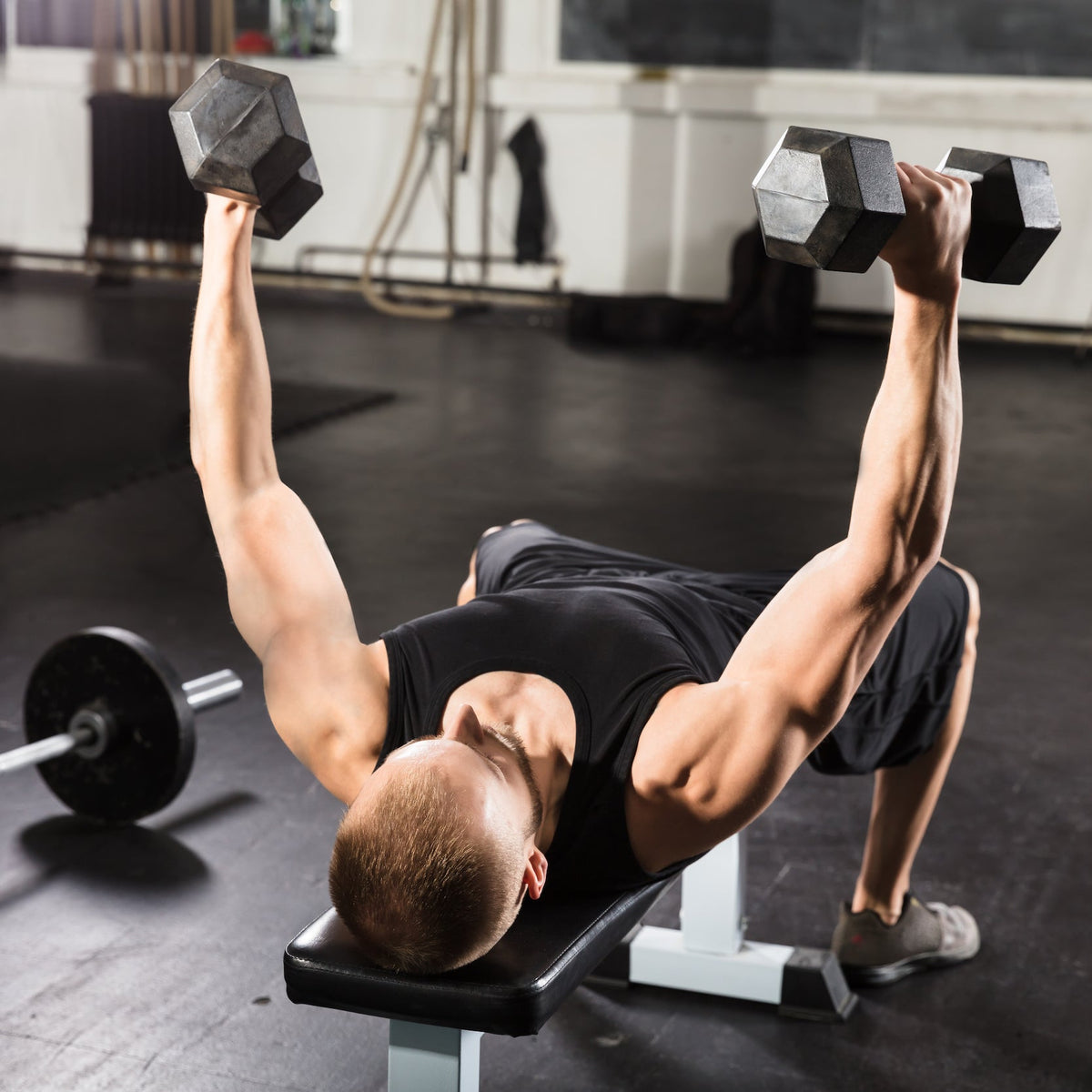
Lie flat on a bench with a dumbbell in each hand. Hold the dumbbells above your chest with arms straight but elbows slightly bent.
Keep your feet flat on the floor and back pressed into the bench. Your palms should face each other to start.
- Lie on a bench with feet flat on the floor
- Hold dumbbells above chest with straight arms
- Keep elbows slightly bent, palms facing each other
- Maintain a tight core and pressed back
Executing The Flye Movement
Slowly lower the dumbbells out to your sides. Keep a slight bend in your elbows as you open your arms wide.
Stop when your elbows are level with your chest. Bring the dumbbells back up by squeezing your chest muscles together.
- Lower dumbbells slowly to your sides
- Keep elbows bent slightly throughout
- Stop when elbows reach chest level
- Lift dumbbells by squeezing chest muscles
- Repeat with controlled, smooth movements
Breathing Techniques
Inhale deeply as you lower the dumbbells to the sides. This helps prepare your muscles for work.
Exhale fully while you lift the dumbbells back together. Breathing out helps you use more strength.
- Inhale as you lower the weights
- Exhale as you bring them back up
- Keep breathing steady and controlled
Common Mistakes To Avoid
Dumbbell chest flyes are great for building chest muscles. Many people make mistakes that reduce their workout’s effect.
Avoid these common errors to get better results and prevent injury during dumbbell chest flyes.
Using Too Much Weight
Picking weights that are too heavy can cause poor form. You might struggle to control the dumbbells during the movement.
Start with lighter weights. Focus on smooth, controlled motions before increasing weight.
Lowering Dumbbells Too Far
Dropping the dumbbells too low strains your shoulder joints. This can lead to injury or discomfort.
Stop lowering when your elbows are at chest level or slightly below. Keep a slight bend in your elbows.
Locking Elbows During Movement
Keeping your elbows straight or locked puts extra stress on the joints. It reduces muscle activation in the chest.
Maintain a soft bend in your elbows throughout the exercise to protect your joints and target the chest better.
Rushing The Exercise
Speeding through the flyes lowers muscle tension. It also increases the chance of losing control of the dumbbells.
Move slowly and focus on muscle contraction. Take 2-3 seconds to lower and lift the weights.
Not Keeping A Stable Back
Arching or lifting your back off the bench causes strain and poor form. It can reduce workout effectiveness.
Keep your back flat on the bench and feet planted firmly on the floor to stay stable.
Allowing Dumbbells To Touch
Bringing dumbbells together at the top can shift focus away from the chest. It may cause momentum-based movement.
Keep dumbbells slightly apart at the top. Focus on squeezing your chest muscles without letting the weights touch.
Credit: swolverine.com
Tips To Increase Effectiveness
Dumbbell chest flyes help build chest muscles by stretching and contracting them. To get the best results, focus on form and technique.
Small changes can make your workout more effective and reduce injury risk. Below are some tips to improve your dumbbell chest flyes.
Adjusting Range Of Motion
Changing how far you open your arms affects muscle stretch and engagement. A wider range stretches your chest more.
Keep your elbows slightly bent to protect your joints. Lower the dumbbells only until you feel a good stretch.
- Start with a small range if you are new to flyes
- Increase range gradually as flexibility improves
- Avoid dropping arms too low to prevent shoulder strain
Tempo Variations
Changing the speed of your movement can boost muscle growth and control. Slow down the lowering phase to increase tension.
Try pausing at the bottom of the fly to hold the stretch. Use a faster lift phase to keep the muscles active.
- Lower dumbbells slowly in 3-4 seconds
- Pause for 1-2 seconds at the bottom
- Lift dumbbells in 1-2 seconds with control
Integrating With Other Chest Exercises
Dumbbell chest flyes work best combined with other chest exercises. This approach targets muscles from different angles.
Add push-ups or bench presses to your routine. This helps build strength and size evenly across the chest.
- Start with compound lifts like bench presses
- Use flyes to finish and focus on muscle stretch
- Alternate exercises to avoid muscle fatigue
Safety Precautions And Injury Prevention
Doing dumbbell chest flyes can build strong chest muscles. It is important to stay safe and avoid injuries while exercising.
Following safety tips helps protect your shoulders and chest. Use the right form and weight for the best results.
Warm Up Properly
Start with light cardio and dynamic stretches. This warms up your muscles and joints before lifting weights.
Warming up reduces the risk of muscle tears and joint pain. Spend at least 5 to 10 minutes warming up.
Use Appropriate Weight
Choose dumbbells that you can control easily. Using too heavy weights can strain your muscles and joints.
Start with lighter weights and increase gradually as you get stronger. Focus on good form over heavy lifting.
Maintain Proper Form
Keep a slight bend in your elbows during the exercise. Avoid locking your arms to protect the joints.
Bring the dumbbells wide but do not overstretch. Control the movement to prevent shoulder injuries.
- Lie flat on a bench with feet on the ground
- Hold dumbbells above chest with palms facing each other
- Lower dumbbells slowly in a wide arc
- Stop when arms are level with the chest
- Bring dumbbells back up carefully
Avoid Rapid Movements
Move the dumbbells slowly and steadily. Fast movements increase the chance of losing control.
Controlled speed helps muscles work better and lowers injury risk. Take 2-3 seconds to lower and lift dumbbells.
Use A Spotter If Needed
Ask someone to help if you lift heavy weights. A spotter can assist and stop the dumbbells if you lose strength.
This support prevents accidents and helps you push your limits safely. Use a spotter especially if you are new to flyes.
Listen To Your Body
Stop the exercise if you feel sharp pain or discomfort. Mild soreness is normal, but pain signals injury risk.
Rest and recover if you feel tired or strained. Do not push through pain to avoid long-term damage.
Tracking Progress And Setting Goals
Tracking your progress is key to improving your dumbbell chest flyes. It helps you see how much you grow over time.
Setting clear goals keeps you motivated and focused during your workouts.
Record Your Starting Point
Write down the weight you use and the number of reps you do. This gives you a clear starting point.
Note how many sets you complete and how you feel after each workout.
- Weight of dumbbells
- Number of repetitions
- Number of sets
- How difficult the exercise feels
Set Realistic Goals
Choose goals that you can reach in a few weeks. This helps you stay motivated.
Goals can be about increasing weight, reps, or sets. Pick one at a time.
- Increase dumbbell weight by 2-5 pounds
- Add 2 more reps per set
- Do one extra set per workout
Use A Workout Journal
Keep a journal to log your workouts. Writing it down helps you track progress clearly.
Review your notes weekly to see how close you are to your goals.
- Date of workout
- Weight used
- Reps and sets completed
- Any challenges or improvements
Adjust Goals As You Improve
When you reach a goal, set a new one to keep improving. This keeps your workouts effective.
Make small changes to avoid injury and stay motivated.
- Increase dumbbell weight gradually
- Add more reps or sets slowly
- Focus on better form and control
Frequently Asked Questions
How Do You Perform Dumbbell Chest Flyes Correctly?
To perform dumbbell chest flyes correctly, lie on a bench with dumbbells in hand. Keep a slight bend in your elbows. Lower the weights slowly in a wide arc until you feel a stretch in your chest. Then, bring them back up with control.
What Muscles Do Dumbbell Chest Flyes Target?
Dumbbell chest flyes primarily target the pectoral muscles. They also engage the shoulders and biceps slightly. This exercise helps improve chest strength and muscle definition by isolating the chest muscles effectively.
How Many Sets And Reps Are Ideal For Chest Flyes?
For chest flyes, aim for 3 to 4 sets of 8 to 12 reps. This range promotes muscle growth and endurance. Use a weight that challenges you without compromising form to maximize benefits.
Can Dumbbell Chest Flyes Help Build Chest Size?
Yes, dumbbell chest flyes can help build chest size by stretching and contracting the chest muscles. Consistent training with progressive overload leads to muscle growth and better chest shape.
Conclusion
Dumbbell chest flyes help build strong chest muscles. Use light weights to start and focus on form. Keep your movements slow and controlled for best results. Regular practice improves strength and muscle shape. Remember to breathe steadily throughout the exercise.
Combine flyes with other chest workouts for balance. Stay consistent and patient to see progress. Small steps lead to big gains over time. Enjoy the process and feel your body grow stronger.


