
Are you wondering, “What weight dumbbells should I use as a female?” Choosing the right dumbbell weight can make all the difference in your workout results. Pick weights that are too heavy, and you risk injury or frustration.
Choose ones too light, and you won’t see the progress you want. But don’t worry—this guide will help you find the perfect weight for your strength, goals, and fitness level. Keep reading to unlock the secret to effective, safe, and satisfying workouts tailored just for you.

Credit: www.womenshealthmag.com
Choosing Dumbbells For Beginners
Starting with the right dumbbells is important for a safe workout. Beginners should choose weights that suit their current strength level.
It’s best to start light and increase weight as you grow stronger. This helps in building proper form and prevents injury.
Factors Affecting Weight Selection
Several factors influence the weight of dumbbells you should use. Knowing these helps in making the right choice.
- Fitness level: Beginners should start with lighter weights.
- Exercise type: Different exercises need different weights.
- Body strength: Choose weights that match your strength.
- Goal: Decide if you want to tone or build muscle.
Common Mistakes To Avoid
Avoiding common mistakes helps in achieving better results. Learn what not to do when choosing dumbbells.
- Choosing weights that are too heavy can lead to injury.
- Not focusing on form may cause poor results.
- Skipping warm-ups can result in muscle strain.
- Using the same weight for all exercises might not be effective.
Weight Recommendations By Fitness Level
Choosing the right dumbbell weight is important for safe and effective workouts. The right weight helps build strength and avoid injuries.
Different fitness levels need different weights. This guide helps females pick dumbbells based on their experience.
For Absolute Beginners
New to strength training? Start with light weights to learn proper form. This reduces injury risk and builds confidence.
Women new to dumbbells should use weights between 2 to 5 pounds. Choose weights that feel easy but still challenge muscles slightly.
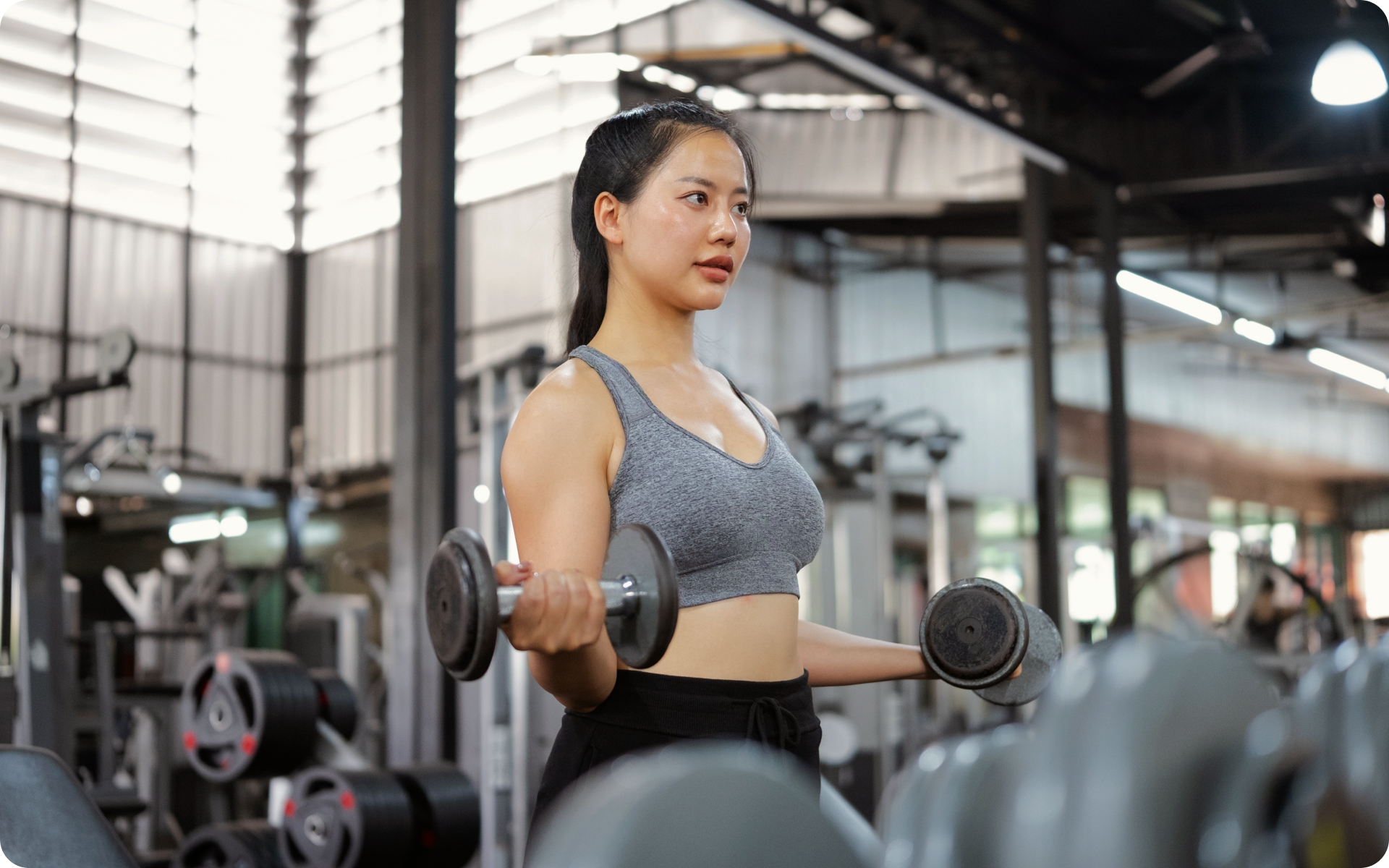
- 2 to 3 pounds for small muscle exercises like bicep curls
- 3 to 5 pounds for larger muscle groups like shoulders
- Focus on 12-15 repetitions per set
For Intermediate Users
With some experience, increase weights to build more strength. This helps muscles grow and improves endurance.
Intermediate users can use dumbbells from 5 to 12 pounds. Choose weights that feel challenging by the last few reps.
- 5 to 8 pounds for arm and shoulder exercises
- 8 to 12 pounds for leg and back exercises
- Aim for 8-12 repetitions per set
For Advanced Beginners
Advanced beginners have good form and some strength. They can lift heavier weights to continue progress.
Use dumbbells from 12 to 20 pounds. Pick weights that allow 6-10 reps with good control and form.
- 12 to 15 pounds for arms and shoulders
- 15 to 20 pounds for legs and back
- Focus on 6-10 repetitions per set
Weight Selection By Exercise Type
Choosing the right dumbbell weight is important for safe and effective workouts. The weight you pick depends on the exercise you plan to do.
For women, starting with lighter weights helps build strength without risking injury. Adjust weights based on how the exercise feels.
Upper Body Exercises
Upper body workouts use muscles in the arms, shoulders, and back. These muscles are smaller and less strong than lower body muscles.
Start with lighter weights to maintain control and avoid strain. Usually, 3 to 8 pounds works well for most women.
- 3 to 5 pounds for exercises like bicep curls and shoulder raises
- 5 to 8 pounds for tricep kickbacks and rows
- Choose a weight that lets you do 12 to 15 reps with good form
Lower Body Exercises
Lower body exercises target the legs, hips, and glutes. These muscles are larger and can handle heavier weights.
Women can use dumbbells from 8 to 15 pounds for most lower body moves. Pick a weight that challenges your muscles but lets you keep balance.
- 8 to 12 pounds for lunges and step-ups
- 10 to 15 pounds for squats and deadlifts
- Use a weight that allows 10 to 12 reps with steady control
Core Workouts
Core workouts focus on the abs and lower back. These exercises often use lighter weights or just body weight.
Start with 3 to 6 pounds dumbbells for added resistance. The goal is to keep your core engaged without losing form.
- 3 to 5 pounds for Russian twists and side bends
- 5 to 6 pounds for weighted sit-ups or crunches
- Use a weight that lets you perform 15 to 20 reps comfortably

Credit: www.fitkituk.com
Adjusting Dumbbell Weight Over Time
Choosing the right dumbbell weight is important for women starting strength training. As you grow stronger, your weight needs will change. Adjusting the weight helps you keep improving and avoid injuries.
Using the right weight challenges your muscles without causing strain. It is normal to increase dumbbell weight as your body adapts to workouts.
Signs To Increase Weight
You may need to use heavier dumbbells if exercises feel too easy. Watch for these signs to know when to increase weight.
- You can do all reps and sets without much effort
- Your muscles do not feel tired after workouts
- Your form stays perfect with current weight
- You do not feel challenged during the last reps
- You recover quickly and feel ready for more
How To Progress Safely
Increase dumbbell weight in small steps to avoid injury. Follow these tips to progress safely and build strength steadily.
- Add 1 to 2 pounds (0.5 to 1 kg) at a time <likeep and="" controlled="" during="" exercises<lirest at="" between="" day="" least="" li="" one="" strength="" workouts<listop discomfort<litrack increase="" know="" li="" progress="" to="" weight
Tips For Female Beginners
Choosing the right dumbbell weight is important for safety and progress. Start with weights that feel comfortable but challenge you.
Using dumbbells helps build strength and tones muscles. Pick weights based on your fitness level and goals.
Balancing Strength And Safety
Start with lighter dumbbells to avoid injury. Focus on good form and control during exercises.
Increase weight gradually as you gain strength. Do not rush to lift heavy weights too soon.
- Test different weights to find one you can lift 10-15 times with good form.
- Use weights that tire your muscles by the last repetition.
- Stop if you feel pain or discomfort.
- Rest between sets to recover.
Incorporating Dumbbells Into Workout Routines
Include dumbbells in exercises like bicep curls, shoulder presses, and squats. These build strength in many muscle groups.
Start with 2-5 pound dumbbells. Add weight as you get stronger and more confident.
- Warm up before using dumbbells.
- Use slow, steady movements.
- Do 2-3 sets of 10-15 repetitions.
- Mix dumbbell exercises with cardio and stretching.
Credit: betterme.world
Popular Dumbbell Options For Women
Choosing the right dumbbells helps women reach their fitness goals. Dumbbells come in different styles and weights. Knowing the options makes it easier to pick the best fit.
This guide covers two popular types: fixed weight and adjustable dumbbells. Both have benefits for different workout needs and skill levels.
Fixed Weight Dumbbells
Fixed weight dumbbells have a set weight that cannot change. They are easy to use and good for beginners. Women can find them in light to heavy weights.
These dumbbells are perfect for quick workouts. They do not require adjustment, so you can switch weights fast. Many gyms use these because they are simple and durable.
- Common weights range from 2 to 20 pounds
- Good for steady strength training
- Usually come in pairs for balance
- Easy to store and organize
Adjustable Dumbbells
Adjustable dumbbells let you change the weight using a dial or pin. This option saves space and money. You can lift light or heavy weights with one set.
They work well for women who want to improve strength over time. You can increase weight as you get stronger without buying new dumbbells.
- Weights can usually adjust from 5 to 50 pounds
- Good for varied workouts and progression
- Takes a few seconds to change weights
- Some models are compact and easy to store
Frequently Asked Questions
What Weight Dumbbells Should Beginners Use?
Beginners should start with 3 to 5 pounds dumbbells. This weight helps build strength without causing strain. Gradually increase weight as your muscles adapt and grow stronger.
How To Choose Dumbbell Weight For Toning?
Choose lighter weights like 5 to 8 pounds for toning. Perform higher repetitions to improve muscle endurance and definition. Focus on form rather than heavy lifting.
Can Women Use Heavy Dumbbells Safely?
Yes, women can safely use heavy dumbbells with proper technique. Start with moderate weights and increase gradually. Heavy dumbbells help build muscle and improve strength effectively.
How Often Should I Increase Dumbbell Weight?
Increase dumbbell weight every 2 to 4 weeks. This depends on your strength progress and workout goals. Consistent increases prevent plateaus and promote muscle growth.
Conclusion
Choosing the right dumbbell weight helps you build strength safely. Start with light weights to learn proper form. Increase weight slowly as you get stronger. Listen to your body and avoid pain. Consistency matters more than heavy lifting. Enjoy your workouts and celebrate small progress.
Fitness is a journey, not a race. Keep challenging yourself, but stay comfortable. This way, you stay motivated and avoid injury. Your strength will grow step by step.


