

Are you looking to build stronger, more defined shoulders? The dumbbell shoulder press is one of the best exercises to help you achieve that.
But do you know exactly what muscles this move targets? Understanding which muscles you’re working can help you get better results and avoid injury. Keep reading to discover how the dumbbell shoulder press shapes your body and why it should be a key part of your workout routine.
Your path to stronger shoulders starts here!
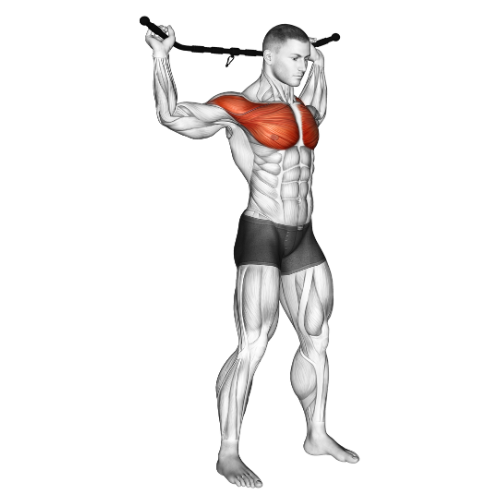
Credit: www.endomondo.com
Primary Muscles Targeted
The dumbbell shoulder press is a powerful exercise. It mainly targets muscles in the shoulder area. This exercise is popular for building strength and size.
Understanding the muscles involved helps in executing the move better. It ensures effective workouts and minimizes the risk of injury.
Deltoid Muscle Groups
The deltoid muscles are the primary target in a shoulder press. These muscles cover the shoulder and give it its rounded shape. They consist of three parts: anterior, lateral, and posterior.
The anterior deltoid helps lift the arm forward. The lateral deltoid lifts the arm to the side. The posterior deltoid assists in pulling the arm backward.
- Anterior deltoid: Lifts the arm forward
- Lateral deltoid: Lifts the arm to the side
- Posterior deltoid: Pulls the arm backward
Triceps Brachii Role
The triceps brachii is another key muscle in this exercise. Located at the back of the upper arm, it plays a supporting role. It aids in straightening the arm during the press.
This muscle helps in stabilizing the movement. It ensures that the arm extends properly as you push the dumbbells up.
- Supports arm extension
- Stabilizes the shoulder during the press
- Enhances overall arm strength
Secondary Muscles Engaged
The dumbbell shoulder press mainly works the deltoid muscles. It also involves several secondary muscles. These muscles help support the movement and keep the body stable.
Knowing which muscles work can help improve your form. It also helps you target different areas for balanced strength.
Upper Chest Activation
The upper chest muscles, or clavicular part of the pectoralis major, assist during the dumbbell shoulder press. They help lift the weight upward and forward.
This activation is mild but important. It adds power to the pressing motion and supports the shoulder muscles.
Trapezius Involvement
The trapezius muscles stabilize the shoulder blades during the press. They keep the shoulders steady and help control the movement.
The upper traps lift the shoulders slightly, while the middle traps pull the shoulder blades together. This teamwork supports the arms as they push the dumbbells upward.
- Upper traps help shrug the shoulders
- Middle traps pull the shoulder blades back
- Lower traps assist in shoulder blade control
Core Stabilizers
The core muscles keep your body steady while pressing. They stop your back from arching too much and help maintain balance.
Muscles like the abs and lower back work hard to keep you upright. A strong core means better control and safer lifting.
- Rectus abdominis stabilizes the front
- Obliques control side movement
- Erector spinae supports the lower back
Muscle Function During The Press
The dumbbell shoulder press targets several muscles in your upper body. It mainly works your shoulders but also uses other muscles to help move the weights. Understanding which muscles work during the press helps you train better.
The shoulder press has two main parts: pushing the dumbbells up and lowering them down. Different muscles are active in each part, called the concentric and eccentric phases.
Concentric Phase Muscles
The concentric phase is when you push the dumbbells upward. This phase mainly uses the shoulder muscles to lift the weight against gravity.
The primary muscle is the deltoid, especially the front (anterior) part. The triceps also help by straightening the arms. The upper chest and traps assist in stabilizing the movement.
- Deltoids:Lift the arms overhead
- Triceps brachii:Extend the elbows
- Upper pectorals:Support arm movement
- Trapezius:Stabilize the shoulder blades
Eccentric Phase Muscles
The eccentric phase happens when you lower the dumbbells back down. Muscles work to control the weight and prevent it from dropping too fast.
The same muscles used to lift the weights now act to slow the movement. This controlled lowering helps build strength and muscle control.
- Deltoids:Control arm descent
- Triceps brachii:Help slow elbow bending
- Rotator cuff muscles:Stabilize the shoulder joint
- Scapular muscles:Keep shoulder blades steady
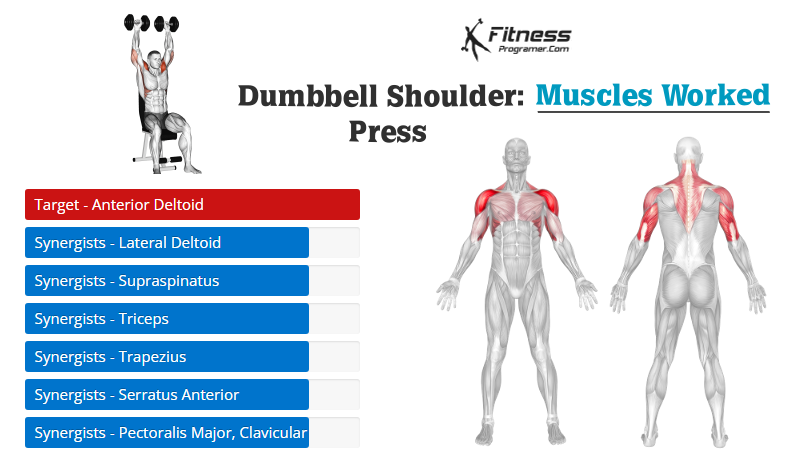
Credit: fitnessprogramer.com
Variations And Their Muscle Impact
The dumbbell shoulder press targets the shoulder muscles. Different ways to do it change which muscles work more.
Choosing the right variation helps focus on specific muscles and improve strength balance.
Seated Vs Standing Press
The seated press supports your back. It limits body movement and focuses on the shoulders.
The standing press uses more muscles. Your core and legs help keep balance and stability.
- Seated press targets the deltoids with less core work
- Standing press activates shoulders and core muscles
- Standing version improves overall body coordination
Neutral Grip Effects
A neutral grip means holding dumbbells with palms facing each other. This grip changes muscle use.
Neutral grip reduces strain on the shoulder joints. It works the front and side deltoids more evenly.
- Neutral grip eases pressure on shoulder joints
- It targets the anterior and lateral deltoids equally
- Can help reduce risk of shoulder injury
Single-arm Press Benefits
Single-arm press works one arm at a time. It helps fix muscle imbalances between sides.
This press also activates the core more. You need to stabilize your body to keep balance.
- Improves muscle balance between left and right shoulders
- Engages core muscles for better stability
- Increases focus on shoulder muscle activation
Common Muscle Imbalances
The dumbbell shoulder press works many muscles around the shoulder. Some muscles may become too strong or too weak. This causes muscle imbalances.
Muscle imbalances can lead to poor posture and injuries. It is important to know which muscles are overactive or underactive.
Overdeveloped Deltoids
The deltoid muscles do most of the work during the dumbbell shoulder press. They can become too strong compared to other muscles.
Overdeveloped deltoids may cause tightness and limit shoulder movement. This can increase the risk of injury and pain.
- Front deltoid (anterior) often gets the most work
- Side deltoid (lateral) also grows but less than front
- Rear deltoid (posterior) may lag behind
Underactive Stabilizers
Stabilizer muscles help keep the shoulder joint steady during the press. They support the main muscles and control movement.
These stabilizers can be weak or underused. This imbalance can cause poor form and shoulder problems.
- Rotator cuff muscles often stay weak
- Scapular stabilizers may not activate enough
- Core muscles also help stabilize the body
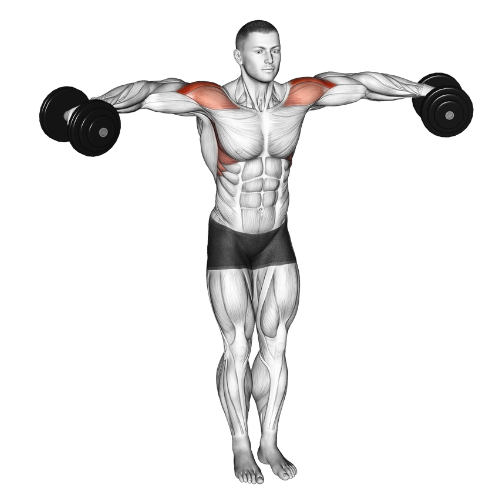
Credit: www.endomondo.com
Tips To Maximize Muscle Engagement
The dumbbell shoulder press targets several muscles in your shoulders and arms. Using the right techniques helps you get stronger and build muscle faster.
Focus on form, breathing, and weight progression to improve how your muscles work during this exercise.
Proper Form And Technique
Start with the dumbbells at shoulder height and feet shoulder-width apart. Keep your back straight and core tight. Press the dumbbells up until your arms are almost fully extended.
Avoid locking your elbows at the top. Lower the weights slowly back to the start position. Good form helps target your deltoids, triceps, and upper chest effectively.
- Keep your wrists straight and aligned with your forearms.
- Do not arch your lower back during the press.
- Keep your head neutral and eyes forward.
- Engage your core to stabilize your body.
Breathing And Tempo
Breathe out as you press the dumbbells up. Breathe in as you lower them down. Proper breathing keeps your energy steady and improves performance.
Control the speed of your movements. Press up with force, but lower the weights slowly. This balance helps your muscles work more and reduces injury risk.
- Exhale during the upward press.
- Inhale during the downward phase.
- Use a 2-second lift and 3-second lower tempo.
- Pause briefly at the top and bottom for muscle tension.
Progressive Overload Strategies
Increase the weight or reps over time to challenge your muscles. This helps them grow stronger and bigger. Track your progress regularly to stay on track.
Try small changes like adding more sets or reducing rest time. These steps keep your muscles working hard and prevent plateaus.
- Add 2.5 to 5 pounds to dumbbells every 1-2 weeks.
- Increase reps by 1-2 per set as you get stronger.
- Try 3-4 sets per session for good volume.
- Rest 60-90 seconds between sets for muscle recovery.
Frequently Asked Questions
What Primary Muscles Does Dumbbell Shoulder Press Target?
The dumbbell shoulder press mainly targets the deltoid muscles. It primarily works the anterior and medial deltoids. It also engages the triceps and upper trapezius for support and stability during the movement.
How Does Dumbbell Shoulder Press Improve Shoulder Strength?
This exercise builds shoulder strength by challenging the deltoids and stabilizing muscles. It promotes muscle growth and endurance. Using dumbbells allows a greater range of motion, leading to balanced muscle development and increased functional shoulder strength.
Are Other Muscles Involved In Dumbbell Shoulder Press?
Yes, besides deltoids, it activates triceps brachii for elbow extension. The upper trapezius helps stabilize the shoulder girdle. Core muscles engage to maintain posture and balance during the pressing motion, enhancing overall body coordination.
Can Dumbbell Shoulder Press Help With Posture?
Yes, it strengthens shoulder and upper back muscles that support proper posture. Strong deltoids and trapezius muscles reduce shoulder rounding. Consistent training can improve shoulder alignment and upper body stability, promoting better posture over time.
Conclusion
The dumbbell shoulder press targets several key muscles. It mainly works the deltoids, which shape your shoulders. The triceps also help to extend your arms. Your upper chest and traps get some work too. This exercise builds strength and improves shoulder stability.
It suits many fitness levels and goals. Try to keep good form for best results. A strong shoulder helps in daily activities and sports. Simple, effective, and worth adding to your routine.


