

Want to build a strong, defined chest without bulky gym machines? Using dumbbells might be your best secret weapon.
You don’t need fancy equipment or a lot of space—just a pair of dumbbells and the right moves. Imagine sculpting your chest muscles, improving your posture, and boosting your confidence all from the comfort of your home. In this guide, you’ll discover simple, effective exercises that target every part of your chest.
Ready to transform your upper body and see real results? Let’s dive in and make your chest workout smarter, not harder.
Credit: toneopfit.com
Benefits Of Dumbbell Chest Training
Dumbbells are great for chest workouts. They help you build strength and muscle. Using dumbbells gives you more control over your exercise routine.
With dumbbells, you can target specific muscles. This makes your workouts more effective and personalized.
Improved Muscle Activation
Dumbbells activate more muscles than machines. They require you to balance and stabilize your body. This leads to better muscle engagement.
When using dumbbells, smaller muscles work harder. This results in improved overall muscle tone and strength.
Enhanced Range Of Motion
Dumbbells offer a greater range of motion. This allows your muscles to stretch and contract fully. It leads to better flexibility and muscle growth.
With this freedom of movement, you can adjust exercises to fit your body. This reduces injury risk and improves workout effectiveness.
Balanced Muscle Development
Dumbbells help balance muscle development. Each arm works independently, preventing muscle imbalances. This ensures both sides of your body develop evenly.
Balanced muscles improve your posture and appearance. They also make everyday activities easier and safer.
- Equal development reduces injury risk
- Improves symmetry and aesthetics
- Enhances overall strength and stability
Credit: m4lpt.com
Essential Dumbbell Exercises For Chest
Building chest muscles with dumbbells is effective and easy to do at home or gym. Dumbbell exercises help work different parts of the chest for balanced growth.
Use dumbbells to add resistance and improve muscle strength. Here are key exercises to build your chest using dumbbells.
Flat Dumbbell Press
The flat dumbbell press targets the middle chest and helps increase overall strength. It mimics the bench press but allows a greater range of motion.
Lie flat on a bench with dumbbells in each hand. Push the weights up until your arms are straight. Lower slowly to chest level and repeat.
- Keep feet flat on the floor for stability
- Control the dumbbells to avoid injury
- Use a weight that allows 8 to 12 reps
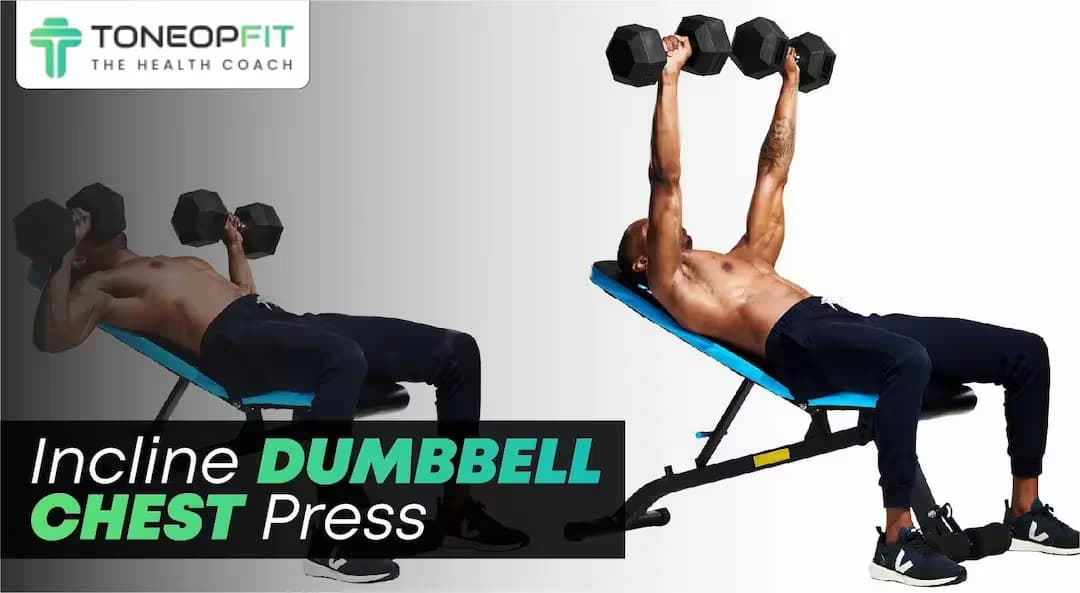
Incline Dumbbell Press
The incline dumbbell press works the upper chest and shoulders. It helps shape the upper part of the chest for a fuller look.
Set a bench at a 30 to 45-degree angle. Hold dumbbells at shoulder level and press them up. Lower slowly and repeat for desired reps.
- Keep your back pressed to the bench
- Do not lock your elbows at the top
- Focus on smooth and controlled movements
Dumbbell Flyes
Dumbbell flyes stretch the chest muscles and improve flexibility. They target the chest from a different angle than pressing.
Lie on a flat bench holding dumbbells above your chest with arms slightly bent. Slowly open your arms wide, then bring them back up.
- Keep a slight bend in the elbows
- Do not lower weights too far down
- Move slowly to feel the chest stretch
Pullover Variations
Pullover exercises target the chest and also involve the back and core muscles. They help expand the chest and improve breathing.
Lie on a bench holding one dumbbell with both hands above your chest. Lower the weight behind your head slowly, then return to start.
- Keep your arms slightly bent
- Do not arch your back too much
- Use light to moderate weight for control
Proper Form And Technique
Building your chest with dumbbells needs the right form. Good technique helps you get better results.
Using dumbbells safely reduces the chance of injury. Focus on control and posture for each move.
Setting Up Correctly
Start by choosing the right bench height. Lie back with feet flat on the floor for balance.
Hold the dumbbells with a firm grip. Keep your wrists straight and arms at chest level.
- Use a flat or slightly inclined bench
- Keep your back pressed against the bench
- Feet stay flat on the ground for support
- Grip dumbbells firmly but not too tight
Controlling The Movement
Move dumbbells slowly and with control. Avoid using momentum to lift the weights.
Lower the dumbbells in a smooth motion. Stop just before your elbows go below the bench level.
- Lift dumbbells by pushing your chest muscles
- Keep elbows at a 45-degree angle from your body
- Lower weights slowly to feel the muscle stretch
- Pause briefly at the top before lowering again
Breathing Tips
Breathe out while pushing the dumbbells up. This helps your muscles work better.
Inhale slowly as you lower the weights. Keep your breathing steady and calm throughout.
- Exhale during the effort phase (lifting)
- Inhale during the easier phase (lowering)
- Do not hold your breath during the exercise
- Keep breathing smooth to maintain focus
Creating An Effective Workout Routine
Building your chest with dumbbells needs a clear workout plan. This plan helps you target muscles and avoid injury.
A good routine balances exercise choice, sets, reps, and growth strategies. These parts work together for best results.
Exercise Selection And Order
Choose dumbbell exercises that hit all chest areas. Start with big moves, then add smaller ones.
Begin with presses like dumbbell bench press to build power. Follow with flyes to stretch chest muscles.
- Dumbbell bench press (flat or incline)
- Dumbbell flyes (flat or incline)
- Dumbbell pullover
- Push-ups with dumbbells
Sets, Reps, And Rest Periods
Use moderate sets and reps for chest growth. Rest enough to recover but keep muscles working.
A good start is 3 to 4 sets per exercise. Use 8 to 12 reps to build muscle size and strength.
- Sets: 3–4 per exercise
- Reps: 8–12 for muscle growth
- Rest: 60–90 seconds between sets
Progressive Overload Strategies
To build chest muscles, increase workout difficulty over time. This forces muscles to adapt and grow.
Try adding weight, doing more reps, or increasing sets gradually. Keep a workout log to track progress.
- Add small weight increases when possible
- Increase reps by 1–2 per set
- Add an extra set after weeks of training
- Shorten rest slightly to boost intensity
Common Mistakes To Avoid
Building chest muscles with dumbbells is effective if done right. Avoid mistakes to get the best results and prevent injury.
Many people try to lift too much or use bad form. These errors slow progress and can cause pain.
Using Excessive Weight
Using weights that are too heavy can harm your muscles and joints. It also reduces your control and form.
Start with lighter dumbbells. Focus on steady movements and muscle feeling.
- Heavy weights cause poor form.
- Risk of muscle strain and injury rises.
- Light weights help maintain control.
- Better muscle engagement with moderate weight.
Neglecting Full Range Of Motion
Not moving your arms fully limits muscle growth. Partial movements do not work the chest completely.
Lower and raise dumbbells fully. This stretches and contracts your chest muscles well.
- Partial motion lowers workout effectiveness.
- Full range activates all chest fibers.
- Better stretch reduces tightness.
- Complete contraction builds strength.
Poor Wrist And Elbow Positioning
Wrong wrist or elbow angles put strain on joints. This can cause pain and injury over time.
Keep wrists straight and elbows at a natural angle. This protects joints and improves force.
- Bent wrists increase injury risk.
- Elbows too wide or tight stress shoulders.
- Correct position improves muscle focus.
- Stable joints allow safer lifting.
Nutrition For Muscle Growth
Building chest muscles with dumbbells needs good nutrition. Eating right helps your muscles grow strong and recover fast.
Focus on food that supports muscle repair and energy. This guide covers key nutrition points for muscle growth.
Protein Intake
Protein is the main building block for muscles. Eat enough protein every day to help your chest muscles grow.
Good protein sources include chicken, fish, eggs, and beans. Aim for about 1.2 to 2 grams of protein per kilogram of body weight.
- Chicken breast
- Fish like salmon or tuna
- Eggs and dairy products
- Beans and lentils
- Protein shakes if needed
Caloric Surplus
You need more calories than you burn to build muscle. This is called a caloric surplus. It gives your body energy to grow muscles.
Eat healthy carbs and fats along with protein. Track your food intake to avoid eating too little or too much.
- Whole grains like brown rice and oats
- Healthy fats from nuts and olive oil
- Fruits and vegetables for vitamins
- Balanced meals spread through the day
Hydration And Recovery
Water is important for muscle growth and recovery. Drink enough water before, during, and after workouts.
Rest and sleep help your muscles repair. Without enough recovery, your muscle growth will slow down.
- Drink at least 8 glasses of water daily
- Rest 48 hours between chest workouts
- Sleep 7 to 9 hours every night
- Use light stretching to reduce soreness
Tracking Progress And Adjustments
Tracking your progress is key to building your chest using dumbbells. It helps you see gains and make changes to your workout plan.
Adjusting your exercises based on progress keeps your muscles challenged. This leads to better strength and muscle growth.
Monitoring Strength Gains
Keep a workout journal to record the weights, sets, and reps you complete. This shows your strength growth over time.
Try to increase the weight or reps slowly each week. This steady progress helps build muscle safely and effectively.
- Write down dumbbell weight used
- Note the number of sets and reps
- Track how you feel during workouts
- Review your notes weekly to spot gains
Adapting Workouts Over Time
Change your routine every 4 to 6 weeks. This prevents your muscles from getting used to the same exercises.
Add new exercises or increase dumbbell weight to keep your chest muscles working hard. Adjust sets and reps if needed.
- Try different dumbbell chest presses
- Include dumbbell fly variations
- Increase weight by small amounts
- Change reps or sets based on goals
Incorporating Rest And Recovery Days
Rest days help your muscles heal and grow stronger. Avoid training your chest every day to prevent injury.
Use recovery days to stretch, hydrate, and eat well. This supports muscle repair and improves workout results.
- Take at least 1-2 rest days each week
- Focus on sleep and nutrition during rest
- Light stretching helps reduce soreness
- Avoid heavy chest exercises on rest days

Credit: powerliftingtechnique.com
Frequently Asked Questions
What Are The Best Dumbbell Exercises For Chest Growth?
The best dumbbell exercises for chest growth include dumbbell bench press, dumbbell flyes, and dumbbell pullover. These target the pectoral muscles effectively. Consistent training with proper form boosts muscle size and strength.
How Often Should I Train Chest With Dumbbells?
Training chest with dumbbells 2-3 times per week is ideal. Allow 48 hours for muscle recovery between sessions. Consistency and adequate rest promote optimal muscle growth and prevent injury.
Can Dumbbells Replace Barbell For Chest Workouts?
Yes, dumbbells can replace barbells for chest workouts. They offer greater range of motion and engage stabilizer muscles. Dumbbells also reduce muscle imbalances and improve joint safety.
What Weight Dumbbells Should Beginners Use For Chest Exercises?
Beginners should start with light to moderate dumbbells, around 5-15 pounds. This helps maintain proper form and prevents injury. Gradually increase weight as strength and confidence improve.
Conclusion
Building your chest with dumbbells takes focus and regular effort. Use the right exercises and maintain good form. Start with lighter weights and increase gradually. Rest well between sessions to help muscles grow. Track your progress to stay motivated and adjust your routine.
Stay consistent and patient; results come with time. Enjoy the process and keep challenging yourself. Your chest will get stronger and more defined with each workout. Simple steps lead to great results. Keep pushing forward!


