
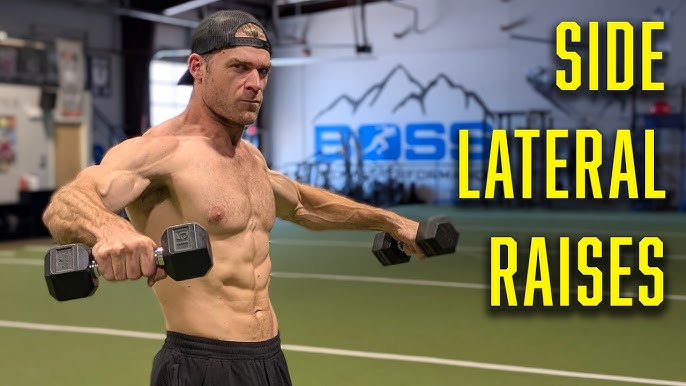
If you want strong, well-defined shoulders, mastering lateral raises with dumbbells is a must. This simple exercise targets the side delts, giving your shoulders that wide, sculpted look.
But doing it wrong can waste your effort or even cause injury. In this guide, you’ll learn exactly how to do lateral raises with dumbbells step-by-step, so you get the best results safely and efficiently. Ready to transform your shoulder workouts and see real progress?
Keep reading—you’re just a few moves away from stronger, more impressive shoulders.

Credit: www.themanual.com
Benefits Of Lateral Raises
Lateral raises with dumbbells help strengthen your shoulders. They are simple exercises with big benefits.
This exercise is perfect for anyone wanting to improve shoulder strength and stability. It also enhances overall upper body strength.
Targeted Shoulder Muscles
Lateral raises target specific muscles in the shoulder. The main muscles worked are the deltoids.
- Deltoids help you lift your arms sideways
- They give your shoulders a rounded look
- Strong deltoids improve shoulder movement
Improved Shoulder Stability
Strong shoulders are key for stability. This exercise strengthens muscles that support shoulder joints.
When shoulder muscles are strong, they protect your joints from injuries. Stability helps in everyday tasks and sports.
Enhanced Upper Body Strength
Lateral raises boost upper body strength. This makes it easier to do other exercises and daily activities.
- Improved strength aids in lifting objects
- Stronger shoulders support better posture
- Good upper body strength benefits overall fitness

Credit: www.origym.co.uk
Choosing The Right Dumbbells
Picking the right dumbbells is important for doing lateral raises safely. The right weight and grip help you exercise well.
Using dumbbells that fit your strength and comfort keeps your shoulders safe. It makes your workout better and more effective.
Weight Selection Tips
Choose dumbbells that let you lift with good form. Start with light weights to avoid injury.
Pick a weight that feels challenging but not too hard. You should do 8 to 12 slow lifts without pain.
- Begin with 2 to 5 pounds if you are a beginner
- Increase weight gradually as you get stronger
- Stop if you feel sharp shoulder pain
- Use weights that let you control the movement well
Material And Grip Considerations
Look for dumbbells with a good grip to avoid slipping. A firm grip helps you lift safely and comfortably.
Dumbbells come in different materials like rubber, metal, and neoprene. Choose one that feels good in your hand and fits your space.
- Rubber-coated dumbbells reduce noise and protect floors
- Metal dumbbells are durable but can be slippery
- Neoprene dumbbells offer a soft, non-slip grip
- Check handle size to fit your hand well
Preparing For The Exercise
Getting ready before doing lateral raises with dumbbells is important. It helps you avoid injuries and get better results.
Proper preparation improves your form and makes the exercise more effective.
Warm-up Exercises
Start with light warm-up exercises to get your muscles ready. This increases blood flow and reduces stiffness.
Focus on your shoulders, arms, and upper back with simple movements.
- Arm circles: Move your arms in small circles forward and backward for 30 seconds.
- Shoulder shrugs: Lift your shoulders up to your ears and lower them slowly.
- Light dumbbell lifts: Use very light weights and lift your arms to the side slowly.
- Neck stretches: Gently tilt your head side to side to relax neck muscles.
Proper Stance And Posture
Stand with your feet shoulder-width apart for balance. Keep your knees slightly bent to reduce stress on joints.
Hold the dumbbells at your sides with a firm grip. Keep your back straight and chest lifted to protect your spine.
- Feet: Shoulder-width apart, flat on the floor
- Knees: Slightly bent, not locked
- Back: Straight, avoid leaning forward or backward
- Head: Look forward, keep neck neutral
- Arms: Hold dumbbells firmly with palms facing your body
Step-by-step Form Guide
Lateral raises with dumbbells help build shoulder strength. Doing them right lowers injury risk.
This guide shows clear steps to keep good form and get the best results.
Starting Position
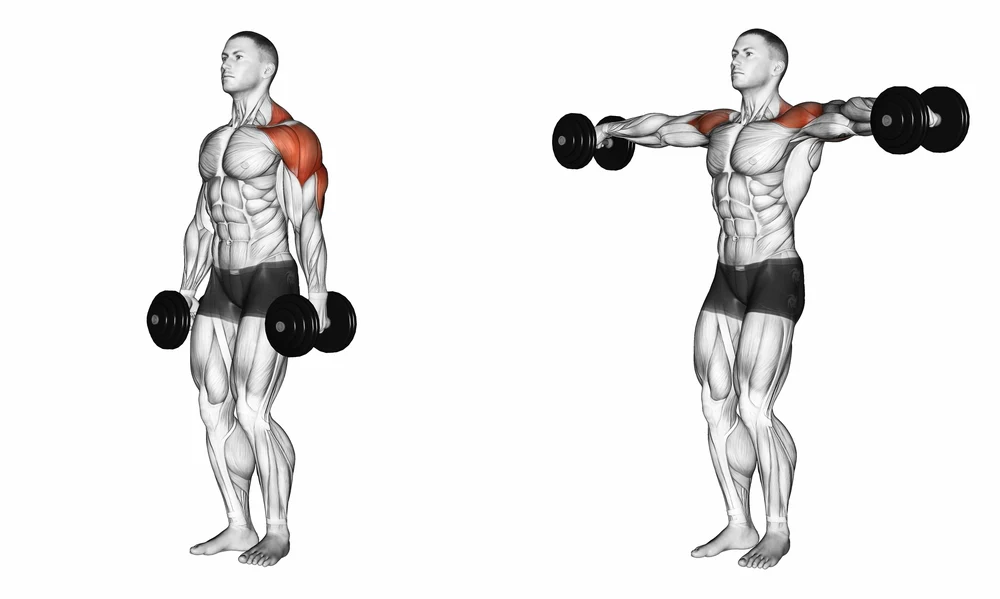
Stand up straight with a dumbbell in each hand. Keep your feet shoulder-width apart.
Let your arms hang by your sides with palms facing your body. Keep a slight bend in your elbows.
- Feet shoulder-width apart
- Hold dumbbells by your sides
- Palms facing inward
- Elbows slightly bent
- Stand tall with chest up
Lifting Technique
Raise your arms out to the sides until they reach shoulder height. Keep your elbows slightly bent.
Pause briefly at the top. Do not shrug your shoulders or swing your body for momentum.
- Lift arms sideways slowly
- Stop when arms reach shoulder level
- Keep elbows bent and fixed
- Do not lift shoulders
- Keep body still, avoid swinging
Controlling The Descent
Lower the dumbbells back down slowly to the starting position. Control the movement all the way down.
Do not drop the weights or rush. This helps keep muscle tension and protects your joints.
- Lower arms slowly
- Keep elbows slightly bent
- Return to starting position
- Maintain control, no dropping
- Breathe steadily throughout
Common Mistakes To Avoid
Lateral raises with dumbbells are great for shoulder strength. Many people make simple mistakes that reduce their workout results.
Fixing these errors helps you get better results and avoid injury. Learn the common mistakes to watch for.
Using Momentum
Using momentum means swinging the dumbbells instead of lifting them slowly. This takes tension off your shoulder muscles.
When you use momentum, your muscles do less work. It also increases risk of injury because your form breaks down.
- Lift weights slowly and with control
- Keep your movements smooth, no jerking
- Pause briefly at the top for muscle tension
Raising Dumbbells Too High
Raising the dumbbells above shoulder height puts extra stress on your shoulder joints. This can cause pain or injury.
Lift the dumbbells only up to shoulder level. This keeps the focus on your shoulder muscles safely.
- Stop when your arms are parallel to the floor
- Avoid shrugging your shoulders while lifting
- Keep your chest lifted and back straight
Incorrect Wrist Position
Bending your wrists during lateral raises can cause strain and reduce muscle engagement. Your wrists should stay neutral.
Keep your wrists straight and in line with your forearms. This helps you lift safely and improves muscle activation.
- Hold dumbbells firmly without gripping too tight
- Keep wrists straight, not bent forward or backward
- Focus on lifting with your shoulders, not your wrists
Variations To Boost Effectiveness
Lateral raises with dumbbells build shoulder strength and shape. Trying different versions helps target muscles better.
Changing how you do the exercise can make your workouts more effective and reduce injury risk.
Seated Lateral Raises
Sitting while doing lateral raises stops your body from swinging. This keeps the focus on your shoulder muscles.
Use a bench or chair with back support. Hold dumbbells by your sides and lift them to the side slowly.
- Keep your back straight and feet flat on the floor
- Lift the dumbbells until your arms are parallel to the floor
- Pause briefly at the top and lower slowly
- Use lighter weights to maintain good form
Incline Lateral Raises
Incline lateral raises work the rear part of your shoulders more. Use an incline bench set at about 45 degrees.
Lie on your chest on the bench. Hold dumbbells below your shoulders and raise them out to the sides.
- Keep arms slightly bent during the lift
- Lift until your arms are level with your shoulders
- Lower dumbbells slowly to avoid momentum
- This variation helps balance shoulder muscle development
Resistance Band Lateral Raises
Using resistance bands changes the tension through the movement. Bands provide steady resistance and challenge muscles differently.
Stand on the middle of the band and hold the ends. Raise your arms to the side like with dumbbells.
- Keep a firm grip on the band handles
- Move slowly to feel the resistance
- Adjust band length to change difficulty
- Good for joint-friendly training and variety
Incorporating Lateral Raises In Workouts
Lateral raises are great for building shoulder strength and size. They target the side deltoid muscles to give your shoulders a wider look.
Adding lateral raises to your workout helps balance your shoulder development. This makes your arms look strong and well-shaped.
Frequency And Sets
Do lateral raises two to three times a week. This gives your muscles enough time to recover and grow.
Start with two to three sets of 10 to 15 reps. Use light to moderate weights to keep good form and avoid injury.
- Perform 2–3 sessions per week
- Complete 2–3 sets each session
- Do 10–15 repetitions per set
- Rest 30–60 seconds between sets
Combining With Other Shoulder Exercises
Pair lateral raises with other shoulder moves for full muscle growth. This includes presses and front raises.
Mixing exercises helps target all parts of your shoulder. It also improves overall strength and shape.
- Overhead dumbbell press for overall shoulder strength
- Front raises to work the front deltoids
- Reverse flys to target the rear deltoids
- Face pulls for shoulder stability and posture
Safety Tips And Injury Prevention
Lateral raises with dumbbells are great for shoulder strength. Doing them safely helps avoid injuries. Follow simple safety tips to protect your shoulders.
Injuries can happen if you use poor form or lift too much weight. Pay attention to your body to prevent pain and damage.
Avoiding Shoulder Strain
Shoulder strain happens from overusing or moving the shoulder wrong. Use light weights to keep control. Do not lift too high or too fast.
Keep your shoulders down and back. Avoid shrugging while lifting. This reduces stress on the shoulder muscles and joints.
- Start with light dumbbells
- Lift arms only to shoulder height
- Keep movements slow and steady
- Do not lock your elbows
- Stop if you feel pain
Listening To Your Body
Your body gives signals when something is wrong. Pay attention to pain, discomfort, or tightness. Do not ignore these signs.
Rest if your shoulders feel sore or tired. Take breaks between sets and do gentle stretches. This helps your muscles recover and stay healthy.
- Stop if you feel sharp pain
- Take breaks during your workout
- Stretch your shoulders gently
- Use lighter weights if needed
- Consult a professional if pain continues
Credit: www.trainwithkiwi.com
Frequently Asked Questions
How Do You Perform Lateral Raises With Dumbbells?
Hold dumbbells by your sides, palms facing inward. Lift arms sideways to shoulder height. Keep a slight bend in elbows. Lower slowly and repeat. This targets shoulder muscles effectively and improves strength and definition.
What Muscles Do Lateral Raises Target?
Lateral raises primarily work the deltoid muscles, especially the middle head. They also engage the trapezius and supraspinatus. This exercise enhances shoulder width and improves overall upper body strength.
How Much Weight Should I Use For Lateral Raises?
Start with light dumbbells to maintain proper form. Typically, 5-15 pounds is suitable for beginners. Gradually increase weight as strength improves. Avoid using heavy weights that compromise technique and increase injury risk.
Can Lateral Raises Help Improve Shoulder Mobility?
Yes, lateral raises improve shoulder joint mobility by strengthening stabilizing muscles. They enhance flexibility and range of motion. Regular practice can reduce stiffness and prevent shoulder injuries.
Conclusion
Dumbbell lateral raises help build strong shoulder muscles. Start with light weights to avoid injury. Keep your movements slow and steady for best results. Focus on proper form to target the right muscles. Practice regularly to see progress over time.
Small steps lead to better strength and shape. Enjoy the process and stay consistent with your workouts. Your shoulders will thank you for the effort.


