
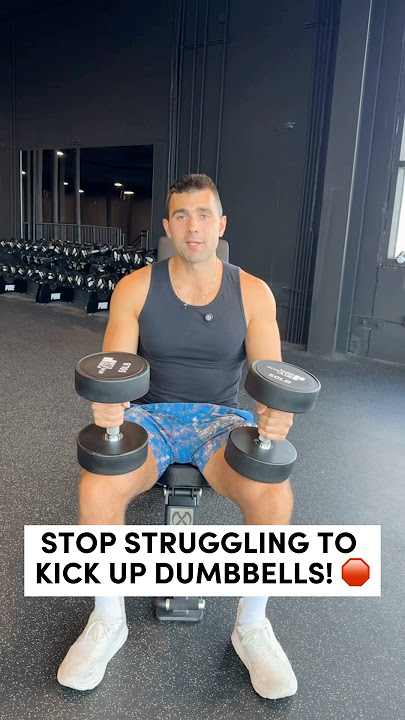
Are you ready to get the most out of your dumbbell workouts without risking injury? How you lift a dumbbell matters more than you might think.
Using the wrong form can slow your progress and even cause pain. But when you lift properly, every rep counts, making your muscles stronger and your body healthier. You’ll discover simple, clear steps to lift dumbbells the right way. By the end, you’ll feel confident, see better results, and protect your body for the long run.
Keep reading to learn how to make every lift work for you.
Credit: news.yahoo.com
Benefits Of Proper Dumbbell Lifting
Lifting dumbbells correctly helps you gain strength safely. It also boosts your workout efficiency. Proper form is key to maximizing benefits.
Using dumbbells with the right technique improves muscle growth. It also prevents injuries, making workouts more effective and enjoyable.
Muscle Growth And Strength
Proper dumbbell lifting builds muscles effectively. It helps target specific muscle groups. Using the correct form increases strength over time.
When you lift correctly, muscles grow faster. It also ensures balanced muscle development.
Injury Prevention
Correct lifting reduces the risk of injuries. It protects joints and muscles from strain. Maintaining good posture while lifting is crucial.
Proper technique helps avoid back and shoulder injuries. It ensures safer workouts.
Improved Workout Efficiency
Using the right form makes workouts more effective. It helps in achieving fitness goals faster. Proper lifting saves time and energy.
Efficiency increases when exercises are done correctly. It leads to better results in less time.
- Focus on form, not weight
- Warm up before lifting
- Rest between sets for recovery
Choosing The Right Dumbbell
Picking the right dumbbell helps you lift safely and improve your strength. It is important to choose one that fits your needs and goals.
Different dumbbells offer different benefits. Knowing the options will help you find the best fit.
Weight Selection Tips
Start with a weight that feels comfortable but challenging. You should be able to lift it with good form.
Choose a weight that allows 8 to 12 repetitions per set. Stop if you cannot keep your form.
- Test different weights before buying
- Use lighter weights for warm-ups
- Increase weight gradually as you get stronger
Types Of Dumbbells
There are several dumbbell types. Each type suits different workouts and spaces.
- Rubber-coated dumbbells are quiet and protect floors
- Neoprene dumbbells have a soft grip, good for light exercises
- Metal dumbbells last long and are easy to clean
- Hex dumbbells do not roll, making them safer
Adjustable Vs Fixed
Fixed dumbbells have one set weight. Adjustable dumbbells let you change the weight.
Adjustable dumbbells save space. Fixed dumbbells are quick to use and more durable.
| Feature | Adjustable Dumbbells | Fixed Dumbbells |
|---|---|---|
| Space | Take less space | Require more space |
| Weight Change | Easy to change weight | Weight is fixed |
| Durability | More moving parts, less durable | Strong and long-lasting |
| Cost | Usually more expensive | Often cheaper per dumbbell |
Basic Dumbbell Lifting Techniques
Lifting dumbbells properly helps you avoid injuries. It also makes your workouts more effective.
Learn the right grip, body posture, and breathing for safe dumbbell exercises.
Grip And Hand Position
Hold the dumbbell firmly but not too tight. Your wrist should stay straight to avoid strain.
Place your thumb around the handle for a secure grip. Keep your fingers wrapped evenly.
- Use a full grip with thumb wrapped around the handle
- Keep wrist straight and aligned with forearm
- Avoid gripping too tightly to prevent muscle tension
Body Posture
Stand or sit with your back straight and shoulders relaxed. This protects your spine.
Keep your feet shoulder-width apart for good balance. Engage your core muscles during the lift.
- Maintain a straight back without arching
- Keep shoulders down and back
- Feet shoulder-width apart for stability
- Engage core muscles to support your body
Breathing Patterns
Breathe in before you lift the dumbbell. Exhale slowly as you lift or push the weight.
Proper breathing helps keep your body stable and reduces fatigue during exercises.
- Inhale before starting the lift
- Exhale while lifting or pushing the dumbbell
- Keep breathing steady and controlled

Credit: powerblock.com
Common Dumbbell Exercises And Form
Dumbbells are simple tools that help build strength. Using the right form keeps you safe and effective.
This guide covers popular dumbbell exercises and how to do each with correct form.
Bicep Curls
Hold a dumbbell in each hand with palms facing forward. Keep your elbows close to your body.
Slowly curl the dumbbells up to your shoulders. Lower them back down with control.
- Stand straight with feet shoulder-width apart
- Keep wrists straight and avoid swinging
- Focus on using your biceps, not your back
Shoulder Press
Hold dumbbells at shoulder height with palms facing forward. Keep your back straight and core tight.
Press the weights upward until your arms are fully extended. Lower them slowly back to the start.
- Do not arch your back during the press
- Keep movements smooth and controlled
- Engage your core to maintain balance
Dumbbell Rows
Bend at the hips with a flat back. Hold dumbbells with arms extended toward the floor.
Pull the dumbbells toward your waist. Squeeze your shoulder blades together. Lower the weights slowly.
- Keep your neck aligned with your spine
- Avoid rounding your shoulders
- Use your back muscles to lift, not your arms
Chest Press
Lie on a bench or the floor with dumbbells in hand. Hold them near your chest with elbows bent.
Press the dumbbells upward until your arms are straight. Lower them carefully back to chest level.
- Keep feet flat on the floor
- Maintain a neutral spine position
- Do not lock your elbows at the top
Lunges With Dumbbells
Hold a dumbbell in each hand at your sides. Step forward with one leg and lower your body.
Keep your front knee over your ankle and back knee close to the floor. Push back up to standing.
- Keep your torso upright
- Do not let your front knee go past your toes
- Use controlled movements to avoid injury
Avoiding Common Mistakes
Proper form is key when lifting dumbbells. Many people make simple mistakes that cause injury.
Knowing what to avoid helps you lift safely and get better results.
Overarching The Back
Arching your back too much puts strain on your spine. This can cause pain or injury.
Keep your back straight and core tight. This supports your body during the lift.
- Stand with feet shoulder-width apart
- Engage your core muscles
- Keep your spine neutral, not curved
- Lift with control, not speed
Using Momentum
Swinging the dumbbell or using body motion reduces muscle work. This lowers workout benefits.
Lift slowly and with steady force. This targets the muscles better and prevents injury.
- Start each lift from a still position
- Move the weight smoothly
- Avoid jerking or swinging
- Focus on muscle contraction
Incorrect Wrist Alignment
Bending your wrists during lifts can cause strain or injury. Wrist alignment is important.
Keep wrists straight and firm. This helps transfer force safely through your arms.
- Hold the dumbbell with a firm grip
- Keep wrists in line with forearms
- Avoid bending wrists up or down
- Adjust weight if wrists feel weak

Credit: powerliftingtechnique.com
Progressing Safely
Properly lifting a dumbbell means increasing your strength without injury. Progressing safely helps your muscles grow and avoid strain.
Follow simple rules to add weight and track progress. Rest days are important for recovery and better results.
Increasing Weight Gradually
Start with a light weight you can lift easily. Add small amounts of weight over time to build strength.
Increase weight only when you can do your sets with good form. Avoid lifting too heavy too fast.
- Add 2.5 to 5 pounds at a time
- Lift the heavier dumbbell for all reps
- Keep your movements slow and controlled
Tracking Your Progress
Write down your weights, sets, and reps. Tracking helps you see improvements over time.
Use a notebook or a phone app to record your workouts. Check your progress every week.
- Note the weight used for each exercise
- Record the number of sets and reps completed
- Track how you feel during workouts
Incorporating Rest Days
Rest days let your muscles recover and grow stronger. Avoid lifting every day to prevent injury.
Plan at least one or two rest days each week. Use these days to stretch or do light activities.
- Rest helps reduce muscle soreness
- Prevents overtraining and fatigue
- Improves overall workout performance
Tips For Maximizing Gains
Properly lifting a dumbbell helps you build muscle and avoid injury. Using good form and smart habits boosts your results.
Follow these tips to get the most from your dumbbell workouts. Small changes can lead to big gains.
Consistency And Routine
Working out regularly is key to making progress. Set a schedule and stick to it to see steady improvement.
Keep your routine balanced by targeting different muscle groups each session. This prevents burnout and injury.
- Train 3-4 times per week
- Alternate muscle groups daily
- Track your progress
- Rest between workouts
Proper Nutrition
Eating the right foods supports muscle growth and recovery. Focus on a balanced diet with enough protein.
Drink water to stay hydrated and help your muscles work well during lifts.
- Include lean protein like chicken or beans
- Eat fruits and vegetables for vitamins
- Choose whole grains for energy
- Stay hydrated with water
Supplementing With Other Exercises
Add other exercises to help your dumbbell lifts. Cardio and stretching improve endurance and flexibility.
Bodyweight moves like push-ups and squats build strength that supports dumbbell work.
- Include cardio sessions 2 times per week
- Stretch before and after workouts
- Use bodyweight exercises for overall strength
- Try different workout styles for variety
Frequently Asked Questions
How Do I Hold A Dumbbell Correctly?
Hold the dumbbell with a firm grip, wrapping your fingers around the handle. Keep your wrist straight and aligned. Avoid gripping too tight to reduce strain. This ensures control and prevents injury during lifting.
What Is The Best Posture To Lift Dumbbells?
Stand with feet shoulder-width apart and knees slightly bent. Keep your back straight and core engaged. Avoid rounding your shoulders. Proper posture supports muscle engagement and reduces the risk of injury.
How Many Reps Should Beginners Do With Dumbbells?
Beginners should start with 8-12 repetitions per set. Aim for 2-3 sets with light weights. Focus on form over weight to build strength safely. Gradually increase reps or weight as you progress.
Can Lifting Dumbbells Improve Muscle Tone?
Yes, lifting dumbbells helps build muscle strength and tone. Resistance training stimulates muscle fibers, improving definition. Consistent workouts combined with proper nutrition enhance muscle appearance effectively.
Conclusion
Proper dumbbell lifting protects your body and builds strength. Start with light weights to learn correct form. Keep your movements slow and steady to avoid injury. Focus on your breathing and muscle control during each lift. Consistent practice helps improve your technique over time.
Always listen to your body and rest when needed. Safe lifting leads to better results and fewer problems. Stay patient and keep practicing to see progress.


