
Choosing the right dumbbell size can make or break your workout. If the weights are too heavy, you risk injury or frustration.
Too light, and you won’t see the results you want. So, how do you find the perfect starting point for your strength level? You’ll discover simple, practical tips to pick dumbbells that match your goals and abilities. By the end, you’ll feel confident grabbing the right weights and taking your fitness to the next level.
Keep reading to find out exactly what size dumbbells to start with.

Credit: www.fitkituk.com
Choosing Dumbbell Weight
Starting with the right dumbbell weight is important. It helps prevent injury and supports your fitness goals.
When you choose dumbbells, consider your current strength and fitness level. This guide will help you pick the right weight.
Factors To Consider
There are several factors to consider when choosing dumbbell weight. Each factor can affect your workout results.
- Fitness Level: Beginners need lighter weights.
- Exercise Type: Different exercises need different weights.
- Strength Goals: Choose weights that challenge your muscles.
- Injury History: Avoid weights that cause pain.
Common Weight Ranges
Common weight ranges help guide your choice. They vary for different fitness levels and exercises.
| Fitness Level | Weight Range |
| Beginner | 2-5 lbs (1-2 kg) |
| Intermediate | 5-15 lbs (2-7 kg) |
| Advanced | 15-30 lbs (7-14 kg) |
These ranges offer a starting point. Adjust the weight as you get stronger.
Assessing Your Strength
Choosing the right dumbbell size is important for safe and effective workouts. You need to know your current strength level before buying weights.
Assessing your strength helps you avoid injury and makes your training more efficient. Start with simple tests to find your suitable dumbbell weight.
Bodyweight Exercises As A Benchmark
Bodyweight exercises show your natural strength without extra weights. They are a good way to see how much resistance you can handle.
Try exercises like push-ups, squats, and planks. If you can do many reps easily, you may need heavier dumbbells. If you struggle, start lighter.
- Push-ups test upper body strength
- Squats measure lower body power
- Planks check core stability
Testing With Light Weights
Begin by lifting light dumbbells to see how your muscles react. This helps you avoid using weights that are too heavy.
Lift the dumbbells for 10 to 15 reps. If you feel tired but can keep good form, the weight is right. If it feels too easy or too hard, adjust the weight.
- Choose dumbbells you can lift 10-15 times
- Keep your movements slow and controlled
- Stop if you feel pain or lose form
Types Of Exercises And Weight Selection
Choosing the right dumbbell size is important for safe and effective workouts. The right weight helps you build strength without risking injury.
Different exercises need different dumbbell weights. This guide explains which weights to start with for common workouts.
Upper Body Workouts
Upper body exercises include bicep curls, shoulder presses, and tricep extensions. These moves use smaller muscles that tire quickly.
Start with light dumbbells to learn the correct form. For beginners, 5 to 15 pounds is a good range to begin.
- 5 to 10 pounds for women starting out
- 10 to 15 pounds for men starting out
- Increase weight once 12-15 reps feel easy
Lower Body Workouts
Lower body exercises like lunges and squats use larger muscles. These muscles can handle heavier weights.
Begin with dumbbells that feel challenging but allow good form. Women may start with 8 to 20 pounds, men with 15 to 30 pounds.
- 8 to 15 pounds for beginners focusing on legs
- 15 to 30 pounds for those with some experience
- Adjust weight to complete 10-12 reps with control
Full Body Routines
Full body exercises combine upper and lower body moves. They need weights that balance strength and endurance.
Choose moderate weights to maintain good form through the routine. Start with 8 to 20 pounds for most full body workouts.
- 8 to 12 pounds for beginners doing full body
- 12 to 20 pounds for those with basic experience
- Pick a weight that allows 10-15 reps per exercise
Progressing With Dumbbells
Choosing the right dumbbell weight is key to building strength safely. Start with weights you can lift comfortably.
Progressing means increasing the weight as your muscles get stronger. This helps you keep improving.
When To Increase Weight
You should increase your dumbbell weight when your current weight feels easy. This means your muscles need more challenge.
Try adding small increments to avoid injury. Increasing weight too fast can cause strain.
- You complete all reps easily
- You feel little muscle fatigue
- Your form stays perfect throughout
Signs Of Proper Challenge
The right dumbbell weight makes your muscles work hard but not hurt. You should feel tired by the last reps.
If you can’t finish your sets, the weight may be too heavy. If it feels too easy, try a heavier weight next time.
- Muscle fatigue near the end of the set
- Good control and form during exercises
- No sharp or lasting pain
Adjustable Vs Fixed Dumbbells
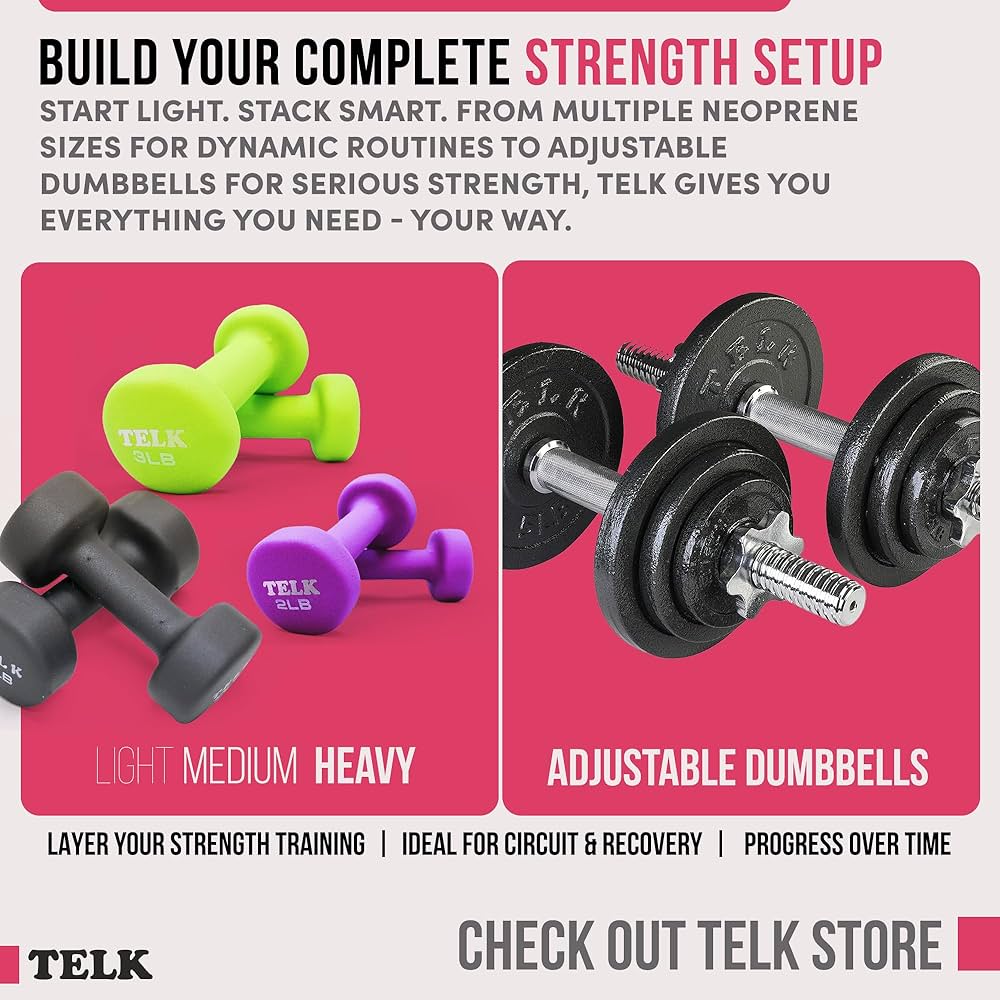
Choosing the right size dumbbells is important for your workouts. You can pick adjustable or fixed dumbbells. Each type has its own benefits and suits different needs.
Adjustable dumbbells let you change the weight. Fixed dumbbells have a set weight and do not change. Let’s look at the advantages of each type.
Advantages Of Adjustable Sets
Adjustable dumbbells save space. You can switch weights quickly. This means you need fewer dumbbells for many exercises.
These sets are usually cost-effective over time. You buy one set that covers many weight levels. This helps if you want to increase weight as you get stronger.
- Saves space in your workout area
- Allows gradual weight increase
- More cost-effective for many weights
- Good for varied workout routines
Benefits Of Fixed Weights
Fixed dumbbells are simple and easy to use. You do not need to adjust anything between exercises. This makes your workout faster and smoother.
They are very durable and last a long time. Fixed dumbbells often have a better grip and balance. This can make your exercises safer and more comfortable.
- Easy and quick to use
- Durable and long-lasting
- Better grip and balance
- Ideal for fast workouts

Credit: originfitness.com
Budget And Space Considerations
Choosing the right dumbbell size depends on your budget and available space. Small spaces need compact options.
It is important to find dumbbells that fit your budget while meeting your workout needs.
Cost-effective Options
Adjustable dumbbells save money by combining many weights in one set. They take less space too.
Buying a few pairs of fixed-weight dumbbells can be cheaper if you focus on weights you use most.
- Adjustable dumbbells offer many weight choices
- Fixed dumbbells are simple and often cheaper
- Look for second-hand dumbbells to save money
Storage Tips
Keep dumbbells organized with racks or shelves. This saves floor space and prevents accidents.
Use vertical storage to keep dumbbells in a small area. Stackable sets also help reduce clutter.
- Use wall-mounted racks for small rooms
- Store dumbbells under furniture if possible
- Choose compact designs for easy storage
Safety Tips For Beginners
Starting with dumbbells can help build strength and improve fitness. Choosing the right size is key to stay safe and avoid injury.
Begin with lighter weights to learn the moves. Focus on control and form before increasing weight.
Proper Form And Technique
Good form keeps your body safe and makes your workout effective. Always move slowly and control the dumbbells.
Keep your back straight and avoid locking your joints. Use smooth motions to reduce stress on your muscles.
- Start with light weights to practice form
- Use a full range of motion
- Keep your core engaged
- Breathe evenly during exercises
Avoiding Common Injuries
Injuries happen when you lift too much or use poor form. Take breaks and listen to your body.
Warm up before lifting and stretch after your workout. Stop if you feel sharp pain or discomfort.
- Choose dumbbells that feel manageable
- Do not rush your sets or reps
- Rest between sessions to recover
- Keep your wrists and shoulders relaxed

Credit: www.amazon.ca
Frequently Asked Questions
What Dumbbell Weight Is Best For Beginners?
Starting with 5 to 10 pounds is ideal for beginners. This range helps build strength safely and prevents injury. Adjust weight based on your fitness level and exercise type. Gradually increase weight as you gain confidence and muscle.
How To Choose Dumbbell Size For Muscle Building?
Choose weights that challenge you within 8-12 reps per set. Use heavier dumbbells for larger muscles like legs and back. Lighter weights work well for smaller muscles and higher reps. Proper weight selection boosts muscle growth and endurance.
Can I Start Strength Training With Light Dumbbells?
Yes, light dumbbells are perfect for beginners to learn form. They reduce injury risk while improving muscle control. Start with lighter weights and increase gradually as strength improves. Consistency is key for effective strength training.
How Do I Know If Dumbbells Are Too Heavy?
If you can’t complete 8-12 reps with good form, dumbbells are too heavy. Struggling or poor technique signals you need lighter weights. Choose weights that challenge without compromising safety. Proper weight helps maximize workout benefits.
Conclusion
Choosing the right dumbbell size helps you build strength safely. Start with weights you can lift comfortably for 8 to 12 reps. Avoid weights that feel too heavy or too light. Gradually increase the weight as you get stronger. Consistency matters more than heavy lifting at first.
Enjoy your workouts and listen to your body’s signals. This approach keeps you motivated and reduces injury risk. Simple steps lead to steady progress. Keep moving forward, one dumbbell at a time.


