

If you want stronger, more defined calves, learning how to do calf raises with dumbbells is a simple and effective way to get there. This exercise targets your lower legs, helping you build muscle and improve balance.
Whether you’re new to working out or looking to step up your routine, mastering this move can make a big difference. Keep reading, and you’ll discover easy steps to perform calf raises correctly, avoid common mistakes, and maximize your results every time you train.
Your calves will thank you!
Benefits Of Calf Raises
Calf raises are simple exercises you can do with dumbbells. They help strengthen your lower legs. Regular practice brings many benefits to your body.
Let’s explore how calf raises can improve your health and fitness. We will look at three key benefits: improving lower leg strength, enhancing athletic performance, and boosting ankle stability.
Improving Lower Leg Strength
Calf raises build strong muscles in your lower legs. This strength supports your body during daily activities. It also helps you perform better in sports and exercise routines.
Stronger calves mean less fatigue when walking or running. You will have more energy and endurance throughout the day.
Enhancing Athletic Performance
For athletes, calf raises are important. They enhance your ability to jump higher and run faster. Increased calf strength can improve your overall athletic performance.
Whether you play soccer, basketball, or run track, stronger calves can give you an edge over your competition.
Boosting Ankle Stability
Calf raises help strengthen the muscles around your ankles. This added stability can prevent injuries, such as sprains or twists, when you move quickly or change directions.
Ankle stability is crucial for everyone, especially those involved in sports or physical activities. It ensures that your ankles support your movements safely.
- Stronger calves reduce injury risk
- Improved balance and coordination
- Better support for your ankles
Credit: powerliftingtechnique.com
Choosing The Right Dumbbells
Picking the right dumbbells is important for calf raises. The right weight helps you do the exercise safely and well.
Comfort and control matter. The dumbbells should fit your strength and feel good in your hands.
Weight Selection Tips
Start with light dumbbells to learn the movement. This lowers the chance of injury and builds confidence.
Choose a weight that lets you do 10 to 15 reps without too much strain. You want some challenge but not pain.
- Begin with 5 to 10 pounds if you are new
- Increase weight slowly as you get stronger
- Use weights that let you keep good form
- Stop if the weight feels too heavy or causes pain
Grip And Comfort Considerations
Pick dumbbells with handles that feel good in your hands. A firm grip helps you stay safe during calf raises.
Look for dumbbells with smooth but non-slip grips. This helps prevent them from slipping while you lift.
- Check handle thickness for comfort
- Choose rubber-coated dumbbells for better grip
- Test the weight to see if it feels balanced
- Make sure the dumbbells do not cause hand pain
Proper Form For Calf Raises
Calf raises with dumbbells help strengthen your lower legs. Using correct form prevents injury and improves results.
Focus on balance, control, and steady movement to get the most from this exercise.
Starting Position Setup
Stand straight with feet hip-width apart. Hold a dumbbell in each hand at your sides.
Keep your shoulders back and your core tight. Look forward to maintain balance.
- Feet flat on the ground
- Dumbbells held firmly at sides
- Back straight and chest up
- Eyes looking forward
Movement Execution
Slowly lift your heels off the ground. Rise as high as you can on your toes.
Hold the top position briefly. Then lower your heels back down with control.
- Push through the balls of your feet
- Aim for full range of motion
- Do not bounce or use momentum
- Keep knees slightly bent, not locked
Breathing Techniques
Inhale before you lift your heels. Exhale slowly as you rise onto your toes.
Keep breathing steady and controlled throughout the movement. Avoid holding your breath.
- Inhale on the way down
- Exhale as you push up
- Breathe deeply and evenly
- Do not hold your breath
Step-by-step Calf Raise Routine
Calf raises with dumbbells help build strong calf muscles. They improve balance and ankle strength.
Follow these clear steps to do calf raises safely and effectively. Use dumbbells to add resistance.
Basic Dumbbell Calf Raises
Hold a dumbbell in each hand by your sides. Stand with feet hip-width apart on a flat surface.
Slowly lift your heels off the ground. Rise as high as you can on your toes. Pause for a moment.
Lower your heels back down with control. Keep your core tight and avoid leaning forward.
- Hold dumbbells securely at your sides
- Stand tall with straight back
- Lift heels slowly and steadily
- Pause briefly at the top
- Lower heels back down fully
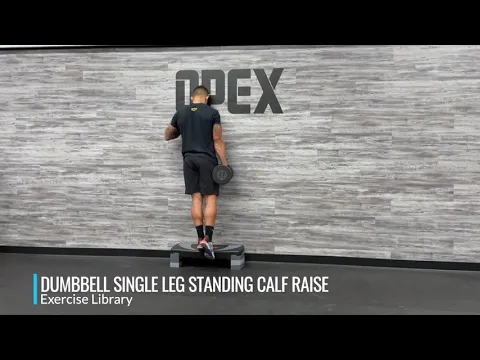
Single-leg Variations
Hold one dumbbell in the hand on the same side as the working leg. Stand on one foot.
Lift your heel on the standing leg as high as possible. Keep your balance steady and controlled.
- Use a wall or chair for balance if needed
- Keep the non-working leg bent or raised slightly
- Perform equal reps on both legs
- Focus on slow, smooth movements
Seated Calf Raises With Dumbbells
Sit on a bench or chair with dumbbells resting on your knees. Keep your feet flat on the floor.
Push through the balls of your feet to raise your heels. Pause at the top, then lower your heels down.
- Hold dumbbells gently on thighs
- Keep your back straight while seated
- Lift heels evenly on both feet
- Do controlled raises without bouncing
Common Mistakes To Avoid
Calf raises with dumbbells build strong calf muscles. Doing them right helps prevent injury.
Many people make mistakes that reduce the exercise’s effectiveness. Avoid these to get better results.
Using Too Much Weight
Using heavy dumbbells can strain your calves and ankles. It may cause poor form and injury.
Start with lighter weights to control your movements. Increase weight slowly as you get stronger.
- Heavy weights cause body sway and loss of balance
- They force you to use momentum instead of muscle strength
- Overloading may lead to joint pain or muscle tears
Poor Range Of Motion
Not lowering your heels fully limits calf muscle stretch. Not rising on toes fully reduces muscle work.
Use a full range of motion by lowering heels down and lifting up on toes. This improves muscle growth.
- Lower heels below the step or floor level if possible
- Lift heels as high as you can without losing balance
- Move slowly for better muscle engagement
Neglecting Balance
Poor balance makes the exercise unsafe. It can lead to falls or twisted ankles.
Focus on steady footing and keep your core tight. Use a wall or chair for support if needed.
- Keep feet shoulder-width apart
- Hold dumbbells close to your body
- Engage your core muscles to stay stable
Progressing Your Calf Raises
Calf raises with dumbbells help build strong calves. To get better results, you need to progress your exercises.
Progressing means changing your workout to challenge your muscles more. This helps your calves grow stronger over time.
Increasing Reps And Sets
One way to progress is by doing more repetitions or sets. This makes your muscles work harder and adapt.
Start with a number that feels good. Then add a few more reps or sets each week.
- Increase reps by 2-5 each session
- Add an extra set after a week or two
- Keep good form while adding volume
Adding Tempo Variations
Changing the speed of your calf raises helps build control and strength. Slow down the movement to make muscles work more.
Try raising your heels slowly, then hold at the top before lowering. This increases muscle tension.
- Lift heels for 2-3 seconds
- Hold the top position for 1-2 seconds
- Lower heels slowly in 3-4 seconds
- Use a steady, controlled pace
Incorporating Advanced Holds
Adding holds during calf raises can boost muscle endurance. Hold your calves at the top or at a halfway point.
These holds make your muscles stay tight longer. It improves strength and balance.
- Pause at the top of the raise for 3-5 seconds
- Try holding halfway up for 5 seconds
- Use dumbbells for extra weight during holds
- Combine holds with slow tempo for more challenge
Integrating Calf Raises Into Workouts
Calf raises with dumbbells help build strong lower legs. Adding them to your workout improves balance and leg power.
You can include calf raises in many workout routines. They fit well with leg days or as a warm-up exercise.
Pairing With Leg Exercises
Calf raises work best alongside other leg exercises. They target the calves while squats or lunges focus on thighs.
Combine calf raises with exercises like:
- Squats
- Lunges
- Deadlifts
- Leg presses
Frequency And Rest Days
Train calves two to three times a week for good results. Give them at least one day to rest between sessions.
Rest helps muscles recover and grow stronger. Avoid working calves every day to prevent strain.
- Workout calves 2-3 times weekly
- Rest at least 24 hours between sessions
- Increase weight gradually over time
Using Calf Raises For Warm-ups
Calf raises can prepare your legs for harder exercise. Start with light dumbbells or no weight to warm up muscles.
Use slow and controlled movements to increase blood flow. This reduces injury risk and improves workout performance.
- Start with light or no dumbbells
- Do 10-15 slow calf raises
- Focus on smooth, controlled motion
- Follow with your main leg workout
Credit: www.nourishmovelove.com
Recovery And Stretching Tips
Doing calf raises with dumbbells works your calf muscles hard. Proper recovery helps your muscles heal and grow stronger. Stretching and recovery reduce soreness and improve flexibility.
Follow these tips to take care of your calves after workouts. This will keep your muscles healthy and ready for the next session.
Post-workout Stretching
Stretch your calves after your workout to prevent tightness. Hold each stretch for 20 to 30 seconds. Do not bounce while stretching.
- Stand facing a wall and place your hands on it.
- Step one foot back and keep it straight.
- Push your heel down to stretch your calf.
- Switch legs and repeat.
Regular stretching helps improve your ankle flexibility and reduces injury risk.
Foam Rolling Techniques
Use a foam roller to massage your calf muscles. This helps increase blood flow and release muscle tightness.
- Sit on the floor with your legs straight.
- Place the foam roller under your calves.
- Lift your body and slowly roll from ankle to knee.
- Pause on tight spots for 20 seconds.
- Repeat for 1 to 2 minutes per leg.
Foam rolling can reduce soreness and speed up recovery.
Preventing Muscle Soreness
Muscle soreness is common after calf raises. You can lower soreness with proper care.
- Drink plenty of water to stay hydrated.
- Eat foods rich in protein and vitamins.
- Rest your calves and avoid overtraining.
- Use ice packs if you feel pain or swelling.
- Do light walking or gentle calf stretches on rest days.
Following these steps helps your calves recover faster and feel better.

Credit: www.ryseapp.io
Frequently Asked Questions
How Do You Hold Dumbbells For Calf Raises?
Hold a dumbbell in each hand by your sides. Keep your arms straight and relaxed while performing the exercise.
How Many Calf Raises Should I Do With Dumbbells?
Start with 3 sets of 12 to 15 reps. Adjust reps based on your fitness level and goals.
Can Calf Raises With Dumbbells Build Bigger Calves?
Yes, adding dumbbells increases resistance. This promotes muscle growth and strength in your calves effectively.
Should I Do Calf Raises On Both Feet Or One Foot?
Both are effective. Two-foot raises build endurance; single-foot raises improve balance and target each calf individually.
Conclusion
Calf raises with dumbbells build strong, toned lower legs. They improve balance and help with daily movements. Keep your form steady and control each lift. Start with light weights and increase as you grow stronger. Practice regularly for best results.
Small steps lead to big progress. Stay consistent and enjoy the benefits of stronger calves.


