

Are you taking antibiotics and wondering how to protect your gut health at the same time? Antibiotics are powerful medicines that fight infections, but they can also wipe out the good bacteria in your digestive system.
This can leave you feeling uncomfortable, with issues like diarrhea or bloating. So, what probiotics should you take with antibiotics to keep your gut balanced and support your recovery? You’ll discover the best probiotic strains, when to take them, and how they can help you feel better faster.
Keep reading to find the simple, effective steps you can take to protect your health while on antibiotics.
Role Of Probiotics During Antibiotic Use
Antibiotics fight harmful bacteria causing infections. But they also kill good bacteria in the gut.
Probiotics help keep the gut healthy by restoring good bacteria lost during antibiotic treatment.
How Antibiotics Affect Gut Bacteria
Antibiotics kill many bacteria, not just the bad ones. This can reduce the number of helpful bacteria in the gut.
This imbalance may cause side effects like diarrhea, upset stomach, or yeast infections.
Benefits Of Taking Probiotics With Antibiotics
Probiotics add good bacteria back into the gut. They can reduce side effects caused by antibiotics.
- Help restore natural gut flora
- Reduce antibiotic-associated diarrhea
- Support immune system function
- Prevent growth of harmful bacteria
Choosing The Right Probiotics
Some probiotic strains work better during antibiotic use. Look for well-studied types.
| Probiotic Strain | Benefit | Notes |
| Lactobacillus rhamnosus GG | Reduces diarrhea risk | Most studied strain |
| Saccharomyces boulardii | Protects gut lining | Yeast probiotic, safe with antibiotics |
| Bifidobacterium lactis | Improves digestion | Supports overall gut health |
When To Take Probiotics With Antibiotics
Take probiotics a few hours after antibiotics. This prevents antibiotics from killing probiotic bacteria.
- Start probiotics on the first day of antibiotics
- Space doses 2-3 hours apart
- Continue probiotics for 1-2 weeks after antibiotics end
Benefits Of Combining Probiotics With Antibiotics
Antibiotics kill harmful bacteria to treat infections. They also affect good bacteria in the gut. Taking probiotics with antibiotics helps keep good bacteria balanced.
Probiotics can reduce side effects caused by antibiotics. They support gut health and improve digestion during treatment.
Protect Gut Flora
Antibiotics can reduce the number of helpful bacteria in the intestines. This can cause problems like diarrhea or upset stomach.
Probiotics help restore these good bacteria. They keep the gut flora healthy and balanced during antibiotic use.
Reduce Antibiotic-associated Diarrhea
Taking antibiotics can cause diarrhea in some people. Probiotics lower the chance of this side effect by improving digestion and gut health.
They make the gut environment less friendly for harmful bacteria that cause diarrhea.
Support Immune System
Good bacteria in the gut help the immune system fight infections. Antibiotics may weaken this defense by killing good bacteria.
Probiotics keep the immune system strong by maintaining healthy gut bacteria during antibiotic treatment.
Improve Nutrient Absorption
Antibiotics can disrupt the gut’s ability to absorb nutrients. Probiotics help restore this function by balancing gut bacteria.
Better nutrient absorption supports overall health, especially while the body fights infection.
Top Probiotic Strains Recommended By Experts
Taking probiotics during antibiotic treatment can help protect your gut health.
Experts suggest certain probiotic strains work best with antibiotics.
Lactobacillus Acidophilus
Lactobacillus acidophilus is a common probiotic found in many supplements.
This strain helps restore good bacteria lost during antibiotic use.
Bifidobacterium Lactis
Bifidobacterium lactis supports digestion and boosts the immune system.
- It improves bowel regularity.
- It reduces antibiotic side effects like diarrhea.
- It helps maintain gut barrier function.
Saccharomyces Boulardii
Saccharomyces boulardii is a beneficial yeast used as a probiotic.
| Benefit | Description |
|---|---|
| Prevents diarrhea | Reduces risk of antibiotic-associated diarrhea |
| Supports immunity | Helps fight harmful bacteria in the gut |
| Safe with antibiotics | Not killed by antibiotics, effective during treatment |

Credit: culturelle.com
Factors To Consider When Choosing Probiotics
Taking probiotics with antibiotics can help keep your gut healthy. Not all probiotics are the same. You should think about some key factors before picking one.
Choosing the right probiotic can support your digestion and immune system during antibiotic use. Let’s look at important points to guide your choice.
Strain Specificity
Different probiotic strains do different jobs. Some strains help restore gut bacteria after antibiotics better than others. It is important to select strains proven to work well with antibiotics.
- Lactobacillus rhamnosus GG:Good for gut health and reduces diarrhea risk.
- Bifidobacterium lactis:Supports digestion and immune response.
- Saccharomyces boulardii:A yeast probiotic that helps prevent antibiotic-associated diarrhea.
Colony Forming Units (cfus)
CFUs tell you how many live bacteria are in one dose. Higher CFU counts mean more bacteria to help your gut. But more is not always better. Look for the right amount for your needs.
| CFU Range | Usage |
| 1 billion – 10 billion | Daily maintenance and general health |
| 10 billion – 50 billion | Supporting gut health during antibiotic use |
| 50 billion+ | Severe digestive issues or doctor recommended |
Delivery Method
How you take probiotics matters. Some forms protect bacteria better as they travel through the stomach. Choose a delivery method that keeps bacteria alive until they reach your gut.
- Capsules:Often have special coatings to protect bacteria from stomach acid.
- Powders:Can be mixed with water or food but may be less protected.
- Fermented foods:Natural source but bacteria count and strains vary.
Timing And Dosage For Optimal Efficacy
Taking probiotics with antibiotics can help protect your gut health. The right timing and dosage improve their benefits.
This guide explains when and how much probiotic to take for the best effect during antibiotic treatment.
When To Take Probiotics During Antibiotic Use
It is best to take probiotics a few hours after your antibiotic dose. This helps avoid the antibiotic killing the probiotic bacteria.
Continue taking probiotics for at least one week after finishing antibiotics to restore good bacteria.
Recommended Dosage For Probiotics
Choose a probiotic with at least 10 billion colony-forming units (CFUs) daily. Higher doses may be needed for severe gut issues.
- 10 to 20 billion CFUs per day is typical
- Split doses twice a day can improve effectiveness
- Follow product label instructions carefully
- Consult your doctor for personalized advice
Types Of Probiotics Suitable With Antibiotics
Look for strains proven to survive antibiotics. Lactobacillus and Bifidobacterium are common choices.
| Probiotic Strain | Benefits | Typical Dosage |
| Lactobacillus rhamnosus GG | Helps reduce diarrhea risk | 10-20 billion CFUs daily |
| Bifidobacterium lactis | Supports immune function | 5-10 billion CFUs daily |
| Saccharomyces boulardii | Yeast probiotic that resists antibiotics | 250-500 mg twice daily |
Potential Side Effects And Safety Concerns
Taking probiotics with antibiotics can help restore good bacteria. Still, some side effects and safety issues exist.
It is important to know which probiotics are safe and how they might affect your body.
Common Side Effects Of Probiotics
Some people may feel mild stomach upset when starting probiotics. This can include gas, bloating, or diarrhea.
These symptoms usually go away after a few days as your body adjusts to the probiotics.
- Gas and bloating
- Mild diarrhea
- Stomach cramps
Safety For People With Weakened Immune Systems
People with weak immune systems should be careful using probiotics. Rare infections can occur if harmful bacteria grow.
Always talk to a doctor before taking probiotics if you have a health condition or take other medicines.
Choosing The Right Probiotic Strain
Not all probiotic strains work well with antibiotics. Some can be killed by antibiotics and lose their effect.
Look for probiotics with strains like Lactobacillus rhamnosus or Saccharomyces boulardii, which survive antibiotics better.
- Lactobacillus rhamnosus
- Saccharomyces boulardii
- Bifidobacterium lactis
Timing And Dosage Considerations
Take probiotics a few hours after antibiotics to reduce the chance they get killed. Follow dosage instructions carefully.
Using too many probiotics can cause stomach problems. Use the amount recommended on the label or by your doctor.
- Space probiotic and antibiotic doses by 2-3 hours
- Do not exceed recommended probiotic dose
- Consult a doctor for personalized advice
Possible Allergic Reactions
Some people may be allergic to ingredients in probiotic supplements. Watch for rash, itching, or swelling.
Stop taking the probiotic and seek medical help if you notice allergic symptoms.
Consulting Healthcare Professionals
Choosing the right probiotics to take with antibiotics can be confusing. Talking to a healthcare professional helps you find the best option for your needs.
Doctors and pharmacists can guide you about the types and timing of probiotics to use safely during antibiotic treatment.
Why You Should Talk To A Healthcare Professional
Antibiotics can affect your gut bacteria in different ways. A healthcare professional knows which probiotic strains might help restore balance.
They also check for any possible interactions or allergies before you start taking probiotics.
Questions To Ask Your Healthcare Provider
- Which probiotic strains work best with my antibiotic?
- When should I take probiotics during my antibiotic course?
- What dose of probiotics is safe and effective for me?
- Are there any side effects I should watch for?
- Can probiotics interfere with my other medications?
Information To Share With Your Healthcare Professional
| Details to Share | Why It Matters |
| Type and dose of antibiotic | To recommend compatible probiotic strains |
| Any allergies or sensitivities | To avoid harmful probiotic ingredients |
| Current health conditions | To ensure probiotics are safe for you |
| Other medications or supplements | To prevent interactions |
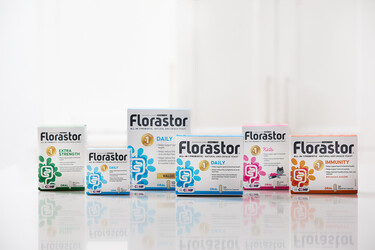
Credit: www.florastor.ca
Real-life Experiences And Testimonials
Many people take probiotics with antibiotics to protect their gut health. Antibiotics can kill good bacteria along with bad ones.
Choosing the right probiotic can help reduce side effects like diarrhea and upset stomach. Here are some real stories.
Taking Lactobacillus Rhamnosus Gg During Antibiotics
Sarah shared that taking Lactobacillus rhamnosus GG helped her avoid antibiotic-associated diarrhea. She started the probiotic the same day she began antibiotics.
She said her digestion stayed normal, and she felt less bloated than in past antibiotic treatments.
Using Saccharomyces Boulardii To Prevent Gut Issues
Mark experienced stomach cramps and loose stools on previous antibiotics. This time, he took Saccharomyces boulardii and felt much better.
He recommended taking it twice a day, especially during the antibiotic course and a few days after.
- Take probiotic with meals
- Continue probiotic for 1 week post-antibiotics
- Choose probiotic with at least 5 billion CFU
Combining Multiple Strains For Better Results
Jessica used a probiotic supplement with several strains, like Lactobacillus and Bifidobacterium. She noticed faster recovery of her digestion.
She felt less tired and had fewer antibiotic side effects compared to before.
| Probiotic Strain | Reported Benefit |
|---|---|
| Lactobacillus acidophilus | Improved digestion |
| Bifidobacterium lactis | Reduced gas and bloating |
| Lactobacillus casei | Less antibiotic diarrhea |
Timing Probiotics Around Antibiotic Doses
Tom found it helpful to take probiotics two hours after his antibiotics. This helped keep the probiotics alive and working better.
He said this simple timing made a big difference in how he felt during treatment.
- Take antibiotics on an empty stomach
- Take probiotics with food
- Leave at least 2 hours between doses

Credit: www.amazon.com
Frequently Asked Questions
What Probiotics Work Best With Antibiotics?
Lactobacillus rhamnosus GG and Saccharomyces boulardii are top probiotics with antibiotics. They help restore gut balance and reduce diarrhea risk.
When Should I Take Probiotics With Antibiotics?
Take probiotics at least 2 hours after antibiotics. This timing prevents antibiotics from killing the beneficial bacteria in probiotics.
Can Probiotics Reduce Antibiotic Side Effects?
Yes, probiotics can reduce side effects like diarrhea and upset stomach during antibiotics. They support gut health and immune function.
Are All Probiotics Safe With Antibiotics?
Most probiotics are safe with antibiotics, but choose strains proven effective, like Lactobacillus and Bifidobacterium. Consult your doctor for personalized advice.
Conclusion
Choosing the right probiotics can help protect your gut during antibiotics. These good bacteria support digestion and reduce side effects. Taking probiotics a few hours after antibiotics works best. Look for strains like Lactobacillus and Bifidobacterium for better results. Always check with your doctor before starting any supplement.
Keeping a healthy gut helps your body heal faster. Small steps like this make a big difference in feeling better. Stay consistent and patient to see the benefits over time. Your gut health matters.


