

Are you following the carnivore diet and wondering if you really need to take a multivitamin? It’s a question that many people like you face when cutting out all plant-based foods.
You might be worried about missing important nutrients or unsure if a multivitamin could help keep you healthy. This article will break down what the carnivore diet means for your vitamin needs and help you decide if adding a multivitamin is the right move for your body.
Keep reading to find out how to stay strong and balanced while eating only meat.
What Is The Carnivore Diet?
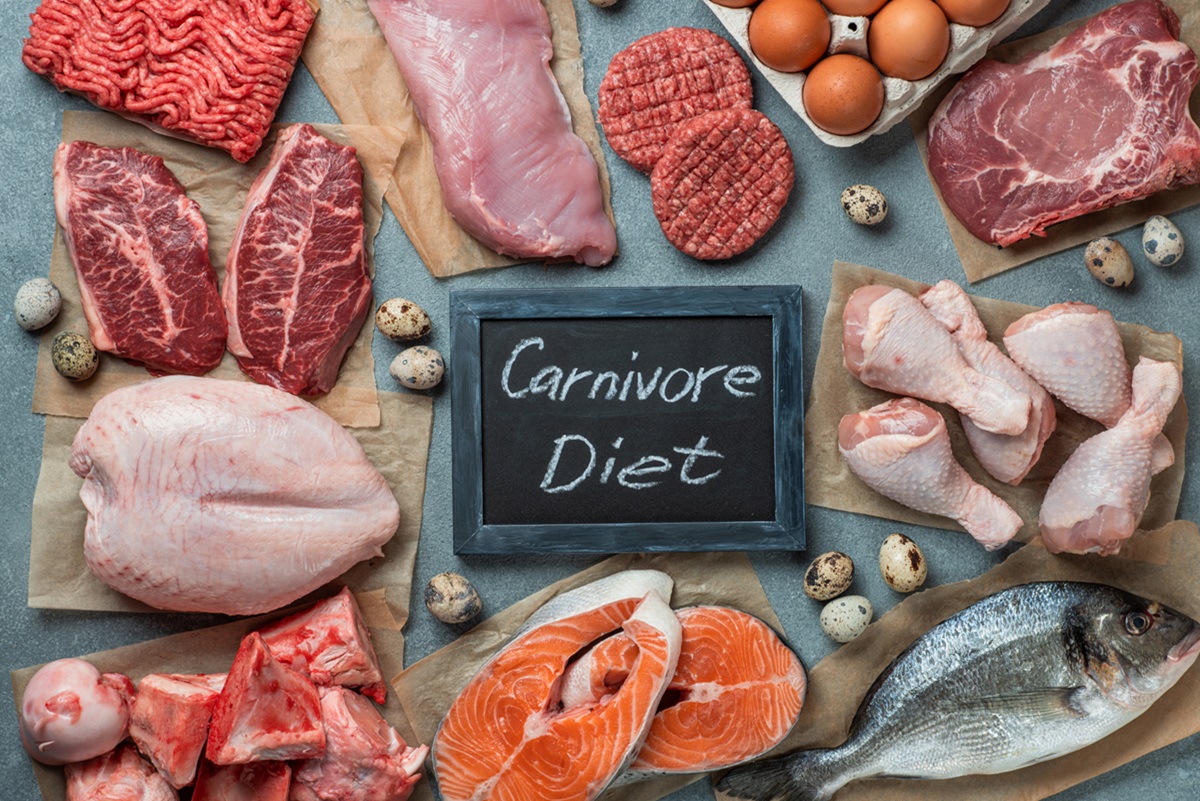
The carnivore diet is a way of eating that includes only animal foods. People on this diet eat meat, fish, and animal products like eggs and cheese.
This diet removes all plants, fruits, vegetables, grains, and sugars. It focuses on high protein and fat from animals.
Basic Principles Of The Carnivore Diet
The diet is very simple. You eat mostly meat and animal products. No plants or carbs are allowed.
Some followers eat only beef, while others include fish, eggs, and dairy. The goal is to rely on animal nutrients.
- Only animal-based foods
- No fruits, vegetables, or grains
- Focus on meat, fish, eggs, and dairy
Why People Choose The Carnivore Diet
People try this diet to lose weight and improve health. Some say it helps with digestion and inflammation.
Others use it to simplify eating and avoid processed foods. It can also reduce sugar and carb intake.
- Weight loss
- Better digestion
- Less inflammation
- Simpler food choices
- Lower sugar and carbs
Nutrients Found In The Carnivore Diet
The carnivore diet provides protein, fat, vitamins, and minerals from animals. It is rich in vitamin B12, iron, and zinc.
Some nutrients like vitamin C and fiber are low or missing because plants are not eaten.
- High protein and fat
- Rich in vitamin B12, iron, and zinc
- Low or no vitamin C and fiber
Nutritional Profile Of Carnivore Diet
The carnivore diet includes only animal-based foods like meat, fish, and eggs. It cuts out all plants and grains. This diet provides many essential nutrients from animal products.
Understanding the nutrient content helps decide if a multivitamin is needed. Let’s look at key nutrients in animal foods and possible gaps.
Key Nutrients In Animal-based Foods
Animal foods are rich in important nutrients that support health. These include high-quality protein and fats, plus many vitamins and minerals.
- Protein:Complete proteins with all essential amino acids.
- Vitamin B12:Found only in animal foods, supports nerve and blood health.
- Iron:Easily absorbed heme iron, important for oxygen transport.
- Zinc:Supports immune function and wound healing.
- Fat-soluble vitamins:Vitamins A, D, E, and K2, important for vision, bone health, and blood clotting.
- Omega-3 fatty acids:Found in fatty fish, good for heart and brain.
Potential Deficiencies
While the carnivore diet provides many nutrients, it may lack some vitamins and minerals found mainly in plants. These gaps should be watched closely.
| Nutrient | Possible Deficiency Cause | Health Impact |
|---|---|---|
| Vitamin C | No fruits or vegetables | Risk of scurvy, weak immunity |
| Magnesium | Low in meat compared to plants | Muscle cramps, fatigue |
| Fiber | No plant fiber intake | Digestive issues, gut health decline |
| Vitamin K1 | Mostly in leafy greens | Possible blood clotting issues |
Role Of Multivitamins
Multivitamins provide essential vitamins and minerals that support health. They fill gaps in your diet and help prevent nutrient shortages.
On the carnivore diet, you eat mostly meat. This limits some fruits and vegetables, which may reduce certain nutrients.
Common Nutrients In Multivitamins
Multivitamins often contain nutrients that may be low on a carnivore diet. These include vitamins and minerals needed for daily function.
- Vitamin C
- Vitamin D
- Magnesium
- Calcium
- Potassium
- Folate
- Vitamin K
- Zinc
Meat is rich in some nutrients but lacks others, like vitamin C and fiber. Multivitamins help cover these missing parts.
Benefits Of Supplementation
Taking multivitamins can support overall health. They help keep your body working well and prevent vitamin deficiencies.
Supplements may improve energy, immune function, and bone strength. They add nutrients that might be low in a meat-only diet.
- Supports immune system health
- Maintains strong bones and teeth
- Helps with energy production
- Prevents vitamin and mineral deficiencies
- Supports muscle and nerve function

Credit: www.amazon.com
Nutrient Gaps In Carnivore Diet
The carnivore diet includes mainly animal foods like meat, fish, and eggs. It cuts out most plants and carbs. This can cause missing some vitamins and minerals.
Knowing which nutrients might be low helps you decide if you need a multivitamin. Let’s look at the vitamins and minerals at risk and signs of deficiency.
Vitamins And Minerals At Risk
The carnivore diet may lack these key nutrients:
- Vitamin C
- Vitamin K
- Magnesium
- Fiber (not a vitamin but important)
- Folate
- Calcium
- Potassium
Most animal foods have little or no vitamin C and fiber. Some minerals like magnesium and potassium are also lower without plants.
Signs Of Deficiency
Watch for these signs that you might lack nutrients on a carnivore diet:
| Deficiency | Common Signs |
| Vitamin C | Fatigue, bleeding gums, slow healing |
| Vitamin K | Easy bruising, bleeding issues |
| Magnesium | Muscle cramps, weakness, sleep problems |
| Folate | Weakness, irritability, anemia |
| Calcium | Bone pain, muscle spasms |
| Potassium | Muscle weakness, irregular heartbeat |
Pros Of Taking A Multivitamin
Taking a multivitamin can help people on the carnivore diet stay healthy. This diet mainly includes meat and animal products. It may lack some important nutrients.
A multivitamin can fill in those missing nutrients. It supports your body and keeps it running well.
Filling Nutrient Gaps
The carnivore diet may miss some vitamins and minerals. These include vitamin C, magnesium, and fiber. A multivitamin helps fill these gaps.
- Provides vitamin C for immune health
- Supplies magnesium for muscle and nerve function
- Offers B vitamins for energy production
- Includes trace minerals like zinc and selenium
Improved Health Outcomes
Multivitamins can lead to better health results. They support normal body functions and reduce nutrient deficiencies.
| Health Benefit | How Multivitamins Help |
| Stronger Immune System | Vitamins A, C, D, and zinc support immunity |
| Better Energy Levels | B vitamins aid in converting food to energy |
| Healthy Bones | Vitamin D and calcium help maintain bone strength |
| Improved Skin and Hair | Biotin and vitamin E promote skin and hair health |
Cons Of Multivitamin Supplementation
Taking multivitamins on the carnivore diet may not always be safe. Some people think supplements can help, but there are risks. It is important to know the possible downsides before starting.
This section covers the main cons of multivitamin use. Learn about overconsumption risks and potential side effects.
Overconsumption Risks
Multivitamins contain many vitamins and minerals. Taking too many can cause harm. Some nutrients build up in the body and become toxic.
People on the carnivore diet already get certain nutrients in high amounts. Adding multivitamins can lead to too much intake of some vitamins like A, D, or iron.
- Vitamin A overdose may cause nausea and dizziness
- Excess iron can damage organs
- Too much vitamin D may lead to calcium build-up in blood
- High doses of minerals can upset stomach or cause other issues
Potential Side Effects
Some people may experience side effects from multivitamins. These effects vary depending on the type and amount taken.
Side effects can include digestive problems, allergic reactions, or interactions with medications.
- Stomach pain or upset
- Nausea or vomiting
- Allergic skin rashes
- Headaches or dizziness
- Possible interactions with prescribed drugs
Alternatives To Multivitamins
Some people on the carnivore diet wonder if they need multivitamins. Many find whole foods and targeted supplements can meet their needs. These options can provide key nutrients without taking a general multivitamin pill.
Choosing the right alternatives depends on your diet and health goals. Whole foods and specific supplements can support your nutrition well.
Whole Food Sources
Whole foods from animal products give many essential vitamins and minerals. Eating a variety of meats, organs, and fish helps you get nutrients naturally.
For example, liver is rich in vitamin A and iron. Fish provides omega-3 fats and vitamin D. Red meat offers zinc and B vitamins.
- Liver: vitamin A, iron, copper
- Fish: omega-3 fats, vitamin D
- Red meat: zinc, B vitamins
- Eggs: choline, vitamin B12
- Shellfish: iodine, selenium
Targeted Supplements
Targeted supplements fill specific gaps in a carnivore diet. Some nutrients may be low or missing, so supplements help keep balance.
Common supplements include vitamin D, magnesium, and omega-3 capsules. These support bone, heart, and brain health.
- Vitamin D: supports bones and immune system
- Magnesium: helps muscles and nerves
- Omega-3: improves heart and brain function
- Electrolytes: maintain hydration and muscle control
- Vitamin K2: supports blood and bone health
Expert Opinions
Many people on the carnivore diet ask if they need multivitamins. Experts share different views about this topic. Understanding their advice can help you decide.
The carnivore diet focuses on animal foods only. This limits some vitamins and minerals found in plants. Experts explain if supplements are necessary.
Nutritionists’ Views
Nutritionists often worry about vitamin C and fiber on the carnivore diet. They say some vitamins may be low without fruits and vegetables.
Many nutritionists suggest taking a multivitamin to fill possible gaps. They want to prevent deficiencies and support overall health.
- Vitamin C is usually low on the carnivore diet.
- Fiber is missing, which affects digestion.
- Multivitamins can help cover missing nutrients.
- Whole foods remain the best source of vitamins.
Healthcare Providers’ Advice
Doctors and healthcare providers look at blood tests before recommending supplements. They want to see if a person really needs extra vitamins.
Some providers say people on a strict carnivore diet may need a multivitamin. Others say supplements are only needed if tests show low levels.
- Check vitamin and mineral levels with your doctor.
- Take supplements only if tests show deficiencies.
- Not everyone on the carnivore diet needs multivitamins.
- Regular health checks help guide supplement use.
Making An Informed Decision
Choosing to take a multivitamin on the carnivore diet depends on your individual needs. This diet mainly includes meat and animal products, which may affect your nutrient intake.
It is important to understand your health status and consult experts before adding supplements to your routine.
Personal Health Considerations
Your current health and diet influence whether you need a multivitamin. Some people may lack vitamins found in plants, while others get enough from animal sources.
- Check for signs of vitamin deficiencies, like fatigue or brittle nails.
- Consider your age, as nutrient needs change over time.
- Look at your medical history, including any digestive issues.
- Note any medications that might affect nutrient absorption.
Consulting With Professionals
Talk with healthcare providers to decide if you should take a multivitamin. They can recommend tests and guide your choices based on your health.
| Professional | Role | Advice Provided |
|---|---|---|
| Doctor | Diagnose health issues | Order blood tests to check nutrient levels |
| Dietitian | Plan balanced diet | Suggest suitable supplements if needed |
| Pharmacist | Review medications | Warn about supplement-drug interactions |

Credit: ftp.spaceneedle.com
Credit: www.saintalphonsus.org
Frequently Asked Questions
Should I Take Multivitamins On A Carnivore Diet?
Taking multivitamins on a carnivore diet depends on your nutrient intake. The diet is rich in many vitamins but may lack others like vitamin C. Supplementing can help fill gaps and prevent deficiencies, especially during the initial phase or if your food variety is limited.
What Vitamins Might Be Missing On A Carnivore Diet?
A carnivore diet may lack vitamin C, fiber, and certain antioxidants. These nutrients are mostly found in plant foods. Deficiencies in these can impact immune function and digestion. Multivitamins or targeted supplements can help maintain nutrient balance when following strict carnivore eating.
Can Multivitamins Improve Health On A Carnivore Diet?
Multivitamins can support overall health on a carnivore diet by preventing nutrient deficiencies. They provide essential vitamins and minerals that might be low in animal-only diets. However, whole foods remain the best source for nutrients, so supplements are a backup, not a replacement.
Is Vitamin C Supplementation Necessary On The Carnivore Diet?
Vitamin C supplementation is often recommended on a carnivore diet. Animal foods contain very little vitamin C, which is crucial for immune health and skin integrity. Taking vitamin C supplements can prevent scurvy and related health issues when plant intake is minimal.
Conclusion
Choosing to take a multivitamin on the carnivore diet depends on your needs. Some nutrients may be low in this diet, such as vitamin C and fiber. A multivitamin can help fill these gaps. Still, whole foods provide the best nutrition.
Watch your body and talk to a doctor before starting supplements. Balance matters. Listen to your health signals. Stay informed and make choices that suit you.


