

Are you taking several vitamins at the same time and wondering if it’s safe? It’s common to think that more vitamins mean better health, but is that really true?
Taking multiple supplements together might sound harmless, but it could affect how your body absorbs them—or even cause unwanted side effects. If you want to know whether stacking your vitamins helps or harms your health, keep reading. This article will clear up the confusion and help you make smarter choices for your well-being.
Understanding Vitamins And Their Functions
Vitamins are nutrients that help our bodies work well. They support growth, repair, and keep us healthy.
Each vitamin has a special job. Some help the immune system, others help bones or energy.
Water-soluble Vitamins
Water-soluble vitamins dissolve in water. The body uses what it needs and gets rid of the rest.
These vitamins need to be replaced often. They include vitamin C and the B vitamins.
- Vitamin C helps heal wounds and fight infections.
- B vitamins aid in making energy from food.
- They support brain function and red blood cells.
Fat-soluble Vitamins
Fat-soluble vitamins dissolve in fat. The body stores them in fat tissues and the liver.
These include vitamins A, D, E, and K. They help with vision, bones, and blood clotting.
- Vitamin A supports eye health and the immune system.
- Vitamin D helps the body absorb calcium for strong bones.
- Vitamin E acts as an antioxidant to protect cells.
- Vitamin K is needed for blood to clot properly.
How Vitamins Work Together
Some vitamins work best with others. They help each other do their jobs well.
For example, vitamin D helps the body use calcium. Vitamin C helps iron absorption.
- Vitamin D and calcium support strong bones.
- Vitamin C helps the body absorb iron from food.
- Vitamins E and C protect cells from damage.

Credit: www.youtube.com
Potential Risks Of Taking Multiple Vitamins
Many people take several vitamins at the same time to stay healthy. But taking too many vitamins can cause problems. It is important to know the risks before combining supplements.
This article explains two main risks: overconsumption and how vitamins interact with medicines.
Overconsumption And Toxicity
Taking too many vitamins can lead to harmful effects. Some vitamins build up in the body and cause toxicity. This can damage organs like the liver or kidneys.
- Vitamin A overdose can cause headaches and dizziness.
- Too much Vitamin D may lead to calcium build-up in the blood.
- Excess iron can cause stomach pain and nausea.
- High doses of Vitamin E might increase bleeding risk.
Interactions With Medications
Vitamins can affect how medicines work. Some may make medicines less effective or increase side effects.
| Vitamin | Medication | Possible Interaction |
| Vitamin K | Blood thinners | Reduces medicine effect |
| Vitamin E | Anticoagulants | Raises bleeding risk |
| Calcium | Antibiotics | Lowers antibiotic absorption |
| St. John’s Wort | Antidepressants | May cause side effects |
Benefits Of Combined Vitamin Intake
Taking multiple vitamins at once can help your body get all the nutrients it needs. Many people have more than one vitamin deficiency.
Combining vitamins can make it easier to support your health with fewer pills. It saves time and helps keep your vitamin routine simple.
Addressing Multiple Deficiencies
Some people lack several vitamins at the same time. Taking multiple vitamins together helps fill these gaps quickly.
This approach supports overall body functions, like energy, immunity, and bone health. It prevents problems caused by missing nutrients.
- Supports energy by providing B vitamins
- Boosts immunity with vitamins C and D
- Strengthens bones with calcium and vitamin K
Convenience And Compliance
Taking multiple vitamins at once saves time. It reduces the number of pills you take daily.
When it is easy to take vitamins, people stick to their routine better. This helps keep their health steady over time.
- Less time spent managing vitamins
- Lower chance of missing doses
- Better routine leads to better health results
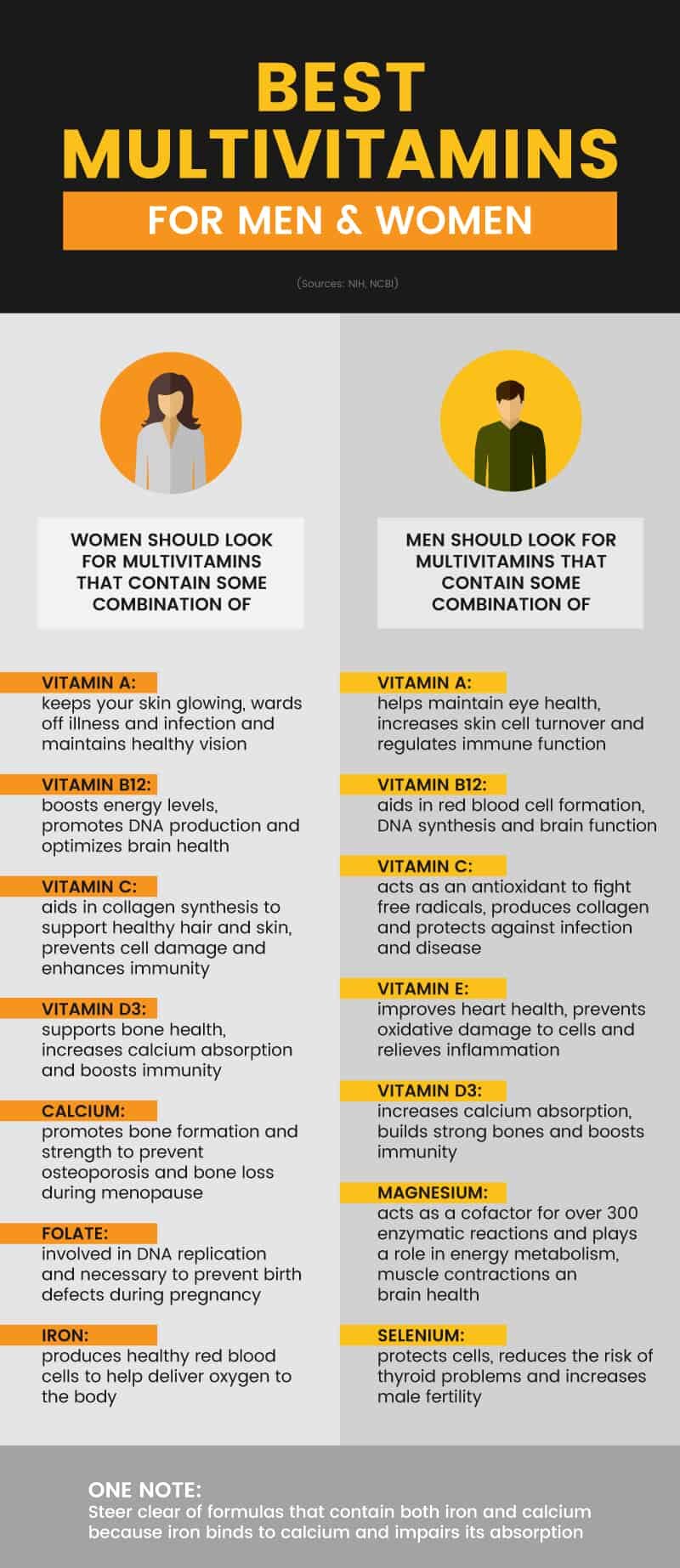
Credit: draxe.com
Expert Opinions On Multivitamin Use
Many people wonder if taking multiple vitamins at once is safe. Experts have studied this topic closely. Their advice helps us use vitamins wisely.
We will look at views from nutritionists and medical professionals. They share important facts on multivitamin use.
Perspectives From Nutritionists
Nutritionists focus on balanced diets and nutrient intake. They say multivitamins can fill small gaps in nutrition. But taking many vitamins together may cause some problems.
- Some vitamins can build up and cause harm if taken too much.
- Vitamins A, D, E, and K are fat-soluble and may store in the body.
- Taking many supplements can lead to nutrient imbalances.
- Nutritionists recommend checking labels to avoid excess doses.
- Eating a healthy diet is better than relying on many pills.
Medical Professionals’ Advice
Doctors warn that multiple vitamins can interact with medicines. They stress safety and proper dosing. Some vitamins can cause side effects in large amounts.
| Vitamin | Possible Risk When Taken Excessively |
| Vitamin A | Headaches, nausea, liver damage |
| Vitamin D | Calcium buildup, kidney issues |
| Iron | Stomach pain, constipation, toxicity |
| Calcium | Kidney stones, poor absorption of other minerals |
Doctors suggest talking to a healthcare provider before combining vitamins. They can check for risks and recommend safe amounts.
Factors To Consider Before Combining Vitamins
Taking multiple vitamins at once can affect your body in different ways. It is important to understand what to consider before combining them. Some vitamins may interact and cause problems if not taken carefully.
Knowing your dietary needs and health status helps you decide if taking several vitamins together is safe. This guide covers key points to think about before mixing vitamins.
Dietary Needs And Lifestyle
Your daily diet and lifestyle influence how your body uses vitamins. If you eat a balanced diet, you might not need many supplements. Some lifestyles raise your vitamin needs, like active sports or pregnancy.
- Check if your diet lacks certain vitamins
- Consider your activity level and energy needs
- Think about special conditions like pregnancy or aging
- Be aware of possible vitamin overlaps in supplements
- Note the timing of vitamin intake for best absorption
Existing Health Conditions
Some health conditions affect how your body handles vitamins. Certain diseases or medications can cause vitamin build-up or reduce their effects. It is wise to consult a doctor before mixing vitamins if you have health issues.
| Health Condition | Vitamin Interaction |
| Kidney disease | Avoid high doses of vitamin D and calcium |
| Blood thinning medication | Limit vitamin K intake |
| Iron deficiency anemia | May need extra iron supplements |
| Digestive disorders | Absorption of vitamins can be reduced |
Tips For Safe Vitamin Consumption
Taking multiple vitamins can help fill nutrition gaps. But it can also cause problems if not done right.
Knowing how to take vitamins safely is important. This guide gives simple tips to avoid risks.
Consulting Healthcare Providers
Talk to your doctor or pharmacist before starting new vitamins. They can check for possible interactions with medicines.
- Share your current vitamins and medicines list.
- Ask if doses are safe when combined.
- Get advice on timing and best ways to take vitamins.
- Report any side effects or unusual symptoms.
Reading Labels And Dosage Instructions
Labels show important info about vitamins. Learn to read them carefully to avoid overdosing.
| Label Section | What to Check |
| Serving Size | How many pills or drops to take each time |
| Amount Per Serving | Quantity of each vitamin or mineral |
| % Daily Value | Percent of daily recommended amount |
| Warnings | Possible side effects or interactions |
| Directions | When and how to take the vitamin |
Alternatives To Multivitamin Supplements
Taking many vitamins at once might not always be the best choice. Some people prefer natural ways to get their nutrients.
Two good alternatives are eating whole foods and using targeted supplements. These can help you get what your body needs safely.
Whole Foods Approach
Eating whole foods gives your body vitamins and minerals in their natural form. This helps your body absorb them better.
- Fruits like oranges and berries provide vitamin C
- Leafy greens offer iron and calcium
- Nuts and seeds add healthy fats and vitamin E
- Whole grains supply B vitamins and fiber
- Lean meats and fish give protein and zinc
Targeted Supplementation
Sometimes, it is hard to get all nutrients from food. Targeted supplements help fill these gaps without taking many vitamins.
| Supplement | Purpose | When to Use |
| Vitamin D | Supports bone health | Low sun exposure |
| Iron | Prevents anemia | Low iron levels |
| Omega-3 | Supports heart and brain | Low fish intake |
| Calcium | Strengthens bones | Low dairy intake |

Credit: www.goodrx.com
Future Trends In Vitamin Supplementation
Vitamin supplements are changing as science learns more about health. New ways help people take vitamins that fit their needs better.
These trends focus on making vitamins safer and more effective for each person. This helps avoid problems from taking too many vitamins at once.
Personalized Nutrition
Personalized nutrition means vitamins match your body’s specific needs. Experts use tests to see which vitamins you need most.
- Blood tests check vitamin levels
- Genetic tests find how your body uses vitamins
- Diets and lifestyle are studied
- Custom vitamin plans are created
This approach helps avoid taking too many vitamins at once. It gives only what your body needs for health.
Technological Advancements
Technology helps make vitamin supplements better. New tools track your vitamin intake and how your body reacts.
| Technology | Use | Benefit |
| Smart Pill Bottles | Track vitamin use daily | Remind to take vitamins |
| Apps | Log diet and supplements | Show vitamin gaps |
| Wearable Devices | Monitor health signs | Adjust vitamin needs |
These advances guide people to take vitamins safely and avoid overlap. They help reduce risks from taking multiple vitamins at once.
Frequently Asked Questions
Is It Safe To Take Multiple Vitamins Together?
Taking multiple vitamins at once can be safe if done correctly. Avoid exceeding recommended doses to prevent toxicity. Consult a healthcare provider to ensure no harmful interactions occur between supplements.
Can Taking Many Vitamins Cause Side Effects?
Yes, excessive vitamin intake can cause side effects like nausea, headaches, or digestive issues. Overloading on certain vitamins may lead to toxicity or interfere with medications.
Should Vitamins Be Taken With Or Without Food?
Most vitamins are best absorbed when taken with food. Fat-soluble vitamins like A, D, E, and K need dietary fat for absorption. Water-soluble vitamins can be taken on an empty stomach but may cause discomfort.
How To Avoid Vitamin Overdose When Combining Supplements?
To avoid overdose, read labels carefully and track total daily intake. Stick to recommended dosages and consult a healthcare professional before mixing supplements to prevent harmful effects.
Conclusion
Taking multiple vitamins at once may cause problems. Some vitamins can interact and reduce absorption. Too much of certain vitamins can be harmful. It is best to follow recommended doses. Talk to a doctor before mixing supplements. They can help you choose what is safe.
Remember, vitamins support health but do not replace food. Balance and caution keep your body strong. Choose wisely for your well-being every day.


